
Ethiopia and the Horn: Neolithic Revolution
Exploring the roots of agriculture and cultural transformation in a key region
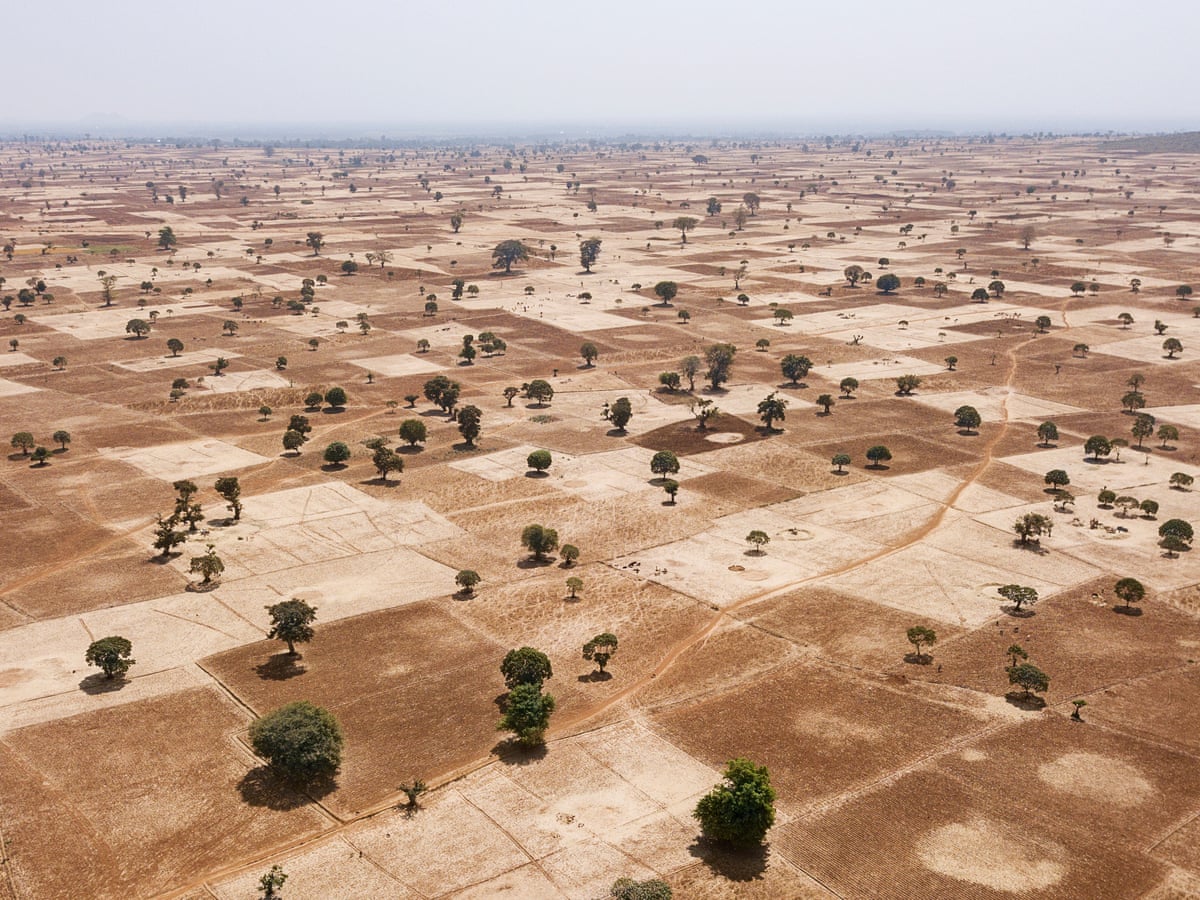
Key Highlights
- Transition to Sedentism: The region witnessed a profound shift from nomadic lifestyles to settled agricultural communities.
- Domestication of Crops and Livestock: Teff and cattle played instrumental roles in reshaping subsistence strategies.
- Cultural and Technological Advancements: Developments in tool-making, pottery, and complex social organization emerged as a direct consequence of agricultural practices.
Introduction
The Neolithic Revolution represents one of the most pivotal transitions in human history, marking the shift from a nomadic, hunter-gatherer lifestyle to one centered around agriculture and animal husbandry. In Ethiopia and the surrounding Horn of Africa, this transition catalyzed significant cultural, technological, and socioeconomic changes. The indigenous domestication of staple crops, such as teff, along with the management of livestock like cattle, not only ensured a more dependable food supply but also paved the way for the establishment of permanent settlements. This transformation spawned advancements in technology, social organization, and trade networks, which deeply influenced the course of human evolution in the region.
Historical Background and Context
Early Human Habitations and the Dawn of Agriculture
The Horn of Africa, with Ethiopia at its heart, has long been recognized as a cradle of human evolution and innovation. Archaeological evidence, including findings from sites like Mezber, indicates that as early as 10,000 years ago, communities in this region began experimenting with domestication and cultivation. The local environment, characterized by diverse landscapes from lowlands to mid- and high-elevations, provided a variety of ecological niches that allowed early agriculturists to thrive. Fundamental to this transition was the domestication of indigenous plants like teff, a cereal that remains central to Ethiopian cuisine, as well as the raising and breeding of animals that provided not only sustenance but also labor support in agricultural activities.
The Role of the Neolithic Revolution in Reshaping Societies
The introduction of agriculture fundamentally altered human societies. As people transitioned from hunting and gathering to farming, permanent settlements emerged. This shift established the foundation for the development of complex social structures and trade networks. In Ethiopia and the broader Horn of Africa, communities began to invest in technological innovations such as polished stone tools and rudimentary irrigation systems. These innovations increased agricultural efficiency and productivity, which in turn supported larger populations and led to the emergence of social hierarchies and specialized roles within communities.
Key Developments During the Neolithic Revolution
Domestication of Plants
Teff and Its Significance
Teff, a tiny cereal grain native to Ethiopia, quickly became a fundamental crop in the region. Its nutritional value and adaptability to varied climatic conditions helped stabilize food production. As cultivation practices improved, teff not only sustained local populations but also influenced dietary habits and agricultural methodologies. Its resilience against challenging climatic conditions made it a reliable food source, reinforcing the shift towards sedentary lifestyles.
Domestication of Animals
Cattle and Other Livestock
Animal domestication significantly complemented plant cultivation by providing essential resources like milk, meat, and labor. Cattle, in particular, became emblematic of prosperity and social status. The domesticated herd did more than supply nutrition; it enhanced the mobility and economic conditions of early communities. The integration of livestock into agricultural practices also heralded a new era in animal management and breeding techniques, influencing later developments in animal husbandry across the region.
Technological Innovations
Stone Tools and Pottery
With the establishment of agricultural communities came the need for new technologies to manage and optimize farming. The period saw advancements in the manufacture of stone tools, which evolved from simple flaked implements to more complex polished versions. Additionally, the production of pottery became widespread, facilitating the storage and transportation of surplus food. These technological innovations were instrumental in improving the efficiency of food production and distribution, thereby supporting the growth of larger, more complex settlements.
Socioeconomic Impacts
Emergence of Permanent Settlements
The reliable food production achieved through agriculture led to the establishment of permanent settlements. These settlements, often located in ecologically favorable highland regions, evolved into the precursors of modern urban centers. As populations grew, so did the need for structured governance, which spurred the development of early forms of leadership and social stratification. The stable environment provided by continuous agricultural production allowed communities to focus on cultural and technological pursuits, setting the stage for complex societies that engaged in trade, specialized labor, and cultural exchange.
Cultural and Religious Evolutions
Social complexities and the resulting economic surplus allowed early communities to develop more intricate cultural and religious practices. The diversification of roles within these societies contributed to language evolution and the creation of early forms of governance. Rituals and communal gatherings often focused on agricultural cycles, reinforcing the cultural importance of fertility, harvest, and the symbiotic relationship between human communities and their environment. This period marked the beginning of ethnolinguistic and cultural identities that continue to shape the region.
Agricultural Practices and Regional Adaptations
Adapting to Diverse Environments
Ethiopia and the Horn of Africa are characterized by their varied landscapes and climates, ranging from expansive highlands to arid lowlands. Early human communities adapted their agricultural practices to these diverse environments. In the highlands, terrace farming became common, allowing communities to maximize arable land in hilly terrains. Conversely, in lower regions, techniques such as plough-based agriculture and hoe cultivation were developed to suit the local soil and climatic conditions.
Impact on Societal Structures
The adoption of different agricultural methods mirrored the social and cultural diversity of the region. Early societies were not monolithic; they reflected a mosaic of ethnolinguistic and cultural groups, including Afroasiatic speakers such as Semitic, Cushitic, and Omotic groups, as well as Nilo-Saharan communities. Each group brought its unique practices and innovations to the table, which fostered both localized and widespread adoption of new agricultural techniques. These diverse practices contributed to the resilience and adaptability of early human societies in the region, ensuring long-lasting impacts on modern cultural landscapes.
A Visual Overview of the Neolithic Revolution in the Horn of Africa
| Theme | Key Developments | Impacts |
|---|---|---|
| Transition to Agriculture | Adoption of teff cultivation, domestication of cattle and other livestock | Stable food sources, establishment of permanent settlements |
| Technological Innovations | Development of polished stone tools, introduction of pottery, irrigation techniques | Enhanced food storage, cultivation efficiency and broader societal organization |
| Cultural Evolutions | Formation of trade networks, social stratification, emergence of ethnolinguistic groups | Distinct cultural identities, advancements in governance and societal structures |
| Environmental Adaptations | Terrace farming in highlands, plough and hoe cultivation in lowlands | Optimized use of varied geographic terrains, increased regional resilience |
Contemporary Implications and Legacy
Continuing Agricultural Importance
The innovations introduced during the Neolithic Revolution in Ethiopia have left an indelible legacy that persists today. Agriculture continues to be the backbone of Ethiopia’s economy, with small-scale farmers nurturing crops under the guidance of centuries-old traditions refined by modern techniques. Despite facing modern challenges such as climate change and regional food insecurity, efforts to introduce drought-resistant crops and sustainable agricultural practices underscore the enduring significance of this historical transformation.
Cultural and Societal Resonance
The mythos of the Neolithic Revolution in the Horn of Africa contributes richly to the cultural tapestry of the region. Many communities continue to celebrate their agricultural heritage through festivals and rituals that pay homage to the cycles of nature and the enduring relationship between humankind and the land. This cultural resonance not only preserves traditional knowledge but also inspires modern innovations in sustainable farming and community resilience.
Influence on Modern Infrastructure
Infrastructure developments in modern Ethiopia are deeply rooted in the legacies of early agricultural practices. Irrigation systems, road networks that once served trade routes between nascent settlements, and even modern housing designs echo the planning and communal collaboration of Neolithic communities. Thus, understanding the historical trajectory of agricultural practices in the Horn of Africa provides critical insights into contemporary challenges and developmental strategies.
Further Research and Exploration
Expanding the Narrative
The study of the Neolithic Revolution in Ethiopia and the Horn of Africa is a subject of enduring interest, inviting further exploration into the interplay between environmental factors, technological innovations, and cultural evolution. Researchers continue to uncover new evidence at archaeological sites and examine historical texts that shed light on the intricate web of relationships that defined early agricultural communities. These studies not only enhance our understanding of human history but also guide strategies for addressing modern agricultural and socio-economic challenges.
Interdisciplinary Insights
Scholars from a range of disciplines—including archaeology, anthropology, agronomy, and environmental studies—contribute to deepening our understanding of this transformative era. Their work underscores the importance of integrating diverse perspectives to appreciate fully the legacy of the Neolithic Revolution in shaping human societies. Collaborative research projects continue to bring together expertise from local communities and international institutions, making this a dynamic field of study.
References
- Neolithic Revolution - Wikipedia
- Ethiopia's Agricultural Revolution - Studocu
- Neolithic vs. Late Stone Age - TDAR
- Quora Discussion on Neolithic Revolution
-
Frontiers in Ecology and Evolution - Neolithic Impact
Recommended Queries for Further Exploration
Last updated March 13, 2025