
Beyond Borders: How Ethnic Blending Weaves the Fabric of Global Unity
Discover the profound ways intermingling cultures cultivate worldwide understanding and shared identities.
The intermingling of diverse ethnic groups, a phenomenon increasingly prevalent in our interconnected world, offers a compelling pathway towards global unity. When people from different backgrounds come together, they bring unique perspectives, traditions, and experiences, fostering an environment ripe for enhanced understanding, empathy, and collaboration. This blending isn't just about coexisting; it's about creating new, shared narratives and identities that transcend traditional ethnic or national boundaries, ultimately strengthening the bonds of our global community.
Key Insights: Weaving a United World
- Enhanced Cross-Cultural Understanding: Ethnic mixing dismantles stereotypes and fosters empathy by exposing individuals to diverse perspectives and ways of life, leading to a more tolerant and inclusive global society.
- Formation of Shared Identities: The blending of cultures often results in hybrid identities and shared values that transcend traditional ethnic lines, building broader communities and fostering a sense of global citizenship.
- Catalyst for Innovation and Peace: Diverse societies, enriched by ethnic mixing, become hotbeds for creativity, problem-solving, and cultural dynamism, which are essential for addressing global challenges and promoting peace.
The Tapestry of Togetherness: How Ethnic Mixing Fosters Global Unity
Ethnic mixing acts as a powerful catalyst for global unity through several interconnected mechanisms. It moves beyond simple tolerance, encouraging active engagement and mutual enrichment between cultures. As societies become more ethnically diverse, the potential for a unified global community grows, built on a foundation of shared human experience rather than divisive nationalism.
Breaking Down Barriers: Cultivating Empathy and Understanding
Direct interaction between individuals from different ethnic backgrounds is fundamental to dismantling prejudices and stereotypes. When people share spaces, stories, and experiences, they begin to see the common humanity that unites them, rather than the cultural differences that might separate them. This personal connection is vital for building trust and fostering empathy on a larger scale.
The Role of Intergroup Contact
Research consistently shows that positive intergroup contact reduces prejudice and promotes more favorable attitudes towards out-groups. Resettlement programs, mixed communities, and multicultural educational initiatives create opportunities for such contact. For example, studies on resettlement programs, like those in Indonesia, have demonstrated how planned intergroup contact can lead to the formation of a shared national identity even among diverse ethnic groups, suggesting a scalable model for global interaction.
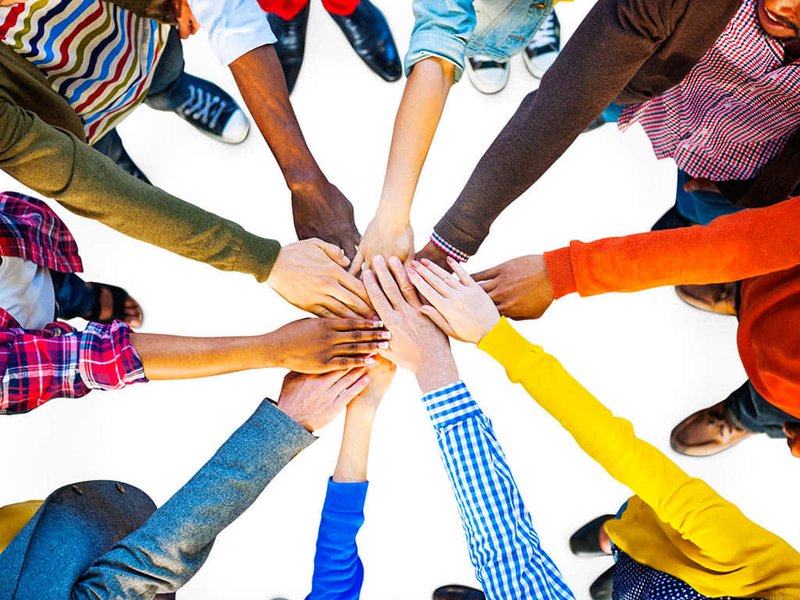
Inclusive friendships across ethnic lines are a cornerstone of building understanding and unity.
Forging New Identities: Beyond Ethnicity to Shared Humanity
Ethnic mixing often leads to the emergence of hybrid or "mixed" identities, where individuals draw from multiple cultural heritages. These identities can bridge divides, as individuals embody the connections between different groups. Furthermore, in diverse societies, a broader sense of community identity can supersede narrower ethnic affiliations.
Multiculturalism and Shared National Values
Multiculturalism, as a policy and societal attitude, acknowledges and values the contributions of all ethnic groups. It supports the idea that cultural differences can coexist and enrich a society. Countries like Canada and Australia are often cited as examples where multicultural policies have aimed to foster an inclusive national identity that embraces diversity. This framework encourages individuals to identify not just with their ethnic group but with a larger, multicultural nation, and by extension, a global community.
Singapore provides a compelling modern example, with its government actively promoting ethnic integration through housing policies and community initiatives. This has fostered significant interaction and mutual understanding among its diverse Chinese, Malay, Indian, and Eurasian populations, contributing to social harmony.
Visualizing Unity: The Impact of Ethnic Diversity
The following chart illustrates a conceptual comparison of societal attributes based on varying degrees of ethnic mixing. It suggests that societies with higher levels of ethnic mixing tend to score higher on factors conducive to global unity, such as cultural understanding, innovation, and a broader global perspective. Please note these are illustrative values based on general sociological trends and not empirical data from a single study.
This radar chart visually represents how societies with greater ethnic mixing often demonstrate higher levels of attributes like cultural understanding and global perspective, which are vital for fostering global unity. While social cohesion can initially face challenges, inclusive policies can strengthen it over time in diverse settings.
Pathways to Global Cohesion: A Mindmap
Ethnic mixing contributes to global unity through various interconnected pathways. This mindmap illustrates how different facets of ethnic interaction and integration lead to outcomes that strengthen global bonds, fostering a more harmonious and understanding world. It shows mechanisms like intermarriage and cultural exchange leading to positive outcomes like increased empathy and shared identities, all facilitated by factors such as globalization and proactive governance.
Interracial Families"] id1b["Migration &
Diaspora Communities"] id1c["Cultural Exchange
(Art, Food, Ideas)"] id1d["Multicultural Policies
& Education"] id1e["Shared Public Spaces
& Workplaces"] id2["Positive Outcomes for Unity"] id2a["Increased Empathy &
Reduced Prejudice"] id2b["Formation of Hybrid &
Shared Identities"] id2c["Enriched Cultural
Diversity & Innovation"] id2d["Stronger Social Cohesion
(with inclusivity)"] id2e["Enhanced Global
Understanding & Cooperation"] id2f["Improved Conflict
Resolution & Peacebuilding"] id3["Facilitating Factors"] id3a["Globalization &
Interconnectedness"] id3b["Inclusive Governance
& Leadership"] id3c["Educational Initiatives
Promoting Diversity"] id3d["Global Media &
Communication"] id4["Potential Challenges
(to be addressed)"] id4a["Initial Social Tensions"] id4b["Integration Difficulties"] id4c["Preservation of
Cultural Heritage"] id4d["Addressing Systemic
Inequalities"]
The mindmap above illustrates the multifaceted nature of ethnic mixing's contribution to global unity. It highlights the processes, outcomes, and enabling conditions that transform diverse interactions into foundations for a more integrated and peaceful world.
Artistic representations often depict the beauty of diverse peoples uniting.
Globalization and Cultural Exchange: Weaving a Global Fabric
Globalization has accelerated ethnic mixing by increasing migration, travel, and communication across borders. This has led to an unprecedented level of cultural exchange, where ideas, traditions, art, and cuisine flow freely, creating a global "mélange." This constant interaction fosters a sense of shared global culture and interconnectedness, even as local identities remain important.
The Role of "Global Mixed Race" Individuals
Individuals of mixed ethnic descent often embody this global interconnectedness. Their lived experiences navigating multiple cultural worlds can provide unique insights and act as bridges between different communities. Studies on "critical mixed race" perspectives across continents highlight how these individuals and communities contribute to a more nuanced understanding of identity and belonging in a globalized world.
Diversity in Action: A Global Perspective
The video below from TEDxCSU features Michael Gavin discussing why cultural diversity matters. While not solely focused on ethnic mixing, it delves into the importance of preserving and understanding different cultures, which is a crucial aspect of how ethnic mixing contributes to a richer, more unified global society. Understanding the value of each culture is paramount when these cultures begin to intermingle and create new, shared experiences.
This talk underscores the intrinsic value of cultural diversity. When ethnic groups mix, they bring forth this diversity, leading to innovation, new perspectives, and a deeper understanding of humanity. The preservation and celebration of unique cultural traditions within a mixed environment are essential for harnessing the full potential of diversity for global unity.
Benefits and Considerations of Ethnic Mixing for Global Unity
While the trajectory of ethnic mixing largely points towards enhanced global unity, it's a complex process with multifaceted impacts. The following table summarizes key aspects, highlighting both the positive contributions and considerations that need to be managed for optimal outcomes.
| Aspect | Benefits of Ethnic Mixing for Unity | Potential Challenges | Strategies for Fostering Unity |
|---|---|---|---|
| Cultural Understanding | Reduces stereotypes and prejudice; increases empathy and tolerance through direct interaction and exposure to diverse perspectives. | Initial misunderstandings or cultural clashes; fear of cultural dilution. | Promote intercultural dialogue, cultural competency education, and celebrate diverse traditions. |
| Social Cohesion | Can lead to the formation of broader, more inclusive community identities that transcend ethnic lines; strengthens civil society. | Potential for social fragmentation if groups remain isolated; competition for resources or influence. | Implement inclusive policies, ensure equitable representation, foster shared national/global values, and create common public spaces. |
| Innovation & Creativity | Diverse teams and societies bring a wider range of skills, ideas, and problem-solving approaches, leading to greater innovation in all sectors. | Communication barriers (language, cultural norms); difficulty in integrating diverse work styles. | Encourage collaborative projects, provide language support, and promote diverse leadership. |
| Identity Formation | Emergence of hybrid identities that bridge cultures; development of a sense of global citizenship. | Identity confusion for individuals; pressure to choose one culture over another. | Validate and support multicultural identities; create narratives that embrace complexity and interconnectedness. |
| Peace & Conflict Resolution | Reduces intergroup hostility by fostering shared interests and mutual dependence; creates networks that span potential conflict lines. | Historical grievances between groups; manipulation of ethnic differences for political gain. | Promote reconciliation processes, ensure justice and accountability, and build institutions that manage diversity constructively. |
This table emphasizes that the positive outcomes of ethnic mixing are often realized when societies proactively create inclusive environments that value diversity and address potential challenges through thoughtful policies and community efforts.
Frequently Asked Questions (FAQ)
How does ethnic mixing specifically contribute to global unity?
Ethnic mixing contributes to global unity by fostering direct interpersonal connections that break down stereotypes and build empathy. It leads to the exchange of cultural ideas, traditions, and perspectives, enriching societies and creating shared hybrid cultures. This process can cultivate a sense of shared identity that transcends national or ethnic boundaries, promoting cooperation and reducing intergroup conflict. For example, intermarriage and multicultural communities often nurture individuals with a broader worldview, more adaptable to global challenges.
Are there any challenges associated with ethnic mixing in achieving unity?
Yes, while ethnic mixing has strong potential for fostering unity, challenges can arise. These may include initial social tensions, misunderstandings due to cultural differences, or concerns about the preservation of distinct cultural heritages. Some individuals or groups might resist integration due to fear of losing their identity or facing discrimination. For unity to be achieved, these challenges must be addressed through inclusive policies, education, promoting mutual respect, and ensuring equitable opportunities for all groups.
What role does multiculturalism play in the context of ethnic mixing and unity?
Multiculturalism is a framework or societal approach that acknowledges, values, and supports cultural diversity within a society. In the context of ethnic mixing, multiculturalism provides the philosophical and policy basis for ensuring that different ethnic groups can coexist harmoniously, maintain their distinct identities while also contributing to a larger, shared national or global identity. It promotes tolerance, mutual respect, and the idea that diversity is a strength, which are all crucial for ethnic mixing to lead to genuine unity rather than assimilation or fragmentation.
Can you provide examples of countries where ethnic mixing has fostered unity?
Several countries serve as examples, to varying degrees. Canada and Australia are often cited for their multicultural policies that aim to integrate diverse immigrant populations while fostering a shared national identity. Singapore has actively managed ethnic diversity through housing and social policies to promote integration and harmony. Rwanda, post-genocide, has embarked on a path of reconciliation that includes de-emphasizing ethnic divisions and promoting a unified national identity. While no country is a perfect model, these examples illustrate efforts to harness ethnic diversity for national and, by extension, broader unity.
Recommended Further Exploration
- How does intergroup contact theory explain the reduction of prejudice in mixed ethnic communities?
- What are the economic benefits of multiculturalism and ethnic diversity in globalized economies?
- Explore case studies of successful national integration policies in ethnically diverse countries.
- What is the impact of globalization on the formation of hybrid identities and global citizenship?
References
Last updated May 17, 2025