
Exploring EU ETS2: A New Era for Emission Trading
An insightful high-level overview of the EU Emissions Trading System for buildings and transport
Key Takeaways
- Expanded Scope: EU ETS2 targets previously uncovered sectors, particularly buildings and road transport.
- Cap & Trade Mechanism: A market-based approach with auctioned allowances supports effective emissions reduction.
- Social Focus: Revenues assist vulnerable groups through the Social Climate Fund, ensuring a balanced transition.
Overview of EU ETS2
The European Emissions Trading System for buildings and transport, often referred to as EU ETS2, represents a pivotal extension of the European Union’s existing carbon trading mechanisms. Designed under the umbrella of the "Fit for 55" package, EU ETS2 is specifically aimed at reducing greenhouse gas emissions in sectors that were largely excluded from the original EU ETS. These sectors include fuel combustion in buildings—covering both heating and cooling—and road transport, alongside select smaller industrial installations.
Unlike traditional carbon trading systems which have focused on large-scale industrial emitters and power generation facilities, EU ETS2 introduces an upstream regulation approach. This means that the onus of compliance—managing, monitoring, and reporting emissions—rests on fuel suppliers rather than individual households or drivers. By shifting responsibility early in the supply chain, EU ETS2 ensures more effective monitoring and reliable data collection, thereby facilitating a smoother and more consistent deployment of the cap and trade system across these vital sectors.
The implementation of EU ETS2 is a strategic maneuver aligned with the EU’s broader climate goals, including the ambitious target of achieving net climate neutrality by 2050. Furthermore, the policy is structured to achieve a concrete emissions reduction of 42% by 2030 relative to 2005 levels, a critical milestone in moving toward a sustainable and greener economy.
Operational Mechanism and Timeline
Key Mechanisms
EU ETS2 operates as a conventional cap and trade system, where a cap is imposed on the total amount of greenhouse gases that can be emitted by the covered sectors. This cap is set to decrease annually, reflecting the EU’s stringent commitment to reducing emissions progressively over time. The market-based mechanism functions by allocating a finite number of emission allowances, each of which gives the holder the right to emit one tonne of CO2 equivalent. Through this approach, fluxes in supply and demand directly influence the price of carbon, thereby incentivizing cleaner practices and technologies.
A particularly important dimension of EU ETS2 is the dedicated, rule-based Market Stability Reserve. Initially endowed with approximately 600 million allowances, this reserve is poised to play a crucial role in balancing allowance supply. By mitigating the risks of either an economy overloaded with allowances or a severe shortage, the reserve helps to stabilize the market, ensuring that pricing signals remain effective and reflective of real-world emission reduction efforts.
Implementation Timeline
The timeline for EU ETS2 is crafted with careful attention to ensuring readiness among regulated entities. Monitoring and reporting of emissions are slated to commence in 2025, giving industries ample time to adapt and implement robust emissions accounting systems. However, EU ETS2 is set to become fully operational in 2027, a stage by which a significant volume of allowances will be auctioned to ensure robust market liquidity. There is an element of flexibility built into the regulation; under certain conditions, such as exceptionally high energy prices, there exists the possibility of a postponed formal operational date.
In practice, a smooth transition to full operation will require extensive cooperation among Member States, regulatory agencies, and industry stakeholders. National Competent Authorities, such as the Environmental Protection Agency in Ireland, are playing an instrumental role in implementing EU ETS2. They are responsible for coordinating national regulations with overarching EU standards, particularly in terms of emissions monitoring, reporting, and compliance verification.
Implications and Strategic Impact
Sectoral Implications
The implications of EU ETS2 stretch across multiple layers of the economy and society. In the buildings sector, the system emphasizes a dramatic reduction in emissions stemming from heating and cooling systems. For road transport, it targets the carbon footprint of fuel usage, pushing both conventional and commercial transport towards cleaner technologies. The integrated approach of regulating emissions upstream further ensures that fuel suppliers are intricately involved in the process, which promotes accountability from production to end use.
This comprehensive strategy is expected to stimulate increased investments in energy efficiency and renewable energy technologies. Renovations in the building sector are anticipated to see a boost in energy-efficient retrofits, while the transportation sector may experience a surge in low-emission mobility solutions. These initiatives will not only contribute to the reduction of net greenhouse gas emissions but will also foster innovation and enhance the EU’s competitiveness in the global clean technology market.
Social Climate Fund and Economic Effects
One of the most innovative aspects of EU ETS2 is the incorporation of a Social Climate Fund (SCF). Revenues generated from the auctioning of emission allowances will be funneled into this fund, thereby supporting vulnerable households and small businesses. This mechanism is a cornerstone of the EU’s commitment to a socially equitable transition toward a low-carbon economy. The SCF aims to mitigate any potential adverse effects of increased energy costs or other related economic pressures, ensuring that the burden of the transition does not disproportionately fall on those least able to bear it.
On the economic front, while the introduction of EU ETS2 may initially necessitate significant adjustments and investments in emissions monitoring technologies, it is expected to yield long-run benefits. Enhanced market transparency coupled with the incentives for low-carbon innovations could lead to new business opportunities and strengthen the internal market for green technologies. Furthermore, by driving the energy transition, the system also supports broader objectives related to energy sovereignty and resilience, thereby safeguarding the EU against future energy market disruptions.
Visualizing the Impact: A Data-Driven Overview
Radar Chart Analysis
The embedded radar chart below showcases various dimensions of the EU ETS2 impact, detailing elements such as Regulatory Complexity, Market Stability, Emissions Reduction Efficiency, Social Equity, and Sectoral Coverage. Each of these datasets reflects an opinionated analysis, capturing both strengths and challenges inherent within the initiative. This visualization serves as a summary tool, enabling stakeholders to rapidly assess the multifaceted nature of EU ETS2.
Strategic Implementation and Stakeholder Coordination
Coordination Among Authorities
The successful implementation of EU ETS2 requires intricate coordination among various governmental bodies, industry stakeholders, and regulatory agencies. National Competent Authorities have been designated to oversee compliance and facilitate the integration of EU-wide standards into local regulation frameworks. For instance, in Ireland, the Environmental Protection Agency (EPA) plays a key role in administering the system, ensuring that all entities observe strict monitoring, reporting, and verification protocols.
This multi-tiered governance structure enables real-time data collection and ensures that any deviations are promptly addressed. Moreover, the environmental policy framework provides guidelines for companies to develop comprehensive emission monitoring plans, comply with necessary verification procedures, and effectively allocate allowances within their operations. By adopting an upstream approach—making fuel suppliers accountable—there is a dual benefit: improved transparency of emission levels within the supply chain and a greater incentive for all stakeholders to transition towards greener alternatives.
Mermaid.js Mindmap: EU ETS2 Structure
The mindmap diagram below encapsulates the central elements of EU ETS2, illustrating its key components, operational mechanics, and strategic interactions. The diagram is designed to visually represent how the system is integrated into broader EU climate strategies, showing relationships among legislative frameworks, industry responsibilities, and emitted sectors.
Detailed Comparison and Key Data Points
To further enhance our understanding of EU ETS2, the table below provides a comparative synthesis of its primary components, timelines, operational features, and socio-economic implications. This concise representation quickly conveys how the new system complements the existing EU ETS while addressing critical gaps in coverage.
| Component | Description | Timeline & Targets |
|---|---|---|
| Scope | Covers emissions from fuel combustion in buildings, road transport, and select small industrial sectors not covered by EU ETS1. | Transition to full operation by 2027; 42% reduction target by 2030 relative to 2005 levels. |
| Operational Mechanism | Cap & trade system with decreasing caps and auctioned allowances; upstream regulation on fuel suppliers. | Monitoring commences in 2025; annual reduction of allowances; market stability reserve of 600 million allowances. |
| Social Impact | Revenues directed to the Social Climate Fund to support vulnerable households and businesses, ensuring equitable transition. | Revenue use integral to easing economic impact; supporting energy-efficient investments and retrofits. |
| Governance | Administered by national competent authorities (e.g., EPA in Ireland) in alignment with EU policies. | Harmonization of monitoring, reporting, and enforcement across Member States. |
Stakeholder Perspectives and Future Directions
Opportunities for Innovation and Investment
EU ETS2 is not merely a regulatory framework; it is a catalyst for innovation in sustainable technologies. As market conditions drive increased investments in energy efficiency and renewable energy sources, companies are expected to modernize their operations, invest in building retrofits, and venture into low-carbon transportation solutions. The mechanism also encourages technological development in emissions measurement tools and advanced monitoring systems.
Not only does this stimulate internal market dynamics, but it also positions the EU as a global leader in setting standards for carbon pricing and emissions reductions. The evolving nature of EU ETS2 continues to be informed by ongoing consultations with industry experts, academic researchers, and civil society groups. Through such integrative stakeholder engagement, the system is continuously refined to address operational challenges and to seize emerging opportunities in the broader context of the EU Green Deal.
Embedded Informative Video
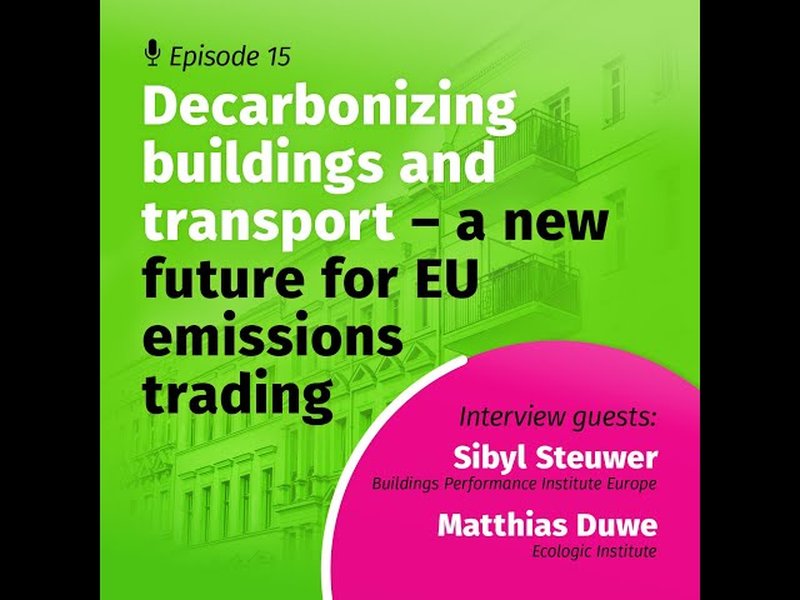
To complement the written overview, the following video provides additional insights into the EU ETS2, its mechanisms, and the expected socio-economic outcomes. This resource is highly beneficial to anyone seeking a visual and detailed introduction to the system.
Frequently Asked Questions
What is EU ETS2 and how does it differ from the original EU ETS?
EU ETS2 is an emissions trading system specifically designed for the buildings and road transport sectors. Unlike the original EU ETS which focused on larger industrial emitters, EU ETS2 extends the mechanism upstream by placing the responsibility on fuel suppliers. This ensures more comprehensive emissions monitoring and helps stimulate investments in cleaner technologies across sectors previously unregulated by the EU ETS.
What are the key targets and timelines for EU ETS2 implementation?
EU ETS2 aims to reduce greenhouse gas emissions in the targeted sectors by 42% by 2030, compared to 2005 levels. The monitoring and reporting phase is scheduled to begin in 2025, with the system becoming fully operational by 2027. These milestones allow for gradual adaptation and provide sufficient time for regulated entities to implement necessary monitoring and reporting frameworks.
How will the revenue from auctioned allowances be used?
Revenues from the auctioning of emission allowances under EU ETS2 are directed toward the Social Climate Fund. This fund is designed to support vulnerable households and small businesses, helping to mitigate the social impacts of evolving energy costs and ensuring a just transition to a low-carbon economy.
What challenges are anticipated with the transition to EU ETS2?
The transition to EU ETS2 presents several challenges, including the development and implementation of robust emissions monitoring and reporting systems, ensuring market liquidity, and maintaining transparency across the supply chain. Additionally, effective stakeholder coordination is required to manage potential economic disruptions while ensuring that social equity measures are successfully integrated into the operational framework.
References
- EU ETS2 Overview - ICAP Carbon Action
- EU ETS2 Details - European Commission
- Emissions Trading in Buildings & Transport - Emissions-EUETS
- EPA Ireland - EU ETS2 Information
- Analysis of EU ETS2 - Illuminem
Recommended Further Queries
Last updated March 31, 2025