
How Emergency Authorizations Revolutionize Vaccine Production in Crises
Unpacking the FDA's fast-track mechanism for getting vital vaccines made and distributed during public health emergencies.
Essential Insights
- Expedited Access: Emergency Use Authorizations (EUAs) allow the FDA to permit the use and production of unapproved vaccines during emergencies when benefits outweigh risks and no alternatives exist.
- Rigorous Oversight: Despite the speed, EUA involves careful review of safety, efficacy, and crucial manufacturing data, including quality control and production consistency, often involving expert advisory committees.
- Conditional & Temporary: EUAs are not full approval; they are temporary authorizations tied to the duration of the emergency declaration and require ongoing safety monitoring and data collection for eventual full approval (BLA).
Understanding Emergency Use Authorization (EUA)
What is an EUA and Why is it Crucial for Vaccines?
An Emergency Use Authorization (EUA) is a regulatory tool used by the U.S. Food and Drug Administration (FDA). It allows the agency to facilitate the availability and use of medical countermeasures, including vaccines, during declared public health emergencies, such as pandemics like COVID-19. The core purpose of an EUA is to provide faster access to potentially life-saving medical products when there are no adequate, approved, and available alternatives.
While less known to the public before 2020, EUAs became prominent during the COVID-19 pandemic, enabling the rapid deployment of vaccines, tests, and treatments. It's crucial to understand that an EUA is distinct from full FDA approval (Biologics License Application or BLA). While both processes involve rigorous scientific review, an EUA is granted based on the available evidence suggesting that the product *may* be effective and that its known and potential benefits outweigh its known and potential risks in the context of the emergency.
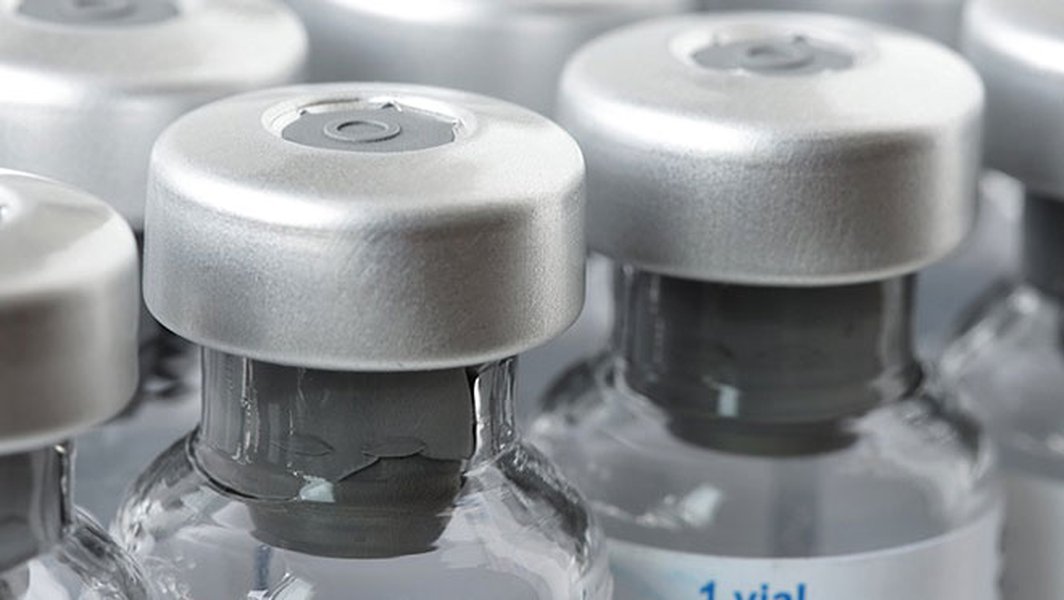
Vaccines undergoing quality checks before distribution.
The EUA Pathway for Vaccine Production
From Lab Bench to Large-Scale Manufacturing
The process for issuing an EUA for a vaccine involves several critical steps, with a significant focus on ensuring the safety, efficacy, and quality of the vaccine, including its manufacturing process.
Initial Data Submission and Review
Vaccine developers submit an application to the FDA containing available data from preclinical (laboratory and animal) studies and human clinical trials (Phases 1, 2, and often ongoing Phase 3). For an EUA, the FDA typically requires safety data from a substantial number of trial participants, often with at least two months of follow-up after vaccination for a significant portion of participants, to assess for common side effects.
Manufacturing and Quality Control Emphasis
A critical component of the EUA review is the assessment of manufacturing information. Manufacturers must provide detailed data on:
- Production Process: How the vaccine is consistently made, including raw materials, formulation, and purification steps.
- Quality Control Measures: Tests performed on each batch to ensure identity, purity, strength, and sterility.
- Facility Standards: Evidence that the production facilities meet required standards (like Good Manufacturing Practices - GMP), even if under expedited review conditions.
- Consistency: Data showing that different batches of the vaccine are consistent in quality.
- Scalability: Information on how production can be scaled up to meet emergency demands without compromising quality.
The FDA reviews this manufacturing data rigorously to ensure that the vaccine can be produced reliably and safely on a large scale. For updated vaccine formulations, such as the 2024-2025 COVID-19 vaccines targeting new variants, manufacturers submit data demonstrating that the updated product meets quality standards and can be produced using established, validated processes.

Advanced facilities are essential for rapid, large-scale vaccine production under EUA.
Advisory Committee Input and FDA Decision
The FDA often convenes its Vaccines and Related Biological Products Advisory Committee (VRBPAC), composed of independent scientific and public health experts. VRBPAC reviews the submitted data (safety, efficacy, manufacturing) in a public meeting, discusses the benefit-risk profile, and provides recommendations to the FDA. While the FDA considers the committee's advice, the final decision to grant or deny the EUA rests with the agency's career scientists and leadership.
Benefit-Risk Assessment in an Emergency Context
The FDA grants an EUA only if it determines that the known and potential benefits of the vaccine outweigh its known and potential risks, based on the totality of scientific evidence available at the time. This assessment inherently considers the severity of the public health emergency and the lack of alternative prevention options.
Post-Authorization Monitoring
Vaccine production and use do not stop being monitored after an EUA is granted. Manufacturers must continue ongoing clinical trials and submit further data as it becomes available. Robust post-authorization safety surveillance systems (like VAERS and V-safe during the COVID-19 pandemic) are used to monitor for any potential adverse events in the real world. The FDA and CDC continuously monitor this data. The EUA can be revised or revoked if new data suggests the risk-benefit balance has changed.
Visualizing the EUA Process for Vaccine Production
A Mindmap Overview
This mindmap illustrates the key stages involved in obtaining and managing an Emergency Use Authorization specifically focused on the production aspects of a vaccine during a public health crisis.
Comparing EUA and Full FDA Approval (BLA)
Speed vs. Comprehensive Long-Term Data
Understanding the distinctions between an EUA and a full Biologics License Application (BLA) is key to appreciating the role of EUAs in emergencies. While both pathways prioritize safety and efficacy, they differ in scope, data requirements, and timeline, especially concerning manufacturing oversight.
| Aspect | Emergency Use Authorization (EUA) | Full FDA Approval (BLA) |
|---|---|---|
| Purpose | Facilitate access during public health emergencies. | Standard pathway for approving biologics for market. |
| Legal Basis | Section 564 of the FD&C Act. Requires emergency declaration. | Public Health Service Act & 21 CFR 600-680. Standard review. |
| Duration | Temporary; lasts only for the duration of the emergency declaration unless revoked sooner. | Permanent approval, unless withdrawn for safety/efficacy reasons. |
| Evidence Standard | "May be effective"; Known and potential benefits outweigh known and potential risks. Based on totality of evidence available. | "Substantial evidence" of safety and effectiveness from adequate and well-controlled trials. |
| Data Requirements | Sufficient safety and efficacy data (can be interim Phase 3 data). Requires detailed manufacturing data. | More comprehensive and longer-term clinical trial data. Extensive manufacturing data and facility inspections. |
| Manufacturing Standards | Requires adherence to Good Manufacturing Practices (GMP); FDA reviews manufacturing process and controls rigorously but may allow more flexibility for rapid scaling. | Requires full compliance with current Good Manufacturing Practices (cGMP), often involving more extensive inspections and data review pre-approval. |
| Review Timeline | Expedited review, often weeks to months. | Standard review typically takes 10 months; priority review 6 months (can still be longer). |
| Post-Market | Requires ongoing monitoring, reporting, continued data submission. Often includes specific conditions of authorization. | Requires routine post-market safety monitoring and reporting; may include Phase 4 commitments. |
EUA vs. Full Approval: A Comparative Radar Chart
Balancing Speed and Rigor
This radar chart visually compares key attributes of the EUA pathway versus the Full Approval (BLA) pathway for vaccines. It highlights the trade-offs made during emergencies, emphasizing speed and rapid access (EUA) compared to the more extensive, longer-term data collection typical of full approval. Note that both processes maintain high standards for safety and manufacturing quality, but the timelines and depth of data differ significantly.
The Role of EUA in Public Health Emergencies
Enabling Rapid Response and Adaptation
The EUA mechanism is indispensable during public health crises for several reasons:
- Timeliness: It dramatically shortens the time needed to get effective vaccines to the public, which is critical for controlling outbreaks and saving lives.
- Manufacturing Acceleration: EUA allows vaccine production to scale up rapidly, sometimes even before final Phase 3 trial results are complete (at-risk manufacturing), ensuring doses are ready for distribution immediately upon authorization.
- Flexibility: The framework allows the FDA to adapt quickly to new information, such as emerging virus variants. EUAs can be amended to include new formulations (like the updated 2024-2025 COVID-19 vaccines), booster doses, or expanded age groups based on incoming data, without needing a full new BLA submission each time.
- Transparency: The process often involves public meetings of advisory committees, and requires manufacturers to provide clear Fact Sheets for recipients and healthcare providers, outlining known benefits, risks, and uncertainties.

EUAs facilitate the rapid scaling of vaccine manufacturing needed during pandemics.
Featured Video: Understanding EUAs
FDA Explanation of Emergency Use Authorization
This video from the U.S. Food and Drug Administration provides a clear and concise explanation of what an Emergency Use Authorization is, how it works, and its role in making medical products available during public health emergencies like the COVID-19 pandemic. Understanding the official perspective helps clarify the balance between speed and safety in the EUA process.
Frequently Asked Questions (FAQ)
Does EUA mean a vaccine is less safe or hasn't been tested properly?
No. While the timeline is expedited, vaccines authorized under EUA still undergo rigorous review of safety and efficacy data from clinical trials involving thousands of participants. The FDA requires significant safety follow-up (typically at least two months for half the participants) and robust manufacturing data. The decision is based on a benefit-risk assessment specific to the emergency context. Safety monitoring continues intensively after authorization.
How are manufacturing standards ensured under EUA?
Manufacturers must submit extensive data on their production process, quality control tests, facility standards (adhering to Good Manufacturing Practices - GMP), and batch consistency. The FDA reviews this data carefully to ensure the vaccine can be made safely and consistently at scale. While some flexibility might be allowed for speed, core quality standards must be met. Ongoing monitoring and lot testing continue post-authorization.
What happens to vaccine production under EUA once the emergency ends?
An EUA is temporary and linked to the declared public health emergency. When the declaration terminates, the EUA generally ceases to be in effect. For a vaccine to remain available, the manufacturer must have submitted and obtained full FDA approval (a Biologics License Application - BLA) based on more comprehensive, long-term data gathered during and after the EUA period.
Can EUAs be updated for new virus variants?
Yes, the EUA framework allows for flexibility. As seen with COVID-19 vaccines, EUAs can be amended to authorize updated formulations targeting new variants (like the 2024-2025 KP.2-targeting vaccines). Manufacturers submit data, including manufacturing information, nonclinical data, and sometimes additional clinical data, to support the update, allowing for rapid adaptation without requiring a completely new authorization process.
Recommended Reading
- What are the key differences between Emergency Use Authorization and full FDA approval for vaccines?
- How does the FDA ensure vaccine manufacturing quality control under an Emergency Use Authorization?
- What role do advisory committees like VRBPAC play in the vaccine EUA process?
- How are vaccines monitored for safety after receiving Emergency Use Authorization?
References
Last updated April 29, 2025