
Understanding a Eulogy
A Comprehensive Exploration of What a Eulogy Is and Its Significance
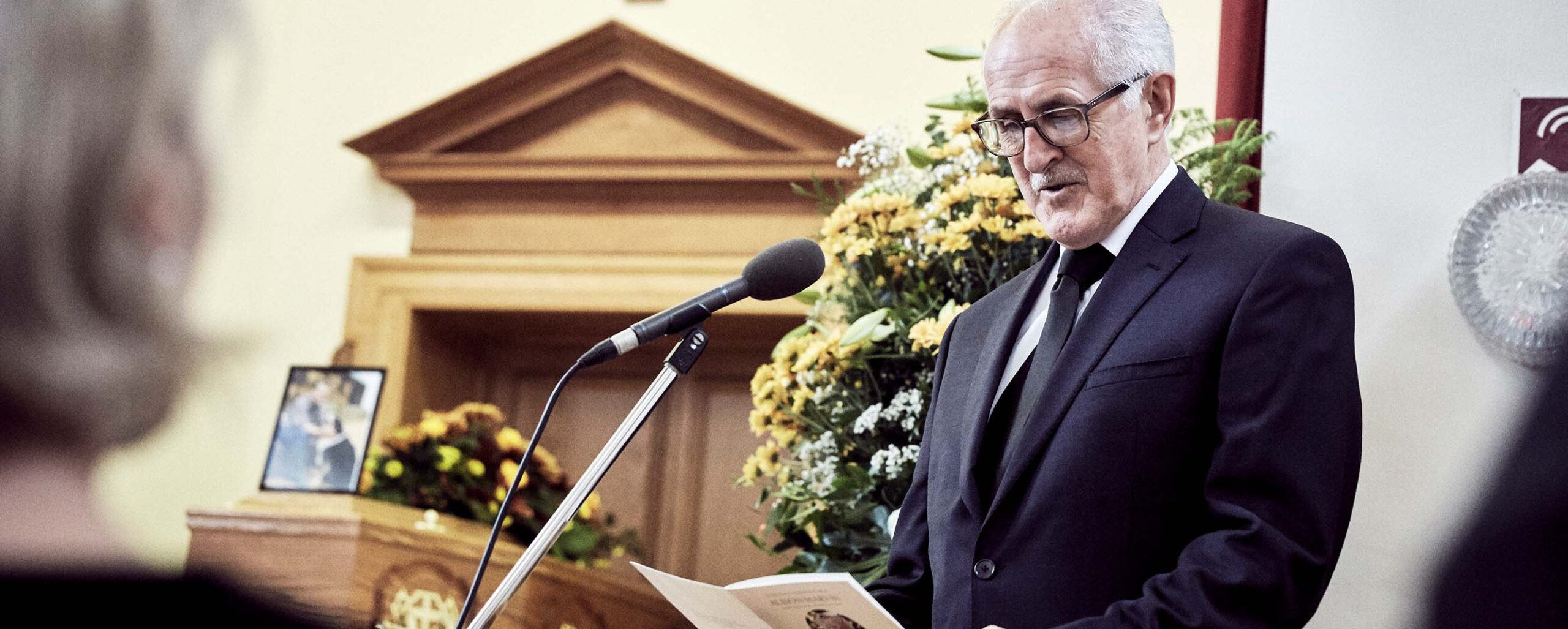
Key Highlights
- Definition: A eulogy is a heartfelt speech or written tribute that celebrates the life of a person who has passed away, emphasizing their virtues, achievements, and the lasting impact they had on others.
- Purpose: It serves not only as a tribute but also offers comfort and a sense of closure to grieving loved ones by sharing personal anecdotes and meaningful memories.
- Context and Delivery: Typically delivered at funerals, memorial services, or other commemorative occasions, eulogies can vary in style from biographical narratives to more sentimental reflections.
Introduction to Eulogies
The term “eulogy” originates from the Greek word "eulogia," which translates to "good words" or praise. Fundamentally, a eulogy is a speech or piece of writing that is created to honor the life and legacy of someone who has recently died. It is an essential part of many commemorative services, offering a platform for sharing memories, personal stories, and the qualities that made the individual unique. While “euology” is sometimes encountered as a misspelling, the correct term is “eulogy.”
Eulogies are significant in that they help to frame the narrative of the deceased person’s life, provide insight into their character, and reinforce the communal bonds of support among those who are in mourning. The careful balance between celebration and reflection inherent in a eulogy is aimed at fostering an environment where loss can be acknowledged while the finer details of a person’s journey are remembered.
Purpose and Importance of a Eulogy
Reflecting on Life Achievements and Impact
At its core, a eulogy is structured to celebrate the individual’s life by highlighting their distinct qualities, achievements, and the influence they had on others. The narrative typically encompasses:
Celebration of Life
Eulogies often recount the successes, hobbies, passions, and personal anecdotes that encapsulate who the person was. They provide a narrative that is both uplifting and consoling, drawing upon moments that defined the character and values of the individual. This celebration is not merely a recitation of events but a holistic portrayal that invites attendees to remember the loved one as they truly were.
Emotional Healing and Comfort
Loss is never easy to endure. A well-crafted eulogy can be a source of solace, acting as a communal reminder that the legacy of the deceased lives on through the memories and stories shared. In the midst of grief, eulogies help the mourners process their sorrow, find some comfort in reminiscences, and begin their journey towards healing. They provide a space where mourning and remembrance coexist thoughtfully.
Personal Anecdotes and Shared Memories
Integral to the eulogy is the inclusion of personal anecdotes that illustrate the character, quirks, and universal attributes of the individual. These stories are not only a way to personalize the tribute but also reinforce the connection between the deceased and those paying their respects. It’s through these shared memories that the essence of the person is captured, allowing others to see a clear picture of the life that was lived.
Structure and Style of a Eulogy
Crafting the Narrative
Writing or delivering a eulogy involves meticulous care. One must balance honesty with empathy, passion with respect, and humor with sorrow. Whether delivered orally or written as a lasting tribute, the eulogy is carefully structured to convey its true purpose:
Introduction
The introduction usually sets the stage by addressing the audience and explaining the relationship between the speaker and the deceased. It often includes an expression of gratitude for the opportunity to share the memories and provide comfort.
Body
The central part of the eulogy is the body, where the speaker recounts stories, accomplishments, and personal insights. This section is rich with memories that portray both the human vulnerabilities and the exceptional qualities of the person. A chronological or thematic arrangement of events is common—whether organizing the narrative along the major phases of the individual’s life or focusing on particular themes such as kindness, resilience, or generosity.
Conclusion
In the conclusion, the tone often shifts to encapsulate the overall sentiment of loss matched with gratitude. It may include a final farewell, an expression of continuous remembrance, and a call to cherish every moment. This closing segment ties the narrative together, affirming that although the physical presence is lost, the spirit and influence of the person remain enduringly alive.
Diverse Styles and Variations
There is no single template for a eulogy. Depending on cultural practices, religious beliefs, or the personality of the individual, the style can vary widely:
Biographical Eulogies
Many eulogies focus on giving a comprehensive overview of the person’s life. These include details about their early life, career accomplishments, family relationships, and the key milestones they achieved. The overall narrative tends to follow a more factual and chronological path.
Sentimental Eulogies
Other eulogies are deeply personal and reflective, highlighting intimate memories shared by the speaker. These eulogies are often filled with emotional recollections, gentle humor, and expressions of love that resonate with the audience on a deeply personal level.
Combination Eulogies
In some instances, speakers choose to blend both biographical and sentimental elements to offer a rounded perspective. Such eulogies incorporate factual recounting of life events along with poignant reflections on personal interactions, thus creating a balanced narrative that is both informative and emotionally impactful.
Contexts and Settings for Delivering a Eulogy
Traditional Ceremonies and Beyond
Although eulogies are most commonly associated with funerals and memorial services, their use is not confined to these settings alone. They have been adapted across various cultural and ceremonial contexts.
Funeral and Memorial Services
The primary setting for a eulogy is during the funeral or memorial service of the deceased. In these instances, speakers are often family members, close friends, or respected community figures who share an intimate understanding of the person’s life. The eulogy serves as both a tribute and an essential element of the mourning process, offering a narrative that supports the emotional journey of those in attendance.
Celebratory Occasions
In certain cultural or personal traditions, eulogies may sometimes be given for someone who is still alive, typically during significant milestones such as retirement celebrations, milestone birthdays, or other commemorative events. In these situations, the eulogy shifts from a farewell to a celebration of life and achievements, reaffirming the living legacy of the individual.
Formal vs. Informal Approaches
The tone of a eulogy can range from very formal to more informal and conversational, depending largely on the cultural backdrop and the preferences of those involved. For instance, in some cultures, a highly ritualized and structured eulogy is the norm, whereas in others, the approach might be more spontaneous, personal, and even lightly humorous. Regardless of the approach, the underlying objective remains the same: to honor the memory and impact of the individual in a sincere and respectful manner.
Key Elements of a Well-Crafted Eulogy
Understanding the key elements that make a eulogy powerful can assist anyone who is tasked with creating one. The following table summarizes the primary components of a eulogy along with their purposes:
| Component | Description | Purpose |
|---|---|---|
| Introduction | Opening remarks, context, and relationship to the deceased | Establish rapport with the audience and set the tone |
| Personal Anecdotes | Stories and memories highlighting the unique qualities of the person | Personalize the tribute and evoke shared memories |
| Reflection on Achievements | Overview of life milestones, accomplishments, and contributions | Celebrate and document the life’s journey |
| Emotional Insight | Expressions of love, respect, and the emotional impact of the loss | Provide comfort and facilitate healing among the bereaved |
| Conclusion | Final farewell, summary of key messages, and a call to remember | Bring the narrative to a heartfelt close and offer a sense of closure |
The careful incorporation of these components ensures that the eulogy not only pays the utmost respect to the deceased but also provides a deep, reflective experience for everyone present.
Considerations When Writing and Delivering a Eulogy
Personalization and Authenticity
At the heart of any eulogy is authenticity. Whether you are writing your own tribute or delivering it orally, the personal element plays a critical role. Here are several important tips to consider:
Know Your Audience
Keep in mind the audience for whom the eulogy is intended. The tone, style, and language should resonate with those present, who often include family members, friends, and colleagues. A successful eulogy strikes a balance between personal reflection and communal relevance.
Emphasize Stories and Memories
Focus on specific anecdotes and shared experiences that highlight the uniqueness of the departed. These stories serve to illustrate the qualities that defined the person, making their life’s narrative vivid and relatable. The more heartfelt and genuine the stories, the more powerful the tribute will be.
Moderate Length and Pace
Eulogies generally last between three to ten minutes, though there is flexibility depending on the context. It is important to practice the speech beforehand to ensure a steady pace that allows each cherished memory and reflection to resonate with the audience.
Incorporate Your Emotions
Allow yourself to express genuine emotions in your delivery. A conversation that feels authentic is likely to connect more deeply with your audience, conveying both the weight of loss and the celebration of a life well-lived.
Logistical and Cultural Considerations
When preparing a eulogy, it is also important to consider certain logistical and cultural elements:
Consulting with Family or Ceremony Coordinators
Before finalizing your eulogy, it is advisable to check with close family or officials leading the service. This ensures that the content, tone, and length adhere to any established guidelines or cultural expectations for the event.
Respecting Cultural Norms
Cultural and religious contexts can greatly influence how a eulogy is framed. Certain communities may prefer a more reserved and solemn expression while others might embrace a narrative filled with lively storytelling and celebration. Tailor your approach accordingly, ensuring that the tribute is both respectful and appropriate for the setting.
Navigating Common Misconceptions
Clarifying Terminology and Function
It is not uncommon for terms associated with commemorative speeches to be conflated or misspelled. One such example is the occasional mix-up between “eulogy” and “euology.” It is important to note that “eulogy” is the correct term used to describe a tribute delivered at a funeral or a celebratory event.
Furthermore, a eulogy is often confused with related terms such as "elegy" and "obituary." While these forms of tribute share a common purpose of remembrance, they differ significantly:
Eulogy vs. Elegy
An elegy is generally a poem or a song written in mourning, which often encapsulates sorrow and loss, whereas a eulogy is a narrative speech or writing that predominantly celebrates the life and contributions of the deceased. The emphasis of a eulogy is on the positive reverberations of the life lived, while an elegy mourns the loss through reflective lyrical expression.
Eulogy vs. Obituary
An obituary is a written biography of the deceased that is typically published in newspapers or online. Unlike a eulogy, an obituary often focuses on factual details such as birth and death dates, professional accomplishments, and familial ties. It serves as a public record rather than as a personal tribute delivered in a ceremonial setting.
Balancing Tribute and Grief
Crafting a eulogy requires a careful balance between honoring the past and acknowledging the pain of loss. The speaker must strike a tone that is both celebratory and sensitive. This balance is achieved by carefully selecting memorable anecdotes, harmonizing factual recounting with emotional reflections, and striking a pace that allows the audience to both remember and grieve.
Practical Tips for Delivering an Impactful Eulogy
Preparation and Practice
Delivering a eulogy involves more than simply reading a prepared text; it is about conveying emotion and honoring a treasured life. Consider these practical tips:
Write with the Heart
Your personal connection to the deceased will shine through if you write from the heart. Avoid excessive formality; instead, focus on capturing the authentic stories and emotions you associate with the loved one.
Rehearse Thoroughly
Practice reading your eulogy aloud several times prior to the event. This helps you to manage your emotions, adjust the pacing, and ensure that the transitions within your speech feel natural and engaging. Having a rehearsal also allows you to make necessary revisions to strengthen the narrative flow.
Use Prompts and Notes
If the emotions of the moment feel overwhelming, having discreet notes or prompts can be very useful. This does not detract from the authenticity of the speech but rather supports you in delivering your tribute with clarity and continuity.
Consider a Backup Plan
Sometimes technical issues or unexpected circumstances may arise. It is helpful to have a printed copy of your speech, or even have someone who is familiar with your narrative in attendance, to support you if needed.
Crafting Your Unique Tribute
Integrating Personal and Universal Narratives
A truly effective eulogy is one that not only encapsulates the unique aspects of the departed but also reaches out to the common experiences shared by all who attend. The eulogy functions as an intersection between personal memory and collective grief, where:
Personal Elements
These include individualized stories, personal expressions of admiration, and unique memories that highlight the character and specific contributions of the person. These elements provide texture and depth to the narrative.
Universal Themes
Themes such as love, loss, resilience, and the celebration of life are universal. When interwoven with personal anecdotes, these elements allow the tribute to resonate deeply with a broader audience, facilitating a shared understanding of life's transient beauty.
Balancing Formality and Warmth
Another important factor is striking a balance between formality and intimacy. A eulogy should maintain a respectful tone appropriate for the solemnity of the occasion while also allowing moments of warmth, humor, or even light-heartedness where appropriate. This balance reassures the audience that while the loss is profound, the celebration of life is equally significant.
The Legacy of a Eulogy
Enduring Impact and Remembrance
Long after the service has concluded, the words of a heartfelt eulogy retain the power to inspire and console. They serve as a permanent reminder of a life led with passion, integrity, and kindness. Eulogies can reinforce the idea that although the physical presence of a loved one may fade, their legacy lives on through the memories preserved and shared in these tributes.
The enduring impact of a well-delivered eulogy is seen not only in the immediate circle of family and friends but also as a cherished account that may be revisited in quieter moments of reflection. Moreover, in many cultures, these tributes become historical narratives that help define community values and family traditions for generations to come.
Additional Considerations for Specific Circumstances
Special Circumstances and Adaptations
While the central theme of a eulogy is consistent across various traditions, there are circumstances where specific adaptations might be necessary:
Age and Generational Differences
If a eulogy is to be delivered by someone from a younger generation, the narrative may incorporate perspectives that differ from the traditional tone. In such cases, a reflective yet sincere expression of admiration for the older generation’s wisdom and legacy can bridge generational gaps, ensuring that the tribute remains both relevant and accessible.
Cultural Variations
In multicultural settings, it might be necessary to integrate elements from various traditions or languages to honor the full spectrum of the life being celebrated. This could include references to cultural rituals, proverbs, or symbolic imagery that enhances the connection between the tribute and the diverse audience.
Non-Traditional Tributes
Occasionally, eulogies are given during events that are more celebratory than mournful. In such instances, the narrative may focus on broad reflections of life’s beauty, artistic expressions, and humorous reminiscences that embody the spirit of the individual rather than focusing solely on mourning their loss.
Conclusion
A eulogy is far more than a mere recitation of life events—it is a crafted narrative that encapsulates the essence, virtues, and lasting influence of an individual who has left an indelible mark on the lives of others. By weaving together personal anecdotes, biographical details, and universal themes, a well-crafted eulogy offers both justice to the memory of the deceased and solace to those who are grieving.
Whether delivered in the intimate setting of a family gathering or on the broader stage of a community memorial, the message remains constant: to celebrate a life, to honor personal legacies, and to provide a structured space for healing. Through careful preparation, empathy, and thoughtful reflection, a eulogy becomes an enduring tribute—a narrative that lives on, offering inspiration and comfort long after the final words are spoken.
References
- How to Write a Eulogy (with Examples) - Legacy.com
- How to Write a Eulogy - White Lady Funerals
- What is a Eulogy - Williams Funeral Home of Quincy
- Eulogy - Wikipedia
- EULOGY Definition & Meaning - Dictionary.com
- Eulogy Definition & Meaning - Merriam-Webster
- EULOGY | definition in the Cambridge English Dictionary
- Eulogy - Definition, Meaning & Synonyms - Vocabulary.com
Recommended Queries
Last updated February 20, 2025