
European Union Training Mission in Somalia (EUTM Somalia)
An In-depth Exploration of Mission Objectives, Mandates, and Impact
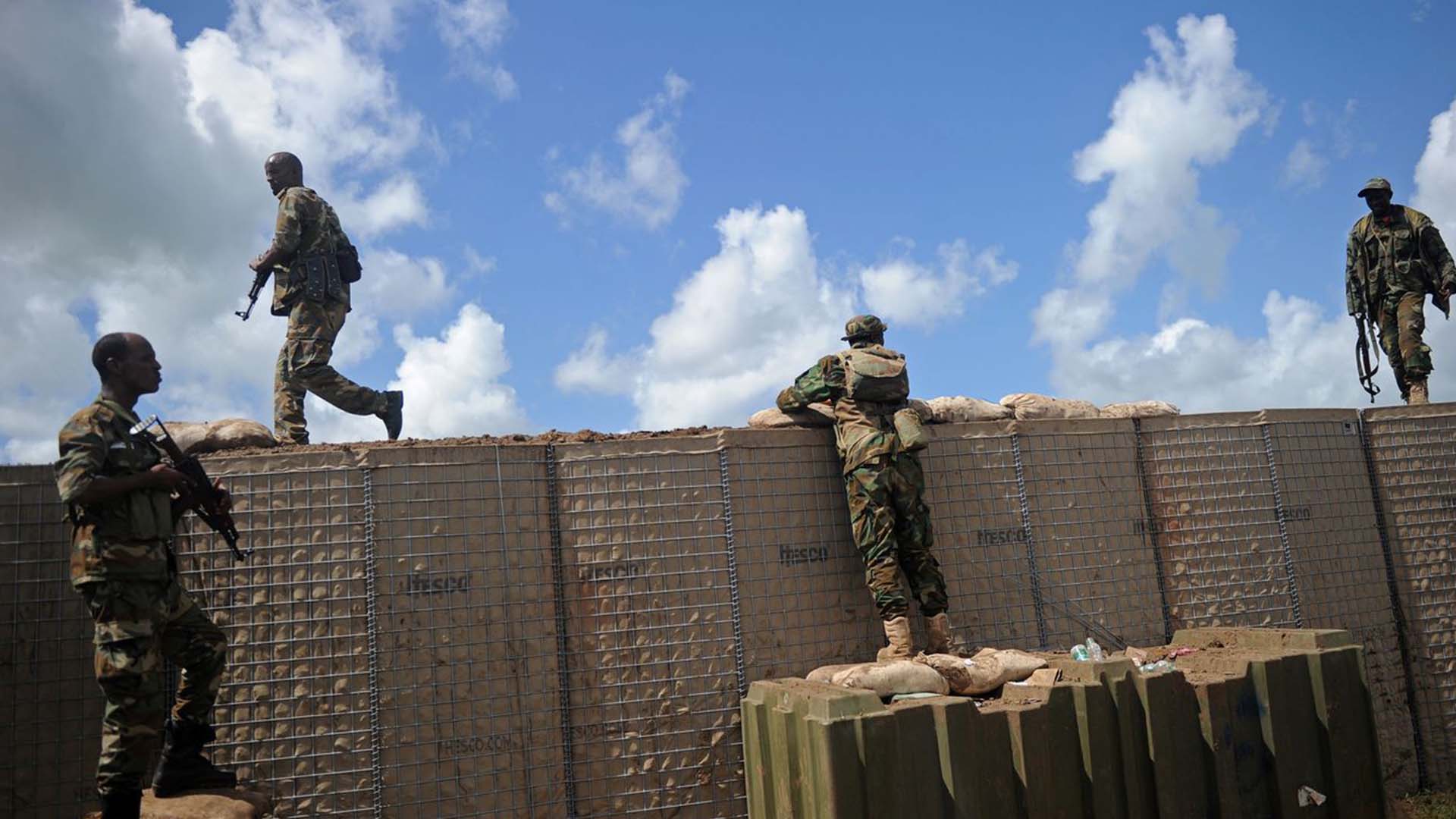
Key Highlights
- Mission Objectives: Training, mentoring, and strategic advice to enhance Somali security forces.
- Mandate Extensions: Renewed several times, with current extensions lasting until February 28, 2027.
- International Partnerships: Coordination with EU missions, ATMIS, and other international stakeholders.
Introduction to EUTM Somalia
Launched on April 7, 2010, the European Union Training Mission in Somalia (EUTM Somalia) is a military operation established by the European Union with the aim of bolstering the Somali Security Forces (SSF) and enhancing the capability and accountability of Somalia’s defense institutions. Over the years, the mission has played a crucial role in widening the strategic capabilities of the Somali National Armed Forces (SNAF) by focusing on capacity building through comprehensive training initiatives, mentoring programs, and providing strategic advice to national defense actors.
Originally initiated as a mechanism to support security sector reform in Somalia, EUTM Somalia has adapted its methods to meet the evolving security challenges and practical needs within the region. The mission has placed a significant emphasis on ensuring that Somali institutions can independently maintain and promote security throughout the nation, leading to multiple mandate extensions and operational adjustments.
Foundational Pillars and Strategic Approach
Training, Mentoring, and Advisory Services
One of the foundational pillars of EUTM Somalia is its comprehensive training program which is designed to equip Somali forces with the necessary tactical and operational skills. This training does not simply occur in isolated sessions but is embedded within a broader framework that also includes mentoring and strategic advisory components.
Training Initiatives
From its inception, EUTM Somalia has provided extensive military training by developing training curricula appropriate for the dynamic environment in Somalia. The training is aimed at improving the operational effectiveness of the military personnel, with particular attention given to developing self-sufficiency among local forces.
Mentoring Programs
The mission’s mentoring sessions are designed for the leadership within Somali forces. By pairing experienced military advisors with emerging leaders, the program helps to disseminate best practices and strategic insights. This mentoring component fosters an environment where Somali officers develop stronger, more accountable leadership essential for future operational autonomy.
Strategic Advisory Services
In addition to hands-on training and mentoring, EUTM Somalia is tasked with advising the Ministry of Defence and relevant national security institutions. This advisory role involves guidance on strategic planning, policymaking, and overall security sector reforms. By influencing policy, the mission contributes both at an operational and strategic level, ensuring that training methods and institutional developments align with Somalia's broader security goals.
Mandate Extensions and Evolving Operations
As the security environment in Somalia continues to evolve, so too has the mandate of EUTM Somalia. The mission has undergone several extensions, attesting to its importance in the region and the ongoing challenges faced by Somali security institutions. Recently, the European Council extended the mandate of both EUTM Somalia and related operations such as EUNAVFOR Operation ATALANTA until February 28, 2027.
The mandate extensions underscore the necessity for sustained international support to ensure the long-term stability and effectiveness of the Somali security apparatus. EUTM Somalia’s operations have shifted focus from primarily conducting training outside Somalia to a more localized approach, with significant activities now based in Mogadishu. This ensures that training methods remain grounded in the contextual realities of local conditions and challenges.
International Collaboration and Partnerships
Collaboration with other international missions and organizations is a keystone of the mission’s approach. EUTM Somalia works closely with partners such as EUCAP Somalia, EUNAVFOR Operation ATALANTA, and the African Union Mission in Somalia (ATMIS). These collaborations have provided a holistic support mechanism that integrates maritime security, capacity building, and direct on-ground military training.
Coordination with Multilateral Missions
The integration of EUTM Somalia’s efforts with those of other international entities has yielded several benefits:
- Complementary Expertise: Different missions bring varied military and strategic expertise, which when combined, enhance the overall training and operational effectiveness of Somali forces.
- Resource Sharing: Coordination leads to shared resources—ranging from equipment and training materials to advanced operational insights—which is critical for successful capacity building in a challenging operational environment.
- Strategic Alignment: Partnerships ensure that Somali state security efforts are aligned with international standards and obligations, fostering greater accountability and sustainability of local institutions.
These synergies not only contribute to the immediate military capabilities of Syrian security forces but also lay the groundwork for long-term strategic autonomy within Somalia.
Impact on Secure Regional Stability
The success of EUTM Somalia hinges on its measurable impact on the stability and security of Somalia. The mission’s interventions have shown commendable progress in building a more robust and accountable security infrastructure. Key indicators of positive impact include:
Strengthening of National Defense Institutions
By enhancing the tactical proficiency and strategic insight of the Somali National Armed Forces, EUTM Somalia strives to ensure that the forces remain adequately prepared to counter internal and external threats. The training solutions and advisory inputs have translated into more resilient military structures, increasing their ability to operate independently.
Enhancing Accountability and Governance
A core focus of the mission is cultivating transparency and accountability within the defense sector. By mentoring and advising on policy formulation, the mission has contributed to instituting checks and balances that are crucial in preventing misuse of power and resources.
Incremental Capacity Building
Incremental improvements in military capacity are evident in the regular skill upgrades observed among Somali forces. The establishment of training bases, such as the General Daghabadan Training Center near Mogadishu, epitomizes the ongoing commitment to localized capacity building.
Comprehensive Overview Table
| Aspect | Description |
|---|---|
| Launch Date | April 7, 2010 |
| Main Objectives | Training, mentoring, and strategic advice to Somali security forces |
| Mandate Extension | Extended until February 28, 2027 |
| Primary Location | Mogadishu, Somalia |
| Key Partners | EUCAP Somalia, EUNAVFOR ATALANTA, ATMIS |
| Core Benefits | Enhanced operational skills, improved security sector accountability, strategic policy guidance |
Operational Strategies and Processes
The operational methodology of EUTM Somalia is based on a tailored strategy that reflects the unique challenges faced in Somalia. The approaches are crafted to be flexible and responsive to on-ground realities:
Localized Training
Recognizing the challenges of operating in a volatile security environment, EUTM Somalia prioritizes localized training. Moving training operations to Mogadishu in 2015, from earlier locations outside Somalia, has allowed the mission to closely monitor progress and adapt training regimens to meet situational demands.
Decentralized Approach
A decentralized operation model is central to the mission’s strength. By dismantling traditional centralized training models, the mission addresses specific local needs and regional security concerns more effectively, resulting in a more inclusive and contextually relevant defense training process.
Integration with Policy and Reform
Beyond the tactical aspects, the mission actively supports structural reforms within Somalia’s security administration. It provides strategic advice to improve military doctrine and civil-military relations, ensuring that Somali forces not only respond to immediate threats but also evolve into a reliable and accountable institution.
Challenges and Future Perspectives
Despite the many successes observed, EUTM Somalia faces a myriad of challenges that require continuous attention. The security environment in Somalia is complex, with persistent threats posed by insurgent groups and the ever-present risk of regional instability. Adapting to these challenges involves constant reassessment of training priorities and resource allocation.
Future perspectives for EUTM Somalia include expanded roles in areas such as maritime security. The 9th Mandate explicitly mentions contributions toward the development of the Somali Navy and Coast Guard, indicating a broader strategic vision to secure all domains of Somalia’s territorial integrity.
Furthermore, the gradual transition of security responsibilities from international missions to local authorities remains a long-term goal. This transition is complex and requires sustained political commitment both locally and internationally to ensure that the Somali security forces can operate autonomously.
References
- Horn of Africa and Somalia Operation - European Council
- European Union Training Mission Somalia - EEAS
- EUTM Somalia Official Site - EUTM Somalia
- European Parliament Documentation - Europarl
- Wikipedia - European Union Training Mission in Somalia
Recommended Related Queries
Last updated March 17, 2025