
Electric Vehicles: The Hidden Costs Complicating Our Future?
Beyond the hype: Unpacking the environmental, economic, and practical challenges of the EV transition within global supply chains.
The automotive industry is amidst a seismic shift, driven largely by the rise of electric vehicles (EVs) and the integration of Artificial Intelligence (AI) into manufacturing and logistics. While often presented as a panacea for environmental woes and a leap towards sustainable transport, a closer examination reveals a more complex and often contradictory reality. This review delves into the less-discussed aspects of the EV revolution, focusing on arguments and evidence suggesting that EVs might complicate daily life, introduce new forms of pollution, and create significant friction within global business dynamics, particularly concerning automotive supply chains.
Key Challenges Highlighted
- Environmental Trade-offs: Contrary to the "zero emissions" narrative, significant pollution stems from EV manufacturing (especially batteries) and non-exhaust sources like tire and brake wear.
- Reliability and Practicality Issues: Owners report higher problem rates with EVs compared to traditional cars, coupled with persistent challenges around charging infrastructure availability and range anxiety.
- Economic and Geopolitical Hurdles: High upfront costs, supply chain vulnerabilities (especially concerning rare earth metals), and geopolitical factors like tariffs significantly impact EV affordability and adoption.
Unpacking the Environmental Footprint: Beyond the Tailpipe
The Manufacturing Conundrum
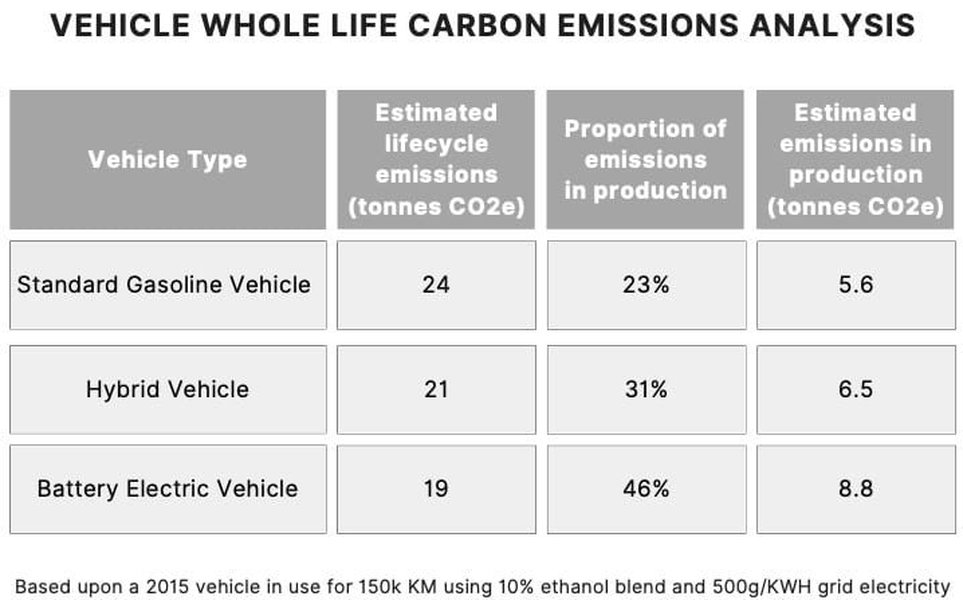
One of the most significant counterarguments to the green image of EVs lies in their production phase. The manufacturing process, particularly for the large lithium-ion batteries essential to EVs, is energy-intensive and relies heavily on the extraction of raw materials like lithium, cobalt, nickel, and manganese. This process often carries a substantial carbon footprint, potentially offsetting the emissions savings achieved during the vehicle's operational life.
Lifecycle Emissions Analysis
Studies, including analyses referenced by the US Environmental Protection Agency (EPA), highlight that a significant portion (sometimes nearly half) of an EV's total lifecycle emissions can be attributed to its manufacturing phase [1, 2]. This is especially true in regions where the electricity grid relies heavily on fossil fuels. If the energy used to build the car and charge it comes from coal or natural gas, the overall environmental benefit diminishes significantly. Some reports even suggest that building an EV battery factory can necessitate increased fossil fuel power generation locally, further complicating the sustainability equation [27].

The Resource Extraction Dilemma
The demand for battery materials fuels mining operations worldwide, often in countries with less stringent environmental and labor regulations. The extraction processes can lead to habitat destruction, water pollution, and social conflicts. Furthermore, the concentration of these resources in specific geopolitical regions (like China's dominance in rare earth processing) creates supply chain vulnerabilities and dependencies, adding another layer of complexity to global business dynamics [25, Answer D].
The Pollution You Don't See: Non-Exhaust Emissions
While EVs eliminate tailpipe emissions like nitrogen oxides and carbon dioxide, they contribute significantly to another form of air pollution: particulate matter (PM2.5 and PM10) from non-exhaust sources. Because EVs are generally heavier than their internal combustion engine (ICE) counterparts due to their large batteries, they tend to cause greater wear on tires and brakes.

Tire and Brake Wear Particles
Research indicates that tire wear particles can be a major source of microplastic pollution, and brake wear contributes metallic particulates to the air [3, 6]. Some studies suggest that the particulate matter emissions from heavier EVs' tire and brake wear could potentially exceed the exhaust particulate emissions from modern ICE vehicles equipped with particle filters [17, 21]. This challenges the notion that EVs are a straightforward solution to urban air quality problems.
Complicating Daily Life: Reliability, Infrastructure, and Cost
Reliability Concerns Mount
Recent studies, notably from Consumer Reports, have indicated that newer EVs tend to experience significantly more problems than conventional gasoline-powered cars [4, 9, 10]. While some issues stem from the newness of the technology and complex electronic systems unrelated to the electric powertrain itself (like infotainment or climate control), problems with batteries and charging systems are frequently reported by owners.
Video: Why is EV Reliability So Bad?
This video from Consumer Reports delves into their findings regarding EV reliability based on owner surveys. It highlights common trouble spots and discusses why newer technologies often face initial reliability hurdles. Understanding these issues is crucial for potential buyers and for manufacturers aiming to improve long-term dependability, which directly impacts consumer trust and the overall transformation of the automotive market.
These reliability concerns can translate into higher repair costs, more frequent visits to service centers, and general inconvenience, complicating the ownership experience compared to the familiarity and established service networks of ICE vehicles.
The Charging Challenge
Despite ongoing investment, the public charging infrastructure for EVs remains a significant barrier to widespread adoption, especially outside major urban centers and along less-traveled routes [5]. This leads to "range anxiety" – the fear that an EV has insufficient energy storage to cover the road distance needed.

Infrastructure Gaps and Inconvenience
Finding available and functional charging stations, dealing with varying charging speeds and connector types, and the time required for charging (compared to refueling a gasoline car) add layers of complexity to travel planning and daily use. Issues like long queues at charging stations, especially during peak travel times or in areas with high EV concentration, further exacerbate the problem [Answer D, media 8]. Extreme weather conditions, particularly cold temperatures, can also significantly reduce battery range and increase charging times, creating further complications [media 10].
The Economic Equation
EVs generally have a higher purchase price than comparable ICE vehicles, although government incentives can partially offset this [8]. While proponents argue that lower running costs (electricity vs. gasoline, reduced maintenance) lead to savings over time, the initial financial barrier remains substantial for many consumers.
Upfront Costs and Geopolitical Impacts
Furthermore, geopolitical factors can significantly influence EV costs. Tariffs imposed on imported vehicles or critical components, such as batteries primarily manufactured in China, can drive up prices. For example, tariffs implemented or proposed during periods like the Trump administration can directly impact the affordability of EVs and potentially slow down climate goals by making electric trucks and buses more expensive [Answer A, Answer C]. This highlights how trade policies intertwine with environmental objectives and complicate the global automotive supply chain.
Visualizing EV Challenges
Radar Chart: Key Areas of Concern
The following chart provides a visual representation of the perceived severity of various challenges associated with electric vehicles, based on the arguments presented in this review. The scores are opinionated assessments reflecting the current state of concerns regarding environmental impact, cost, user experience, and infrastructure limitations.
This visualization underscores that while some challenges like infrastructure might be mitigated by AI-driven optimization, fundamental issues related to manufacturing, materials, and reliability present persistent hurdles in the transition envisioned by the thesis "Transforming Automotive Supply Chain: The Impact of Electric Vehicles and AI on Global Business Dynamics".
Mapping the Complexities: EV Challenges and Supply Chain Interconnections
Mindmap: Interconnected Issues in EV Adoption
The following mindmap illustrates the interconnected nature of the challenges discussed. Environmental concerns are linked to manufacturing and resource extraction, which in turn affect costs and are influenced by geopolitical factors. User experience issues like reliability and charging are intertwined with infrastructure development and economic viability. AI's role, while potentially offering solutions, also interacts with these complex dynamics, particularly within the supply chain.
This map visually reinforces how addressing one challenge often requires considering its ripple effects across multiple domains, highlighting the systemic complexity facing the automotive industry's transformation.
Summary Table: Arguments Against Uncritical EV Adoption
Key Concerns and Supporting Evidence
This table summarizes the primary arguments discussed in this review, pointing to the types of evidence or sources that underpin these concerns.
| Area of Concern | Specific Issue | Supporting Arguments / Evidence Sources |
|---|---|---|
| Environmental Impact | High Manufacturing Emissions | Lifecycle assessments (LCA) studies, EPA data, reports on battery production energy intensity [1, 2, 25] |
| Environmental Impact | Non-Exhaust Pollution | Studies on tire/brake wear particulates, reports on EV weight impact [3, 6, 17, 21] |
| Environmental Impact | Resource Extraction & Disposal | Reports on mining impacts (lithium, cobalt), battery recycling challenges [7, 25, Answer D] |
| Reliability & Usage | Higher Problem Rates | Consumer Reports reliability surveys, owner forums, news articles [4, 9, 10, Answer A, Answer B] |
| Reliability & Usage | Charging Infrastructure | Dept. of Transportation reports, user accounts, geographical analysis of charger availability [5, 8, Answer B] |
| Reliability & Usage | Range & Weather Impact | Real-world range tests, studies on battery performance in cold/hot weather [media 10] |
| Economic Factors | High Purchase Price | Market price comparisons, economic analyses [8, Answer C, Answer D] |
| Geopolitical Factors | Supply Chain Risks | Analysis of material sourcing concentration (China), reports on geopolitical tensions [25, Answer B, Answer D] |
| Geopolitical Factors | Impact of Tariffs | News reports on trade policies (e.g., Trump tariffs), analysis of impact on EV costs [Answer A, Answer B, Answer C] |
This table serves as a quick reference to the multifaceted challenges that complicate the narrative of EVs as a simple solution, highlighting areas requiring further research, technological development, and careful policy consideration within the context of transforming global automotive supply chains.
Frequently Asked Questions (FAQ)
Are EVs really worse for the environment than gas cars?
It's complicated. While EVs have zero tailpipe emissions during operation, their overall environmental impact depends heavily on factors like battery manufacturing emissions, the source of electricity used for charging, and non-exhaust emissions from tire/brake wear. In regions with clean energy grids, EVs generally have a lower lifecycle carbon footprint. However, the manufacturing phase, particularly battery production, has a significant upfront environmental cost involving resource extraction and energy use. Furthermore, non-exhaust particulate matter emissions can be higher due to the heavier weight of EVs.
Are electric cars less reliable?
Recent data, particularly from organizations like Consumer Reports, suggests that newer electric vehicles (often within the first few model years) tend to have higher reported problem rates compared to traditional gasoline-powered vehicles. Common issues often involve battery systems, charging mechanisms, and complex electronic features rather than the electric motors themselves, which are generally simpler and more durable than internal combustion engines. However, as the technology matures, reliability is expected to improve.
How do tariffs, like those associated with Trump, affect EVs?
Tariffs on imported goods, including fully assembled EVs or critical components like batteries (many of which are sourced from or processed in China), can significantly increase the final cost of electric vehicles for consumers. This can make EVs less competitive compared to gasoline cars, potentially slowing down adoption rates and hindering climate goals. Such tariffs create friction in global supply chains, forcing manufacturers to potentially seek alternative, possibly more expensive, sourcing options or pass the increased costs onto buyers, impacting global business dynamics.
Is the charging infrastructure adequate for mass EV adoption?
Currently, while improving, the public charging infrastructure is often cited as a major barrier to widespread EV adoption. Challenges include insufficient coverage (especially in rural areas and apartment complexes), variability in charging speeds and connector types, charger reliability (stations being out of order), and the time required to charge compared to refueling a gasoline vehicle. Addressing these infrastructure gaps is crucial for reducing range anxiety and making EV ownership more convenient and practical for everyone.
References
Cited Sources and Further Reading
- Electric Vehicle Myths - US EPA
- When buying an EV increases your carbon footprint - Harvard Gazette
- Electric vehicles also cause air pollution - The Economist
- How Electric Car, Plug-In Hybrid, Hybrid Reliability Compare - Consumer Reports
-
Implementation Challenges and Evolving Solutions for Rural Electric Vehicle Charging Infrastructure - Transportation.gov
- The Problem with Electric Vehicles - Cepr.net
- Another victim of Trump’s tariffs: California’s electric vehicle ambitions - MSN Money
- Electric cars have more problems, but not because they’re electric - CNN Business
- The Environmental Impact of Battery Production for EVs - Earth.Org
- Gravitas | Electric cars causing more pollution than gasoline... - WION (YouTube)
Recommended Reading
Explore Related Topics
Last updated April 13, 2025