
Powering Progress: Is EV Charging Truly Practical in Trinidad and Tobago Today?
Exploring the current landscape, challenges, and future of electric vehicle charging infrastructure in the twin-island nation.
As Trinidad and Tobago embraces sustainable transportation, the practicality of electric vehicle (EV) charging is a critical question for potential and current EV owners. The transition involves developing a robust charging network, navigating regulatory frameworks, and encouraging adoption through various initiatives. This report delves into the specifics of EV charging availability, accessibility, types of chargers, key players, and the overall user experience as of April 16, 2025.
Key Highlights: EV Charging in Trinidad & Tobago
- Growing Infrastructure: Public and private charging stations are increasingly available, particularly in urban centers and commercial hubs, though coverage remains uneven.
- Diverse Initiatives: Government bodies (like T&TEC and the Ministry of Public Utilities) and private companies (such as EVCOTT, Massy, Unipet) are actively installing chargers and developing support systems.
- Accessibility & Technology: While Level 2 chargers are common, Level 3 fast chargers are less widespread. Mobile apps are emerging to help users locate and pay for charging.
The Current State of EV Charging Infrastructure
Mapping Out the Network: Where Can You Charge?
Trinidad and Tobago has seen a notable expansion in its EV charging infrastructure, though it's still in the developing stages compared to more mature markets. Charging stations are primarily concentrated in high-density urban and commercial areas, reflecting a strategic rollout to serve the highest initial demand.
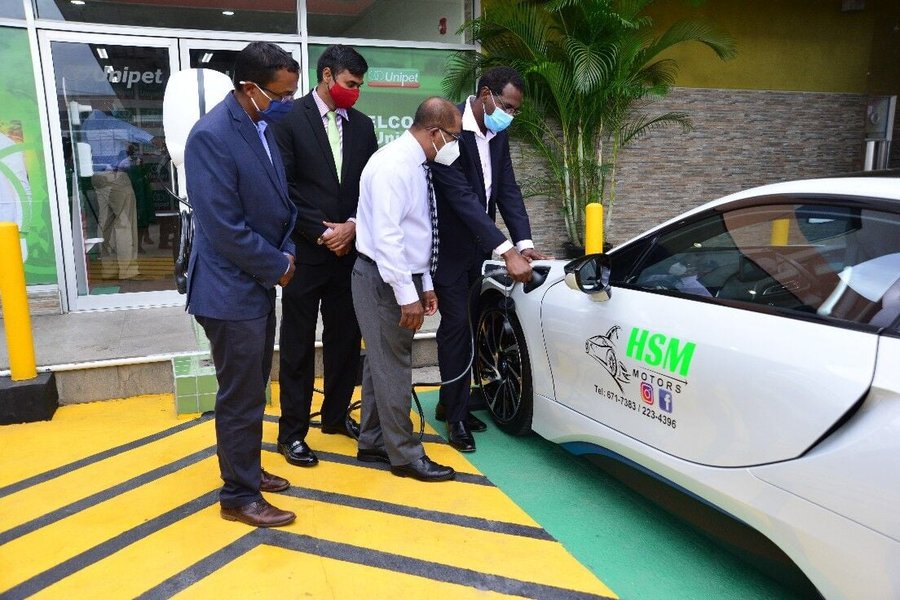
An EV charging station being inaugurated at Brentwood Mall, signifying private sector investment in public charging infrastructure.
Key Public and Semi-Public Charging Locations
Several accessible charging points have been established across Trinidad. While not exhaustive, known locations include:
- Commercial Hubs: Brentwood Mall, Piarco Plaza, Queen's Hall.
- Retail Outlets: Massy Stores (Brentwood), NP Service Stations (e.g., Couva Overpass).
- Hospitality: Hilton Trinidad & Tobago (Port of Spain).
- Automotive Dealerships: Massy Motors (Arima, Morvant), Lifestyle Motors, Porsche Centre (Hilton Car Park).
- Educational Institutions: The University of the West Indies (UWI), St. Augustine Campus.
- Other Locations: Jenny's on the Boulevard.
It's important to note that accessibility might vary; some stations may be brand-specific (like Porsche) or primarily for customers/employees (like Nutrien's Trinidad Nitrogen site). Tobago currently has significantly fewer public charging options compared to Trinidad.

The University of the West Indies (UWI) launched its first EV charging station, promoting sustainable transport within the campus community.
Understanding Charger Types and Speeds
The practicality of EV charging heavily depends on the type of charger available and the time it takes to replenish the battery. In Trinidad and Tobago, the following charger levels are being deployed:
- Level 1 Chargers: These use a standard household outlet (typically 120V). Charging is very slow, often taking over 24 hours for a full charge, making them suitable mainly for overnight charging at home for plug-in hybrids (PHEVs) or EVs with smaller batteries.
- Level 2 Chargers (AC, 230-Volt): These are the most common type found in public and private installations (homes, workplaces, commercial areas). They require a dedicated 230V circuit (similar to an electric dryer) and can typically fully charge an EV in 6-8 hours. Examples include the stations at UWI and Massy Stores Brentwood. Connectors are usually Type 1 (J1772) or Type 2 (Mennekes).
- Level 3 Chargers (DC Fast Chargers - DCFC): These offer significantly faster charging, capable of adding substantial range (often up to 80% charge) in 30 minutes to 2 hours, depending on the vehicle and charger power output (ranging from 50kW upwards). Ultra-fast charging (150kW+) can offer even quicker times (5-15 minutes for significant range) for compatible vehicles. While less common currently, companies like EVCOTT are promoting their deployment for public and fleet use.
Charger Technology Comparison
The table below summarizes the key differences between the charging levels commonly discussed in Trinidad and Tobago:
| Feature | Level 1 Charger | Level 2 Charger | Level 3 Charger (DC Fast Charger) |
|---|---|---|---|
| Voltage | 120V AC | 208-240V AC (typically 230V in T&T) | 400-1000V DC |
| Typical Power Output | 1.4 kW - 1.9 kW | 3.3 kW - 19.2 kW (commonly 7kW) | 50 kW - 350+ kW |
| Estimated Full Charge Time (60kWh Battery) | 40+ hours | 6 - 10 hours | 20 minutes - 1.5 hours (to 80%) |
| Common Locations | Home (standard outlet) | Home (dedicated circuit), Workplace, Public Parking, Retail | Public Charging Hubs, Highway Service Areas |
| Connector Types (Common in T&T) | NEMA 5-15 (standard plug) -> J1772 via EVSE cable | Type 1 (J1772), Type 2 (Mennekes) | CHAdeMO, CCS (Combined Charging System), Tesla (with adapter) |
| Primary Use Case | Overnight top-up, PHEVs | Daily charging at home/work, public top-up | Long-distance travel, quick top-up |
Accessibility and User Experience
Finding and Using Charging Stations
Locating and accessing charging stations is becoming easier thanks to dedicated service providers and technology integration. Companies like The Electric Vehicle Company of Trinidad and Tobago (EVCOTT) offer charging solutions and management applications. Unipet Energy has launched the U-Charge App, designed to create a network of local chargers, allowing users to find stations, check availability, and potentially manage payments.
Public stations in malls (like Brentwood) or plazas (like Piarco) offer convenience by integrating charging into daily activities. However, the user experience can vary depending on the network provider, payment requirements (some might require specific apps or RFID cards), and real-time operational status of the chargers.
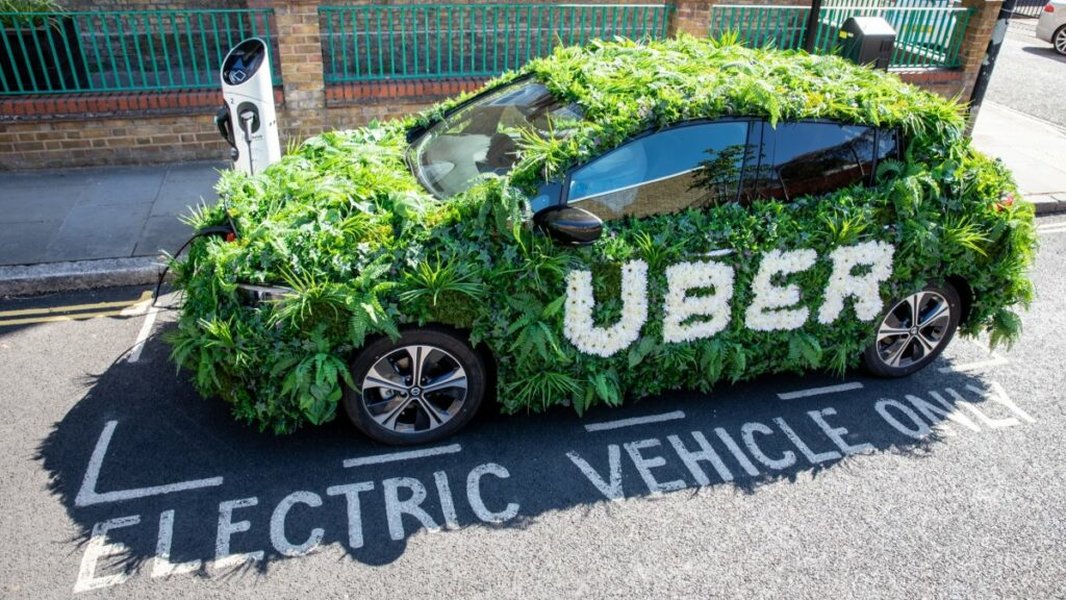
Modern EV charging points often feature user-friendly interfaces and connectivity for apps.
Home and Business Charging
For many EV owners, home charging is the most practical solution for daily needs, typically using a Level 2 charger installed professionally. T&TEC offers rebates to incentivize the installation of charging stations for both residential and business customers. Businesses are also exploring EV charging as a service (EVCaaS) for employees or customers, supported by companies like EVCOTT and Solar Energy Caribbean, which also provides solar-integrated charging solutions.
Driving Forces: Government and Private Sector Initiatives
Government Support and Regulations
The Government of Trinidad and Tobago, through the Ministry of Public Utilities and T&TEC, plays a crucial role. Initiatives include:
- Infrastructure Planning: T&TEC's plans to install chargers in high-density areas.
- Incentives: Rebates for charger installations and potential incentives to reduce the total cost of EV ownership.
- Guidelines: The Ministry, along with the Electrical Inspectorate Division, has issued guidelines for safe installation of Level 1 and Level 2 chargers, with Level 3 guidelines under development. This ensures safety but also adds a regulatory layer to deployment.
- Building Codes: A growing awareness and discussion around incorporating EV charging readiness into new and existing building designs, spearheaded by organizations like the Trinidad & Tobago Green Building Council (TTGBC).
Private Sector Investment
The private sector is actively driving infrastructure growth and service provision:
- EVCOTT: A key player offering comprehensive EV solutions, from charger sales and installation (residential, commercial, public) to management software (OCPP-compliant) and consultation.
- Energy Companies: Unipet Energy's U-Charge app and network signify a move by traditional fuel retailers into the EV space. NP is also exploring EV charging options.
- Retail and Corporate: Massy Stores installing chargers at retail locations, and companies like Nutrien installing them for employees.
- Solution Providers: Companies like Solar Energy Caribbean offer integrated solar PV and EV charging solutions for various property types.
Mapping the EV Charging Ecosystem
The following mind map illustrates the interconnected elements influencing EV charging practicality in Trinidad and Tobago:
Navigating the Challenges
Current Hurdles to Widespread Adoption
Despite progress, significant challenges remain:
- Infrastructure Gaps: The number and distribution of public chargers, especially fast chargers and stations outside major urban areas (particularly in Tobago), are insufficient for mass adoption.
- Range Anxiety: Concerns about driving range and the availability of charging on longer trips persist due to the sparse network.
- Grid Impact and Regulations: Ensuring the electrical grid can handle increased load from EVs and navigating installation regulations can slow deployment. T&TEC may also have restrictions on grid connections, particularly concerning solar PV integration.
- Cost: The initial cost of EVs remains relatively high, although government incentives aim to mitigate this. Public charging costs can also add up.
- Standardization: Ensuring interoperability between different charging networks and vehicle types is crucial for a seamless user experience.
Assessing Practicality Factors
The radar chart below provides a visual assessment of various factors contributing to the overall practicality of EV charging in Trinidad and Tobago as of mid-2025. Scores are based on the synthesized information, representing an opinionated analysis where 10 indicates high practicality/maturity and 1 indicates low practicality/early stages.
This chart highlights strengths in home charging feasibility and urban availability, while indicating significant room for improvement in rural/Tobago coverage and the prevalence of fast chargers.
Charging Your EV in Trinidad and Tobago
Video Insights: Finding Charging Locations
Understanding where and how to charge is key for EV owners. The video below provides insights into locating charging stations for specific EV models available in Trinidad and Tobago, illustrating the practical steps users might take.
This video specifically highlights charging options for MG EV models but gives a general sense of the types of locations (dealerships, public spaces) where charging infrastructure is being deployed, reinforcing the growing network accessible to EV drivers in the country.
Frequently Asked Questions (FAQ)
How much does it cost to charge an EV in Trinidad and Tobago?
Charging costs vary. For home charging, it depends on T&TEC's residential electricity rates and the amount of energy consumed. Public charging stations often have session fees or per-kWh pricing, which can differ by provider (e.g., EVCOTT, Unipet, Massy). Some locations might offer free charging as an amenity. Check provider apps or websites for specific rates.
Can I install an EV charger at my home?
Yes, Level 1 charging uses a standard outlet, while Level 2 chargers (recommended for faster home charging) require professional installation on a dedicated 230V circuit. Installations must comply with guidelines from the Ministry of Public Utilities and the Electrical Inspectorate Division. T&TEC offers rebates that may help offset installation costs.
How do I find public EV charging stations?
Several resources can help:
- Websites like ChargeTt (chargett.com) list known locations.
- Provider-specific apps, such as Unipet's U-Charge app or apps from EVCOTT network partners.
- General EV charging map apps like PlugShare may also show stations added by users.
- Check the websites or social media of major providers like EVCOTT, Massy, and Unipet.
Are there enough chargers for long-distance travel within Trinidad or to Tobago?
Currently, the infrastructure is more suited for urban commuting and regional travel rather than extensive long-distance trips without planning. Fast charger (Level 3) availability is limited, which is crucial for quick top-ups on long journeys. Travel to Tobago poses a significant challenge due to the scarcity of public chargers there. Careful route planning using available charging maps is essential.
What is the future outlook for EV charging in Trinidad and Tobago?
The outlook is positive, with ongoing investment from both public and private sectors. Expect more charging stations (including faster Level 3 chargers), improved app functionality, potentially more government incentives, and greater integration with renewable energy sources like solar power. The growing EV market locally suggests demand will continue to drive infrastructure expansion.
References
- ChargeTt - EV Charging Stations in Trinidad and Tobago
- The Electric Vehicle Company of Trinidad and Tobago (EVCOTT)
- Massy Stores Powers Up With Electric Vehicle Charging Stations - Massy Stores TT
- UWI St. Augustine Campus Launches its First Electric Vehicle Charging Station - UWI Climate Action
- Unipet Energy unveils U-Charge App, fuelling EV growth - Loop News
-
Getting Ready for Electric Vehicle Charging in New Building Designs - Trinidad & Tobago Green Building Council (TTGBC)
- Electric Vehicles in Trinidad and Tobago - ChargeTt
Recommended
Last updated April 16, 2025