
Powering Up Paradise: Is EV Charging Truly Practical in Trinidad and Tobago?
An in-depth look at the current EV charging landscape, infrastructure growth, and real-world usability across the islands.
Highlights: Key Takeaways on T&T EV Charging
- Growing Network: While still developing, the number of public and private EV charging stations is increasing, particularly in urban areas and along major routes.
- Diverse Charging Options: Both Level 2 (AC, slower overnight/workplace charging) and Level 3 (DC Fast Chargers, quicker top-ups) are available, catering to different needs.
- Supportive Ecosystem: Government incentives, private sector investment (e.g., EVCOTT, Massy, Unipet), and university initiatives (UWI) are actively promoting EV adoption and infrastructure expansion.
The Current State of EV Charging Infrastructure
Mapping Out the Network
As of April 14, 2025, Trinidad and Tobago is witnessing a gradual but definite expansion of its Electric Vehicle (EV) charging infrastructure. While not yet ubiquitous, a network of charging stations is emerging, making EV ownership increasingly practical, especially for those living in or frequently travelling through major urban centres. The infrastructure comprises a mix of publicly accessible stations and private installations for residential or commercial use.

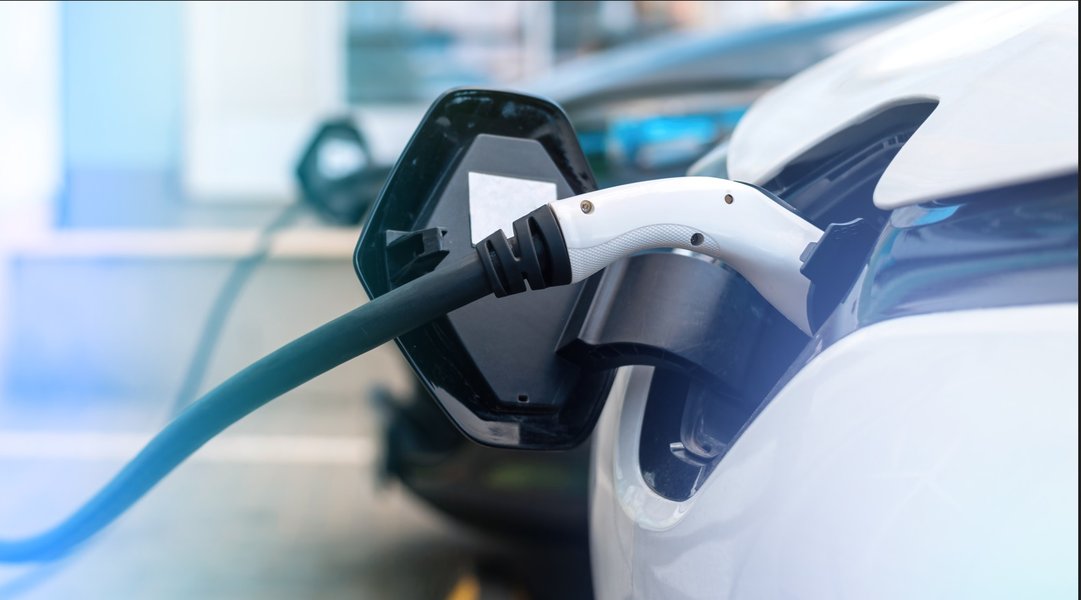
EV charging station recently installed at Massy Stores, Brentwood.
Key Charging Locations
Several public charging points have been established across Trinidad, strategically located to serve commuters and shoppers. Notable locations include:
- Massy Stores (Brentwood) - featuring fast charging capabilities.
- Brentwood Mall Service Station
- Porsche Centre Charging Points (Hilton Trinidad & Conference Centre Car Park, Piarco Plaza, Lifestyle Motors Showroom)
- NP (National Petroleum) Service Station (Couva Overpass)
- Jenny's on the Boulevard (Port of Spain)
- The University of the West Indies (UWI), St. Augustine Campus (primarily for campus users)
- Nutrien Trinidad Nitrogen Site (for employee use)
- Queen's Hall (St Ann's, Port of Spain)
This growing network is supported by organizations like The Electric Vehicle Company of Trinidad and Tobago (EVCOTT), which not only installs chargers but also offers management applications and consultation services (EVCaaS - EV Charging as a Service).
Types of Chargers Available
The practicality of EV charging is significantly enhanced by the availability of different charger types:
- Level 2 Chargers (AC): These operate typically at 230 volts and provide a full charge in approximately 6-8 hours. They are common in public locations like malls, hotels, workplaces, and are also suitable for home installation. The UWI St. Augustine station is an example of a Level 2 installation.
- Level 3 Chargers (DC Fast Chargers): These offer much faster charging, capable of significantly replenishing an EV's battery in 1-2 hours, or even less for a partial charge. Stations like the one at Massy Brentwood and those offered by EVCOTT often feature DC fast charging capabilities, sometimes with dual cables supporting various standards (CCS1, CCS2, CHAdeMO). These are crucial for enabling longer trips and reducing range anxiety.
The presence of both types allows EV owners flexibility, using slower, often cheaper, Level 2 charging for regular top-ups (like overnight at home) and faster Level 3 charging for quick boosts during the day or while travelling.
Accessibility and User Experience
Getting Charged Up: How Easy Is It?
Unipet Energy promotes EV charging accessibility through its U-Charge app.
Public vs. Private Access
Most of the listed charging stations are publicly accessible, located in commercial centres, service stations, and hotels. Some may require payment, while others might be offered as a free amenity. Private charging solutions are also becoming popular, with companies like EVCOTT providing home charging units (wall-mounted or pedestal). This dual approach caters to different user needs – public stations for convenience while out, and private stations for reliable overnight charging.
Geographical Distribution
Currently, the charging infrastructure is more concentrated in urban areas like Port of Spain, the East-West Corridor, and San Fernando, as well as along major highways. While this covers the routes for a large portion of the population, accessibility in more rural parts of Trinidad and in Tobago remains a limitation. Expanding the network to cover these areas is crucial for making EVs practical for all residents.
User Tools and Integration
The user experience is improving with the development of mobile applications and integrated systems. For example, Unipet Energy's U-Charge app aims to provide a map of available chargers, facilitate payments, and integrate various charging points into a single network. Some charging stations offered by EVCOTT feature OCPP 1.6J compliance, allowing for remote monitoring and management. Websites like ChargeTT and forums like TriniTuner also help users locate stations. These tools make finding and using chargers more convenient.
Factors Influencing Practicality
Analyzing the EV Charging Ecosystem
Several factors contribute to the overall practicality of EV charging in Trinidad and Tobago. This radar chart provides a visual assessment of the current situation across key dimensions, based on available information. Higher scores indicate greater practicality or development in that area.
The chart suggests moderate practicality overall. While support and cost-effectiveness show promise, areas like geographic coverage and widespread availability still require significant development. Charging speed benefits from the presence of DC fast chargers, but their number is limited.
Benefits and Driving Forces
Why the Push Towards Electrification?
The growing EV charging infrastructure supports several national goals and offers tangible benefits:
- Environmental Impact: Electrifying transport helps reduce greenhouse gas emissions and improve air quality in urban areas, aligning with climate change mitigation efforts.
- Economic Savings: Generally, charging an EV is less expensive than buying gasoline or diesel, especially when using home charging overnight. Tax incentives on EV purchases further enhance affordability.
- Energy Security: Reducing reliance on imported fossil fuels for transportation can enhance national energy security.
- Technological Advancement: Building EV infrastructure fosters innovation and positions Trinidad and Tobago as a forward-thinking nation in the Caribbean.
- Green Consciousness: Growing public awareness of environmental issues, coupled with government support, is encouraging the shift towards EVs.
Government and Private Sector Initiatives
Support from various sectors is crucial:
- Government: Tax exemptions and concessions on imported EVs encourage adoption. Pilot programs and public consultations aim to develop actionable policies for electro-mobility.
- Private Companies: Businesses like Massy Stores, Unipet, Porsche Centre Trinidad, and EVCOTT are investing in installing public and private chargers.
- Academic Institutions: UWI's charging station installation and research contribute to knowledge and practical application, with plans to integrate renewable energy.
Challenges and The Road Ahead
Obstacles to Widespread Practicality
Despite progress, several challenges hinder the seamless practicality of EV charging:
- Limited Infrastructure Density: While growing, the number of stations is still low compared to the potential demand, especially outside major towns. This can lead to 'range anxiety' for some drivers.
- Uneven Distribution: The concentration in urban areas makes EVs less practical for residents in rural communities or those travelling extensively across the islands.
- Upfront Costs: While running costs are lower, the initial cost of purchasing an EV and potentially installing a home charger can be a barrier for many.
- Grid Impact: Widespread EV adoption requires careful planning to ensure the national electricity grid can handle the increased load, particularly during peak charging times.
- Maintenance and Reliability: Ensuring charging stations are consistently operational requires ongoing maintenance and technical support.
- Standardization: Ensuring interoperability between different charging networks and vehicle types is important for user convenience.
Future Outlook
The future looks promising. Continued investment from both public and private sectors is expected to expand the charging network. Integrating renewable energy sources, particularly solar power given the climate, is a key goal to make charging truly sustainable. The development of comprehensive national policies and standards, potentially guided by a dedicated EV unit, will further streamline adoption and improve practicality. As battery technology improves and EV prices potentially decrease, combined with a more robust charging network, EVs are poised to become a highly practical transport option in Trinidad and Tobago.
Visualizing the EV Charging Ecosystem
A Mindmap Overview
This mindmap provides a structured overview of the key elements discussed regarding the practicality of EV charging stations in Trinidad and Tobago.
in Trinidad & Tobago"] Infrastructure id1["Current Network Growth"] id2["Key Locations"] id2a["Urban Centers (POS, Sando)"] id2b["Major Highways"] id2c["Commercial Areas (Malls, Hotels)"] id2d["UWI Campus"] id3["Charger Types"] id3a["Level 2 (AC - 6-8 hrs)"] id3b["Level 3 (DC Fast Charge - 1-2 hrs)"] Accessibility id4["Public vs. Private"] id5["Geographic Distribution"] id5a["Urban Concentration"] id5b["Rural Gaps"] id6["User Experience"] id6a["Mobile Apps (ChargeTT, U-Charge)"] id6b["Payment Systems"] Supporting Factors id7["Government Initiatives"] id7a["Tax Incentives"] id7b["Pilot Programs"] id8["Private Sector Investment"] id8a["EVCOTT"] id8b["Massy Stores"] id8c["Unipet"] id8d["Porsche Centre"] id9["Academic Role (UWI)"] Benefits id10["Environmental (Emissions, Air Quality)"] id11["Economic (Lower Running Costs)"] id12["Energy Security"] id13["Technological Advancement"] Challenges id14["Limited Density / Number of Stations"] id15["Upfront Costs (Vehicle & Charger)"] id16["Grid Impact Concerns"] id17["Maintenance & Reliability"] id18["Standardization Needs"] Future Outlook id19["Network Expansion Plans"] id20["Renewable Energy Integration (Solar)"] id21["Policy Development"] id22["Improving Affordability"]
Charging Locations Showcase
Where Can You Charge Your EV?
Finding charging stations is becoming easier. This video highlights some locations relevant for MG EV owners, which often use standard connectors compatible with many public stations.
This video provides a visual guide to some charging points, illustrating the types of locations where EV owners can expect to find facilities, such as dealerships and potentially public spaces collaborated with brands. While specific to one brand, it gives a sense of the developing infrastructure accessible to various EV models.
Known Public EV Charging Station Locations
A Quick Reference Guide
This table summarizes some of the known public or semi-public EV charging locations mentioned across various sources. Note that availability, cost, and specific charger types (Level 2/Level 3) can vary and may require confirmation via apps or contacting the location.
| Location Name | Area/Town | Notes / Charger Type Indicated |
|---|---|---|
| Massy Stores Brentwood | Brentwood, Chaguanas | Fast Charging Available (Likely Level 3 + Level 2) |
| Brentwood Mall Service Station | Brentwood, Chaguanas | Public Charging |
| NP Service Station Couva | Couva Overpass | Public Charging (Likely Level 2/3) |
| Porsche Centre - Hilton Trinidad | Port of Spain | Likely Level 2/3, Porsche Priority/Paid Access Possible |
| Porsche Centre - Piarco Plaza | Piarco | Likely Level 2/3, Porsche Priority/Paid Access Possible |
| Porsche Centre - Lifestyle Motors | Barataria/El Socorro Area | Likely Level 2/3, Porsche Priority/Paid Access Possible |
| Jenny's on the Boulevard | Port of Spain | Public Charging (Likely Level 2) |
| The University of the West Indies (UWI) | St. Augustine | Level 2 Charger (Primarily for Campus Community) |
| Queen's Hall | St. Ann's, Port of Spain | Public Charging (Level type not specified) |
This list is not exhaustive and represents locations mentioned in recent reports. Users should verify availability and operational status before visiting.
Frequently Asked Questions (FAQ)
How many EV charging stations are there in Trinidad and Tobago?
While exact numbers fluctuate as new stations come online, reports suggest there are roughly 9-12 publicly listed charging locations, primarily in Trinidad. This includes stations at malls, service stations, hotels, and some businesses. Additionally, there's a growing number of private chargers at homes and workplaces.
How long does it take to charge an EV in Trinidad and Tobago?
Charging time depends on the charger type and the EV's battery size.
- Level 2 chargers (common public/home chargers) typically take 6-8 hours for a full charge.
- Level 3 DC Fast Chargers (available at select locations like Massy Brentwood) can provide a significant charge (e.g., up to 80%) in 1-2 hours, sometimes even faster depending on the vehicle and charger power output.
Is it expensive to charge an EV compared to using gasoline?
Generally, charging an EV with electricity is cheaper per kilometer than fueling a gasoline car, especially if charging at home during off-peak hours. Public charging station costs can vary; some might be free initially or part of a service, while others require payment, which might be closer to fuel costs depending on the speed and location.
How can I find EV charging stations?
You can use websites like ChargeTT, mobile apps like PlugShare or specific network apps (e.g., Unipet's U-Charge), or online forums like TriniTuner. Many EV navigation systems also include charging station locations. It's advisable to check real-time availability via apps if possible before heading to a station.
Is the current infrastructure practical enough for daily driving?
For many people, especially those living in urban areas or with predictable commutes who can charge at home or work, the current infrastructure is becoming increasingly practical. Given the relatively small size of Trinidad and Tobago, a full charge can often last several days of typical driving. However, for those frequently travelling long distances or to areas with fewer chargers, careful planning is still necessary.
References
- Electric Vehicles in Trinidad and Tobago - ChargeTT
- The Electric Vehicle Company of Trinidad and Tobago (EVCOTT) - EVCOTT
- UWI St. Augustine Campus installs First Electric Vehicle Charging Station - UWI Climate Action
-
EV and PHEV Charging Stations List - TriniTuner Forums
- Advancing Electric Mobility in Trinidad and Tobago: Results from Local Public Consultations - IDB Publications
- Massy Stores Powers Up with the Introduction of Electric Vehicle Charging Stations - Massy Stores TT
- Unipet Energy unveils U-Charge App: Fuelling EV growth - Loop News TT
Recommended Reading
Last updated April 14, 2025