
Evaluating the Impact and Performance of Community Health Workers in Malaria Control and Prevention
A Comprehensive Analysis of Their Roles, Challenges, and Effectiveness
Key Highlights
- Crucial Role in Reaching Underserved Communities: Community Health Workers (CHWs) are vital in extending malaria prevention and treatment services to populations that may not have easy access to formal health facilities, particularly in remote or resource-limited settings.
- Demonstrated Effectiveness in Case Management: Studies show that trained CHWs can effectively diagnose malaria using Rapid Diagnostic Tests (RDTs) and administer appropriate artemisinin-based combination therapies (ACTs), leading to prompt and effective treatment and reduced morbidity and mortality.
- Performance Variability and Contributing Factors: The performance of CHWs in malaria programs is influenced by a complex interplay of factors, including training quality, supervision, availability of supplies, community support, and integration within the broader health system. Addressing these determinants is crucial for optimizing their impact.
Community Health Workers (CHWs) have emerged as a cornerstone in global efforts to control and eliminate malaria. Their embeddedness within communities allows them to bridge the gap between formal health systems and the populations most vulnerable to this preventable and treatable disease. Evaluating the performance of CHWs in malaria control and prevention is essential to understand their effectiveness, identify challenges, and optimize strategies for maximum impact.
The role of CHWs in malaria programs is multifaceted, encompassing a range of activities from health education and promotion to diagnosis, treatment, and referral. Their ability to provide services at the community and household levels is particularly critical in areas where access to health facilities is limited. This decentralized approach to healthcare delivery is a key factor in improving malaria intervention coverage and reducing associated morbidity and mortality.
The Evolving Role of Community Health Workers in Malaria Control
Historically, the involvement of CHWs in malaria control has evolved. Initially, their roles might have been more focused on health education and the distribution of basic preventive measures like insecticide-treated nets. However, with advancements in diagnostics and treatment, their responsibilities have expanded significantly to include more clinical tasks.
From Education to Case Management
A fundamental aspect of the CHW role in malaria control is health education and social behavior change communication (SBC). CHWs are uniquely positioned to educate communities about malaria transmission, symptoms, prevention methods, and the importance of seeking prompt treatment. This includes promoting the use of bed nets, explaining environmental control measures, and dispelling myths and misconceptions about the disease. This educational role is critical for fostering community engagement and adherence to prevention and control strategies.
// Example of a basic health education message a CHW might deliver
function educateCommunityOnMalariaPrevention() {
    console.log("Remember to sleep under a bed net every night to protect yourself from mosquito bites.");
    console.log("Clear stagnant water around your homes where mosquitoes breed.");
    console.log("Recognize the symptoms of malaria like fever, headache, and chills.");
    console.log("Seek immediate treatment at the nearest health post or from your CHW if you suspect malaria.");
}

educateCommunityOnMalariaPrevention();
The expansion of the CHW role to include community case management (CCM) of malaria has been a significant development. This involves training CHWs to use Rapid Diagnostic Tests (RDTs) to confirm malaria infections and to administer appropriate first-line antimalarial treatments, typically artemisinin-based combination therapies (ACTs), for uncomplicated cases. This capability is particularly impactful in remote areas where accessing health facilities can be challenging and time-consuming. Prompt diagnosis and treatment within 24 hours of fever onset are crucial for preventing progression to severe malaria and reducing mortality.
Integrated vs. Vertical Programs
CHW programs for malaria control can operate either as vertical programs, focusing solely on malaria services, or as integrated programs, where CHWs provide a broader range of primary healthcare services in addition to malaria control. Both models have their advantages and challenges. Vertical programs can allow for specialized training and a clear focus on malaria targets, while integrated programs can be more efficient by leveraging existing CHW networks and addressing multiple health needs concurrently. Evaluating the effectiveness of these different models in various contexts is an ongoing area of research.
Evaluating the Performance of Community Health Workers
Evaluating the performance of CHWs in malaria control is a complex undertaking that requires considering various indicators and contextual factors. Performance can be assessed in terms of their adherence to protocols, the quality of services provided, their coverage of target populations, and the impact of their activities on malaria morbidity and mortality.
Key Performance Indicators
Several key indicators are used to evaluate CHW performance in malaria programs. These include:
- Coverage of Interventions: The proportion of the target population reached with specific interventions, such as distribution of bed nets, administration of preventive treatments (like intermittent preventive treatment in pregnancy - IPTp), or provision of malaria testing and treatment.
- Adherence to Protocols: The extent to which CHWs follow established guidelines for diagnosis using RDTs, administering correct drug dosages for ACTs, and referring complex cases to higher-level health facilities.
- Quality of Services: This can be assessed through observations, client interviews, and review of records to determine if services are delivered accurately, respectfully, and effectively.
- Timeliness of Action: The speed at which CHWs identify suspected malaria cases, conduct testing, and initiate treatment or referral. Prompt action is critical for preventing severe outcomes.
- Reporting and Data Collection: The accuracy and completeness of data collected by CHWs on malaria cases, treatments provided, and other relevant information, which is vital for surveillance and program monitoring.
- Community Satisfaction and Trust: The perception of the community regarding the accessibility, quality, and effectiveness of services provided by CHWs.
Factors Influencing Performance
The performance of CHWs is not solely dependent on their individual capabilities but is significantly influenced by the broader health system and community context. Key determinants of CHW performance in malaria programs include:
- Training and Capacity Building: Adequate initial training and ongoing refresher training are essential for equipping CHWs with the necessary knowledge and skills for their roles.
- Supervision and Support: Regular and supportive supervision from trained health professionals is crucial for ensuring adherence to protocols, providing guidance, and addressing challenges.
- Availability of Supplies and Resources: Consistent access to essential commodities such as RDTs, ACTs, and reporting forms is fundamental for effective service delivery. Stockouts can severely hamper CHW effectiveness.
- Motivation and Incentives: CHWs often work as volunteers or receive limited stipends. Factors like recognition, community support, and fair compensation or incentives can significantly impact their motivation and retention.
- Integration with the Health System: Strong linkages between CHWs and formal health facilities are necessary for referrals, supply chain management, and overall program coordination.
- Community Acceptance and Support: The level of trust and support from the community in which CHWs operate is vital for their acceptance and the effective uptake of services.
- Workload: CHWs may have multiple responsibilities, especially in integrated programs. Managing workload effectively is important to prevent burnout and maintain performance quality.
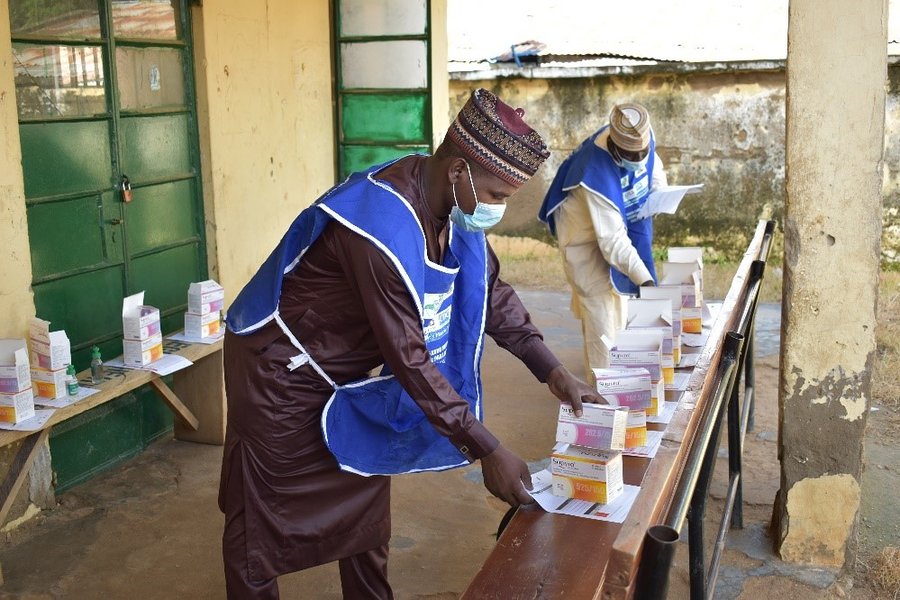
Community health workers preparing to deliver services and supplies.
Effectiveness and Impact of CHWs in Malaria Control
Evidence from various settings demonstrates the significant contribution of CHWs to malaria control efforts. Their proximity to the community and ability to provide timely services have led to tangible improvements in malaria outcomes.
Improving Access to Treatment
One of the most notable impacts of CHWs is the improved access to prompt and effective malaria treatment, particularly for young children who are most vulnerable to severe malaria. Studies have shown that utilizing CHWs for community case management can lead to significantly higher rates of prompt treatment seeking and administration of appropriate antimalarial drugs compared to relying solely on distant health facilities.
Reducing Malaria Morbidity and Mortality
By facilitating early diagnosis and treatment, CHWs play a crucial role in reducing the incidence of uncomplicated malaria and preventing progression to severe disease and death. Community-delivered models of malaria control involving CHWs have been associated with reductions in malaria-associated morbidity and mortality.
\[
\text{Impact} = \text{Improved Access} + \text{Prompt Treatment} + \text{Reduced Morbidity/Mortality}
\]
Contribution to Malaria Elimination
In settings moving towards malaria elimination, the role of CHWs shifts towards enhanced surveillance, active case finding, and targeted interventions in remaining hotspots. Their ability to identify and respond to cases at the community level is critical for interrupting transmission and preventing reintroduction of the disease.
Challenges and Considerations
Despite their significant contributions, CHW programs for malaria control face several challenges that need to be addressed to optimize their effectiveness and ensure sustainability.
Maintaining Implementation Fidelity
Ensuring high implementation fidelity to the defined roles and protocols of CHWs can be challenging. Factors such as insufficient supervision, inadequate training, and stockouts of supplies can lead to deviations from recommended practices, potentially impacting the quality and effectiveness of services.
Sustainability and Support
The long-term sustainability of CHW programs is a critical consideration. Ensuring consistent funding, adequate supervision, and appropriate remuneration or incentives for CHWs are essential for maintaining their motivation and preventing high attrition rates. The integration of CHW programs within national health systems is also crucial for their sustainability.
Context-Specific Challenges
The performance and effectiveness of CHWs can vary depending on the specific context, including the epidemiological profile of malaria, the strength of the health system, community dynamics, and geographical factors. What works in one setting may not be directly transferable to another. Therefore, evaluations and program design need to be context-specific.
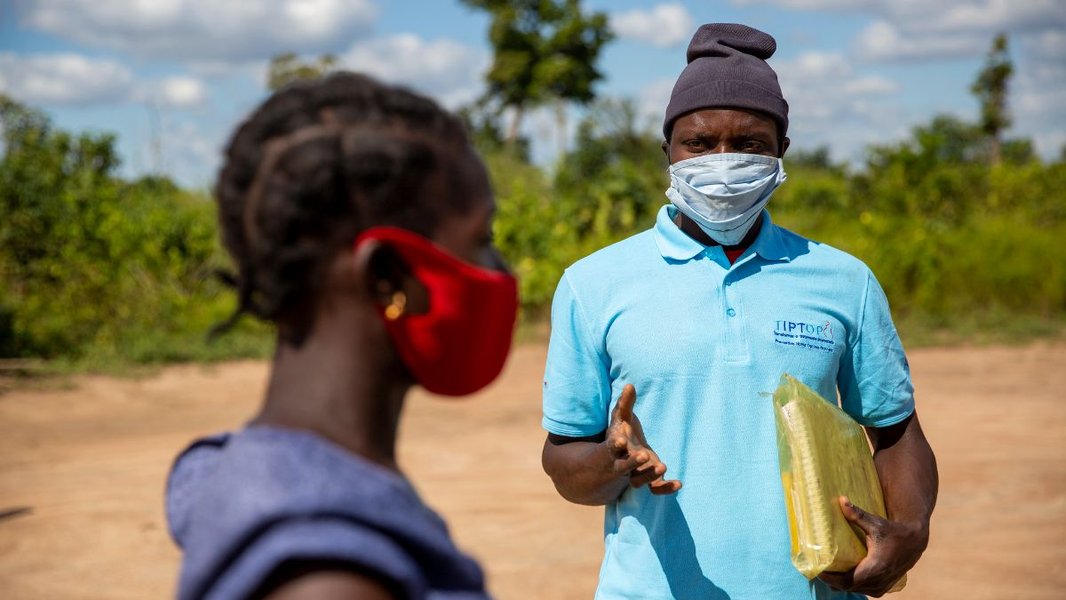
CHWs providing malaria prevention services to pregnant women.
Comparing Regional Performance
While CHWs play a vital role globally, there are observed differences in their utilization and impact across regions, such as between sub-Saharan Africa (SSA) and Southeast Asia.
Variations in Malaria Burden and Program Maturity
The burden of malaria remains significantly higher in SSA compared to Southeast Asia, where many countries are nearing elimination. This difference in epidemiological context influences the focus and scale of CHW programs. In SSA, the emphasis is often on reducing morbidity and mortality, while in elimination settings, the focus shifts to surveillance and case detection.
Differences in Program Design and Implementation
Program design, implementation strategies, and the level of integration with the formal health system can also vary regionally. These differences can impact the effectiveness and reach of CHW programs.
The following table provides a simplified comparison of some aspects of CHW roles in malaria control across regions:
| Region | Primary Focus | Typical Role in Case Management | Reported Proportion of Cases Treated by CHWs |
|---|---|---|---|
| Sub-Saharan Africa (SSA) | Reducing morbidity and mortality | Increasingly involves RDT and ACT for uncomplicated malaria | Lower proportion compared to Southeast Asia |
| Southeast Asia | Malaria elimination and prevention of reintroduction | Active case finding, surveillance, RDT, and treatment in hotspots | Higher proportion in some elimination settings |
It is important to note that these are broad generalizations, and there is significant variation within each region.
Future Directions and Recommendations
To further enhance the performance and impact of CHWs in malaria control and prevention, several areas require continued attention and investment.
Strengthening Health Systems Support
Investing in strengthening the health system's capacity to support CHW programs is paramount. This includes improving supervision, ensuring consistent supply chains, and integrating CHW data into national health information systems.
Optimizing Training and Supervision
Developing and implementing standardized, high-quality training programs and ensuring regular, supportive supervision are crucial for maintaining CHW competency and motivation. Innovative approaches to training and supervision, including the use of technology, should be explored.
Ensuring Adequate Resources and Incentives
Providing adequate financial resources, essential supplies, and appropriate incentives or remuneration for CHWs is essential for the sustainability and effectiveness of their programs. Recognizing their valuable contribution and ensuring their well-being is critical for retention.
Integrating CHWs into Broader Health Strategies
Integrating malaria-focused CHW activities into broader primary healthcare strategies can improve efficiency and address the multiple health needs of communities. This requires careful planning and coordination to avoid overburdening CHWs.
Rigorous Monitoring and Evaluation
Continued rigorous monitoring and evaluation of CHW programs are necessary to assess their performance, identify challenges, and generate evidence to inform policy and practice. This includes evaluating both process indicators and impact on malaria outcomes.
Frequently Asked Questions
What is the primary role of CHWs in malaria control?
The primary roles of CHWs in malaria control include health education, promoting preventive measures like bed nets, diagnosing uncomplicated malaria using RDTs, administering appropriate antimalarial treatments (ACTs), and referring severe cases to health facilities.
How effective are CHWs in treating malaria?
Studies have shown that trained and supported CHWs are effective in diagnosing and treating uncomplicated malaria cases, leading to prompt treatment and improved health outcomes. Their ability to reach remote communities significantly improves access to care.
What are the main challenges faced by CHW malaria programs?
Key challenges include ensuring consistent supply chains for diagnostics and treatments, providing adequate supervision and support, maintaining CHW motivation and retention, and ensuring the sustainability of programs within the broader health system.
How can the performance of CHWs be improved?
Improving CHW performance requires strengthening training and supervision, ensuring reliable access to supplies, providing appropriate incentives, integrating programs within the health system, and conducting regular monitoring and evaluation.
Recommended Further Reading
- How effective is community case management of malaria?
- What are the common challenges in implementing community health worker malaria programs?
- Can community health workers reduce malaria mortality rates?
- What factors contribute to the sustainability of community health worker initiatives in global health?
References
Last updated May 17, 2025