
Evaluation of Cultural Programs on Television Stations in Rivers State, Nigeria
Assessing the Impact and Effectiveness of Local Broadcasts in Preserving Heritage
Key Takeaways
- Television as a Cultural Custodian: TV stations play a pivotal role in promoting and preserving the diverse cultural heritage of Rivers State.
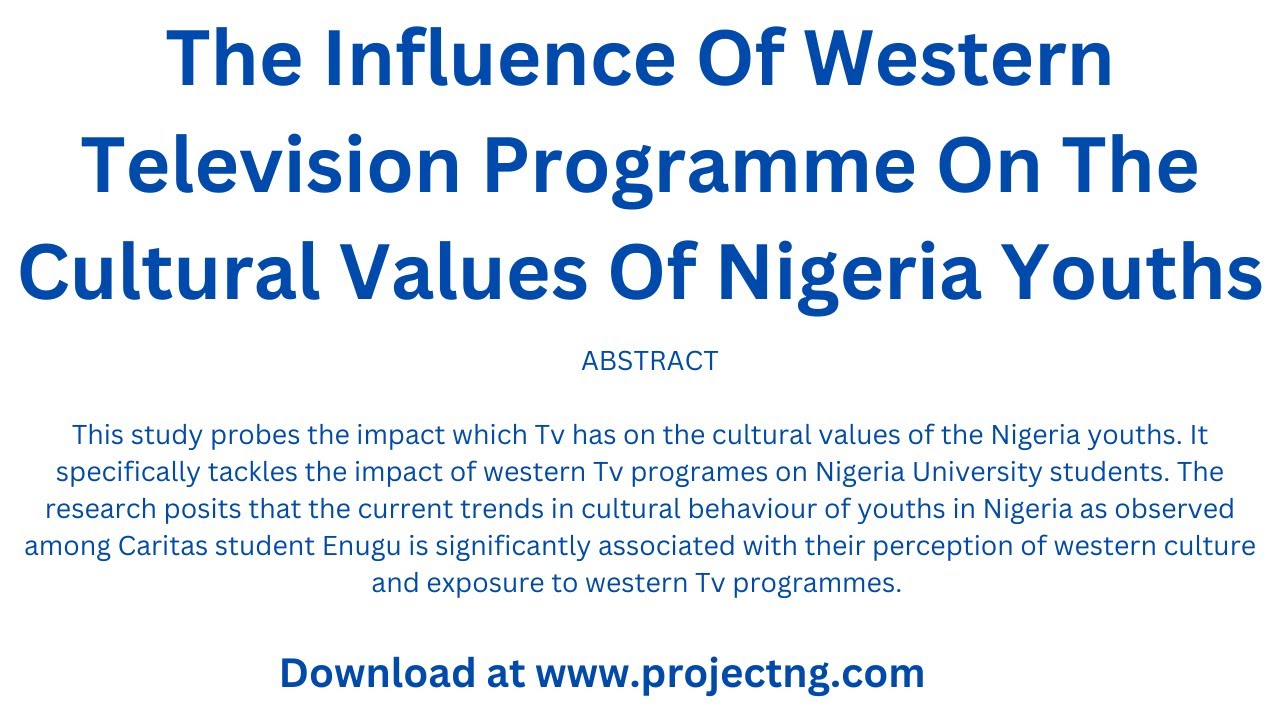
- Challenges from External Influences: The influx of foreign programming poses a threat to the authenticity and sustainability of local cultural content.
- Regulatory and Technological Factors: Effective implementation of local content regulations and adoption of digital technologies are crucial for enhancing cultural programming.
Introduction
Television serves as a dominant medium for cultural transmission and preservation, especially in culturally rich and diverse regions like Rivers State, Nigeria. This evaluation seeks to analyze the effectiveness of cultural programs broadcasted by local television stations in fostering the preservation and promotion of indigenous traditions, values, and heritage. Understanding the role of television in shaping cultural identity is essential for sustaining the region's rich cultural mosaic amidst globalization and technological advancements.
Context of Television in Rivers State
Television Landscape
Rivers State hosts several notable television stations, including Rivers State Television (RSTV), Nigeria Television Authority (NTA) Port Harcourt, and Africa Independent Television (AIT). These stations are instrumental in broadcasting a variety of content that ranges from news and entertainment to specialized cultural programming. Established in the mid-1980s, RSTV has expanded its coverage significantly, enhancing its ability to reach diverse audiences across multiple states.
Broadcast Reach and Influence
With the upgrade of broadcasting frequencies and the expansion of digital platforms, television stations in Rivers State have increased their reach and influence. This expansion allows for greater dissemination of cultural programs, which are crucial in maintaining and nurturing the cultural identity of the region's inhabitants.
Importance of Cultural Programs
Cultural Preservation and Promotion
Cultural programs on television provide a platform for showcasing traditional practices, music, art, and historical narratives. These programs are essential for preserving cultural heritage and fostering a sense of identity and belonging among viewers. By highlighting local traditions and customs, television stations contribute to the continuity and evolution of cultural practices in a modern context.
Educational and Social Cohesion
Beyond entertainment, cultural programs serve educational purposes by informing viewers about their heritage and promoting intercultural dialogue. These programs help in creating social cohesion by reinforcing shared values and collective memory among diverse audience segments.
Media Landscape and Cultural Imperialism
Dominance of Foreign Programming
The pervasive presence of foreign television programs in Nigerian media has significant implications for local cultural values. Studies indicate that international content often overshadows indigenous programming, leading to the adoption of foreign cultural norms at the expense of local traditions. In Rivers State, this trend poses a challenge to the authenticity and sustainability of cultural programming.
Impact on Cultural Identity
The influx of Western media content can dilute traditional cultural expressions and alter the cultural landscape. It is crucial to evaluate how this dynamic affects the cultural identity of the youth and the broader population in Rivers State.
Regulatory Context
Local Content Requirements
The Nigerian Broadcasting Commission (NBC) enforces local content regulations aimed at ensuring the promotion of indigenous culture through television programming. However, the implementation and enforcement of these regulations have faced challenges, resulting in varying degrees of compliance among television stations in Rivers State.
Effectiveness of Policy Enforcement
Evaluating the adherence to local content mandates provides insights into the effectiveness of regulatory frameworks in promoting cultural programming. This evaluation must consider the factors that facilitate or hinder compliance, including economic, political, and technical aspects.
Technological and Demographic Shifts
Digital Broadcasting Advances
The transition to digital broadcasting presents opportunities for enhancing the quality and accessibility of cultural programs. Digital technology enables better production techniques, broader distribution channels, and interactive content options, which can engage modern audiences more effectively.
Changing Audience Demographics
The evolving demographics, particularly the increasing youth population exposed to global media, necessitate innovative approaches to cultural programming. Understanding the preferences and viewing habits of different age groups is essential for tailoring content that resonates with diverse audience segments.
Challenges and Opportunities
Funding and Resource Allocation
Limited funding and resources are significant challenges faced by television stations in producing high-quality cultural programs. Allocating sufficient budgets for content creation, talent acquisition, and technological upgrades is crucial for the sustainability of these programs.
Competition from International Content
The competition from globally popular television shows and streaming platforms makes it challenging for local cultural programs to capture and retain viewers' attention. Developing unique and culturally relevant content is essential to compete effectively in this landscape.
Innovation in Content Production
Embracing innovative production techniques and storytelling methods can enhance the appeal of cultural programs. Incorporating contemporary themes and interactive elements can make traditional content more engaging and relatable to modern audiences.
Research Gaps
Limited Localized Studies
Most existing research on cultural programming in Nigeria focuses on national-level analyses, with insufficient attention given to the unique cultural dynamics of Rivers State. This evaluation aims to fill this gap by providing a localized, in-depth examination of cultural programs.
Comprehensive Impact Assessment
There is a need for comprehensive assessments that measure not only the content quality but also the audience reception and socio-cultural impact of cultural programs. Such evaluations can inform strategies for enhancing the effectiveness of cultural broadcasting.
Objectives of the Study
-
Evaluate the Content and Quality: Assess the diversity, authenticity, and production standards of cultural programs on television stations in Rivers State.
-
Assess Audience Perception and Engagement: Understand how viewers perceive and engage with cultural programs, and their impact on cultural identity.
-
Identify Challenges and Opportunities: Explore the obstacles faced by television stations in producing cultural content and identify opportunities for improvement.
-
Provide Recommendations: Offer actionable suggestions for enhancing the effectiveness and reach of cultural programs in Rivers State.
Evaluation Framework
Content Analysis
Analyzing the themes, narratives, and representation within cultural programs to determine their alignment with local traditions and values.
Audience Surveys and Feedback
Collecting and analyzing viewer feedback to gauge the reception and impact of cultural programs on different demographic groups.
Comparative Analysis
Comparing the cultural programming of various television stations to identify best practices and areas needing improvement.
Table 1: Comparative Analysis of Cultural Programs
| Television Station | Program Name | Content Focus | Audience Reach | Production Quality |
|---|---|---|---|---|
| Rivers State Television (RSTV) | Culture Connect | Local Traditions and Festivals | High | Moderate |
| NTA Port Harcourt | Heritage Hour | Historical Narratives | Medium | High |
| Africa Independent Television (AIT) | Artistic Expressions | Contemporary Art and Music | High | High |
Conclusion
The evaluation of cultural programs on television stations in Rivers State is essential for understanding their role in preserving and promoting the region's rich cultural heritage. By assessing content quality, audience engagement, and the impact of regulatory and technological factors, this study aims to provide comprehensive insights that can inform strategies to enhance the effectiveness of cultural broadcasting. Addressing the challenges posed by foreign content, limited resources, and evolving audience demographics will be critical in ensuring that television continues to serve as a robust medium for cultural preservation and education in Rivers State.
References
Last updated February 11, 2025