
Revolutionizing Connections: How Event Tech Platforms Power High-Impact Hosted Buyer Programs
Unlock unparalleled efficiency and ROI with intelligent matchmaking, automated scheduling, and data-driven insights for your next event.
Key Insights
- AI-Powered Matchmaking: Event technology platforms intelligently connect pre-qualified buyers with relevant suppliers based on detailed profiles and objectives, ensuring highly productive meetings.
- Automated Scheduling & Management: Sophisticated tools streamline the complex process of scheduling numerous one-on-one meetings, creating personalized agendas and maximizing time for both buyers and suppliers.
- Data-Driven ROI Measurement: Comprehensive analytics track meeting engagement, participant interactions, and overall program success, providing clear evidence of value and enabling continuous improvement.
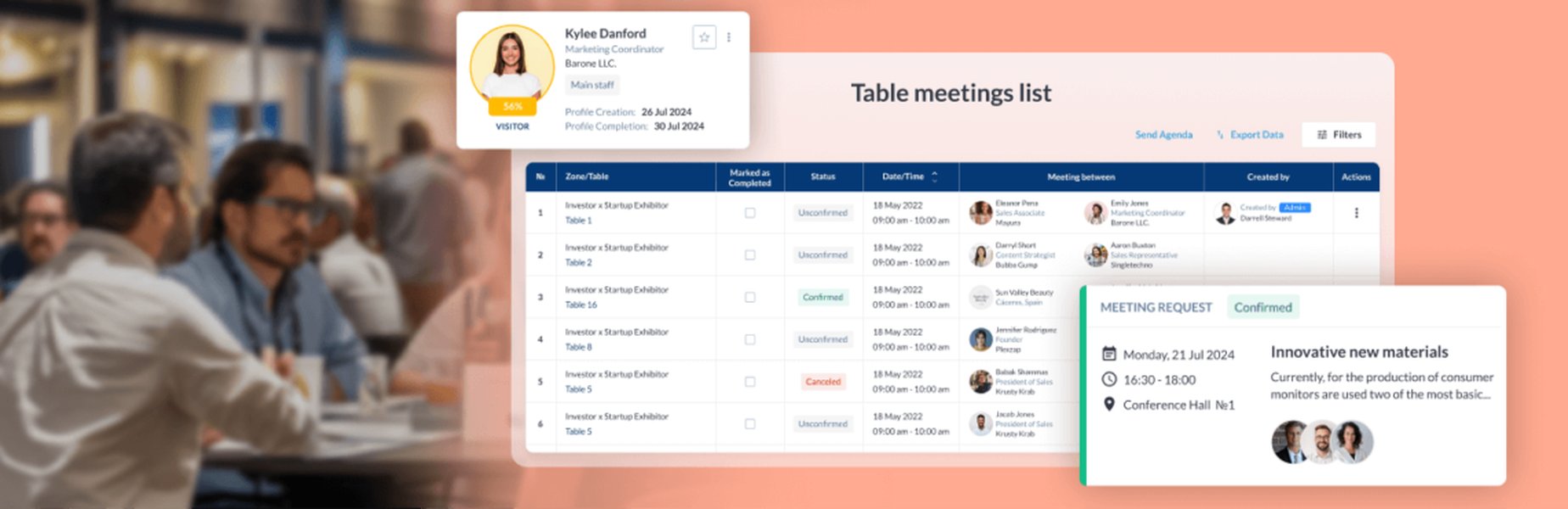
Event technology transforms hosted buyer programs into targeted, efficient, and measurable business development opportunities.
Unlocking Efficiency: The Core Functions
Event technology platforms are instrumental in transforming traditional hosted buyer programs into highly efficient, targeted, and valuable networking experiences. They automate complex processes, facilitate meaningful connections, and provide robust management tools.
AI-Powered Matchmaking: Connecting the Right People
Perhaps the most significant contribution of event tech is sophisticated matchmaking. Hosted buyer programs thrive on connecting the *right* buyers with the *right* suppliers, moving beyond chance encounters to engineer valuable interactions.
Data-Driven Recommendations
Platforms leverage Artificial Intelligence (AI) to analyze a wealth of data points. This includes participant profiles, stated business objectives, industry specializations, product interests, past interaction history, and buyer requirements. Based on this analysis, AI algorithms generate highly relevant meeting recommendations, suggesting the most promising connections for both buyers and suppliers. Platforms like b2match and Grip utilize advanced AI to ensure these pairings are optimized for mutual benefit.
Benefits for Participants
This intelligent matchmaking saves participants significant time and effort compared to manually sifting through attendee lists. Buyers are presented with a curated list of potential partners who align with their specific needs, while suppliers can focus on engaging with pre-qualified leads genuinely interested in their offerings. The result is a higher quality of meetings, increased potential for deals, and a significantly improved Return on Investment (ROI) for time spent at the event.
Seamless Meeting Scheduling & Management
A defining feature of hosted buyer programs is the pre-scheduling of numerous one-on-one meetings. Managing this manually can be a logistical nightmare. Event technology platforms provide robust tools to automate and streamline this critical function.
Automated Scheduling Tools
These platforms manage the entire scheduling lifecycle. Buyers and suppliers can indicate their availability, and the system intelligently assigns meeting slots, minimizing conflicts and maximizing the number of possible connections within the event timeframe. Platforms like Grip's MustMeet technology take the stress out of organization by creating optimized schedules based on mutual interest and availability. Many programs, such as those at Event Tech Live, require buyers to commit to a specific number of pre-scheduled meetings facilitated through these tools.
Personalized Agendas
Buyers receive personalized, automatically generated meeting agendas tailored to their objectives and availability. This provides a clear roadmap for their time at the event, allowing them to focus on the substance of the meetings rather than the logistics.
Supplier Productivity
Suppliers benefit by receiving a pre-filled diary of qualified meetings before the event even begins. This allows them to prepare effectively and ensures their time on-site is spent in productive conversations with high-potential buyers, drastically improving their event ROI.
Robust Profile Management
Effective matchmaking and scheduling rely on comprehensive participant information. Event tech platforms serve as central repositories for detailed buyer and supplier profiles.
Detailed Participant Information
Platforms allow both buyers and exhibitors to create rich, informative profiles detailing their company, role, objectives, areas of interest, products/services offered, and specific requirements. This information is crucial fuel for the AI matchmaking engine.
Facilitating Informed Decisions
Easy access to these detailed profiles allows participants to conduct pre-meeting research, understand the context of their scheduled interactions, and prepare more effectively. Buyers can vet suppliers, and suppliers can tailor their pitches, leading to more focused and productive conversations.
Enhancing the Experience & Proving Value: Beyond Basics
Modern event platforms go beyond core matchmaking and scheduling to offer features that enhance the overall participant experience, support diverse event formats, and provide crucial data for measuring success.
Supporting Diverse Event Formats
The landscape of events has evolved, and technology platforms have adapted to support hosted buyer programs across various formats.
In-Person, Virtual, and Hybrid Flexibility
Whether the event is entirely face-to-face, fully online, or a blend of both, event tech provides the necessary infrastructure. For virtual events, platforms like Eventdex and b2match offer integrated video conferencing, virtual meeting rooms, and chat functionalities. For hybrid events, technology seamlessly connects in-person and remote attendees, ensuring equitable access to matchmaking and scheduling opportunities. Platforms such as Hubilo and ExpoPlatform are known for handling large-scale hybrid events effectively.
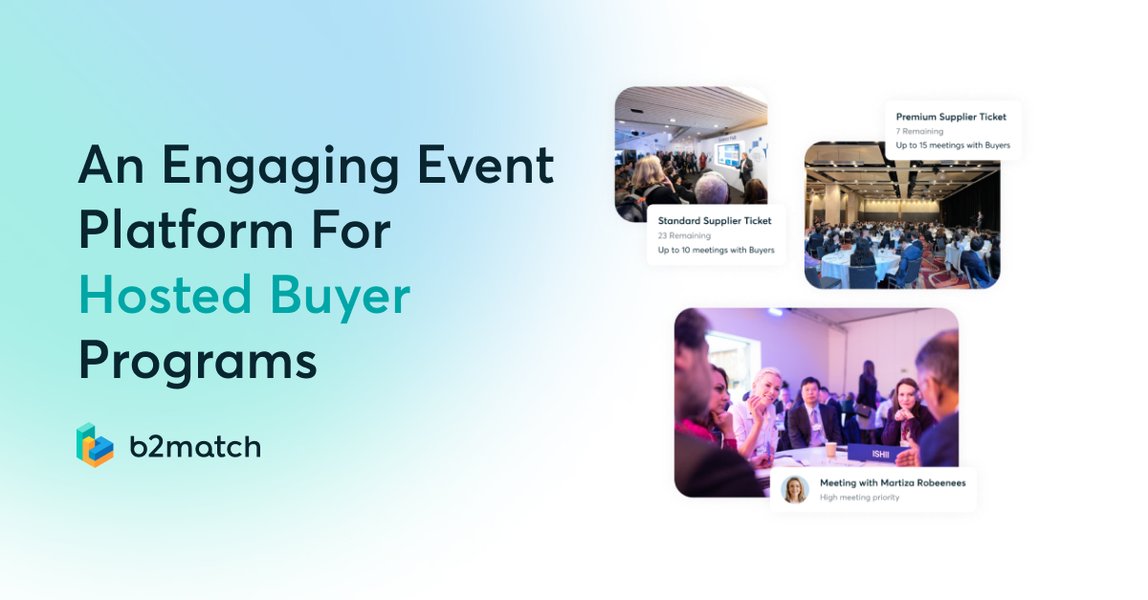
Modern platforms offer intuitive interfaces for managing profiles, schedules, and meetings across different event formats.
Streamlining Operations and Logistics
Organizing a hosted buyer program involves significant administrative effort. Technology platforms help streamline many operational aspects.
Buyer Qualification and Onboarding
Ensuring that participants meet the 'hosted buyer' criteria (e.g., budget holders, decision-makers) is crucial. Platforms like ExpoPlatform offer tools to manage the qualification process digitally, track application status, and facilitate a smooth onboarding experience for approved buyers. This maintains the program's integrity and value proposition for suppliers.
Hospitality and Travel Management
Since hosted buyer programs often involve covering travel and accommodation costs for buyers, some platforms integrate features or connect with solutions to manage these logistical details, including flight information, hotel bookings, and even remuneration processing where applicable.
Data Analytics for ROI Measurement
Demonstrating the value and success of a hosted buyer program is essential for organizers and exhibitors. Event tech platforms provide powerful analytics capabilities.
Tracking Key Metrics
These platforms capture data on user activity, profile views, meeting requests sent/received, meetings scheduled, meeting attendance rates, participant feedback, and connection outcomes. This granular data provides a clear picture of engagement levels and program effectiveness.
Demonstrating Value
Organizers can use comprehensive reports and dashboards to showcase the program's success to stakeholders and sponsors. Exhibitors gain tangible proof of the ROI achieved through qualified meetings and valuable connections, justifying their participation and investment.
Continuous Improvement
Insights derived from event data allow organizers to understand what worked well and identify areas for improvement. This data-driven approach enables iterative refinement of the program design, matchmaking algorithms, and overall strategy for future events.
Visualizing Platform Capabilities
To better understand the multifaceted support provided by event technology, let's visualize the key capabilities and their interconnections.
Comparative Feature Strengths
The radar chart below offers an opinionated perspective on the typical strengths of modern event tech platforms designed for hosted buyer programs. It highlights key areas where these platforms excel, providing a balanced view of their capabilities. Scores are relative, emphasizing core functionalities like matchmaking and scheduling, alongside increasingly important aspects like analytics and flexibility.
Interconnected Support System
The mindmap below illustrates how different features of an event technology platform work together to support a successful hosted buyer program. From core functions like matchmaking and scheduling to value-added services like analytics and multi-format support, the platform acts as a central hub orchestrating the entire experience.
Supporting Hosted
Buyer Programs"] id1["Core Functions"] id1a["AI Matchmaking"] id1a1["Profile Analysis"] id1a2["Interest Matching"] id1a3["Recommendation Engine"] id1b["Meeting Scheduling"] id1b1["Automated Diary Management"] id1b2["Availability Coordination"] id1b3["Personalized Agendas"] id1c["Profile Management"] id1c1["Detailed Buyer Profiles"] id1c2["Comprehensive Supplier Info"] id1c3["Search & Filter Tools"] id2["Enhanced Experience & Value"] id2a["Multi-Format Support"] id2a1["In-Person Facilitation"] id2a2["Virtual Meeting Rooms"] id2a3["Hybrid Integration"] id2b["Operational Efficiency"] id2b1["Buyer Qualification"] id2b2["Onboarding Workflows"] id2b3["Logistics Coordination
(Travel, Hospitality)"] id2c["Data & Analytics"] id2c1["ROI Measurement"] id2c2["Engagement Tracking"] id2c3["Performance Reporting"] id3["Platform Features"] id3a["User Experience"] id3a1["Intuitive Interfaces (Web/Mobile)"] id3a2["Real-time Notifications"] id3b["Integration"] id3b1["CRM Connectivity"] id3b2["Registration Systems"] id3c["Monetization"] id3c1["Tiered Packages"] id3c2["Sponsorship Options"]
Platform Integration and User Experience
The effectiveness of event technology also hinges on its usability and ability to integrate seamlessly into the broader event ecosystem.
User-Friendly Interfaces
Modern platforms prioritize intuitive design, offering easy-to-navigate interfaces accessible via web browsers and dedicated mobile apps (iOS/Android). This ensures a frictionless experience for busy professionals, allowing them to manage profiles, schedules, and meetings efficiently, whether at their desk or on the go.
Integration Capabilities
To provide a holistic solution, event tech platforms often integrate with other essential event management tools. This can include registration systems, Customer Relationship Management (CRM) software, lead capture tools, and marketing automation platforms. Such integrations create a unified data flow and streamline workflows for organizers.
Concierge-Level Service
Top-tier platforms aim to provide a high-touch, concierge-level experience, especially for valued hosted buyers. Features like real-time updates, automated meeting reminders, notifications about schedule changes, and efficient handling of last-minute requests contribute to a smooth and professional experience, reducing administrative burdens.
Key Platform Features Summarized
The table below summarizes the core features provided by event technology platforms for hosted buyer programs and their primary benefits:
| Feature | Description | Benefits |
|---|---|---|
| AI Matchmaking | Uses algorithms to analyze profiles and objectives to suggest relevant buyer-supplier connections. | Increases meeting relevance, saves participant time, improves connection quality, boosts potential ROI. |
| Automated Scheduling | Manages meeting requests, availability, and assigns time slots to create personalized agendas automatically. | Eliminates manual scheduling, maximizes meeting opportunities, reduces conflicts, provides clear schedules for participants. |
| Profile Management | Provides tools for creating and managing detailed buyer and supplier profiles. | Facilitates better matchmaking, enables pre-meeting research, ensures participants have necessary information. |
| Data Analytics & Reporting | Tracks key metrics like meetings held, engagement rates, participant feedback, and connection outcomes. | Measures program success, demonstrates ROI to stakeholders, enables data-driven improvements for future events. |
| Multi-Format Support | Offers features for in-person, virtual (video conferencing, chat), and hybrid event delivery. | Increases accessibility and reach, allows flexibility in program design, ensures seamless experience regardless of location. |
| Operational Tools | Includes features for buyer qualification, onboarding workflows, and potentially managing logistics like travel/hospitality. | Streamlines administrative tasks, ensures program integrity, enhances buyer experience, reduces organizer workload. |
Industry Examples in Action
Leading industry events rely heavily on sophisticated event technology platforms to power their hosted buyer programs. Events like IMEX America, IMEX Frankfurt, IBTM World, Event Tech Live, and various specialized trade shows utilize platforms such as Grip, ExpoPlatform, and b2match to manage their complex requirements.

Technology facilitates focused networking environments typical of successful hosted buyer programs at major industry events.
These real-world applications demonstrate how technology enables the scale, precision, and efficiency needed to deliver high-value experiences. For instance, IMEX utilizes technology to offer flexible program options and manage thousands of pre-scheduled appointments, while platforms like Grip specifically focus on automating personalized schedules to save buyers valuable time.
Expanding Opportunities
Monetization Strategies
Some event technology platforms also open up new revenue streams for organizers. Features may allow for the creation and sale of tiered meeting packages, offering suppliers different levels of access or numbers of guaranteed meetings. Additionally, platforms can facilitate sponsored sessions or premium visibility options within the matchmaking interface, further enhancing monetization potential while delivering value to sponsors.
Video Insight: Hosted Buyer Program in Practice
The video below provides a glimpse into a specific hosted buyer program, highlighting the activities and goals typical of such initiatives. This example from the Guzhen Lighting Fair showcases how these programs aim to connect international buyers with exhibitors for focused business discussions, often facilitated by underlying event technology for scheduling and coordination.
Frequently Asked Questions (FAQ)
What exactly is a hosted buyer program?
A hosted buyer program is a specialized component of a trade show or conference designed to connect qualified buyers (often with decision-making power and purchasing budgets) with relevant exhibitors or suppliers. Key features typically include pre-scheduled one-on-one meetings, and often, organizers cover travel and accommodation costs for the 'hosted' buyers to ensure high-quality participation.
How does AI matchmaking improve hosted buyer events?
AI matchmaking significantly enhances hosted buyer events by moving beyond basic filtering. It analyzes deep data points like participant goals, detailed interests, past behaviors, and specific needs to suggest highly relevant connections. This leads to more productive meetings, higher satisfaction rates for both buyers and suppliers, and a better overall return on time and investment compared to manual or less sophisticated matching methods.
What makes automated scheduling so valuable?
Automated scheduling tackles the immense complexity of coordinating potentially hundreds or thousands of meetings based on mutual availability and interest. It saves organizers countless hours of manual work, minimizes scheduling conflicts, creates optimized and personalized agendas for participants, and ensures that valuable event time is maximized for productive interactions rather than logistical arrangements.
Can these event tech platforms support virtual or hybrid programs?
Yes, most modern event technology platforms are designed with flexibility in mind. They typically offer robust features to support fully virtual hosted buyer programs (with integrated video meeting tools, virtual networking spaces) and hybrid formats, ensuring that both in-person and remote attendees can participate effectively in matchmaking, scheduling, and meetings.
How do platforms help measure the success (ROI) of a hosted buyer program?
Event platforms provide detailed analytics and reporting dashboards. They track key performance indicators (KPIs) such as the number of meetings scheduled and completed, participant engagement levels (profile views, connection requests), attendee feedback scores, and sometimes even data on potential deals initiated. This allows organizers and exhibitors to quantify the program's impact and demonstrate a clear return on investment.
What are the main benefits for buyers and suppliers using these platforms?
For buyers, the main benefits are time savings, access to relevant suppliers vetted through matchmaking, personalized schedules, and often complimentary travel/accommodation. For suppliers, benefits include guaranteed meetings with pre-qualified buyers who have purchasing power, increased efficiency in lead generation, better preparation through profile access, and measurable ROI data.
Recommended Reads
- Explore the top event technology platforms specializing in hosted buyer programs.
- Understand the key metrics for measuring ROI in hosted buyer events.
- Discover best practices for implementing AI matchmaking in event planning.
- Learn how hybrid event formats are changing hosted buyer program strategies.
References
- An engaging event platform for hosted buyer programs. - b2match
- Guide to Organizing Hosted Buyer Events on a Matchmaking Platform - b2match Blog
- Hosted Buyer Events Technology and Software Solutions - Grip Events
- Hosted Buyer Programme guide: Organise ROI-driven events - ExpoPlatform Blog
- One-on-One Hosted Buyer Business MatchMaking App - Eventdex
- Hosted Buyer - Event Tech Live
- Hosted Buyers Program IMEX America - IMEX America
Revolutionizing Connections: How Event Tech Platforms Power High-Impact Hosted Buyer Programs
Unlock unparalleled efficiency and ROI with intelligent matchmaking, automated scheduling, and data-driven insights for your next event.
Key Insights
- AI-Powered Matchmaking: Event technology platforms intelligently connect pre-qualified buyers with relevant suppliers based on detailed profiles and objectives, ensuring highly productive meetings.
- Automated Scheduling & Management: Sophisticated tools streamline the complex process of scheduling numerous one-on-one meetings, creating personalized agendas and maximizing time for both buyers and suppliers.
- Data-Driven ROI Measurement: Comprehensive analytics track meeting engagement, participant interactions, and overall program success, providing clear evidence of value and enabling continuous improvement.
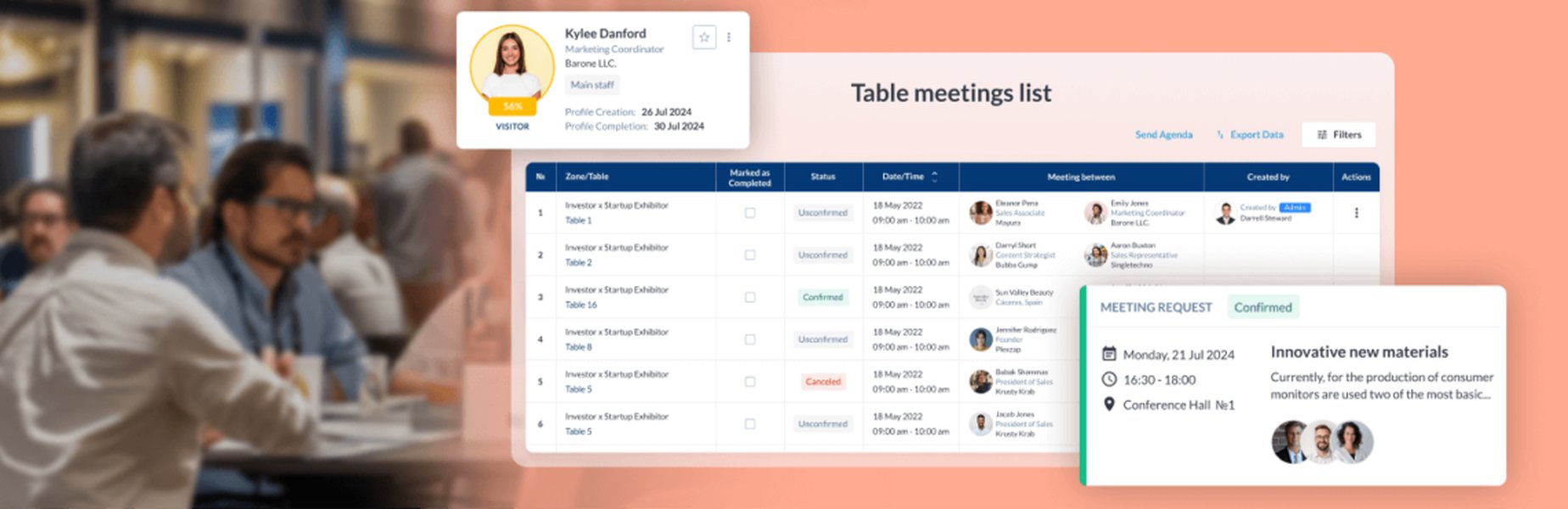
Event technology transforms hosted buyer programs into targeted, efficient, and measurable business development opportunities.
Unlocking Efficiency: The Core Functions
Event technology platforms are instrumental in transforming traditional hosted buyer programs into highly efficient, targeted, and valuable networking experiences. They automate complex processes, facilitate meaningful connections, and provide robust management tools.
AI-Powered Matchmaking: Connecting the Right People
Perhaps the most significant contribution of event tech is sophisticated matchmaking. Hosted buyer programs thrive on connecting the *right* buyers with the *right* suppliers, moving beyond chance encounters to engineer valuable interactions.
Data-Driven Recommendations
Platforms leverage Artificial Intelligence (AI) to analyze a wealth of data points. This includes participant profiles, stated business objectives, industry specializations, product interests, past interaction history, and buyer requirements. Based on this analysis, AI algorithms generate highly relevant meeting recommendations, suggesting the most promising connections for both buyers and suppliers. Platforms like b2match and Grip utilize advanced AI to ensure these pairings are optimized for mutual benefit.
Benefits for Participants
This intelligent matchmaking saves participants significant time and effort compared to manually sifting through attendee lists. Buyers are presented with a curated list of potential partners who align with their specific needs, while suppliers can focus on engaging with pre-qualified leads genuinely interested in their offerings. The result is a higher quality of meetings, increased potential for deals, and a significantly improved Return on Investment (ROI) for time spent at the event.
Seamless Meeting Scheduling & Management
A defining feature of hosted buyer programs is the pre-scheduling of numerous one-on-one meetings. Managing this manually can be a logistical nightmare. Event technology platforms provide robust tools to automate and streamline this critical function.
Automated Scheduling Tools
These platforms manage the entire scheduling lifecycle. Buyers and suppliers can indicate their availability, and the system intelligently assigns meeting slots, minimizing conflicts and maximizing the number of possible connections within the event timeframe. Platforms like Grip's MustMeet technology take the stress out of organization by creating optimized schedules based on mutual interest and availability. Many programs, such as those at Event Tech Live, require buyers to commit to a specific number of pre-scheduled meetings facilitated through these tools.
Personalized Agendas
Buyers receive personalized, automatically generated meeting agendas tailored to their objectives and availability. This provides a clear roadmap for their time at the event, allowing them to focus on the substance of the meetings rather than the logistics.
Supplier Productivity
Suppliers benefit by receiving a pre-filled diary of qualified meetings before the event even begins. This allows them to prepare effectively and ensures their time on-site is spent in productive conversations with high-potential buyers, drastically improving their event ROI.
Robust Profile Management
Effective matchmaking and scheduling rely on comprehensive participant information. Event tech platforms serve as central repositories for detailed buyer and supplier profiles.
Detailed Participant Information
Platforms allow both buyers and exhibitors to create rich, informative profiles detailing their company, role, objectives, areas of interest, products/services offered, and specific requirements. This information is crucial fuel for the AI matchmaking engine.
Facilitating Informed Decisions
Easy access to these detailed profiles allows participants to conduct pre-meeting research, understand the context of their scheduled interactions, and prepare more effectively. Buyers can vet suppliers, and suppliers can tailor their pitches, leading to more focused and productive conversations.
Enhancing the Experience & Proving Value: Beyond Basics
Modern event platforms go beyond core matchmaking and scheduling to offer features that enhance the overall participant experience, support diverse event formats, and provide crucial data for measuring success.
Supporting Diverse Event Formats
The landscape of events has evolved, and technology platforms have adapted to support hosted buyer programs across various formats.
In-Person, Virtual, and Hybrid Flexibility
Whether the event is entirely face-to-face, fully online, or a blend of both, event tech provides the necessary infrastructure. For virtual events, platforms like Eventdex and b2match offer integrated video conferencing, virtual meeting rooms, and chat functionalities. For hybrid events, technology seamlessly connects in-person and remote attendees, ensuring equitable access to matchmaking and scheduling opportunities. Platforms such as Hubilo and ExpoPlatform are known for handling large-scale hybrid events effectively.
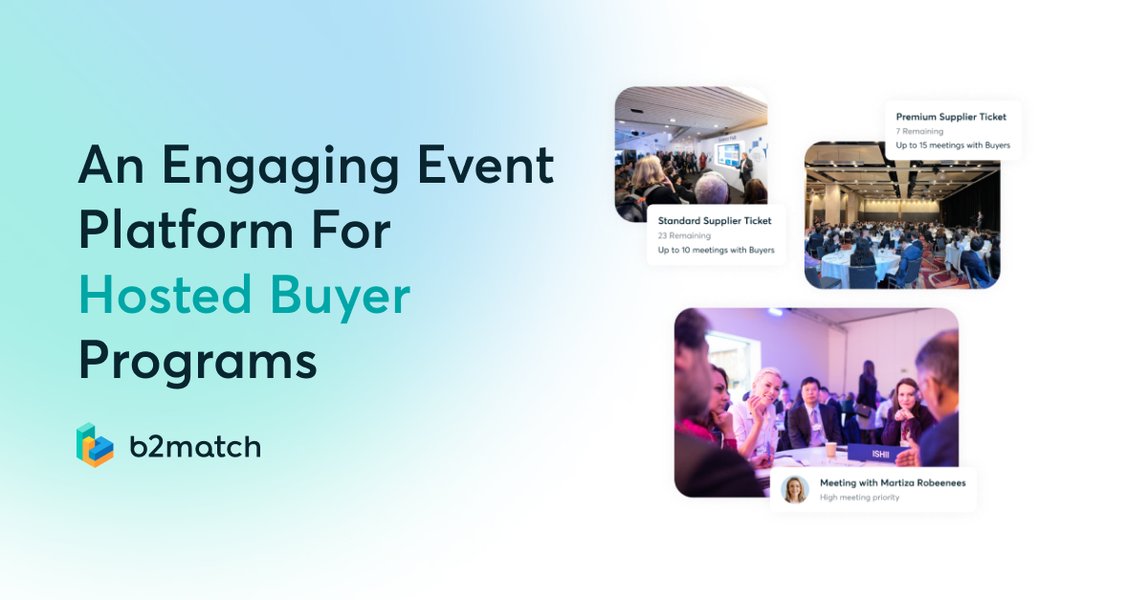
Modern platforms offer intuitive interfaces for managing profiles, schedules, and meetings across different event formats.
Streamlining Operations and Logistics
Organizing a hosted buyer program involves significant administrative effort. Technology platforms help streamline many operational aspects.
Buyer Qualification and Onboarding
Ensuring that participants meet the 'hosted buyer' criteria (e.g., budget holders, decision-makers) is crucial. Platforms like ExpoPlatform offer tools to manage the qualification process digitally, track application status, and facilitate a smooth onboarding experience for approved buyers. This maintains the program's integrity and value proposition for suppliers.
Hospitality and Travel Management
Since hosted buyer programs often involve covering travel and accommodation costs for buyers, some platforms integrate features or connect with solutions to manage these logistical details, including flight information, hotel bookings, and even remuneration processing where applicable.
Data Analytics for ROI Measurement
Demonstrating the value and success of a hosted buyer program is essential for organizers and exhibitors. Event tech platforms provide powerful analytics capabilities.
Tracking Key Metrics
These platforms capture data on user activity, profile views, meeting requests sent/received, meetings scheduled, meeting attendance rates, participant feedback, and connection outcomes. This granular data provides a clear picture of engagement levels and program effectiveness.
Demonstrating Value
Organizers can use comprehensive reports and dashboards to showcase the program's success to stakeholders and sponsors. Exhibitors gain tangible proof of the ROI achieved through qualified meetings and valuable connections, justifying their participation and investment.
Continuous Improvement
Insights derived from event data allow organizers to understand what worked well and identify areas for improvement. This data-driven approach enables iterative refinement of the program design, matchmaking algorithms, and overall strategy for future events.
Visualizing Platform Capabilities
To better understand the multifaceted support provided by event technology, let's visualize the key capabilities and their interconnections.
Comparative Feature Strengths
The radar chart below offers an opinionated perspective on the typical strengths of modern event tech platforms designed for hosted buyer programs. It highlights key areas where these platforms excel, providing a balanced view of their capabilities. Scores are relative, emphasizing core functionalities like matchmaking and scheduling, alongside increasingly important aspects like analytics and flexibility.
Interconnected Support System
The mindmap below illustrates how different features of an event technology platform work together to support a successful hosted buyer program. From core functions like matchmaking and scheduling to value-added services like analytics and multi-format support, the platform acts as a central hub orchestrating the entire experience.
Supporting Hosted
Buyer Programs"] id1["Core Functions"] id1a["AI Matchmaking"] id1a1["Profile Analysis"] id1a2["Interest Matching"] id1a3["Recommendation Engine"] id1b["Meeting Scheduling"] id1b1["Automated Diary Management"] id1b2["Availability Coordination"] id1b3["Personalized Agendas"] id1c["Profile Management"] id1c1["Detailed Buyer Profiles"] id1c2["Comprehensive Supplier Info"] id1c3["Search & Filter Tools"] id2["Enhanced Experience & Value"] id2a["Multi-Format Support"] id2a1["In-Person Facilitation"] id2a2["Virtual Meeting Rooms"] id2a3["Hybrid Integration"] id2b["Operational Efficiency"] id2b1["Buyer Qualification"] id2b2["Onboarding Workflows"] id2b3["Logistics Coordination
(Travel, Hospitality)"] id2c["Data & Analytics"] id2c1["ROI Measurement"] id2c2["Engagement Tracking"] id2c3["Performance Reporting"] id3["Platform Features"] id3a["User Experience"] id3a1["Intuitive Interfaces (Web/Mobile)"] id3a2["Real-time Notifications"] id3b["Integration"] id3b1["CRM Connectivity"] id3b2["Registration Systems"] id3c["Monetization"] id3c1["Tiered Packages"] id3c2["Sponsorship Options"]
Platform Integration and User Experience
The effectiveness of event technology also hinges on its usability and ability to integrate seamlessly into the broader event ecosystem.
User-Friendly Interfaces
Modern platforms prioritize intuitive design, offering easy-to-navigate interfaces accessible via web browsers and dedicated mobile apps (iOS/Android). This ensures a frictionless experience for busy professionals, allowing them to manage profiles, schedules, and meetings efficiently, whether at their desk or on the go.
Integration Capabilities
To provide a holistic solution, event tech platforms often integrate with other essential event management tools. This can include registration systems, Customer Relationship Management (CRM) software, lead capture tools, and marketing automation platforms. Such integrations create a unified data flow and streamline workflows for organizers.
Concierge-Level Service
Top-tier platforms aim to provide a high-touch, concierge-level experience, especially for valued hosted buyers. Features like real-time updates, automated meeting reminders, notifications about schedule changes, and efficient handling of last-minute requests contribute to a smooth and professional experience, reducing administrative burdens.
Key Platform Features Summarized
The table below summarizes the core features provided by event technology platforms for hosted buyer programs and their primary benefits:
| Feature | Description | Benefits |
|---|---|---|
| AI Matchmaking | Uses algorithms to analyze profiles and objectives to suggest relevant buyer-supplier connections. | Increases meeting relevance, saves participant time, improves connection quality, boosts potential ROI. |
| Automated Scheduling | Manages meeting requests, availability, and assigns time slots to create personalized agendas automatically. | Eliminates manual scheduling, maximizes meeting opportunities, reduces conflicts, provides clear schedules for participants. |
| Profile Management | Provides tools for creating and managing detailed buyer and supplier profiles. | Facilitates better matchmaking, enables pre-meeting research, ensures participants have necessary information. |
| Data Analytics & Reporting | Tracks key metrics like meetings held, engagement rates, participant feedback, and connection outcomes. | Measures program success, demonstrates ROI to stakeholders, enables data-driven improvements for future events. |
| Multi-Format Support | Offers features for in-person, virtual (video conferencing, chat), and hybrid event delivery. | Increases accessibility and reach, allows flexibility in program design, ensures seamless experience regardless of location. |
| Operational Tools | Includes features for buyer qualification, onboarding workflows, and potentially managing logistics like travel/hospitality. | Streamlines administrative tasks, ensures program integrity, enhances buyer experience, reduces organizer workload. |
Industry Examples in Action
Leading industry events rely heavily on sophisticated event technology platforms to power their hosted buyer programs. Events like IMEX America, IMEX Frankfurt, IBTM World, Event Tech Live, and various specialized trade shows utilize platforms such as Grip, ExpoPlatform, and b2match to manage their complex requirements.

Technology facilitates focused networking environments typical of successful hosted buyer programs at major industry events.
These real-world applications demonstrate how technology enables the scale, precision, and efficiency needed to deliver high-value experiences. For instance, IMEX utilizes technology to offer flexible program options and manage thousands of pre-scheduled appointments, while platforms like Grip specifically focus on automating personalized schedules to save buyers valuable time.
Expanding Opportunities
Monetization Strategies
Some event technology platforms also open up new revenue streams for organizers. Features may allow for the creation and sale of tiered meeting packages, offering suppliers different levels of access or numbers of guaranteed meetings. Additionally, platforms can facilitate sponsored sessions or premium visibility options within the matchmaking interface, further enhancing monetization potential while delivering value to sponsors.
Video Insight: Hosted Buyer Program in Practice
The video below provides a glimpse into a specific hosted buyer program, highlighting the activities and goals typical of such initiatives. This example from the Guzhen Lighting Fair showcases how these programs aim to connect international buyers with exhibitors for focused business discussions, often facilitated by underlying event technology for scheduling and coordination.
Frequently Asked Questions (FAQ)
What exactly is a hosted buyer program?
A hosted buyer program is a specialized component of a trade show or conference designed to connect qualified buyers (often with decision-making power and purchasing budgets) with relevant exhibitors or suppliers. Key features typically include pre-scheduled one-on-one meetings, and often, organizers cover travel and accommodation costs for the 'hosted' buyers to ensure high-quality participation.
How does AI matchmaking improve hosted buyer events?
AI matchmaking significantly enhances hosted buyer events by moving beyond basic filtering. It analyzes deep data points like participant goals, detailed interests, past behaviors, and specific needs to suggest highly relevant connections. This leads to more productive meetings, higher satisfaction rates for both buyers and suppliers, and a better overall return on time and investment compared to manual or less sophisticated matching methods.
What makes automated scheduling so valuable?
Automated scheduling tackles the immense complexity of coordinating potentially hundreds or thousands of meetings based on mutual availability and interest. It saves organizers countless hours of manual work, minimizes scheduling conflicts, creates optimized and personalized agendas for participants, and ensures that valuable event time is maximized for productive interactions rather than logistical arrangements.
Can these event tech platforms support virtual or hybrid programs?
Yes, most modern event technology platforms are designed with flexibility in mind. They typically offer robust features to support fully virtual hosted buyer programs (with integrated video meeting tools, virtual networking spaces) and hybrid formats, ensuring that both in-person and remote attendees can participate effectively in matchmaking, scheduling, and meetings.
How do platforms help measure the success (ROI) of a hosted buyer program?
Event platforms provide detailed analytics and reporting dashboards. They track key performance indicators (KPIs) such as the number of meetings scheduled and completed, participant engagement levels (profile views, connection requests), attendee feedback scores, and sometimes even data on potential deals initiated. This allows organizers and exhibitors to quantify the program's impact and demonstrate a clear return on investment.
What are the main benefits for buyers and suppliers using these platforms?
For buyers, the main benefits are time savings, access to relevant suppliers vetted through matchmaking, personalized schedules, and often complimentary travel/accommodation. For suppliers, benefits include guaranteed meetings with pre-qualified buyers who have purchasing power, increased efficiency in lead generation, better preparation through profile access, and measurable ROI data.
Recommended Reads
- Explore the top event technology platforms specializing in hosted buyer programs.
- Understand the key metrics for measuring ROI in hosted buyer events.
- Discover best practices for implementing AI matchmaking in event planning.
- Learn how hybrid event formats are changing hosted buyer program strategies.
References
Last updated May 6, 2025