
Evidence-Based Strategies to Increase Longevity
1. Adopting a Healthy and Balanced Diet
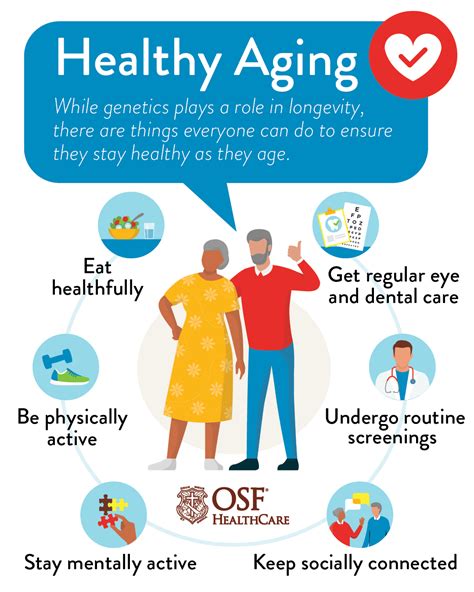
Maintaining a nutritious and balanced diet is fundamental to promoting longevity and overall health. Emphasizing a plant-based approach, diets rich in fruits, vegetables, whole grains, nuts, and legumes provide essential vitamins, minerals, antioxidants, and fiber that help reduce the risk of chronic diseases such as heart disease, diabetes, and certain cancers. The Mediterranean diet, in particular, stands out for its benefits, including a significant reduction in all-cause mortality. This diet focuses on healthy fats like olive oil, lean proteins, and limited intake of processed foods and red meats.
Portion control and caloric management also play crucial roles. Moderately restricting calorie intake without causing malnutrition can activate cellular repair processes and reduce metabolic stress, potentially extending lifespan. Incorporating intermittent fasting or fasting-mimicking diets, which involve reducing caloric intake for specific periods, has shown promise in lowering biological age markers and improving cardiovascular health.
Limiting the consumption of processed foods, sugary beverages, and excessive red meat intake is essential. These foods are often high in unhealthy fats, added sugars, and preservatives, which are linked to increased inflammation, obesity, and higher risks of chronic illnesses. Prioritizing whole, minimally processed foods ensures better nutrient intake and supports metabolic health.
2. Engaging in Regular Physical Activity
Regular exercise is a cornerstone of a long and healthy life. Engaging in at least 150 minutes of moderate-intensity or 75 minutes of vigorous-intensity aerobic activity each week, combined with strength training exercises twice a week, can enhance cardiovascular health, improve muscle mass and bone density, and reduce inflammation. Activities such as walking, running, cycling, swimming, and resistance training are particularly beneficial.
Incorporating both aerobic and strength training exercises into your routine ensures a comprehensive approach to fitness. Aerobic exercises improve heart and lung function, while strength training maintains muscle mass and metabolic rate, which are critical as the body ages. Additionally, reducing sedentary time by incorporating more movement throughout the day, such as standing desks or regular breaks for stretching, can further contribute to improved health outcomes.
Maintaining an active lifestyle not only aids in weight management but also enhances mental health by reducing symptoms of depression and anxiety, promoting better sleep, and fostering cognitive function.
3. Maintaining a Healthy Body Weight
Achieving and maintaining a healthy body mass index (BMI) between 18.5 and 24.9 is crucial for longevity. Excess body weight, particularly obesity, is a significant risk factor for numerous chronic diseases, including type 2 diabetes, hypertension, cardiovascular diseases, and certain cancers. Regular physical activity and a balanced diet are essential strategies for managing body weight effectively.
Additionally, monitoring waist circumference can provide valuable insights into abdominal fat distribution, which is closely linked to metabolic health. Maintaining a healthy weight not only reduces the risk of chronic diseases but also improves overall mobility, energy levels, and quality of life.
4. Avoiding Tobacco and Limiting Alcohol Consumption
Smoking is one of the most significant preventable causes of death worldwide. Quitting smoking or avoiding tobacco use altogether can dramatically increase life expectancy and reduce the risk of numerous diseases, including lung cancer, heart disease, and stroke. Additionally, avoiding exposure to secondhand smoke is equally important for overall health.
When it comes to alcohol, moderation is key. Limiting alcohol intake to up to one drink per day for women and up to two drinks per day for men can contribute to longevity. Excessive alcohol consumption is associated with liver disease, certain cancers, cardiovascular problems, and accidents. Adhering to recommended guidelines ensures that alcohol does not negatively impact health.
5. Ensuring Quality Sleep
Adequate and quality sleep is essential for physical and mental well-being. Most adults require between 7 to 9 hours of sleep each night. Consistent sleep patterns help regulate hormones, support immune function, and facilitate cellular repair processes. Poor sleep quality or chronic sleep deprivation is linked to increased risks of obesity, diabetes, cardiovascular diseases, and impaired cognitive function.
Establishing good sleep hygiene practices, such as maintaining a regular sleep schedule, creating a restful sleep environment, and avoiding screen time before bed, can enhance sleep quality. Incorporating relaxation techniques like reading, meditation, or gentle stretching before bedtime can also promote better sleep.
6. Managing Stress Effectively
Chronic stress negatively impacts both physical and mental health, contributing to conditions such as hypertension, heart disease, depression, and anxiety. Effective stress management techniques are vital for promoting longevity. Practices such as mindfulness meditation, yoga, deep breathing exercises, and spending time in nature can significantly reduce stress levels.
Developing healthy coping mechanisms, such as engaging in hobbies, maintaining a balanced work-life schedule, and seeking social support, can also mitigate the adverse effects of stress. Regularly incorporating these practices into daily routines fosters resilience and improves overall quality of life.
7. Cultivating Strong Social Connections
Maintaining robust social relationships and engaging in regular social interactions are strongly associated with increased longevity and improved mental health. Social connections provide emotional support, reduce feelings of loneliness, and promote a sense of belonging and purpose. Active participation in community activities, maintaining close relationships with family and friends, and fostering new social ties contribute to a longer, healthier life.
Additionally, social engagement has been linked to better cognitive function, reduced risk of mental health disorders, and enhanced immune responses, all of which are crucial for longevity.
8. Engaging in Mental Stimulation
Keeping the mind active through lifelong learning and mentally challenging activities supports cognitive health and reduces the risk of neurodegenerative diseases. Activities such as reading, puzzles, learning new skills, and engaging in intellectually stimulating hobbies enhance brain plasticity and cognitive reserve.
Regular mental stimulation not only preserves memory and cognitive function but also contributes to overall mental well-being, which is essential for a long and healthy life.
9. Staying Hydrated
Adequate hydration is vital for maintaining bodily functions, including digestion, nutrient absorption, and temperature regulation. Proper hydration supports cardiovascular health, cognitive function, and physical performance. Dehydration can lead to fatigue, impaired cognitive abilities, and increased risk of chronic illnesses.
It is recommended to consume sufficient water throughout the day, with variations based on individual needs, activity levels, and environmental conditions. Incorporating water-rich foods like fruits and vegetables also contributes to overall hydration.
10. Utilizing Preventive Healthcare
Regular health checkups and screenings are essential for early detection and management of potential health issues. Preventive care measures, such as vaccinations, dental checkups, and routine screenings for conditions like high blood pressure, cholesterol levels, and diabetes, can prevent complications and extend lifespan.
Staying up-to-date with recommended vaccinations protects against infectious diseases that can have severe consequences, especially in older adults. Proactive engagement with healthcare professionals ensures personalized and timely interventions, promoting long-term health and longevity.
11. Fostering a Sense of Purpose
Having a sense of purpose and engaging in meaningful activities contributes significantly to mental and emotional well-being. Whether through career achievements, volunteer work, hobbies, or personal relationships, finding purpose provides motivation, reduces stress, and enhances overall life satisfaction.
A purposeful life is associated with lower mortality rates, improved mental health, and increased resilience, all of which are key factors in promoting longevity.
12. Implementing Caloric and Fasting Strategies
Caloric restriction, when done without malnutrition, has been shown to activate cellular repair mechanisms and reduce metabolic stress, which can contribute to increased lifespan. Intermittent fasting, involving periods of reduced caloric intake, is a related strategy that may offer similar benefits by improving metabolic health and reducing inflammation.
Fasting-mimicking diets, which entail short-term calorie reduction protocols, have been associated with reduced biological age markers and improved cardiovascular health. It's essential to approach these strategies under the guidance of healthcare professionals to ensure nutritional adequacy and mitigate potential risks.
13. Maintaining Good Hydration
Water is fundamental to almost every bodily function, including blood circulation, temperature regulation, and waste elimination. Staying adequately hydrated supports all aspects of physical health, from joint lubrication to maintaining healthy skin. Dehydration can impair physical performance, cognitive function, and increase the risk of urinary tract infections and kidney stones.
It is recommended to drink water regularly throughout the day, adjusting intake based on activity level, climate, and individual needs. Including hydrating foods, such as cucumbers, oranges, and melons, can also help maintain optimal hydration levels.
14. Incorporating Mindfulness and Relaxation Techniques
Mindfulness practices, including meditation, yoga, and deep breathing exercises, play a significant role in reducing chronic stress and promoting mental clarity. These practices help lower cortisol levels, reduce anxiety, and improve overall emotional regulation, contributing to better physical health and increased longevity.
Regular mindfulness practice enhances self-awareness, fosters emotional resilience, and supports a balanced lifestyle, all of which are essential components of a long and healthy life.
Last updated December 28, 2024