
The Giants of the Earth: Unveiling the Evolutionary Reasons Behind Elephant Size
Exploring the Factors That Drove Elephants to Evolve into the Largest Terrestrial Mammals
Key Takeaways About Elephant Size
- Predator Avoidance: Large size provides a significant defense against predators.
- Access to Resources: Height advantage enables elephants to reach high vegetation and store more resources.
- Ancestry and Evolution: Modern elephants descended from large ancestors, with evolutionary pressures favoring increased size over millions of years.
Unpacking the Mystery: Why Elephants Evolved to Be So Large
Elephants, the largest terrestrial mammals on Earth, captivate us with their immense size and complex social behaviors. Their size is not a mere coincidence but the result of millions of years of evolution shaped by environmental pressures, dietary needs, and the advantages conferred by being big. Here's a detailed look into why elephants evolved to be so large.
The Evolutionary Timeline: From Mouse-Sized Ancestors to Modern Giants
The evolutionary journey of elephants is a fascinating tale of gradual adaptation and diversification. Early relatives of elephants, such as Eritherium, were quite small, weighing only around five kilograms. Over millions of years, the proboscidean lineage experienced a significant increase in size. Scientists estimate that it took approximately 24 million generations for mammals to evolve from mouse-sized creatures to the size of modern elephants.
Tracing the Ancestry: Gomphotherium and Beyond
The elephants we recognize today descended from a prehistoric elephant known as Gomphotherium, which lived about 20 million years ago. These ancient relatives were part of a rich group of giant mammals that diversified over time. As they evolved, they developed longer limbs, wider feet, and a more digitigrade stance to support their increasing weight.
Ecological Advantages: How Size Contributes to Survival
Being large offers several ecological advantages that have contributed to the survival and success of elephants.
Defense Against Predators
One of the primary reasons elephants evolved to be so big is to avoid predation. Their sheer size and strength act as a natural defense mechanism. Even formidable predators like lions think twice before attacking an elephant, especially a healthy adult. The size offers a level of security that smaller animals simply do not have.
Accessing High Vegetation
Size allows elephants to access vegetation that is out of reach for smaller herbivores. This advantage is particularly important in environments where food resources are limited. By reaching higher branches, elephants can secure a more reliable food supply, ensuring their survival during lean times.
Efficient Resource Storage
A large body can store more fat and water, enabling elephants to survive longer periods without food or water. This is crucial in regions with fluctuating environmental conditions, where resources may be scarce during certain times of the year. The ability to store resources effectively enhances their resilience and adaptability.
The Role of Climate Change in Elephant Evolution
Climate change has played a significant role in shaping the evolution of elephants. As environments changed over millions of years, larger body sizes became advantageous for survival. Climate change influenced the availability of food resources and the distribution of predators, favoring larger individuals who could better withstand these challenges.
Dietary Adaptations and Their Impact on Size
Elephants are herbivores, and their diet consists mainly of plants. The need to consume large quantities of vegetation to sustain their massive bodies has also driven their evolution towards larger sizes. Larger animals can process more food and extract more nutrients, which is essential for maintaining their energy requirements.
Genetic Factors: Cancer Resistance and Longevity
Recent studies have revealed that elephants possess extra copies of genes associated with tumor suppression. This may explain why elephants have a lower cancer rate compared to humans, despite their large size and long lifespans. Cancer resistance is an essential adaptation for large animals, as the risk of developing cancer increases with body size and lifespan.
Visualizing Elephant Evolution and Size
The following images provide a visual representation of the size and scale of elephants in various contexts:
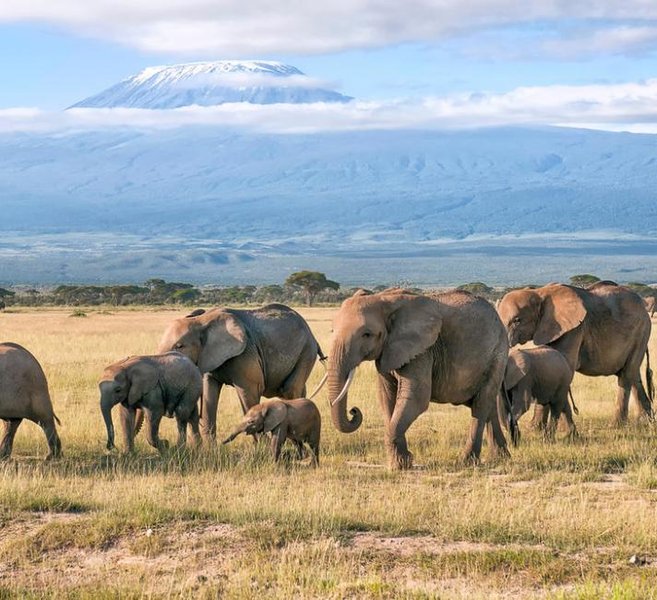
A herd of African bush elephants.
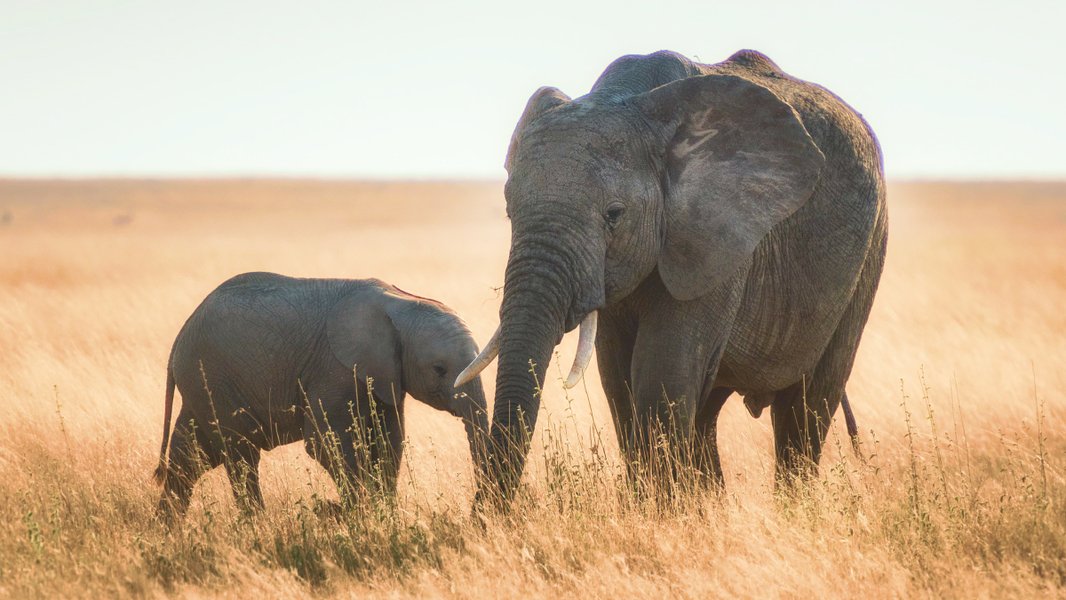
An African savanna elephant in its natural habitat.
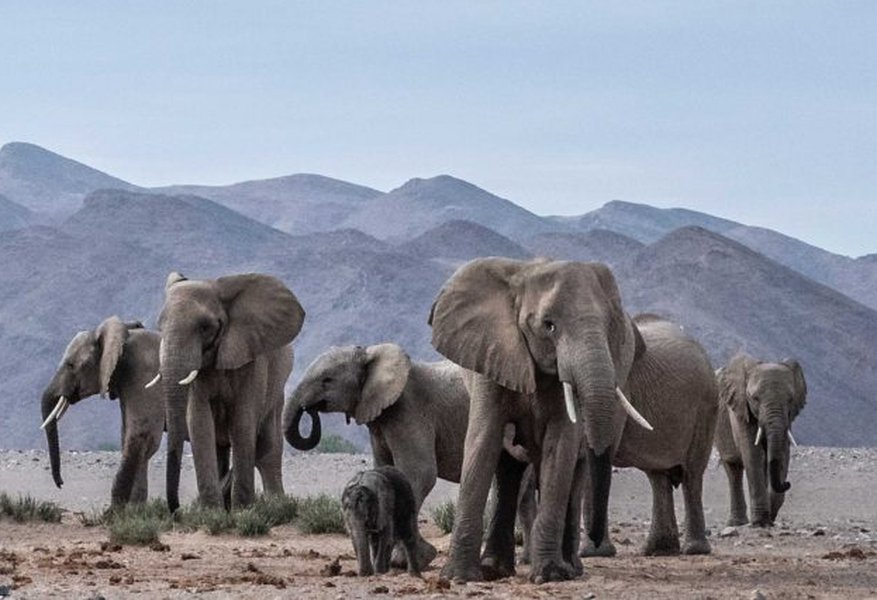
Elephants, showcasing their intelligence and social nature.
Comparative Sizes: Extinct and Living Elephants
Understanding the diverse sizes of both extinct and living elephants provides a comprehensive view of their evolutionary journey. One notable example is the size comparison between various elephant species, highlighting the largest elephants in the world and their prehistoric ancestors.
This video offers a detailed comparison of elephant sizes, including both living species and extinct megafauna. It provides a visual context for understanding the scale of elephant evolution and the impressive sizes some of these creatures attained. The video effectively showcases how elephants have grown to become the largest terrestrial mammals through millions of years.
The Physiological Implications of Elephant Size
The immense size of elephants also has significant physiological implications. Their bodies have evolved unique adaptations to cope with the challenges of being so large.
Skeletal Structure and Support
Elephants have evolved a robust skeletal structure to support their massive weight. Their limbs are straight and pillar-like, providing stability and minimizing stress on their joints. The digitigrade stance, where they walk on their toes, further enhances their ability to bear weight.
Thermoregulation
Maintaining a stable body temperature is a challenge for large animals, as they have a smaller surface area-to-volume ratio compared to smaller animals. Elephants use several strategies to regulate their body temperature, including their large ears, which act as radiators to dissipate heat. They also use mud and water to cool down, and their wrinkled skin increases the surface area for heat loss.
Cardiovascular System
Elephants have a powerful cardiovascular system to pump blood throughout their large bodies. Their hearts are proportionally larger than those of smaller mammals, and they have a complex network of blood vessels to ensure efficient circulation. The physiological adaptations of their cardiovascular system are essential for sustaining their active lifestyles.
Elephant Size: A Comparative Perspective
To further illustrate the evolutionary trends and ecological factors influencing elephant size, the following table compares key characteristics across different elephant species and their ancestors.
| Species | Approximate Weight | Height at Shoulder | Key Features | Evolutionary Significance |
|---|---|---|---|---|
| Eritherium | 5 kg | Small | Early elephant relative | Represents the ancestral small size of proboscideans. |
| Gomphotherium | 1-3 tons | Moderate | Prehistoric elephant with unique tusks | A transitional form in elephant evolution. |
| Asian Elephant (Elephas maximus) | 3-6 tons | 2-3.5 meters | Smaller ears, one trunk finger | Adapted to forest and grassland environments. |
| African Bush Elephant (Loxodonta africana) | 4-7 tons | 3-4 meters | Larger ears, two trunk fingers | The largest living terrestrial animal, adapted to savanna environments. |
| African Forest Elephant (Loxodonta cyclotis) | 2-5 tons | 2-2.5 meters | Smaller size, rounder ears | Adapted to dense forest habitats. |
This table highlights the variations in size and adaptations among different elephant species, showcasing the evolutionary pressures that have shaped their morphology and ecological roles.
FAQ Section
Why did elephants evolve to be so big?
Elephants evolved to be large primarily as a defense against predators, to access high vegetation, and to store more resources like fat and water. Their size also helps in thermoregulation and provides a competitive advantage in their environment.
How long did it take for elephants to evolve to their current size?
Scientists estimate that it took approximately 24 million generations for mammals to evolve from mouse-sized ancestors to the size of modern elephants.
What was the size of the earliest elephant ancestors?
The earliest elephant ancestors, such as Eritherium, were quite small, weighing only around five kilograms.
What role did climate change play in elephant evolution?
Climate change influenced the availability of food resources and the distribution of predators, favoring larger individuals who could better withstand these challenges. This led to the selection of larger body sizes over millions of years.
Do elephants have any genetic adaptations related to their size?
Yes, elephants possess extra copies of genes associated with tumor suppression, which may explain their lower cancer rate compared to humans, despite their large size and long lifespans.
References
Last updated April 10, 2025