
Detecting Anomalies in E-Voting with Blockchain Methods
An in-depth exploration of leveraging blockchain to secure digital voting systems
Key Takeaways
- Immutable and Transparent Records: Blockchain offers a tamper-proof ledger that makes every vote auditable and traceable.
- Real-Time Anomaly Detection: With smart contracts and integration of AI/ML, blockchain systems can monitor voting patterns continuously to flag irregularities.
- Enhanced Integrity and Trust: Combining cryptographic techniques with anomaly detection improves election security while preserving voter privacy.
1. Introduction
The evolution of digital technologies has paved the way for electronic voting (e-voting) systems that offer convenience, speed, and broad accessibility to voters. However, e-voting systems are vulnerable to various cybersecurity threats such as tampering, vote duplication, and unauthorized data modifications. To safeguard elections and ensure the integrity of the voting process, blockchain technology has emerged as a promising method for detecting anomalies. Blockchain’s core strengths—immutability, decentralization, and transparency—combine effectively with artificial intelligence (AI) and machine learning (ML) techniques to create a robust anomaly detection framework.
2. Blockchain and Anomaly Detection in E-Voting
2.1 Immutable and Transparent Ledger
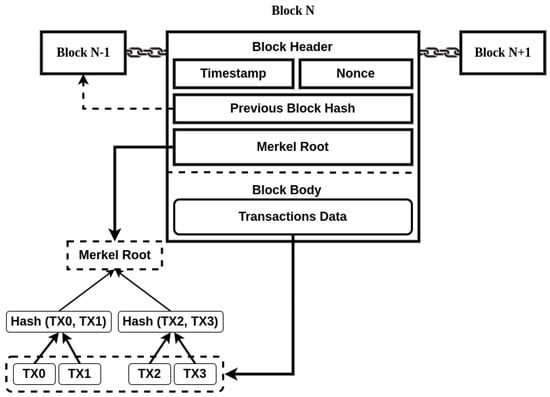
One of the primary advantages of blockchain is its immutable ledger. In an e-voting context, every vote is recorded as a transaction on a decentralized network. Once a vote is added to the blockchain, it cannot be altered or deleted without detection. This property is crucial for building trust in the electoral process because it protects against post hoc modifications or fraud. Additionally, the transparency of blockchain ensures that every recorded vote is auditable by decentralizing the verification process across multiple nodes, which makes it easier to detect any discrepancies or anomalies.
2.2 Real-Time Monitoring via Smart Contracts and AI
Blockchain-based e-voting systems can integrate smart contracts—self-executing code on the blockchain—which are used to automatically enforce voting protocols. For example, smart contracts can be programmed to flag duplicate votes, votes cast outside designated timeframes, or votes that do not meet certain cryptographic criteria. When tied with AI and ML methods, the system can analyze voting patterns in real time. Machine learning models can be trained on historical voting data to recognize normal patterns, and any deviation from these norms can trigger alerts.
In practice, real-time anomaly detection in blockchain e-voting may evaluate parameters such as:
- Voting frequency from a single source or geographic region
- Sudden surges or dips in vote counting
- Duplicate vote submissions despite cryptographic safeguards
These analyses are not only automated but continuously updated with every new transaction, enabling prompt detection and response to any irregular activities.
2.3 Cryptographic Verification and Digital Signatures
In any secure e-voting system, the identity of the voter and the authenticity of the vote are verified using cryptographic techniques. Digital signatures ensure that the vote originates from an authorized voter with a unique cryptographic key. Coupled with blockchain’s decentralized ledger, these signatures make it extremely difficult for attackers to inject fraudulent votes without detection. This dual layer of security—cryptographic verification coupled with blockchain transparency—enhances the overall integrity of the electoral process.
2.4 Decentralization and Distributed Verification
Blockchain’s decentralized structure means that there is no single point of failure. All nodes within the network participate in the verification process, making it almost impossible for a single entity to compromise the entire system. By distributing the validation process across numerous independent nodes, any anomalous activity or attempt at tampering is more likely to be detected and flagged immediately.
3. Techniques for Detecting Anomalies in E-Voting Systems
3.1 Automated Log Analysis
Automated log analysis tools are critical in examining blockchain transaction data for irregularities. These tools continuously monitor the blockchain’s ledger, looking for changes that deviate from the expected behavior. By employing statistical methods, the system can measure various parameters like the frequency and distribution of votes. If values fall outside an acceptable range, the system automatically flags those entries as potential anomalies for further investigation.
3.2 Statistical Methods and Machine Learning
Integrating statistical analysis with machine learning models significantly improves the detection of fraudulent voting behavior. Data scientists build models based on expected distributions or historical data to determine what constitutes normal voting behavior. Techniques such as clustering, decision trees, and ensemble algorithms are used to establish the baseline behavior. When incoming data is compared against this baseline, the machine learning system can identify outliers—votes that diverge from expected patterns—prompting more detailed inspections.
Moreover, specialized algorithms such as Isolation Forest or One-Class Support Vector Machines (SVM) are employed to isolate and identify anomalies. These unsupervised methods are particularly useful for detecting rare fraudulent events in a dataset that is predominantly composed of normal behavior.
3.3 Smart Contracts for Proactive Anomaly Detection
Smart contracts on blockchain platforms allow for real-time checks and automated responses when a potential anomaly is detected. For example, a smart contract may be programmed to include rules such as “if a vote is detected to be cast more than once by the same verified account within a given timeframe, trigger an alert.” This real-time monitoring ensures that any deviation from the protocol is caught immediately, thus tightening the security of the e-voting system.
3.4 Explainable AI and Transparency
An emerging trend in anomaly detection is the use of Explainable Artificial Intelligence (XAI). Tools such as Shapley Additive Explanations (SHAP) help elucidate why certain votes are flagged as anomalous. By attributing the output of machine learning models to specific features—such as voting timestamp irregularities or unusual geolocation patterns—XAI provides the necessary rationale behind a decision. This transparency not only increases confidence among auditors and stakeholders but also aids in refining the detection algorithms.
3.5 Integration with Other Security Technologies
Although blockchain provides the inherent security features needed for anomaly detection in e-voting, it is most effective when combined with complementary technologies. The integration of intrusion detection systems, big data analytics, and even facial recognition for voter identification adds further layers of security. In this multi-factor approach, while blockchain ensures the integrity and immutability of recorded data, other technologies work to verify that the data originates from legitimate sources, thereby reducing the chance of fraudulent activities.
4. Challenges and Considerations
4.1 Balancing Privacy and Transparency
One of the fundamental challenges in incorporating blockchain technology in e-voting systems is maintaining the balance between voter privacy and system transparency. While blockchain’s transparency facilitates auditability and anomaly detection, it is crucial to ensure that voter anonymity is preserved. Technologies like zero-knowledge proofs help bridge this gap, allowing the system to validate the authenticity of votes without revealing the voter’s personal details.
4.2 Scalability and Performance
E-voting systems, particularly during large-scale elections, generate voluminous transactional data. Real-time anomaly detection must therefore be highly scalable and optimized for performance. The computational overhead of continuously monitoring blockchain transactions can become significant. It is essential to design systems that can efficiently process large amounts of data without interfering with the voting process itself. Techniques such as sharding and off-chain processing are potential solutions to scale the operations while maintaining speed and accuracy.
4.3 False Positives and System Tuning
A common challenge in developing anomaly detection systems is the fine-tuning required to minimize false positives while ensuring that genuine fraudulent activity does not go undetected. Over-sensitive systems may flag normal variations in voting patterns as anomalies, causing unwarranted alerts and potentially undermining public confidence in the system. Therefore, continuous calibration and refining of detection algorithms using updated historical data and simulation exercises is critical.
4.4 Regulatory and Ethical Considerations
The deployment of blockchain in e-voting raises important regulatory and ethical questions. Election authorities must align blockchain-based systems with existing laws and regulations regarding data privacy, cybersecurity, and electoral integrity. Additionally, ensuring that the detection algorithms do not inadvertently introduce bias into the voting process or disenfranchise certain voter groups is vital. Therefore, regulatory compliance, along with robust audits, forms an essential component in the successful adoption of blockchain for securing e-voting.
5. Implementation Strategies
5.1 System Architecture
An effective e-voting system leveraging blockchain for anomaly detection typically involves several layers of technology. At the base, the blockchain network itself serves as the ledger for recording votes in an immutable manner. On top of this, smart contracts enforce the rules of the election and execute real-time checks. Additionally, separate modules integrate AI and ML algorithms that process data streams to detect deviation from expected voting patterns.
The following table summarizes key components and their roles in the architecture:
| Component | Function |
|---|---|
| Blockchain Ledger | Records votes in an immutable, decentralized manner ensuring transparency and data integrity. |
| Smart Contracts | Automate vote validation rules, flag anomalies such as duplicate entries or out-of-bound timestamps, and trigger alerts. |
| AI/ML Modules | Analyze voting patterns in real time to detect statistically significant deviations and potential fraud. |
| Cryptographic Systems | Ensure voter authenticity through digital signatures and encryption, thereby preventing unauthorized vote casting. |
| Audit and Dashboard Tools | Provide a user-friendly interface for real-time monitoring, analysis, and verification by election officials and independent auditors. |
5.2 Pilot Projects and Real-World Applications
Several pilot projects and case studies have demonstrated the potential of blockchain to enhance electoral integrity through effective anomaly detection. For instance, blockchain-based voting systems have been piloted in small-scale elections to test the integration of smart contracts and real-time monitoring. These projects have confirmed that anomalies—such as multiple submissions from the same node or atypical voting bursts—can be effectively identified and addressed.
5.3 Integration with Existing Electoral Systems
While blockchain offers a powerful solution for anomaly detection, integrating it with existing electoral infrastructure remains a challenge. The transition process involves not only the technical migration but also building stakeholder trust through transparency and rigorous testing. Collaboration with regulatory authorities and cybersecurity experts ensures that the system meets legal and security standards. Over time, as the technology matures and more pilot results are validated, wider implementation can further refine the protocols for anomaly detection.
5.4 Future Directions and Enhancements
Future research in this domain is expected to address the limitations of current systems by incorporating advanced AI algorithms with higher resilience against false positives. Moreover, improvements in blockchain scalability, including the adoption of layer-two solutions like state channels and sidechains, will ensure that the system remains efficient even in national-scale elections. Continuous evolution of explainable AI techniques will also further demystify the decision-making process in the anomaly detection system, thereby bolstering transparency and trust.
6. Conclusion
In conclusion, the integration of blockchain technology with advanced anomaly detection techniques offers a promising pathway to secure e-voting systems. Blockchain’s immutable and decentralized ledger ensures that each vote remains tamper-proof, while smart contracts and AI-driven monitoring provide real-time surveillance that improves detection of irregularities. Although challenges remain—particularly in balancing privacy with transparency, ensuring scalability, and fine-tuning detection to minimize false positives—the comprehensive architecture outlined above demonstrates that blockchain-based methods can significantly enhance the security and reliability of electoral processes. As further research and pilot implementations refine these methodologies, stakeholders can gain greater confidence in a digital electoral system that is fortified against fraud and malicious interference.
References
- The impact of blockchain and artificial intelligence technologies in network security for e-voting - ResearchGate
- Blockchain-Based E-Voting and Electoral Fraud Detection - IJECE
- Blockchain for secure digital transactions - Wiley Online Library
- Blockchain-Based E-Voting and Electoral Fraud Detection - IJRASET
- Detecting anomalies in blockchain transactions using explainable AI - MDPI
-
How using blockchain for voting can prevent fraud - Reverbtech
- Blockchain anomaly detection techniques - ScienceDirect
- Explainable AI in blockchain anomaly detection - arXiv
Learn More
Last updated February 18, 2025