
Building a Thriving Legacy: Aspirations for a 501(c) Ex-Alumni Association
Unlocking the potential of former member communities through strategic engagement, robust governance, and unwavering support for their parent institution.
Key Aspirations for a 501(c) Ex-Alumni Association
- Cultivate Lifelong Connections: Forge enduring bonds among alumni and between alumni and the institution, ensuring a continuous sense of belonging and mutual support.
- Ensure Robust Governance & Compliance: Establish a clear organizational structure with strong financial oversight and adherence to IRS 501(c) regulations to maintain legitimacy and trust.
- Deliver Tangible Member Value: Provide meaningful benefits and diverse engagement opportunities that resonate with alumni needs, fostering active participation and loyalty.
A 501(c) ex-alumni association, often structured as a tax-exempt entity, plays a pivotal role in maintaining a vibrant connection between former members and their parent institution, whether it's an educational establishment, a corporate entity, or a community organization. Its success hinges on its ability to evolve into a dynamic, sustainable, and highly engaging community. These associations typically fall under IRS classifications like 501(c)(3) for charitable or educational purposes, allowing for tax-deductible contributions, or 501(c)(7) for social clubs primarily funded by member dues. Regardless of the specific designation, the core mission is to foster loyalty, strengthen ties, and promote the collective welfare of its members and the institution.
The following ten key points outline what a 501(c) ex-alumni association should aspire to be, emphasizing a comprehensive approach that integrates robust organizational practices with strong community building and strategic alignment.
10 Core Aspirations for an Exemplary Ex-Alumni Association
1. Cultivating a Lifelong, Mutually Beneficial Connection
At its heart, an ex-alumni association should strive to build and nurture enduring relationships among alumni and between alumni and the institution. This means creating a strong sense of belonging that extends far beyond the immediate post-departure period. The connection should be mutually beneficial, offering continuous value to alumni in the form of resources, networking, and opportunities, while simultaneously supporting the institution's ongoing goals. This involves consistent effort to integrate alumni into the fabric of the institution's past, present, and future.
2. Ensuring Robust Legal and Financial Governance
As a 501(c) organization, maintaining stringent legal and financial governance is paramount. The association must comply with all IRS regulations pertinent to its specific 501(c) status, such as 501(c)(3) or 501(c)(7). This includes accurate accounting, transparent financial reporting, and strict adherence to bylaws that serve as the organization’s guiding constitution. A committed board of directors with clear roles, responsibilities, and financial expertise is crucial for strategic oversight and effective decision-making, ensuring the organization's legitimacy and fostering donor confidence.
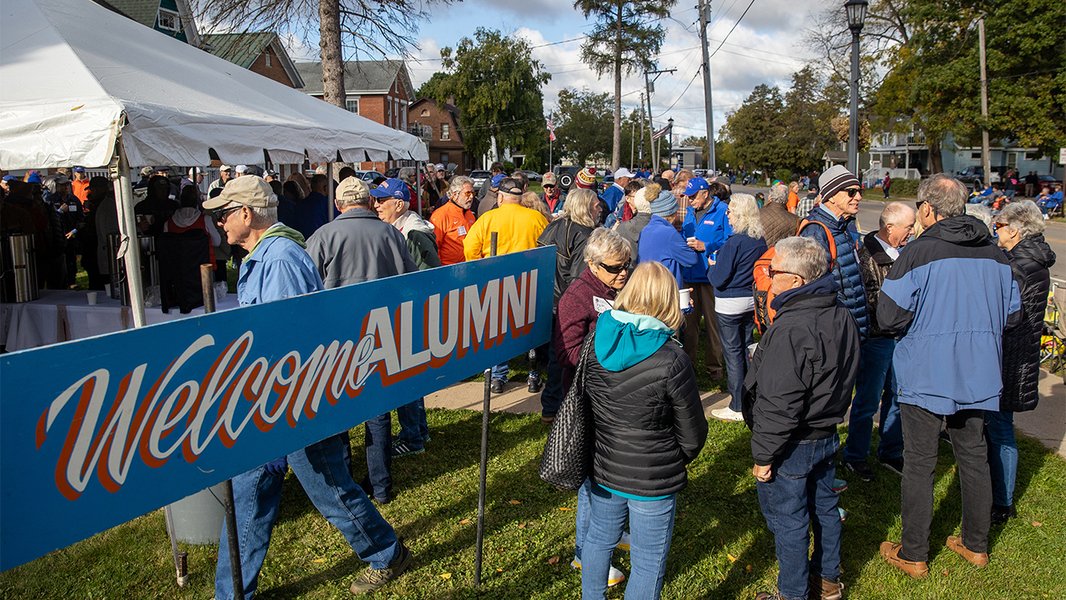
Alumni engaging at an event, showcasing the vibrant community a strong association fosters.
3. Fostering a Strong Community and Networking Hub
The association should aspire to be a dynamic central hub where former members can connect, interact, and collaborate both socially and professionally. This involves facilitating meaningful networking opportunities, mentorship programs for current students or newer alumni, and diverse social gatherings. By leveraging the collective power of the alumni network, the association enhances member value through career advancement, business development, and personal enrichment. This also includes cultivating a culture of inclusivity that embraces the diverse backgrounds and experiences of all alumni.
4. Providing Relevant and Valuable Member Benefits
To attract and retain members, a successful alumni association must consistently deliver relevant, valuable, and easily accessible benefits. These benefits should align with the diverse needs and expectations of alumni. Examples include exclusive access to career services, professional development workshops, discounts through strategic partnerships with local businesses, access to campus facilities, and exclusive events. The objective is to provide tangible value that encourages continued engagement and membership.
5. Promoting and Supporting the Parent Institution's Mission
A key aspiration for any ex-alumni association is to actively support and advance the goals of its parent institution. This can manifest through various initiatives, such as assisting with fundraising campaigns, contributing to student scholarships, advocating for the institution's interests, and supporting current programs. For educational institutions, this often means strengthening connections and encouraging active involvement with the alma mater, aligning the association's activities with the broader educational or charitable mission.
6. Engaging Alumni Through Diverse and Innovative Activities
To maintain high levels of engagement, the association should offer a wide array of creative and effective activities that cater to varied interests and demographics. This includes virtual meet-ups, online communities, alumni awards, philanthropic opportunities, virtual book clubs, and hybrid events that combine in-person and online elements. Tailored activities for different alumni personas—such as recent graduates, mid-career professionals, or retirees—are essential to keep the community active and involved.
7. Ensuring Clear and Compelling Communication
Effective communication is the backbone of a thriving alumni association. This involves crafting clear, concise messages that highlight the value of membership, sharing success stories of alumni impact, and engaging with members regularly across multiple channels. Consistent communication through newsletters, websites, social media platforms, and personalized emails is crucial for keeping alumni informed, connected, and feeling valued. This strategic communication also helps to transparently demonstrate the impact of contributions and engagement.
8. Embracing Technology for Enhanced Engagement and Efficiency
An effective ex-alumni association must embrace technology to streamline operations, enhance communication, and broaden its reach. Utilizing robust alumni management platforms for data organization, event registration, and outreach efforts is critical. Online alumni communities, virtual event platforms, and digital directories can significantly boost engagement by making resources accessible globally and facilitating seamless interaction beyond traditional methods. This technological integration supports the association’s mission by enabling a wider audience to participate and benefit.
9. Planning for Long-Term Sustainability and Growth
Sustainability is crucial for the long-term viability of the association. This involves developing a diversified funding model that may include membership dues, tax-deductible donations (especially for 501(c)(3)s), grants, and sponsorships. Beyond finances, long-term planning encompasses developing a pipeline of volunteer leaders, continuously assessing program effectiveness through alumni feedback, and adapting services to meet evolving alumni needs and market conditions. A proactive approach to membership recruitment and renewal is also essential.
10. Upholding Educational and Charitable Purposes for Tax Compliance
Finally, to maintain its 501(c) status, the association must rigorously commit to operating exclusively for educational, charitable, or related purposes, as defined by IRS rulings. This means ensuring that all activities and programs align with the public good, such as providing scholarships, supporting institutional advancement, or offering community outreach initiatives. Adhering to these core purposes not only ensures legal compliance and tax benefits for donors but also reinforces the association’s meaningful impact and public trust, preventing any deviation into non-exempt activities.
Strategic Pillars for Alumni Association Success
To further illustrate the multifaceted nature of a successful ex-alumni association, consider the following radar chart. It visually represents the aspirational performance across key dimensions, demonstrating the balance required for holistic development. The further a point is from the center, the stronger the association's aspiration or performance in that area.
This radar chart illustrates the importance of a balanced approach across all aspects of alumni association management. While strong governance and compliance are foundational, equal attention must be paid to engagement, financial sustainability, and the delivery of tangible value to members. A well-rounded association will see its 'Aspirational Performance' dataset closer to the outer edge of the chart in all areas.
Understanding the Foundational Structure: A Mindmap
The following mindmap outlines the critical components and interconnectedness of an ex-alumni association's aspirations, providing a hierarchical view of its core functions and objectives. This diagram emphasizes how various aspects of the association's goals are linked and contribute to its overall success.
The mindmap visually reinforces that every aspiration, from fostering connections to ensuring sustainability, is interconnected. A strong foundation in governance supports effective engagement, which in turn drives financial stability and the ability to provide valuable benefits. This holistic approach ensures the association functions as a cohesive and impactful entity.
Key Operational Aspects and Responsibilities
To achieve the aforementioned aspirations, an ex-alumni association must focus on several operational areas. The following table provides a breakdown of core responsibilities, categorizing them by functional area to provide a clearer understanding of the daily and strategic tasks involved.
| Functional Area | Key Responsibilities | Impact on Aspirations |
|---|---|---|
| Governance & Legal | Develop and enforce bylaws; ensure IRS 501(c) compliance; conduct regular board meetings; manage financial audits. | Ensures legitimacy, prevents mismanagement, and builds trust with members and donors. |
| Member Engagement | Organize diverse events (in-person/virtual); facilitate networking; manage mentorship programs; solicit alumni feedback. | Fosters a vibrant community, enhances lifelong connections, and increases participation. |
| Communication & Outreach | Publish newsletters; maintain website and social media; send targeted emails; craft compelling value propositions. | Keeps alumni informed, highlights benefits, reinforces value, and drives participation. |
| Financial Management | Develop budgets; manage dues collection; oversee fundraising campaigns; ensure transparent financial reporting. | Secures financial sustainability, supports programs, and maintains tax-exempt status. |
| Program Development | Identify relevant member benefits; create professional development opportunities; develop philanthropic initiatives; partner with businesses. | Delivers tangible value, encourages loyalty, and aligns with educational/charitable goals. |
| Institutional Support | Collaborate with parent institution; support fundraising efforts; advocate for institutional interests; facilitate student-alumni interactions. | Strengthens ties with the alma mater, contributes to its mission, and reinforces shared purpose. |
| Technology & Data | Implement CRM/alumni management software; manage online communities; maintain accurate alumni database; utilize digital tools for events. | Enhances efficiency, broadens reach, facilitates personalized outreach, and improves data-driven decision-making. |
Visualizing Alumni Engagement Strategies
Alumni engagement is a dynamic process that benefits from diverse strategies. The video below, "Effective Strategies to Build a Successful Alumni Community," offers practical insights into how organizations can cultivate and maintain active alumni networks. It highlights the importance of consistent communication, tailored programming, and leveraging digital tools to foster a sense of belonging and continued involvement.
An insightful video on building successful alumni communities through effective strategies.
This video delves into methodologies that can significantly impact an alumni association's ability to engage its members effectively. It covers topics such as segmenting alumni for personalized outreach, creating valuable content, and leveraging events to strengthen connections. By implementing these strategies, associations can transform passive members into active participants and advocates, driving both engagement and support for their parent institution's mission.
Frequently Asked Questions
What is the primary difference between a 501(c)(3) and a 501(c)(7) alumni association?
How can an alumni association ensure financial sustainability?
What role does technology play in modern alumni associations?
How does an alumni association support its parent institution?
Why are clear bylaws important for a 501(c) alumni association?
Conclusion
In essence, a 501(c) ex-alumni association should aspire to be a dynamic, purpose-driven community that serves as a bridge between its former members and their shared institutional legacy. By focusing on strong governance, delivering tangible member value, fostering lifelong connections, and strategically aligning with the parent institution's mission, such an association can create a vibrant, sustainable, and impactful ecosystem. The key is to blend tradition with innovation, leveraging technology and diverse engagement strategies to ensure continued relevance and a strong sense of belonging for all alumni. This holistic approach ensures not only the growth and vitality of the association but also its enduring contribution to the wider community and the institution it represents.
Recommended Searches
- Best practices for alumni engagement in higher education
- How to structure nonprofit boards for alumni associations
- Strategies for diversifying revenue in 501(c)(3) organizations
- Innovative virtual event ideas for alumni communities
Referenced Search Results
 cdn1.sportngin.com
 cdn.zephyrcms.com