
Comprehensive Evaluation of a 50-Year-Old Man's Exercise Plan
An analysis of strengths, weaknesses, and recommendations for fat loss and muscle gain
Key Highlights
- Balanced Approach: The plan combines heavy compound strength training with high-intensity interval training (HIIT), targeting both muscle hypertrophy and fat loss.
- Risk of Overtraining: Intensive sessions both morning and evening may lead to insufficient recovery, heightened injury risk, and possible performance declines.
- Critical Importance of Recovery and Nutrition: Adequate recovery periods and proper nutritional strategy are essential to optimize results, especially given the age factor and training intensity.
Detailed Analysis of the Exercise Plan
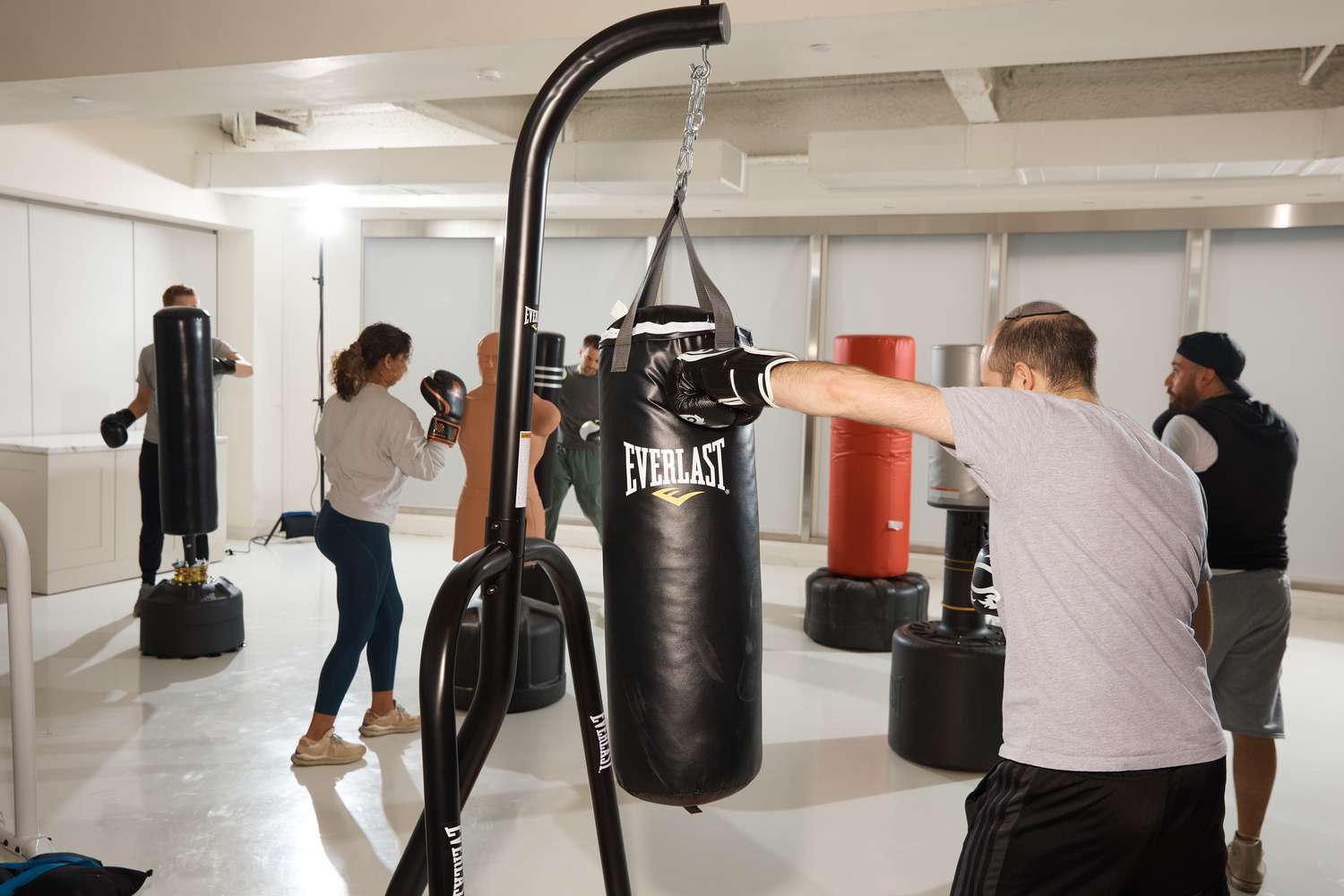
A 50-year-old man aiming to lose fat and gain muscle has designed a two-part daily exercise plan. In the morning he performs heavy compound strength training which includes exercises such as deadlifts, squats, and bench press in a 5 sets of 5 reps format. In the evening, his routine shifts to high-intensity interval training (HIIT) using a boxing bag, followed by a lighter weightlifting session with 6 sets of 8 reps. This plan is structured to target both muscle hypertrophy and fat loss while integrating cardiovascular exercise. However, careful consideration must be given to potential risks, especially in relation to recovery, injury prevention, and nutritional support.
Strength Training in the Morning
Benefits of Heavy Compound Exercises
The inclusion of compound lifts such as deadlifts, squats, and bench press offers multiple benefits:
- Multi-Joint Activation: These exercises recruit several large muscle groups simultaneously, stimulating muscle growth effectively. This multi-joint nature not only develops core strength but also increases overall metabolism as more muscle is engaged in the workout.
- Progressive Overload: Performing 5 sets of 5 reps is a well-known strength training protocol aimed at building muscle mass and strength. This fixed structure facilitates progressive overload, a key principle whereby incremental increases in weight help continuously challenge muscle fibers leading to hypertrophy.
- Hormonal Response: Heavy resistance training triggers hormonal responses beneficial for muscle growth, including the release of testosterone and human growth hormone (HGH). These hormones contribute not only to muscle repair and growth but also to enhanced fat metabolism.
Concerns Relating to Heavy Lifting
While heavy lifting yields significant benefits, several concerns need to be addressed:
- Risk of Overtraining: Engaging in heavy lifting every morning can lead to chronic fatigue and insufficient recovery time, especially if the body is then pushed further with an intense evening session. As recovery times typically increase with age, a 50-year-old may need longer breaks between sessions.
- Injury Risks: Lifting heavy weights, particularly without highly controlled form, can lead to acute injuries (e.g., muscle strains, joint stress) and overuse injuries. Attention to proper technique is crucial, and a warm-up routine should always precede these sessions.
- Neuromuscular Fatigue: Heavy resistance training depletes energy reserves and imposes a significant neuromuscular load. This can affect subsequent training sessions if not sufficiently recovered, necessitating careful programming and periodic deloading phases.
High-Intensity Interval Training (HIIT) and Light Weightlifting in the Evening
Advantages of HIIT
Incorporating HIIT using a boxing bag is an excellent method for increasing cardiovascular fitness and encouraging fat loss:
- Enhanced Calorie Burn: HIIT is renowned for its ability to increase both the intensity during workouts and the rate of calorie burn afterwards (commonly known as the afterburn effect or excess post-exercise oxygen consumption – EPOC).
- Rapid Conditioning: Boxing bag workouts combine cardiovascular endurance with agility and coordination, which are beneficial for overall conditioning, stamina, and even stress reduction.
- Time Efficiency: HIIT sessions are typically shorter in duration but high in intensity, which is ideal for someone with time constraints or for optimizing fat loss in a structured manner.
Role of Lighter Weightlifting with Higher Reps
Following the HIIT session with a lifting protocol of 6 sets of 8 reps at lighter weights serves several functions:
- Muscle Endurance: Higher rep ranges promote muscular endurance and can target slow-twitch fibers, which complement the fast-twitch fibers activated during heavy lifting. This approach can lead to balanced muscle development.
- Differentiated Muscle Stimulation: Lighter weights allow for additional muscle stimulation without the same degree of neuromuscular strain imposed by heavy lifts. This varying intensity can foster muscle endurance and provide a different stimulus necessary for overall hypertrophic progress.
- Recovery Considerations: The reduced load potentially aids in active recovery by promoting blood circulation and muscle activation without overloading fatigued muscles.
Concerns Regarding the Evening Routine
Despite the benefits of HIIT and lighter weight training, some challenges remain:
- Increased Overall Training Volume: Combining an intense HIIT session with additional weightlifting in the same day can result in high total training volume. For a 50-year-old individual, this can overwhelm the body's recovery mechanisms, leading to cumulative fatigue.
- Potential Overlap of Muscle Fatigue: Due to the heavy load performed in the morning, the muscle fibers may still be fatigued during the evening session. This can compromise workout quality and might lead to improper form and an increased risk of injuries.
- Cardiorespiratory Strain: HIIT naturally places a significant demand on the cardiovascular system. When combined with additional physical exertion from subsequent weightlifting, the cumulative stress could be excessive without adequate recovery and adaptation periods.
Considerations Specific to a 50-Year-Old Man
Aging introduces specific physiological nuances that must be integrated into any high-intensity exercise plan. The strategies to lose fat and gain muscle should be tempered with attention to recovery, safety, and injury prevention. At the age of 50, these aspects become even more critical:
Recovery and Adaptation
Importance of Rest and Recovery
Recovery is a cornerstone of success in any training regimen, particularly for older adults. Muscles repair and grow during periods of rest. It is essential to incorporate:
- Scheduled Rest Days: Adequate rest days should be interspersed within the training week to prevent overtraining and allow muscle recovery. This helps reduce the risk of injuries and chronic fatigue.
- Sleep Quality: High-quality sleep is vital for muscle repair, hormone regulation, and overall recovery. At this age, sleep efficiency might decline, and conscious measures to improve sleep quality could be beneficial.
- Active Recovery Techniques: Incorporating low-intensity activities such as walking, yoga, or stretching can facilitate blood flow to muscles and enhance recovery without imposing additional strain.
Periodization and Progressive Overload
For sustained progress, the training program must allow for gradual adaptation:
- Progressive Overload Strategy: Although lifting heavy in a 5x5 format is beneficial for strength gains, it is crucial to incorporate progressive overload gradually. This involves systematically increasing the weights or adjusting the rep scheme over time to keep challenging the muscle fibers.
- Periodization: Implementing periodized training cycles (e.g., alternating weeks of higher volume with recovery weeks) will help manage intensity and prevent plateaus.
- Listening to the Body: At any sign of excessive fatigue, prolonged muscle soreness, or diminished performance, the regimen should be tweaked accordingly. An individualized approach that factors in current fitness levels and recovery capacity is essential for long-term adherence and success.
Nutritional Strategies and Supplementation
Dietary Requirements Guided by Goals
Nutrition is integrally linked to both fat loss and muscle gain. For a 50-year-old man on such an intensive training regimen, a well-structured dietary plan is non-negotiable:
- Protein Intake: Adequate protein consumption is vital to support muscle repair and hypertrophy. A common recommendation is a daily intake in the vicinity of 1.4 to 2.0 grams of protein per kilogram of body weight, with the upper end being more important when training intensity is high.
- Caloric Balance: Depending on the primary goal—fat loss or muscle gain—a slight caloric deficit or maintenance caloric level should be maintained. This delicate balance ensures fat is burned without sacrificing valuable muscle mass.
- Balanced Macronutrients: Equally managing carbohydrates and fats is important to fuel workouts and support recovery. Carbohydrates maintain energy levels, while healthy fats contribute to hormonal balance and overall cellular health.
- Hydration and Micronutrients: Keeping well-hydrated and ensuring sufficient intake of micronutrients (vitamins and minerals) enhances recovery and overall bodily functions.
Supplementation as Needed
Depending on dietary gaps and individual needs, supplementation may be considered:
- Protein Supplements: Whey or plant-based protein supplements can be useful in ensuring consistent protein intake, particularly post-workout.
- Joint Support: Supplements like glucosamine, chondroitin, or omega-3 fatty acids may help maintain joint health, which is particularly important when engaging in heavy lifting.
- Recovery Aids: Antioxidants, magnesium, and vitamin D might improve recovery and reduce inflammation after intense training sessions.
Risks and Mitigation Strategies
Intensive training regimens necessitate an awareness of potential risks. With this plan, there are several risks in addition to general overtraining hazards:
Injury Prevention
Risks Inherent in the Exercise Plan
The dual-session approach (heavy morning session and HIIT with lighter weights in the evening) could result in:
- Overuse Injuries: The repetitive strain on muscles and joints can lead to overuse injuries if proper form is not maintained.
- Acute Injuries: Heavy lifting has an inherent risk, particularly if warming up is insufficient or if technique suffers due to fatigue.
- Elevated Injury Risk with Age: With advancing age, recovery times lengthen, and the degenerative risk related to joints and connective tissues increases. Hence, particular caution should be exercised.
Mitigation Strategies
To mitigate these risks, the following strategies should be implemented:
- Proper Warm-Up and Cool-Down: Engage in dynamic warm-ups before each session and cool down with static stretching afterwards.
- Incorporation of Mobility Exercises: Include exercises such as yoga or foam rolling to enhance flexibility and joint health.
- Periodized Training: Adjust intensity and volume periodically to allow the body sufficient time to adapt and prevent stress accumulation.
- Regular Assessment: Monitor physical feedback. Consider periodic professional evaluations (e.g., by a physical therapist or personal trainer) to ensure optimal form and recovery.
Visual Summary Table
| Aspect | Morning Session (Heavy Lifting) | Evening Session (HIIT + Light Lifting) |
|---|---|---|
| Primary Goals | Build muscle mass, increase strength through compound movements | Enhance cardiovascular fitness, promote fat burn, develop muscle endurance |
| Main Benefits | Progressive overload, multi-joint activation, hormonal boost | Calorie burn, improved endurance, active recovery with lighter weights |
| Risks | Overtraining, increased injury risk (joint and muscular strain), neuromuscular fatigue | Potential overlap of fatigue, cumulative stress, insufficient recovery between sessions |
| Key Recommendations | Focus on proper form, gradual progression, include warm-ups | Incorporate rest days, moderate intensity if needed, maintain hydration and nutrition |
Integrated Recommendations
Based on this detailed evaluation, several integrated recommendations can enhance the effectiveness of the exercise plan while mitigating its risks:
- Alternate Intensity and Recovery: Instead of performing both heavy lifting and HIIT on the same day, consider alternating days or structuring split routines (e.g., heavy lifting on Monday, Wednesday, and Friday with HIIT sessions on Tuesday and Thursday). This can optimize muscle recovery and minimize overtraining.
- Nutritional Strategy: Develop a dietary plan that supports muscle repair. Ensure adequate protein intake (targeting around 1.4-2.0 g/kg of body weight), maintain balanced carbohydrate and fat consumption, and track overall caloric balance to facilitate fat loss without compromising muscle growth.
- Scheduled Rest and Active Recovery: Integrate full rest days or active recovery days (with low-intensity activities like walking or stretching) to allow muscles to recuperate. This is particularly important to reduce cumulative fatigue and injury risks.
- Incorporate Mobility Work: Add mobility and stability exercises, such as dynamic stretching or yoga, to improve flexibility and support joint health. This is invaluable in preparation for both heavy lifts and high-intensity sessions.
- Monitor Performance and Fatigue: Keep a close eye on training performance indicators (e.g., muscle soreness, general energy levels) and adjust training frequency or intensity accordingly. A systematic approach to tracking training adaptations can help avoid burnout and optimize results.
- Consulting Professionals: Given the intensity of this plan, especially in the context of aging, seeking guidance from a healthcare professional, a certified personal trainer, and a registered dietitian can provide personalized insights and adjustments.
Long-Term Perspectives and Adjustment Strategies
A well-designed exercise regimen must be flexible enough to evolve with progressing fitness levels and changing recovery capacities. For a 50-year-old man, the primary long-term goal involves creating a sustainable routine that balances effective training with strategic recovery measures.
Understanding Adaptation
Adaptive Training Principles
The training protocols outlined here should only be viewed as a starting point:
- Adaptive Overload: As strength and endurance improve, gradually increase either the load or the repetition volume to continuously challenge the body. Monitoring progress and adjusting the training load in a structured manner can prevent stagnation and promote continued muscle development.
- Dynamic Programming: Incorporate periodization cycles where phases of high-intensity training are interspersed with phases of recovery and lower intensity. This dynamic approach helps maintain a balance between performance gains and physical recovery.
- Feedback Driven Adjustments: Adopt a mindset that prioritizes listening to the body’s signals. If signs of overtraining (persistent muscle soreness, reduced performance, high fatigue) are evident, consider reducing training frequency or implementing additional rest days.
Lifestyle Integration
Practical Integration into Daily Life
Beyond the gym, the overall lifestyle and daily habits play a significant role in achieving fat loss and muscle gain:
- Stress Management: High intensity workouts inevitably add to physical stress. Incorporating stress management techniques, such as meditation or mindful breathing exercises, can help modulate overall stress responses and promote better recovery.
- Routine Consistency: Consistency, rather than occasional extremes, is key for long-term success. Establishing a clear schedule that accommodates exercise, rest, and proper nutrition will enhance adherence and maximize results.
- Holistic Health: Incorporate regular check-ups and assessments to ensure that the exercise plan is complementing overall health objectives. This integrates physical, nutritional, and mental well-being into a single, cohesive strategy.
Summarized Pros and Cons
| Aspect | Positive Effects | Negative/Considerations |
|---|---|---|
| Heavy Lifting (Morning) |
|
|
| HIIT + Light Lifting (Evening) |
|
|
Conclusion and Final Thoughts
In conclusion, the exercise plan for a 50-year-old man aiming at both fat loss and muscle gain encompasses a balanced mix of heavy strength training and high-intensity interval training with lighter weight sessions. The approach effectively utilizes compound lifts to stimulate muscle hypertrophy and HIIT protocols to maximize fat burning and cardiovascular gains. However, given the high demands this plan places on the body, mindful incorporation of recovery, proper periodization, and a robust nutritional strategy are vital to mitigate risks associated with overtraining and injury. This is particularly essential for an older adult, where recovery capacity might be diminished compared to younger individuals.
Practical adjustments such as scheduling rest days, leveraging active recovery, and focusing on progressive overload will maximize benefits while reducing potential setbacks. Nutritional support—emphasizing sufficient protein, balanced macros, and hydration—should be integrated seamlessly with the workout regimen for optimal muscle repair and energy provision. Regular consultations with health professionals and fitness experts can help personalize the plan, ensuring that modifications are in line with individual capabilities and long-term health goals.
References
- Lose Fat and Gain Muscle - Men's Health
- How to Lose Fat & Gain Muscle - Women's Health
- How to Lose Fat and Gain Muscle at the Same Time - Health.com
- The Best Gym Workout Plan for Gaining Muscle - Pure Fitness
Recommended Related Searches
Last updated February 21, 2025