
Is It Better to Exercise Before or After Studying?
Optimizing Your Study Sessions with Strategic Physical Activity
Key Takeaways
- Enhanced Cognitive Function: Engaging in physical activity before studying can significantly improve focus and information processing.
- Memory Consolidation: Exercising after a study session may aid in retaining and consolidating learned information.
- Personalized Approach: The optimal timing of exercise relative to studying depends on individual preferences, energy levels, and specific learning goals.
Introduction
Balancing physical activity with academic pursuits is a common challenge for students and professionals alike. The timing of exercise—whether before or after studying—can have significant implications for cognitive performance, memory retention, and overall well-being. This comprehensive analysis explores the optimal strategies for integrating exercise into your study routine based on current research and expert insights.
Benefits of Exercising Before Studying
Enhanced Alertness and Cognitive Function
Engaging in physical activity before a study session can prime the brain for optimal performance. Aerobic exercises, such as jogging or cycling, increase blood flow and oxygen delivery to the brain, which enhances neural activity and cognitive functions like focus, concentration, and information processing. Studies have shown that workouts conducted in the morning can lead to sustained productivity and mental acuity throughout the day.
Mood Enhancement and Stress Reduction
Physical activity triggers the release of endorphins, the body's natural mood lifters. This biochemical response can alleviate stress and anxiety, creating a more positive and conducive environment for studying. Reducing pre-study stress levels not only improves mood but also lowers cortisol levels, which are often associated with impaired cognitive functions and memory retention.
Preparation for Learning
Exercising before studying can prepare the brain to absorb and retain new information more effectively. The increased neurotransmitter activity resulting from physical exertion facilitates better information processing and memory formation. Additionally, warming up the body can lead to a more receptive mental state, enhancing the ability to engage with complex material.
Optimal Exercise Types and Duration
For maximal cognitive benefits, light to moderate aerobic exercises lasting between 20 to 30 minutes are recommended before studying. Activities such as brisk walking, cycling, or yoga can elevate heart rate without causing excessive fatigue, ensuring that energy levels remain sufficient for focused academic work.
Benefits of Exercising After Studying
Memory Consolidation
Exercising after a study session may play a crucial role in consolidating memory. Physical activity stimulates the production of brain-derived neurotrophic factor (BDNF), a protein essential for the growth and maintenance of neurons. Elevated BDNF levels facilitate the stabilization of newly acquired information in long-term memory, enhancing recall and comprehension.
Stress Relief and Mental Decompression
Studying can be mentally taxing, often leading to elevated stress levels. Engaging in physical activity post-study serves as an effective method for decompression, helping to alleviate accumulated stress and prevent burnout. This mental break not only refreshes the mind but also improves overall mental health, contributing to sustained academic performance.
Biochemical Benefits
Post-study exercise increases the production of BDNF and other neurochemicals that support neuronal health and synaptic plasticity. These biochemical changes are instrumental in strengthening the neural pathways associated with the information learned during the study session, thereby enhancing cognitive resilience and learning capacity.
Optimal Exercise Types and Timing
Moderate to high-intensity workouts performed within a few hours after studying are ideal for maximizing memory consolidation benefits. Activities such as resistance training, aerobics, or team sports can effectively stimulate BDNF production without causing excessive physical fatigue that might interfere with the ability to relax post-exercise.
Combining Both Pre and Post-Study Exercise
Interleaved Study and Exercise Sessions
For those with flexible schedules, alternating between study periods and short exercise breaks can maintain high levels of focus and prevent cognitive fatigue. For example, implementing a Pomodoro Technique with 25 minutes of study followed by a 5-minute physical activity break can enhance overall productivity and mental agility.
Multitasking with Active Study Methods
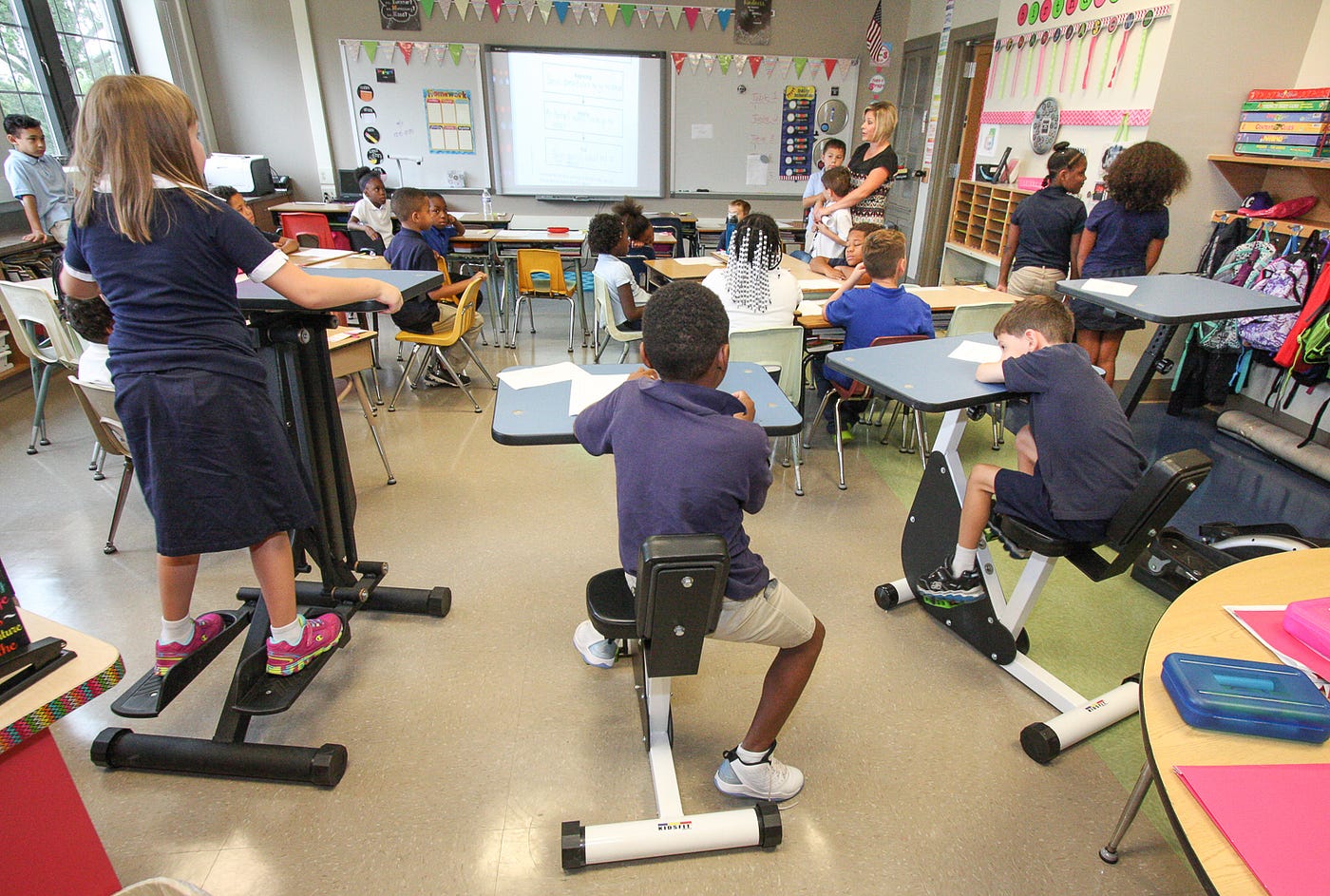
Incorporating active study methods, such as reviewing flashcards during light exercises like walking or cycling, can create a synergistic effect that enhances learning efficiency. This approach not only saves time but also leverages the physiological benefits of exercise to reinforce cognitive processes.
Physiological and Cognitive Effects of Exercise Timing
Neurobiological Impact
The timing of exercise relative to studying affects various neurobiological processes. Pre-study exercise primarily enhances cognitive functions by increasing neurotransmitter activity and blood flow to the brain. In contrast, post-study exercise focuses on reinforcing memory pathways and supporting synaptic plasticity, which are essential for long-term learning and retention.
Energy Management and Fatigue Prevention
Exercising before studying can invigorate the body and mind, providing a sustained energy boost that aids in maintaining concentration during study sessions. Conversely, exercising after studying can help in managing energy levels by providing a necessary physical outlet, thus preventing mental fatigue and promoting a balanced energy distribution throughout the day.
Practical Recommendations
Assessing Individual Preferences and Energy Patterns
Personalization is key to determining the optimal timing of exercise relative to studying. Individuals should assess their own energy levels, concentration patterns, and physical responses to exercise to identify what works best for their unique circumstances. Keeping a journal to track performance and mood in relation to exercise timing can provide valuable insights for optimizing study routines.
Creating a Balanced Routine
Establishing a balanced routine that incorporates both pre and post-study exercise can maximize cognitive benefits. For instance, a morning workout can kickstart the day with heightened alertness, followed by focused study sessions. An evening exercise routine can then serve as a de-stressor, aiding in memory consolidation and preparing the body for restful sleep.
Integrating Exercise with Study Techniques
Leveraging exercise as part of active study techniques can enhance learning efficiency. Activities such as active recall during light physical activity or incorporating movement-based learning strategies can create a dynamic and engaging study environment that reinforces cognitive retention.
Sample Study-Exercise Schedule
| Time | Activity | Benefits |
|---|---|---|
| 7:00 AM | Morning Jog (30 mins) | Boosts alertness and prepares brain for studying |
| 8:00 AM | Study Session 1 (2 hours) | Enhanced focus and information processing |
| 10:00 AM | Short Walk/Breathing Exercises (10 mins) | Maintains concentration and prevents burnout |
| 12:00 PM | Lunch Break and Relaxation | Replenishes energy levels |
| 1:00 PM | Study Session 2 (2 hours) | Continues productive learning with sustained energy |
| 3:00 PM | Evening Workout (45 mins) | Consolidates memory and reduces stress |
| 4:00 PM | Review and Relaxation | Finalizes learning and prepares for next day |
Potential Challenges and Solutions
Managing Time Constraints
Integrating exercise into a busy study schedule can be challenging. To overcome time constraints, consider short, high-intensity workouts that require less time but still provide significant cognitive benefits. Additionally, incorporating active study methods can save time by combining physical activity with learning tasks.
Preventing Overexertion
While physical activity is beneficial, excessive or intense exercise can lead to fatigue, which may negatively impact study performance. It is important to tailor exercise intensity to individual fitness levels and academic demands, ensuring that physical exertion complements rather than hinders cognitive functions.
Maintaining Consistency
Consistency is key to reaping the cognitive and physiological benefits of exercise. Establishing a regular exercise routine that aligns with study schedules can help in maintaining momentum and achieving long-term academic and health goals.
Conclusion
The decision to exercise before or after studying is not a one-size-fits-all choice. Both timing strategies offer unique cognitive and physiological benefits that can enhance academic performance and overall well-being. Exercising before studying can boost alertness, focus, and prepare the brain for efficient learning, while post-study exercise aids in memory consolidation, stress relief, and mental decompression. For optimal results, a personalized approach that considers individual energy levels, study habits, and fitness goals is recommended. By thoughtfully integrating physical activity into your study routine, you can create a balanced and effective strategy that supports both academic success and personal health.
References
Last updated February 7, 2025