
Enhancing Existing Structures with Acoustic Panels
Optimizing Sound Quality Across Diverse Environments
Key Takeaways
- Acoustic panels are essential for improving sound absorption, reducing reverberation, and controlling noise levels in various existing structures.
- The effectiveness of acoustic panels relies on strategic placement, appropriate types, and aesthetic integration within the space.
- Modern acoustic panel designs offer both functional sound enhancement and visually appealing architectural elements.
Introduction to Acoustic Panels in Existing Structures
Acoustic panels have become a pivotal solution for enhancing sound quality in existing structures. Whether it's mitigating excessive background noise in offices, reducing echo in educational institutions, or improving the auditory environment in healthcare facilities, acoustic panels offer versatile applications tailored to diverse needs. Their ability to retrofit seamlessly into various architectural designs makes them an invaluable asset in modern sound management.
Applications of Acoustic Panels
Commercial Offices
In the bustling environment of open-plan offices, managing ambient noise is crucial for maintaining productivity and ensuring clear communication. Acoustic panels are strategically installed on walls, ceilings, and partitions to absorb background noise, enhance speech privacy, and create a more conducive working atmosphere. By reducing distractions, these panels help in fostering a focused and efficient workspace.
Educational Facilities
Schools, universities, and other educational institutions benefit significantly from the installation of acoustic panels. Classrooms, lecture halls, and study areas often suffer from poor acoustics, leading to reduced comprehension and increased fatigue among students and educators. Acoustic panels help in minimizing echo and reverberation, thereby improving the clarity of spoken words and creating a more effective learning environment.
Healthcare Spaces
In healthcare settings such as hospitals and clinics, acoustic panels contribute to a quieter and more healing environment. By absorbing sound, these panels help in maintaining patient privacy, reducing stress levels, and enhancing overall comfort. Areas like patient rooms, waiting lounges, and administrative offices can greatly benefit from improved sound management, leading to better patient outcomes and staff satisfaction.
Hospitality and Retail Environments
Hotels, restaurants, and retail stores utilize acoustic panels to enhance the ambiance and improve customer experience. In hospitality venues, reducing noise levels ensures a more pleasant stay for guests, while in retail spaces, it facilitates clearer communication and a more enjoyable shopping experience. Acoustic panels also play a role in preventing sound-related disturbances, thereby maintaining a harmonious environment.
Types of Acoustic Panels
Triangular Pattern Panels
Triangular pattern panels, such as GETA and VERO, feature three-dimensional triangles that enhance sound absorption and dispersion. These designs effectively minimize sound reflections and echoes, contributing to a more balanced acoustic environment. Their geometric structure allows for versatile placement and integration into various interior designs.
Undulated and Angled Panels
Undulated and angled panels like FILA and HAZA offer enhanced sound scattering capabilities. The wavy and angled surfaces distribute sound waves more evenly across the space, preventing acoustic issues such as flutter echoes and standing waves. This results in improved sound clarity and a more natural auditory experience.
Striped Panels
Striped panels, including SAPA and KARA, are characterized by their variations in depth and length. These panels provide effective sound dispersion while adding an organic and dynamic visual element to the space. The interplay of light and shadow on the striped surfaces further enhances their aesthetic appeal.
Conventional Modular Panels
Conventional modular panels such as BISA and TOBA offer high levels of customization, allowing for different materials and perforation rates. This flexibility enables designers to tailor the acoustic properties to specific requirements, ensuring optimal sound management. Modular panels can be easily reconfigured to accommodate changing space dynamics and design preferences.
Installation Locations and Methods
Ceiling Installation
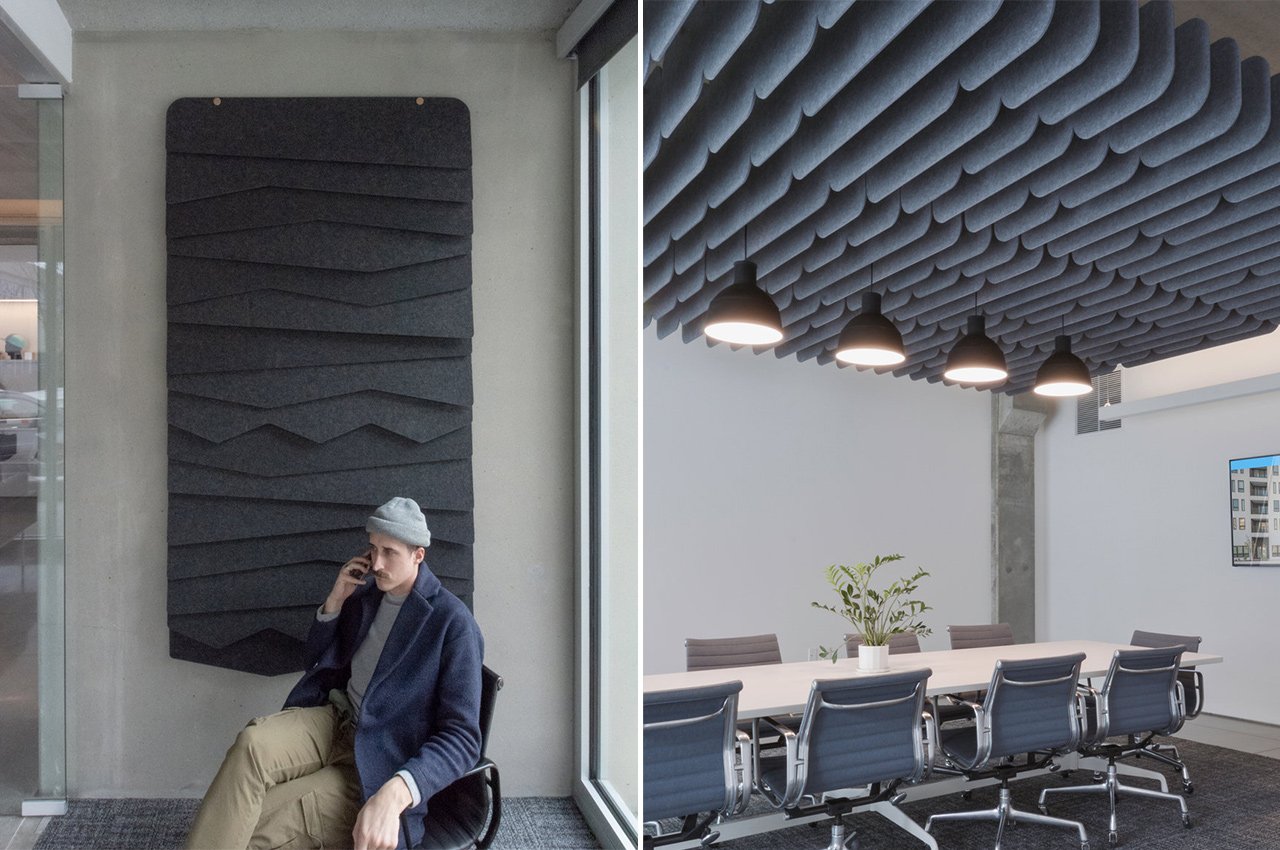
Installing acoustic panels on ceilings is a common practice to act as baffles, reducing sound echo and reverberation. Ceiling-mounted panels are particularly effective in spaces with high ceilings, where sound can easily bounce and create unwanted noise levels. Suspension systems, such as wire hangers, are often used to secure panels in place.
Wall Installation
Walls are prime locations for installing acoustic panels, especially on rear and side walls where sound reflections are most prominent. Panels mounted on walls help in absorbing sound waves, thereby enhancing overall sound clarity within the room. Direct wall screwing or specialized mounting systems are utilized to ensure secure and effective installation.
Corner Installation
Corners of rooms are ideal spots for installing bass traps, a specialized type of acoustic panel designed to manage low-frequency sounds. Bass traps effectively absorb bass waves that tend to accumulate in corners, thus balancing the overall sound spectrum and preventing muddiness in audio reproduction.
Mounting Techniques
Various mounting techniques are employed to secure acoustic panels based on the specific needs of the space. Common methods include suspending panels with wire hangers for ceiling installations, directly screwing panels onto walls, or using adjustable mounting systems that allow for repositioning as needed. The choice of mounting method depends on factors such as panel size, weight, and the structural characteristics of the building.
Design and Aesthetic Integration
Modern acoustic panels are designed not only for functionality but also for aesthetic appeal. They are available in a wide array of colors, shapes, and fabric textures, enabling them to complement and enhance the existing interior décor. Designers can select panels that blend seamlessly with the architectural elements of a space or use them as focal points to add visual interest.
Historical Buildings
In historic structures, maintaining the architectural integrity while upgrading sound performance can be challenging. Acoustic panels such as acoustical ceiling tiles (ACT), which originated in the 1930s, are used to preserve character-defining features while enhancing acoustics. These panels can be customized to match the historical aesthetics, ensuring that the building's heritage is respected and maintained.
Benefits of Retrofitting Acoustic Panels
Retrofitting existing structures with acoustic panels offers numerous benefits, including:
-
Improved Sound Quality: Enhances sound absorption and reduces unwanted noise, creating a more pleasant auditory environment.
-
Increased Privacy: Minimizes sound transmission between spaces, ensuring confidentiality in offices and patient areas.
-
Enhanced Aesthetics: Modern designs allow panels to blend with or enhance the existing décor, adding to the visual appeal.
-
Flexibility: Various types and installation methods provide solutions tailored to specific acoustic challenges.
-
Historical Preservation: Allows for sound improvement without compromising the architectural heritage of historic buildings.
Case Studies and Examples
| Building Type | Acoustic Panel Application | Benefits |
|---|---|---|
| Corporate Offices | Installation of wall and ceiling panels to reduce background noise and enhance speech privacy. | Improved employee concentration and reduced distractions. |
| Educational Institutions | Ceiling and partition panels in classrooms and lecture halls to manage ambient noise. | Enhanced speech clarity and a better learning environment. |
| Healthcare Facilities | Acoustic panels in patient rooms and corridors to absorb sound and reduce noise levels. | Increased patient comfort and privacy, reduced stress levels. |
| Hotels and Restaurants | Decorative panels in lobbies, dining areas, and conference rooms for sound control and aesthetics. | Enhanced ambiance, improved customer experience, and noise management. |
Installation Considerations
Assessing Acoustic Needs
Before installing acoustic panels, it is essential to conduct a thorough assessment of the space's acoustic requirements. This involves evaluating factors such as room dimensions, existing noise levels, and the specific sound issues that need to be addressed. Using acoustic measurement tools and software can aid in determining the optimal placement and type of panels required.
Choosing the Right Panel Type
Selecting the appropriate type of acoustic panel is crucial for achieving desired sound performance. Factors to consider include the panel's absorption coefficient, thickness, material composition, and design. For instance, triangular pattern panels may be preferred for their dispersion capabilities, while bass traps are essential for managing low-frequency sounds in corners.
Aesthetic Integration
The visual aspect of acoustic panels should complement the existing interior design. Modern acoustic panels offer a variety of colors, textures, and shapes, enabling them to blend seamlessly with the space or serve as decorative elements. Customizable designs allow for creative integration, ensuring that functional sound management does not compromise aesthetic appeal.
Installation Process
Proper installation is key to maximizing the effectiveness of acoustic panels. This involves meticulous planning of panel placement, secure mounting, and ensuring that panels are positioned to target specific sound reflections and reverberations. Professional installation services can ensure that panels are correctly installed, adhering to both acoustic and aesthetic standards.
Maintenance and Longevity
To ensure the sustained performance of acoustic panels, regular maintenance is essential. This includes periodic cleaning to remove dust and debris, inspecting panels for wear and tear, and addressing any mounting issues. High-quality panels made from durable materials can offer long-term benefits with minimal maintenance, making them a cost-effective solution for sound management.
Innovations in Acoustic Panel Design
The field of acoustic panel design is continually evolving, with advancements aimed at enhancing both functionality and aesthetics. Innovations include modular panel systems that allow for easy reconfiguration, panels with integrated lighting for added visual impact, and eco-friendly materials that offer sustainable sound management solutions. These developments expand the possibilities for integrating acoustic panels into a wide range of environments.
Conclusion
Integrating acoustic panels into existing structures offers a multifaceted solution for improving sound quality, enhancing privacy, and elevating the aesthetic appeal of various spaces. From commercial offices and educational institutions to healthcare facilities and hospitality venues, acoustic panels provide tailored solutions that address specific acoustic challenges while complementing the architectural design. With a wide array of types, designs, and installation methods available, acoustic panels are an essential component in modern sound management strategies, ensuring both functional and visual enhancements to any environment.
References
Last updated February 12, 2025