
Expected Inflation Rate for 2025
Comprehensive Analysis of Global and Regional Inflation Projections
Key Takeaways
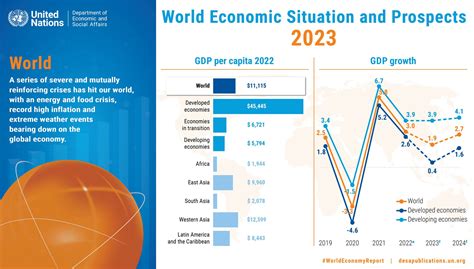
- Global Inflation Trends: The International Monetary Fund projects a global inflation rate of 4.4% for 2025, indicating a moderate decline from previous years.
- United States Outlook: U.S. inflation is expected to stabilize around 2.3% in 2025, with core inflation remaining above 2.5%.
- Regional Variations: Different regions exhibit varied inflation forecasts, with developed economies like Belgium projecting lower rates compared to emerging markets.
Global Inflation Overview
In 2025, global inflation is anticipated to experience a downward trend, thanks to stabilizing economic conditions and effective monetary policies implemented by major economies. The International Monetary Fund (IMF) forecasts that the global headline inflation rate will decrease to 4.4% in 2025 (World Economic Outlook - All Issues). This projection reflects a significant moderation from the elevated inflation rates seen in the early 2020s, driven by factors such as easing supply chain disruptions and reduced commodity price volatility.
The decline in global inflation is also supported by advances in monetary tightening across various economies. Central banks worldwide have been progressively increasing interest rates to combat persistent inflationary pressures. These measures are expected to gradually restore price stability and foster a more predictable economic environment.
Factors Influencing Global Inflation
-
Monetary Policy Adjustments: Central banks are likely to continue their strategies of tightening monetary policy, which includes raising interest rates to curb excessive inflation.
-
Commodity Prices: Stabilization in commodity markets is anticipated, reducing costs for businesses and subsequently lowering consumer prices.
-
Supply Chain Improvements: Enhanced efficiency and reduced bottlenecks in global supply chains are expected to mitigate cost-push inflationary pressures.
Regional Inflation Projections
United States
The United States is projected to maintain a controlled inflation rate in 2025, aligning closely with the Federal Reserve's long-term targets. According to the White House's economic analysis, the Consumer Price Index for All Urban Consumers (CPI-U) is expected to stabilize around 2.3% in 2025 (ECONOMIC ANALYSES - The White House). This projection is corroborated by multiple sources, including Statista, which forecasts the U.S. inflation rate to decline further to 2.1% by 2029 (U.S. projected annual inflation rate 2010-2029 - Statista).
Despite these positive trends, certain sectors are expected to experience slightly elevated inflation rates. Core inflation, excluding volatile food and energy prices, is projected to remain above 2.5%, reflecting ongoing economic adjustments and persistent demand pressures in specific industries (Vanguard Economic Market Outlook 2025). Additionally, Deloitte outlines four potential scenarios for U.S. inflation through 2025, considering variables such as interest rate changes and geopolitical factors (The Inflation Outlook: Four Scenarios for 2023-2025 | Deloitte US).
Europe
In the Eurozone, the Organisation for Economic Co-operation and Development (OECD) predicts that consumer price index (CPI) inflation will continue its downward trajectory, reaching approximately 3.0% by 2025 (Inflation forecast - OECD). This forecast aligns with efforts by the European Central Bank to tighten monetary policy and stabilize prices across member states.
Germany, as Europe's largest economy, is expected to mirror the broader Eurozone trend, with inflation projected to decline moderately. The stabilization of energy prices and improved supply chain dynamics are key contributors to this outlook.
Asia-Pacific
The Asia-Pacific region presents a diverse inflation landscape. In emerging markets such as India and China, inflation rates are expected to moderate as these economies transition from supply chain disruptions toward more balanced growth patterns. The Asian Development Bank (ADB) forecasts a regional inflation average of around 3.5% for 2025, influenced by varying degrees of economic recovery and commodity price movements.
In contrast, developed economies within the region, such as Japan, will likely experience lower inflation rates due to sustained low demand and effective monetary policies aimed at achieving price stability (PBS - Inflation, Interest Rates, and U.S. Economic Outlook for 2025).
Other Regions
In regions like Latin America and Africa, inflation forecasts for 2025 vary significantly due to differing economic conditions and policy responses. For instance, Brazil is expected to maintain an inflation rate of around 5.0%, driven by robust commodity exports and domestic demand pressures. Meanwhile, South Africa anticipates an inflation rate of approximately 4.2%, influenced by fluctuating exchange rates and energy costs (Consumer Price Index & Inflation Forecasts).
Factors Affecting Inflation in 2025
Monetary Policy
Central banks worldwide are playing a pivotal role in shaping the inflation landscape for 2025. By adjusting interest rates and deploying other monetary policy tools, they aim to manage demand-side pressures and anchor inflation expectations. The Federal Reserve's continued rate hikes, for instance, are instrumental in tempering inflation within the United States (Inflation Expectations - Federal Reserve Bank of Cleveland).
Fiscal Policies
Government fiscal policies, including taxation and public spending, significantly influence inflation dynamics. Expansionary fiscal measures can inject liquidity into the economy, potentially increasing inflationary pressures, while austerity measures may help in curbing inflation by reducing aggregate demand.
Global Supply Chains
Improvements in global supply chains are expected to alleviate cost-push inflation. Enhanced logistics, technological advancements, and better coordination among international suppliers contribute to reducing production costs, which can be passed on to consumers in the form of lower prices.
Commodity Prices
Fluctuations in commodity prices, particularly energy and food, play a critical role in shaping inflation rates. Stabilization or decline in these prices can lead to lower consumer prices, thereby easing inflationary pressures. Conversely, spikes in commodity prices can reverse these trends, leading to higher inflation.
Economic Indicators and Forecast Models
Various economic indicators and forecast models contribute to the projection of inflation rates for 2025. These include:
- Consumer Price Index (CPI): Measures changes in the price level of a basket of consumer goods and services, serving as a primary indicator of inflation.
- Producer Price Index (PPI): Reflects changes in the selling prices received by domestic producers for their output, providing insights into future consumer price movements.
- Inflation Expectations: Derived from surveys and market-based measures, these expectations influence actual inflation through wage-setting and price-setting behaviors.
- Monetary Policy Stance: Central banks' interest rate decisions and quantitative easing or tightening measures directly impact inflation dynamics.
Statistical Models and Forecasting
Advanced statistical models, including the Cleveland Fed's inflation expectations model, utilize historical data and economic indicators to forecast future inflation trends. These models consider factors such as GDP growth, unemployment rates, and commodity prices to provide nuanced projections for different time horizons (Inflation Expectations - Federal Reserve Bank of Cleveland).
Impact of Inflation on Various Sectors
Consumer Goods and Services
Inflation directly affects the purchasing power of consumers. As prices rise, consumers may reduce spending on non-essential goods and services, which can slow economic growth. In 2025, if inflation rates stabilize around 2.3% in the U.S., the impact on consumer spending is expected to be manageable, preventing significant disruptions to household budgets (Investopedia - Will Inflation Continue to Decline in 2025?).
Business Investment
Businesses adjust their investment strategies based on inflation expectations. Moderate and stable inflation can encourage investment by providing a predictable environment, while high or volatile inflation may deter investment due to increased uncertainty and higher borrowing costs.
Labor Market
Inflation influences wage negotiations and employment rates. In a stable inflation environment, wage growth tends to align with productivity gains, fostering positive labor market conditions. Conversely, unexpected inflation can lead to wage-price spirals, where wages and prices mutually push each other upward.
Recap
In summary, the expected inflation rate for 2025 is forecasted to moderate globally to approximately 4.4%, with significant regional variations. The United States is anticipated to maintain a stable inflation rate around 2.3%, supported by effective monetary policies and economic stabilization measures. Other regions, including Europe and Asia-Pacific, are also expected to see controlled inflation rates, albeit at different levels based on their unique economic conditions and policy responses.
Key factors influencing these projections include central banks' monetary policies, fiscal policies, global supply chain improvements, and commodity price trends. The interplay of these elements will determine the precise trajectory of inflation across various economies. As such, continuous monitoring of economic indicators and policy developments remains essential for accurate forecasting and effective economic planning.
Last updated January 11, 2025