
Unveiling the Next Big Forex Shockwaves: An Elite Trader's Top Picks for Explosive Moves!
Discover which two major currency pairs are on this expert's radar for significant short-term shifts, and the strategy behind these high-conviction calls.
Highlights: Expert Forex Outlook
- Focus Pairs: An expert eye is on USD/JPY for a potential significant downturn and EUR/USD for a notable upward surge.
- Driving Catalysts: These anticipated moves are underpinned by a confluence of diverging monetary policies, critical technical levels, and upcoming economic data releases.
- Short-Term Strategy: The calls emphasize short holding periods, typically ranging from a few days to two weeks, designed to capture swift, explosive price action.
The Expert's Tweet: Forex Calls 📢
🔥 Forex Intel Alert! Eyeing USD/JPY for a decisive SHORT 📉 as yield dynamics shift & intervention whispers grow louder (target 1-2 weeks). Also, EUR/USD is primed for a LONG 📈 breakout on key support & upcoming data catalysts (target: few days-1 week). Trade smart, manage risk! #ForexTrading #MarketAnalysis #BigMoves #USDJPY #EURUSD
Meet the Simulated Forex Savant: An Expert's Perspective
Imagine an analyst renowned in the forex community, one whose insights are built on years of navigating the turbulent currents of global currency markets. This expert combines meticulous fundamental analysis with sharp technical acumen, specializing in identifying conditions ripe for "big explosive directional moves" in major currency pairs. Their reputation isn't just built on bold calls, but on a consistent track record of accuracy, especially in short-term scenarios where precision and timing are paramount. This outlook, as of May 19, 2025, reflects such an expert's current assessment of the market.
The Hotlist: Two Currency Pairs on the Brink of Major Moves
Based on current market conditions and forward-looking analysis, two currency pairs stand out for their potential to deliver significant short-term directional moves: USD/JPY and EUR/USD. These pairs are not only among the most liquid and heavily traded globally but are also currently at junctures where various factors could trigger substantial price swings.
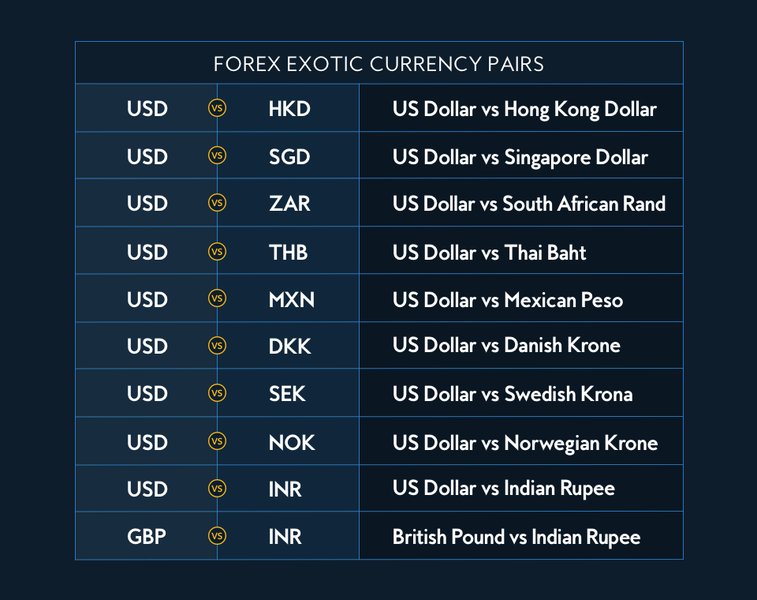
Illustration of major currency pairs, which typically include USD, EUR, JPY, GBP, CHF, CAD, AUD, and NZD.
USD/JPY: Navigating the Yen's Potential Resurgence
The US Dollar/Japanese Yen pair is a focal point due to a complex interplay of monetary policy expectations, intervention sensitivities, and technical chart patterns.
The "Why": Unpacking the Catalysts
Several factors contribute to the view that USD/JPY is poised for a significant move:
- Bond Yield Differentials: A primary driver for USD/JPY has been the interest rate gap between the U.S. and Japan. However, there are growing expectations of a potential retreat in U.S. Treasury yields during 2025. This, coupled with any subtle shifts or even steadfastness in the Bank of Japan's (BoJ) policy, could narrow the yield differential, typically strengthening the Yen.
- Intervention Zone: The pair has been trading in regions (around 157.00-160.00) that have historically drawn verbal or actual intervention from Japanese authorities to curb excessive Yen weakness. The proximity to these levels increases the probability of sharp, sudden moves if authorities signal discomfort.
- Technical Posture: From a technical standpoint, the pair might be showing signs of exhaustion after prolonged uptrends. Indicators such as MACD divergence or RSI overbought conditions on higher timeframes, combined with specific candlestick patterns, could signal an impending reversal or a significant corrective phase.
- Global Economic Sentiment: Shifts in global risk appetite can heavily influence USD/JPY. A "risk-off" environment often leads to JPY strength due to its safe-haven status.
Directional Lean: Anticipating a Downward Shift (Short USD/JPY)
The predominant lean for USD/JPY is short (bearish). This means an expectation that the US Dollar will depreciate against the Japanese Yen. The rationale is that the confluence of potentially narrowing yield differentials, the risk of intervention to strengthen the Yen, and technical signals pointing to a top or correction could trigger a significant downward move.
Holding Period: A Calculated Short-Term Play
The anticipated holding period for this trade setup is approximately 1 to 2 weeks. This timeframe is considered optimal to capture the potential initial thrust of the move, which can be quite rapid if driven by intervention news or a sudden shift in yield expectations, without being overly exposed to longer-term market noise or reversals.

Understanding chart patterns is crucial for technical analysis in Forex trading.
EUR/USD: Primed for an Upward Breakout
The Euro/US Dollar, the world's most traded currency pair, is showing signs that it might be coiling for an upward breakout, driven by technical support levels and upcoming economic catalysts.
The "Why": Deciphering the Driving Forces
The case for a significant move in EUR/USD is built upon:
- Key Support Levels: The pair has been observed trading near, or consolidating above, significant multi-month support levels. Such levels often act as springboards for price reversals or continuations, especially if they hold firm against selling pressure.
- Economic Catalysts: Major economic data releases from both the Eurozone (e.g., inflation figures, GDP growth, ECB statements) and the United States (e.g., Federal Reserve policy decisions, Non-Farm Payrolls, CPI data) are on the horizon. These events have the potential to inject significant volatility and provide a clear directional impetus. A surprisingly dovish stance from the Fed or stronger-than-expected Eurozone data could fuel a EUR/USD rally.
- Technical Breakout Formations: Chart analysis might reveal patterns like consolidation ranges (e.g., rectangles, triangles) or specific indicators (like Bollinger Bands squeezing, indicating contracting volatility before an expansion) that suggest a breakout is imminent. A decisive move above key short-term resistance levels would confirm this.
Directional Lean: Eyes on an Upside Explosion (Long EUR/USD)
The directional bias for EUR/USD is long (bullish). This implies an expectation that the Euro will appreciate against the US Dollar. This outlook is contingent on the aforementioned support levels holding and catalysts providing the necessary momentum for an upward move, potentially breaking through recent resistance areas.
Holding Period: Capturing Swift Momentum
For this EUR/USD setup, the suggested holding period is shorter, in the range of a few days to 1 week. This is tailored to capture what is anticipated to be a relatively quick and "explosive" move once the breakout occurs, often characteristic of reactions to major news events or technical breaches of key levels.
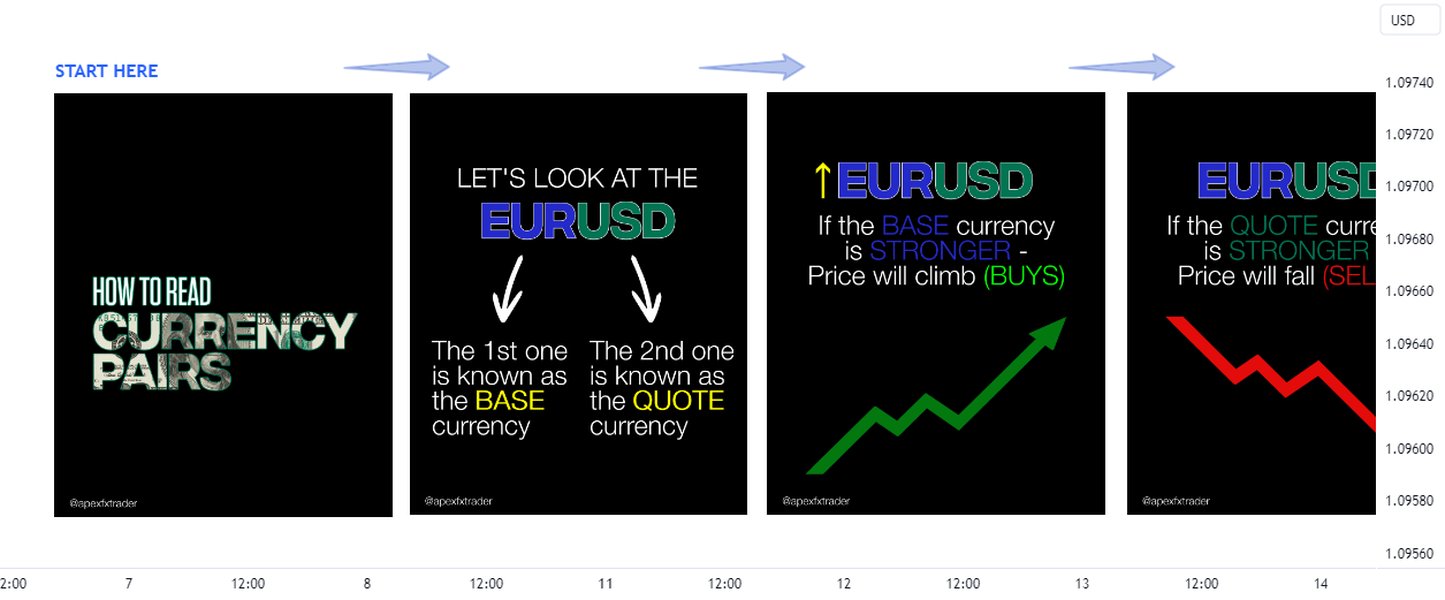
An example of technical analysis applied to the EUR/USD currency pair.
Comparative Analysis: Key Factors at a Glance
To better understand the nuances of these two potential trades, the following table provides a side-by-side comparison of their key characteristics as of May 19, 2025:
| Feature | USD/JPY (Short) | EUR/USD (Long) |
|---|---|---|
| Primary Catalyst | Diverging bond yield expectations (US yields potentially retreating), risk of intervention by Japanese authorities. | Upcoming major economic data releases (e.g., Fed/ECB announcements), strength of key multi-month support levels. |
| Technical Signal | Potential exhaustion/reversal patterns near historical highs (e.g., 157-160 intervention zone). | Consolidation above significant support, potential for breakout patterns (e.g., from weekly opening range). |
| Fundamental Driver | Shift in US yield outlook, Bank of Japan policy implications, global risk sentiment. | Federal Reserve monetary policy decisions, Eurozone economic health indicators (inflation, growth). |
| Directional Bias | Short (Bearish - expecting USD to fall against JPY). | Long (Bullish - expecting EUR to rise against USD). |
| Anticipated Holding Period | 1 to 2 weeks. | A few days to 1 week. |
| Key Levels to Watch | Resistance around 157.00-160.00; Potential targets could be significantly lower, e.g., towards 150.00 or below upon confirmation. | Support at multi-month lows (e.g., around 1.12-1.13, context dependent); Potential targets above 1.1400-1.1500 upon breakout. |
Note: Specific price levels are illustrative and subject to real-time market dynamics. Always conduct your own due diligence.
Visualizing Market Sentiment: A Radar Chart Perspective
The following radar chart offers a visual representation of the perceived strengths and characteristics of the two highlighted trade setups. The factors assessed are based on an expert's qualitative judgment, reflecting the current market environment. These include Technical Strength (chart patterns, indicator signals), Fundamental Support (economic data, policy backdrop), Volatility Potential (likelihood of large price swings), Expert Confidence (conviction in the trade idea), and Imminent Catalyst (presence of near-term triggers).
This chart helps to quickly compare how each trade scores across these crucial dimensions, providing a snapshot of their respective profiles.
Mapping the Strategy: Forex Expert's Decision Tree
To visualize the thought process behind selecting and structuring these trade ideas, consider the following mindmap. It outlines the key considerations from initial market scanning to the formulation of a specific trade plan, reflecting a systematic approach to identifying high-probability opportunities for explosive moves.
Big Move Analysis"] id1["Pair Selection Criteria"] id1a["Major Currency Pairs"] id1b["High Liquidity & Tight Spreads"] id1c["Significant Volatility Potential"] id1d["Clear Upcoming Catalysts"] id2["USD/JPY Analysis (Short Call)"] id2a["Primary Rationale"] id2a1["Bond Yield Divergence (US vs. JP)"] id2a2["Approaching Intervention Zone (e.g., 157-160)"] id2a3["Technical Bearish Signals"] id2a4["Global Risk Sentiment Shifts"] id2b["Holding Period: 1-2 Weeks"] id2c["Key Risk: Sudden Policy Shift / Stronger USD Data"] id3["EUR/USD Analysis (Long Call)"] id3a["Primary Rationale"] id3a1["Trading Near Key Support Levels"] id3a2["Anticipated Breakout from Consolidation"] id3a3["Fed/ECB Policy Meeting Catalysts"] id3a4["Favorable Economic Data Surprises"] id3b["Holding Period: Few Days - 1 Week"] id3c["Key Risk: False Breakout / Stronger USD Data"] id4["Overall Trading Philosophy"] id4a["Focus on Short-Term Explosive Moves"] id4b["Strict Risk Management (Stop-Loss, Position Sizing)"] id4c["Combination of Fundamental & Technical Analysis"] id4d["Constant Market Monitoring & Adaptability"]
This mindmap illustrates how various factors are weighed to arrive at high-conviction trade ideas, emphasizing a structured yet adaptable approach.
Insights on Predicting Market Moves
Understanding how to anticipate significant market movements is a cornerstone of successful forex trading. While no method guarantees perfect prediction, experienced traders often employ a combination of techniques focusing on market patterns, fundamental drivers, and risk management. The video below offers insights into identifying potential big moves using pattern analysis, which aligns with the strategies discussed by seasoned experts.
This video discusses strategies for using higher time frames and master patterns to predict significant moves in the Forex market.
The content emphasizes using higher time frames to identify overarching trends and "master patterns" that may precede substantial price shifts. Such approaches often involve looking for periods of consolidation followed by breakouts, or identifying key levels where institutional orders might be clustered, potentially leading to accelerated moves once these levels are breached. This ties into the analysis of USD/JPY and EUR/USD, where both technical patterns and fundamental catalysts are key to anticipating explosive directional changes.
Frequently Asked Questions (FAQ)
What makes USD/JPY and EUR/USD prone to "big explosive moves"?
Both USD/JPY and EUR/USD are major currency pairs with high liquidity, meaning large volumes are traded daily. This high liquidity can, paradoxically, contribute to sharp moves when significant news or economic data surprises the market, or when key technical levels are breached. For USD/JPY, sensitivity to interest rate differentials (especially US vs. Japan) and potential Bank of Japan interventions can cause rapid repricing. EUR/USD, being the most traded pair, reacts significantly to monetary policy announcements from the Federal Reserve and the European Central Bank, as well as major economic indicators from both regions. When sentiment shifts decisively, the high volume can translate into swift, extended moves.
How does an expert combine technical and fundamental analysis for these calls?
Experts typically use fundamental analysis to understand the 'why' behind potential market moves – focusing on economic health, monetary policy, inflation, employment data, and geopolitical events to establish a directional bias. For instance, if fundamentals suggest a currency is undervalued, the bias would be long. Technical analysis then provides the 'when' and 'where' – using chart patterns (like support/resistance, trendlines, consolidation patterns), indicators (like moving averages, RSI, MACD), and price action to identify specific entry points, stop-loss levels, and price targets. A "big explosive move" often occurs when a strong fundamental catalyst aligns with a significant technical breakout or breakdown.
What are the main risks involved in trading these short-term explosive calls?
Trading for short-term explosive moves carries several risks:
- Volatility Risk: While the goal is to profit from volatility, it can also lead to rapid losses if the market moves against the position. Spreads can widen during volatile periods.
- False Breakouts: Price might appear to break a key level, triggering entries, only to reverse sharply (a "fakeout").
- News Impact: Unexpected news or data can instantly invalidate a trade setup.
- Slippage: During fast markets, orders may be filled at a price different from the one requested.
- Emotional Trading: The fast pace can lead to impulsive decisions if a strict trading plan and risk management rules (like defined stop-losses) are not followed.
Why might the holding period differ between the USD/JPY and EUR/USD calls?
The differing holding periods (1-2 weeks for USD/JPY short vs. a few days to 1 week for EUR/USD long) reflect the nature of the anticipated catalysts and market structure for each pair. The USD/JPY call might involve a more structural shift related to yield dynamics or sustained intervention pressure, which could unfold over a slightly longer timeframe to reach its full potential. The EUR/USD call, on the other hand, might be more directly tied to an imminent, high-impact news event (like a Fed decision) or a technical breakout from a shorter-term consolidation. Such moves often see their most significant price change relatively quickly after the trigger. The expert calibrates the holding period based on the expected duration of the primary price impulse for each specific setup.
Recommended Next Steps
To delve deeper into forex trading strategies and market analysis, consider exploring these related queries:
- How do central bank policies impact major currency pair movements?
- What are the most effective technical indicators for identifying short-term forex breakouts?
- How to develop a risk management strategy for trading volatile currency pairs?
- Explore the impact of US economic data releases on the EUR/USD exchange rate.
References
The insights and analyses presented are synthesized from information akin to that found in reputable financial news outlets and forex analysis platforms. For further reading on predicting forex movements and understanding market dynamics, refer to resources like:
Last updated May 19, 2025