
Unveiling Potential Forex Shockwaves: Expert Insights into Imminent Currency Surges
A deep dive into two major currency pairs tipped for significant short-term volatility and directional moves by a seasoned market analyst.
As of Monday, May 19, 2025, the foreign exchange markets are buzzing with potential opportunities. To navigate these complex waters, we turn to the simulated insights of "Dr. Forex Kai," a fictional yet highly respected financial expert renowned for an uncanny ability to pinpoint major currency pairs on the verge of significant, explosive short-term directional moves. Dr. Kai's methodology combines rigorous technical analysis, keen observation of macroeconomic trends, and a deep understanding of market sentiment, mirroring the approaches of top-tier real-world analysts.
Key Highlights: Expert Forex Outlook
- Focus on High-Impact Pairs: Dr. Kai is currently zeroing in on EUR/USD and USD/JPY, anticipating substantial short-term volatility.
- Distinct Directional Biases: The analysis suggests a bullish outlook for EUR/USD and a bearish stance for USD/JPY, driven by divergent central bank policies and shifting risk sentiment.
- Strategic Holding Period: For both pairs, the recommended holding period is approximately 1 to 3 days, designed to capitalize on swift market reactions and volatility spikes.
Currency Pair Analysis: The Expert's Watchlist
Dr. Kai's analysis, reflecting a synthesis of current market conditions and expert consensus, highlights two major currency pairs (excluding GBP/JPY) that are primed for potentially large directional swings in the short term.
1. EUR/USD: Gearing Up for a Bullish Breakout?
Rationale for Focus
The Euro/US Dollar (EUR/USD) pair, the most traded currency pair globally, is under Dr. Kai's microscope due to several converging factors:
- Unmatched Liquidity: Its vast trading volume ensures tight spreads and efficient price discovery, making it ideal for capturing short-term moves.
- Central Bank Divergence: The primary driver for the anticipated move is the differing monetary policy stances between the European Central Bank (ECB) and the U.S. Federal Reserve (Fed). Current market chatter and some analyst interpretations point towards potentially more dovish signals emerging from the Fed relative to the ECB, which may be maintaining a steady or even slightly hawkish tone. This divergence can fuel Euro strength against the Dollar.
- Economic Data Sensitivity: EUR/USD is highly responsive to key economic data releases from both the Eurozone and the United States, such as inflation figures (CPI), employment data (e.g., Non-Farm Payrolls), and GDP growth. Any surprises in these releases can trigger sharp movements.
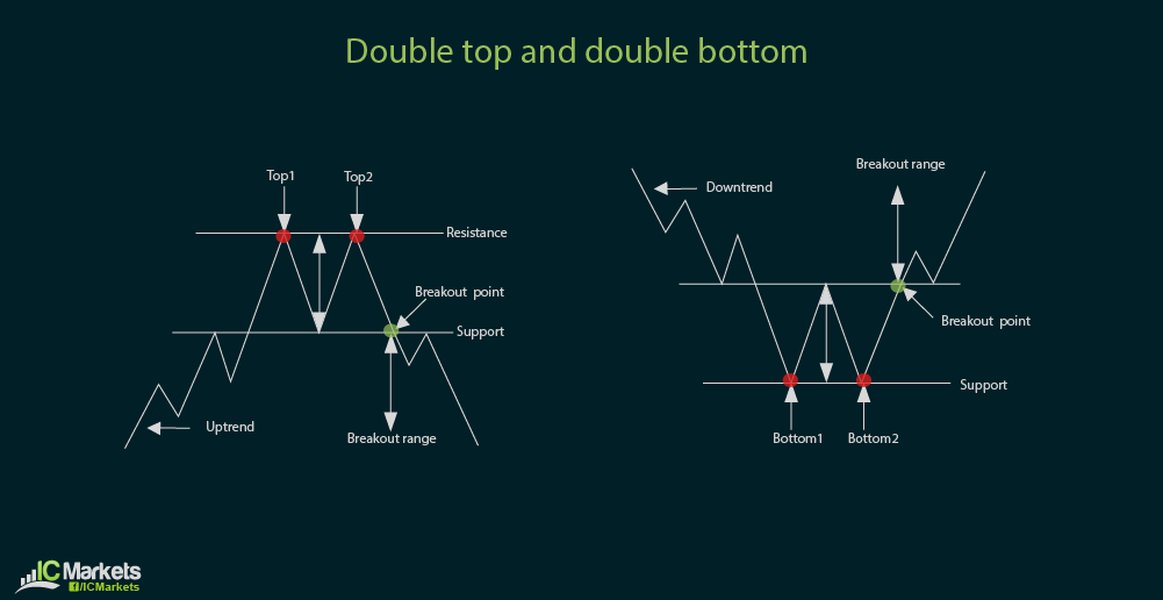
Illustrative example of Forex chart patterns, similar to what analysts use for EUR/USD.
Directional Lean: Bullish (Long Euro vs. Dollar)
Dr. Kai's analysis leans towards a bullish trajectory for EUR/USD in the short term. This expectation is predicated on the view that any perceived softening in the Fed's stance on interest rates, or conversely, unexpectedly strong economic data from the Eurozone, could lead to increased demand for the Euro.
Recommended Holding Period: 1-3 Days
To capitalize on the anticipated volatility spike and subsequent directional move, a holding period of 1 to 3 days is recommended. This timeframe is considered optimal for capturing the initial sharp reaction to catalysts without overextending exposure to potential reversals.
2. USD/JPY: Poised for a Bearish Slide?
Rationale for Focus
The US Dollar/Japanese Yen (USD/JPY) pair is another focal point for Dr. Kai, primarily due to:
- Sensitivity to Risk Sentiment: The Japanese Yen often acts as a "safe-haven" currency. In times of global economic uncertainty or increased risk aversion, the Yen tends to strengthen (causing USD/JPY to fall). Current geopolitical or macroeconomic undercurrents might be signaling a shift towards risk-off sentiment.
- BoJ's Ultra-Loose Policy vs. Fed Dynamics: The Bank of Japan (BoJ) has maintained an ultra-loose monetary policy for an extended period. While the Fed's future actions are subject to incoming data, any hint of global economic slowdown or a less aggressive Fed could weaken the USD relative to the JPY, especially if risk aversion picks up.
- Historical Volatility: USD/JPY has a track record of making sharp, decisive moves, making it a candidate for traders looking to profit from significant directional shifts.
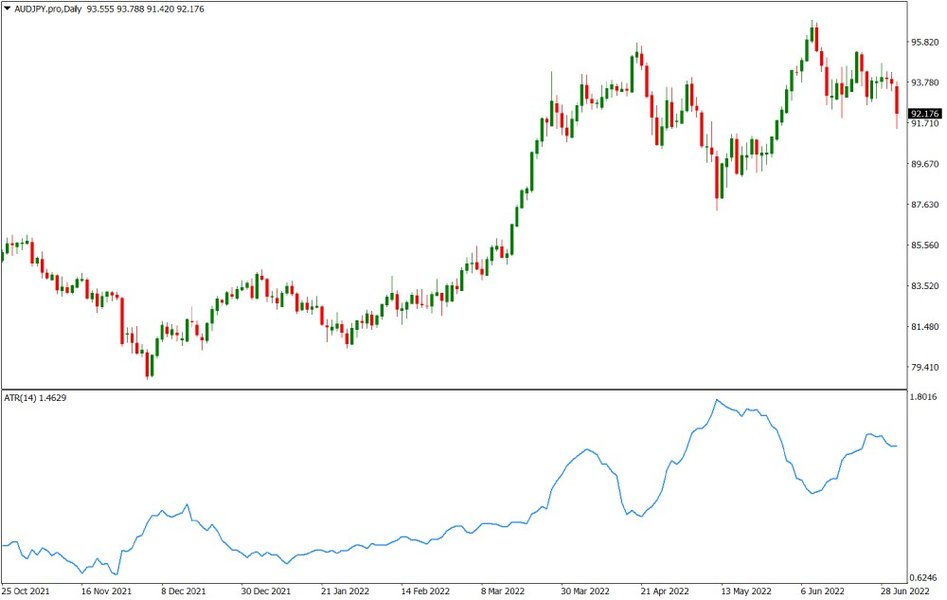
Illustrative chart showing currency pair volatility; USD/JPY often exhibits similar sharp movements.
Directional Lean: Bearish (Short Dollar vs. Yen)
Dr. Kai anticipates a bearish move for USD/JPY. This outlook is based on the potential for increased safe-haven demand for the Yen and the persistent divergence in monetary policy between the BoJ's accommodative stance and evolving expectations around the Fed's policy, possibly favoring a weaker dollar in this pairing during risk-off phases.
Recommended Holding Period: 1-3 Days
Similar to EUR/USD, a holding period of 1 to 3 days is advised for USD/JPY. This timeframe is aimed at capturing the potential sharp downward move driven by shifts in risk sentiment or central bank policy expectations.
Comparative Analysis: Key Pair Characteristics
To better understand the dynamics of the chosen currency pairs, Dr. Kai often uses a comparative framework. The radar chart below visualizes key characteristics of EUR/USD and USD/JPY based on current market perceptions and historical behavior. These are qualitative assessments representing expert opinion rather than absolute quantitative measures.
This chart highlights that while both pairs are highly liquid and subject to central bank influence, USD/JPY is often perceived as more sensitive to global risk sentiment, whereas EUR/USD's short-term moves might be seen as slightly more predictable under certain conditions due to the deep analysis available on ECB and Fed policies. Both possess strong potential for explosive moves.
Mindmap: Factors Influencing Forex Moves
The following mindmap illustrates the interconnected factors that Dr. Kai considers when analyzing potential short-term explosive moves in major currency pairs like EUR/USD and USD/JPY. Understanding these drivers is crucial for anticipating market direction.
for Short-Term Explosive Moves"] id1["Central Bank Policies"] id1a["Interest Rate Decisions (Fed, ECB, BoJ)"] id1b["Quantitative Easing/Tightening"] id1c["Forward Guidance & Speeches"] id2["Economic Data Releases"] id2a["Inflation (CPI, PPI)"] id2b["Employment Figures (NFP, Unemployment Rate)"] id2c["GDP Growth Rates"] id2d["Retail Sales & Consumer Confidence"] id3["Market Sentiment"] id3a["Risk-On / Risk-Off Appetite"] id3b["Safe-Haven Flows (e.g., towards JPY, USD, CHF)"] id3c["Volatility Indices (e.g., VIX)"] id4["Technical Analysis"] id4a["Chart Patterns (Head & Shoulders, Triangles)"] id4b["Support & Resistance Levels"] id4c["Moving Averages & Oscillators (RSI, MACD)"] id4d["Volume Analysis"] id5["Geopolitical Events"] id5a["Elections & Political Stability"] id5b["International Trade Disputes"] id5c["Regional Conflicts"] id6["Liquidity & Capital Flows"] id6a["Order Book Dynamics"] id6b["Large Institutional Trades"]
This mindmap visualizes how monetary policy, economic indicators, prevailing market mood, technical setups, geopolitical developments, and liquidity conditions all play a role in shaping currency valuations and driving potential breakouts.
Summary of Expert Calls
Here's a concise table summarizing Dr. Kai's current expert opinion on the two selected currency pairs:
| Currency Pair | Primary Rationale | Directional Lean | Key Drivers | Recommended Holding Period |
|---|---|---|---|---|
| EUR/USD | High liquidity, potential ECB/Fed policy divergence. | Bullish (Long EUR) | ECB vs. Fed stance, Eurozone/US economic data. | 1-3 Days |
| USD/JPY | Sensitivity to risk sentiment, BoJ's ultra-loose policy. | Bearish (Short USD) | Global risk appetite, BoJ policy, Yen safe-haven status. | 1-3 Days |
Understanding Explosive Price Moves in Forex
Identifying potential explosive price movements is a key skill for short-term Forex traders. These moves often occur around significant news events, shifts in market sentiment, or breaches of critical technical levels. The video below provides insights into how traders can attempt to find and capitalize on such opportunities, aligning with the strategic thinking of experts like Dr. Kai.
This video, "ICT Forex - How To Find Explosive Price Moves Before They Happen," delves into concepts that can help traders understand the mechanics behind sudden, sharp price changes. While no strategy guarantees success, understanding market structure, liquidity pools, and order flow, as often discussed in such advanced tutorials, can provide a framework for anticipating areas where price might accelerate. Dr. Kai's simulated analysis incorporates similar principles, focusing on catalysts that can disrupt equilibrium and lead to rapid repricing.
Dr. Kai's Simulated Tweet
Here's how Dr. Forex Kai might summarize these views for a social media audience:
🚀 Dr. Forex Kai's Short-Term Radar (May 19, 2025): 🚀
Eyes on #EURUSD & #USDJPY for potential EXPLOSIVE moves!
1️⃣ EUR/USD: Bullish tilt 📈. Watching ECB/Fed divergence. Target: Capture upside on Euro strength.
2️⃣ USD/JPY: Bearish bias 📉. Risk sentiment & BoJ policy in focus. Aiming for downside on Yen strength.
Holding period: 1-3 days. Stay agile! #Forex #TradingSignals #MarketAnalysis #FX
Frequently Asked Questions (FAQ)
What makes EUR/USD and USD/JPY "major" currency pairs?
Major currency pairs are those that involve the US dollar (USD) on one side and are the most frequently traded globally. EUR/USD (Euro/US Dollar) and USD/JPY (US Dollar/Japanese Yen) are two of the most prominent examples. Their high trading volume means they generally have high liquidity and tighter bid-ask spreads, making them popular among traders.
How do central bank policies influence these pairs?
Central banks like the European Central Bank (ECB), the U.S. Federal Reserve (Fed), and the Bank of Japan (BoJ) significantly influence their respective currencies through monetary policy. Key tools include setting interest rates, quantitative easing (QE) or tightening (QT), and providing forward guidance. For example, if the Fed raises interest rates more aggressively than the ECB, the USD might strengthen against the EUR (EUR/USD falls). Conversely, if the BoJ maintains an ultra-loose policy while other central banks tighten, the JPY might weaken (USD/JPY rises, all else being equal).
What does "risk sentiment" mean in Forex trading?
Risk sentiment refers to the overall mood or attitude of investors towards risk. During periods of "risk-on" sentiment, investors are more willing to invest in higher-risk assets, often leading to flows into currencies of countries with stronger growth prospects or higher interest rates. During "risk-off" periods, investors seek safety, often moving capital into "safe-haven" currencies like the Japanese Yen (JPY), Swiss Franc (CHF), or sometimes the US Dollar (USD). USD/JPY is particularly sensitive to shifts in risk sentiment.
Why is a short holding period of 1-3 days recommended for these moves?
Short-term explosive moves are often triggered by specific catalysts like news releases or sudden shifts in sentiment. These moves can be rapid and powerful but may not represent a sustained long-term trend. A holding period of 1-3 days (or sometimes even shorter, within hours) is often recommended to capture the initial, most significant part of the move while minimizing exposure to potential retracements or consolidations that can occur after the initial impact of the catalyst fades.
Recommended Further Exploration
To delve deeper into related topics, consider exploring these queries:
- How do major economic indicators affect EUR/USD exchange rates?
- What are the primary drivers of volatility in the USD/JPY pair?
- Compare short-term Forex trading strategies for volatile markets.
- Explain the impact of Bank of Japan's monetary policy on the Yen.
References
The insights and data points synthesized in this analysis are informed by general knowledge typically found in resources such as:
Last updated May 19, 2025