
Comprehensive Overview of an Expert Operations Manager
Driving Excellence in Operations through Leadership and Innovation
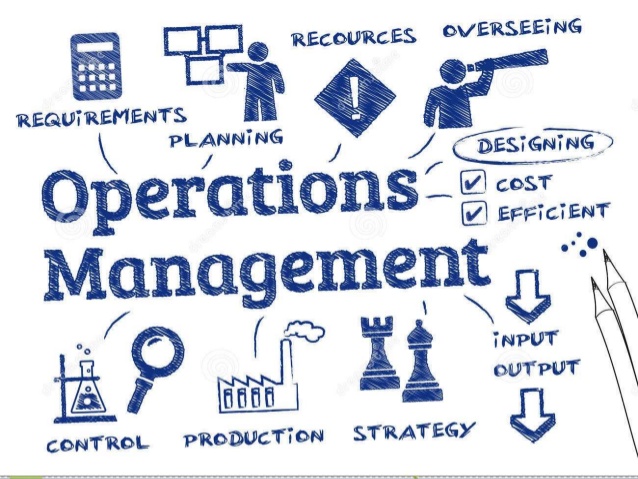
Key Takeaways
- Strategic Leadership: Mastery in leading diverse teams and fostering a collaborative work environment.
- Operational Efficiency: Expertise in utilizing cutting-edge technology and proven methods to streamline operations and reduce costs.
- Continuous Improvement: Commitment to self-development and implementing innovative management techniques for sustained productivity.
Introduction
In the dynamic landscape of modern business, the role of an operations manager is pivotal in ensuring the seamless functioning of an organization's core activities. An expert operations manager not only oversees the day-to-day operations but also strategizes for long-term growth and efficiency. With a decade of extensive experience encompassing people management, warehouse and inventory control, operations oversight, and administrative functions, this professional exemplifies the ideal blend of leadership, innovation, and operational acumen.
Strategic Leadership and Team Management
Fostering a Collaborative Work Environment
Effective leadership is the cornerstone of successful operations management. By cultivating a collaborative and inclusive work environment, the operations manager ensures that team members are motivated, engaged, and aligned with the organization's objectives. This involves strategic planning, clear communication, and the ability to inspire and guide diverse teams toward common goals.
Team Building and Motivational Strategies
Building a cohesive team requires more than just assembling skilled individuals. It involves understanding each team member's strengths and areas for development, fostering mutual respect, and creating opportunities for professional growth. Through targeted team-building activities and motivational strategies, the operations manager enhances team morale, resulting in increased productivity and reduced turnover.
Providing Constructive Feedback
Constructive feedback is essential for continuous improvement and personal development. An effective operations manager offers thoughtful, comprehensive, and actionable feedback to staff members, highlighting strengths and addressing areas for improvement. This approach not only boosts individual performance but also fosters a culture of accountability and excellence within the team.
Operational Efficiency and Process Optimization
Leveraging Technology for Streamlined Operations
In today's technologically driven world, leveraging cutting-edge tools and systems is crucial for optimizing operations. The operations manager employs advanced software solutions for inventory management, supply chain logistics, and workflow automation, thereby reducing manual errors, minimizing operational costs, and enhancing overall efficiency.
Cost Reduction Strategies
Implementing effective cost reduction strategies is a key responsibility of the operations manager. This involves analyzing operational expenditures, identifying areas of overspending, and applying proven methods to achieve cost savings without compromising quality. Techniques such as process reengineering, bulk purchasing, and renegotiating supplier contracts are commonly utilized to achieve financial efficiency.
Process Optimization and Workflow Management
Optimizing processes ensures that operations run smoothly and efficiently. The operations manager conducts thorough evaluations of existing workflows, identifies bottlenecks, and redesigns processes to enhance productivity. Techniques like Lean Management and Six Sigma may be employed to eliminate waste, reduce variability, and ensure consistent quality in deliverables.
Innovation and Change Management
Implementing Innovative Management Techniques
Innovation in management practices is essential for staying competitive and responsive to market changes. The operations manager adopts innovative techniques such as agile project management, data-driven decision-making, and collaborative tools to enhance operational agility and responsiveness. This proactive approach enables the organization to swiftly adapt to evolving business landscapes and customer demands.
Change Management Strategies
Effectively managing change is critical in maintaining operational continuity and morale. The operations manager develops and implements comprehensive change management strategies that address the human and technical aspects of transition. This includes clear communication of change objectives, providing training and support, and fostering a positive attitude towards change among team members.
Enhancing Team Performance
Enhancing team performance involves a multifaceted approach that includes setting clear performance metrics, providing continuous training, and recognizing and rewarding achievements. The operations manager ensures that team members are equipped with the necessary skills and resources to excel in their roles, thereby driving overall organizational performance.
Warehouse and Inventory Management
Efficient Warehouse Operations
Effective warehouse management is crucial for maintaining optimal inventory levels and ensuring timely fulfillment of orders. The operations manager oversees warehouse layout design, implements inventory tracking systems, and optimizes storage solutions to enhance space utilization and reduce handling times. This results in improved accuracy and efficiency in inventory management.
Inventory Control and Optimization
Maintaining precise inventory records is essential for meeting customer demands and minimizing stockouts or overstock situations. The operations manager utilizes inventory management software to monitor stock levels in real-time, forecast demand trends, and automate reordering processes. This strategic approach ensures that inventory levels are aligned with sales projections and operational needs.
Supply Chain Coordination
Coordinating the supply chain effectively ensures the smooth flow of goods from suppliers to customers. The operations manager collaborates with suppliers, logistics providers, and other stakeholders to synchronize supply chain activities, mitigate risks, and enhance overall supply chain resilience. This coordination minimizes delays, reduces costs, and improves service levels.
Administrative Management and Operations Oversight
Streamlining Administrative Functions
Administrative efficiency underpins the smooth operation of any organization. The operations manager streamlines administrative tasks by implementing standardized procedures, automating routine tasks, and utilizing management software. This reduces administrative burdens, allowing staff to focus on more strategic and value-added activities.
Strategic Planning and Execution
Strategic planning is essential for setting long-term goals and guiding the organization towards achieving them. The operations manager develops comprehensive operational plans that align with the organization's strategic objectives. This involves setting measurable targets, allocating resources effectively, and monitoring progress to ensure that strategic initiatives are executed successfully.
Financial Management and Budgeting
Effective financial management ensures that operations are conducted within budgetary constraints while maximizing profitability. The operations manager oversees budgeting processes, monitors expenditures, and identifies cost-saving opportunities. By maintaining financial discipline, the operations manager contributes to the organization's financial health and sustainability.
Continuous Improvement and Professional Development
Commitment to Self-Development
A commitment to continuous self-development is vital for staying abreast of the latest industry trends and best practices. The operations manager engages in professional development activities such as attending workshops, obtaining certifications, and participating in industry conferences. This dedication ensures that their skills and knowledge remain relevant and effective in a rapidly changing business environment.
Fostering a Culture of Continuous Improvement
Promoting a culture of continuous improvement involves encouraging team members to identify and implement enhancements in their workflows. The operations manager facilitates regular review sessions, solicits feedback, and supports innovative ideas that can lead to process improvements. This proactive approach drives sustained operational excellence and organizational growth.
Embracing Emerging Technologies
Embracing emerging technologies is essential for maintaining a competitive edge. The operations manager explores and integrates new technologies such as artificial intelligence, machine learning, and automation tools to enhance operational capabilities. These technologies enable more accurate forecasting, improved decision-making, and increased operational flexibility.
Performance Metrics and Success Measurement
Establishing Key Performance Indicators (KPIs)
Establishing clear and relevant KPIs is critical for measuring operational performance and identifying areas for improvement. The operations manager defines KPIs related to productivity, efficiency, cost management, and customer satisfaction. Regular monitoring of these metrics provides actionable insights that inform strategic decisions and operational adjustments.
Data-Driven Decision Making
Utilizing data analytics enhances the accuracy and effectiveness of decision-making processes. The operations manager leverages data-driven insights to assess performance trends, identify operational bottlenecks, and forecast future demands. This empirical approach ensures that decisions are based on reliable information, leading to better outcomes.
Continuous Monitoring and Reporting
Continuous monitoring and regular reporting are essential for maintaining operational oversight and accountability. The operations manager implements robust reporting systems that provide real-time visibility into operational activities. These reports facilitate timely interventions, track progress against goals, and ensure that the organization remains aligned with its strategic objectives.
HTML Table: Key Responsibilities and Skills of an Operations Manager
| Responsibility | Description | Key Skills |
|---|---|---|
| Leadership & Team Management | Leading and motivating teams to achieve organizational goals. | Strategic planning, communication, team building |
| Operational Efficiency | Streamlining operations to reduce costs and enhance productivity. | Process optimization, cost management, technology integration |
| Inventory Management | Overseeing inventory levels and ensuring accurate stock control. | Inventory tracking, supply chain coordination, forecasting |
| Change Management | Implementing strategies to manage organizational change effectively. | Adaptability, strategic thinking, training and development |
| Continuous Improvement | Fostering a culture of ongoing improvement and innovation. | Lean methodologies, Six Sigma, feedback mechanisms |
| Financial Management | Managing budgets and financial planning to ensure profitability. | Budgeting, financial analysis, cost control |
Utilizing Technology for Operational Excellence
Automation and Workflow Management Tools
Automation tools are instrumental in enhancing operational efficiency by reducing manual interventions and speeding up processes. The operations manager integrates workflow management systems that automate routine tasks, track progress, and ensure timely completion of projects. This not only saves time but also minimizes errors, leading to more consistent and reliable outcomes.
Data Analytics and Business Intelligence
Advanced data analytics and business intelligence platforms provide deep insights into operational performance. The operations manager leverages these tools to analyze large datasets, identify patterns, and derive actionable insights. This data-driven approach enables informed decision-making, optimizing resource allocation, and improving overall operational strategies.
Enterprise Resource Planning (ERP) Systems
Implementing ERP systems facilitates the integration of various business processes into a unified platform. The operations manager oversees the deployment and management of ERP solutions, ensuring seamless coordination between departments such as finance, HR, supply chain, and operations. This integration enhances data accuracy, improves communication, and streamlines workflows across the organization.
Effective Communication and Interpersonal Skills
Clear and Transparent Communication
Clear and transparent communication is essential for aligning team efforts and achieving organizational objectives. The operations manager ensures that information is communicated effectively across all levels, minimizing misunderstandings and fostering a culture of openness. This involves regular team meetings, detailed reports, and accessible channels for feedback and inquiries.
Interpersonal Relationships and Conflict Resolution
Building strong interpersonal relationships is key to a harmonious work environment. The operations manager excels in resolving conflicts by addressing issues promptly and fairly, maintaining positive relationships among team members. Effective conflict resolution enhances team cohesion, reduces stress, and promotes a collaborative atmosphere.
Negotiation and Influence
Negotiation skills are vital for securing favorable terms with suppliers, stakeholders, and clients. The operations manager adeptly negotiates contracts, manages vendor relationships, and advocates for the team's needs within the organization. This ability to influence outcomes contributes to successful partnerships and optimal resource utilization.
Risk Management and Compliance
Identifying and Mitigating Operational Risks
Proactive risk management is essential for safeguarding the organization against potential threats. The operations manager conducts thorough risk assessments to identify vulnerabilities in processes and systems. By implementing mitigation strategies such as contingency planning, safety protocols, and regular audits, they ensure operational resilience and continuity.
Ensuring Compliance with Regulations
Compliance with industry regulations and standards is critical for maintaining operational integrity and avoiding legal issues. The operations manager stays informed about relevant laws and guidelines, ensuring that all operational activities adhere to these requirements. This includes overseeing documentation, conducting compliance training, and coordinating with regulatory bodies as needed.
Quality Assurance and Control
Maintaining high quality standards is paramount for customer satisfaction and brand reputation. The operations manager implements robust quality assurance and control measures to monitor and improve product and service quality. This involves setting quality benchmarks, conducting regular inspections, and addressing any deviations from established standards promptly.
Conclusion
An expert operations manager is a multifaceted professional who plays a critical role in driving an organization's success. Through strategic leadership, operational efficiency, innovation, and a commitment to continuous improvement, they ensure that all aspects of operations function seamlessly and contribute to the organization's overarching goals. By leveraging advanced technologies, fostering a collaborative work environment, and maintaining rigorous standards, the operations manager not only meets but exceeds expectations, positioning the organization for sustained growth and excellence.
References
Last updated February 14, 2025