
Embark on a Classroom Adventure: Crafting Your Spectacular Japan Bulletin Board!
Transform your wall into a captivating portal to the Land of the Rising Sun with these creative ideas and fascinating facts.
Get ready to take your classmates on an unforgettable journey to Japan without ever leaving the classroom! This guide will help you create a vibrant, informative, and eye-catching bulletin board – a true "mini-museum" dedicated to the wonders of Japan. Let's explore how to bring Japanese culture, geography, and daily life to your school hallway.
Key Highlights for Your Project
- Visual Storytelling: Combine colorful drawings, printed images, and even 3D elements like origami to make your bulletin board visually stunning and engaging for everyone.
- Fascinating Facts: Weave in "Fun Fact" bubbles or small callouts throughout each section to share intriguing details about Japanese culture, history, and daily life.
- Interactive Elements: Consider adding small interactive components, like a mini-quiz, a section for classmates to try writing a Japanese character, or simple origami folding instructions.
🇯🇵 Exploring Japan's Identity: Flag and Map
Locating Japan and Understanding Its Symbol
Begin your bulletin board by grounding Japan in the world. Display a large, clear map highlighting Japan as an archipelago (a group of islands) in East Asia, situated in the Pacific Ocean, east of the Asian mainland (China and Korea). Pinpoint its four main islands: Hokkaido (the northernmost), Honshu (the largest, home to Tokyo), Shikoku (the smallest of the main four), and Kyushu (the southernmost). You could even add pushpins to mark major cities like Tokyo, Kyoto, and Osaka.
Alongside the map, feature the Japanese flag. Known as the Nisshōki (日章旗) or more commonly the Hinomaru (日の丸), meaning "sun-mark flag" or "circle of the sun." It’s a simple yet powerful design: a white rectangular background with a large, deep red disk (representing the sun) in the center. Explain that this design symbolizes Japan's nickname, "The Land of the Rising Sun."
Visual Ideas:
- Draw or print a large version of the Japanese flag.
- Use a world map to show Japan's global position and a more detailed map of Japan itself.
- Decorate this section with red circles (paper cutouts) to echo the flag's design.
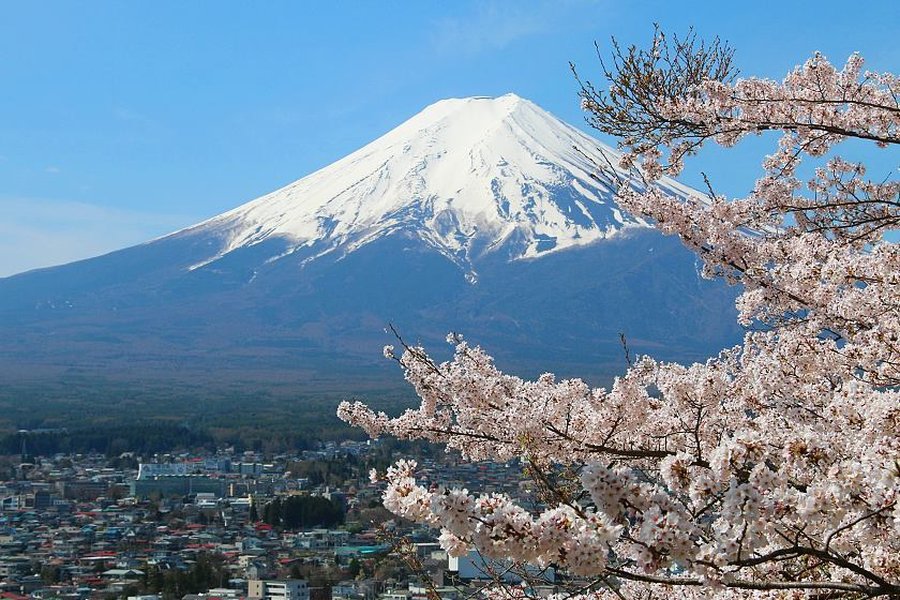
Mount Fuji framed by vibrant cherry blossoms, a quintessential Japanese scene.
🍱 A Taste of Japan: Delicious Cuisine
Showcasing Japan's Culinary Delights
Japanese cuisine, or washoku (和食), is celebrated worldwide for its fresh ingredients, meticulous presentation, diverse flavors, and health benefits. It's a feast for the eyes as well as the palate! Make this section of your bulletin board colorful and appetizing with pictures and descriptions of iconic dishes.
Popular Japanese Foods to Feature:
- Sushi (寿司): Vinegared rice combined with various ingredients, typically raw fish or seafood, and vegetables. Often served with soy sauce, wasabi (Japanese horseradish), and pickled ginger.
- Ramen (ラーメン): A hearty noodle soup with a rich broth (flavors include soy sauce, miso, salt, or pork bone), wheat noodles, and toppings like sliced pork (chashu), dried seaweed (nori), menma (bamboo shoots), and soft-boiled egg.
- Bento Boxes (弁当): Single-portion, home-packed or takeout meals, artistically arranged in sectioned boxes. A typical bento includes rice or noodles, fish or meat, and pickled or cooked vegetables.
- Tempura (天ぷら): Seafood (like shrimp and fish) and vegetables that are lightly battered and deep-fried until crispy.
- Udon (うどん) and Soba (そば): Udon are thick wheat flour noodles, while soba are thin buckwheat noodles. Both can be served hot in a savory broth or cold with a dipping sauce.
- Okonomiyaki (お好み焼き): A savory pancake containing a variety of ingredients (like meat, seafood, and vegetables) mixed into a flour-based batter, cooked on a griddle. The name means "grilled as you like it."
- Takoyaki (たこ焼き): Ball-shaped snacks made from a wheat flour-based batter and filled with diced octopus, tempura scraps, pickled ginger, and green onion, cooked in a special molded pan.
- Onigiri (おにぎり): Rice balls, often triangular or oval, sometimes wrapped in nori (seaweed) and typically filled with ingredients like pickled plums (umeboshi), salted salmon, or katsuobushi (dried bonito flakes).
- Matcha (抹茶): Finely ground powder of specially grown and processed green tea leaves, central to the traditional Japanese tea ceremony and also used as a flavoring in sweets and drinks.
- Mochi (餅): A Japanese rice cake made from glutinous rice pounded into a paste and molded into shape. Eaten year-round but especially popular during New Year celebrations.
Mention the importance of seasonal ingredients and the emphasis on presentation in Japanese food culture. For the more adventurous, traditional foods also include items like raw horse meat (basashi) and various preparations of octopus and squid.
Visual Ideas:
- Use vibrant pictures or drawings of these dishes.
- Create a "menu" display with fun facts about each food.
- Students could draw their ideal bento box.
🏯 Iconic Landmarks: Famous Places in Japan
Journey Through Japan's Most Celebrated Sites
Japan is home to a stunning array of famous places, from towering mountains and bustling modern cities to serene ancient temples and breathtaking natural wonders. This section of your bulletin board can be a visual tour of these iconic locations.
Must-See Destinations:
- Mount Fuji (富士山): Japan's tallest peak (3,776 meters), an active stratovolcano, and one of its "Three Holy Mountains." Its nearly perfect conical shape is a globally recognized symbol of Japan, especially beautiful when snow-capped. Oshino Hakkai offers excellent views.
- Tokyo (東京): The vibrant capital city, a sprawling metropolis known for its futuristic skyscrapers (like the Tokyo Skytree), bustling neighborhoods (such as Shibuya with its famous scramble crossing and Shinjuku), historic temples (like Senso-ji), and the tranquil Imperial Palace.
- Kyoto (京都): The former imperial capital for over a thousand years, Kyoto is rich in history and culture. It's famous for its thousands of classical Buddhist temples, Shinto shrines, palaces, and traditional wooden houses (machiya). Key sites include Kinkaku-ji (Golden Pavilion), Fushimi Inari-taisha Shrine (with its thousands of red torii gates), Kiyomizu-dera Temple, and the enchanting Arashiyama Bamboo Grove.
- Nara (奈良): Another former capital, Nara is renowned for its historic temples and treasures, particularly Todai-ji Temple which houses a giant bronze statue of Buddha. Nara Park is famous for its freely roaming, friendly wild sika deer, considered messengers of the gods.
- Hiroshima (広島): A city that has risen resiliently from its tragic past. The Peace Memorial Park and Museum are poignant reminders of the 1945 atomic bombing. Nearby is Miyajima Island, home to the iconic "floating" torii gate of Itsukushima Shrine.
- Osaka (大阪): A lively city known for its modern architecture, vibrant nightlife, and delicious street food (especially in the Dōtonbori district, famous for its neon lights and energetic atmosphere). Osaka Castle is a prominent historical landmark.
- Cherry Blossoms (桜 - Sakura): While not a single place, the phenomenon of cherry blossoms blooming in spring is a nationwide spectacle and a deeply significant cultural event. Hanami (flower viewing) parties are held under the blooming trees across the country.
- Nikko (日光): A town in the mountains north of Tokyo, famous for the lavishly decorated Toshogu Shrine, the mausoleum of Tokugawa Ieyasu, and its stunning natural scenery, especially popular for autumn foliage.
- Kenrokuen Garden (金沢 - Kanazawa): Considered one of Japan's "three most beautiful landscape gardens," Kenrokuen is celebrated for its water features, bridges, teahouses, and diverse flora that provide beauty in every season.
Visual Ideas:
- Display large, captivating photos or student drawings of these landmarks.
- Create a "postcard" section where each postcard features a famous place and a fun fact.
- Incorporate 3D elements, like a paper cutout of Mount Fuji or a miniature torii gate.
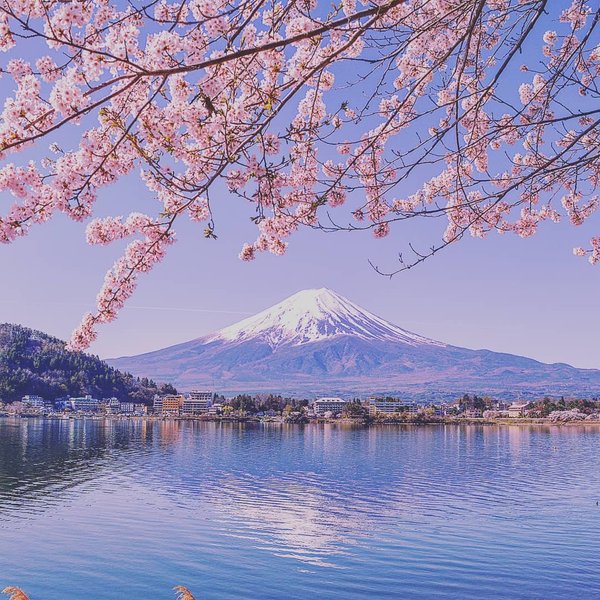
A picturesque view of cherry blossoms with a traditional pagoda, showcasing Japan's scenic beauty.
🎌 Embracing Tradition: Culture & Customs
A Glimpse into Japan's Rich Heritage
Japanese culture is a fascinating tapestry woven from ancient traditions and modern influences. Shinto and Buddhism are the two major religions that have profoundly shaped Japanese values, arts, and festivals. Shinto, for example, involves the worship of kami (spirits) found in nature, while Buddhism offers philosophical and spiritual guidance.
Key Cultural Aspects:
- Kimono (着物): Traditional Japanese garments, often made of silk, characterized by their T-shape, straight seams, and large sleeves. Kimonos are still worn for special occasions like weddings, tea ceremonies, and festivals.
- Tea Ceremony (茶の湯 - Chanoyu or 茶道 - Sadō): A highly ritualized preparation and serving of matcha (powdered green tea). It emphasizes harmony (和 - wa), respect (敬 - kei), purity (清 - sei), and tranquility (寂 - jaku).
- Origami (折り紙): The Japanese art of paper folding, where intricate figures (animals, flowers, objects) are created from a single sheet of paper without cutting or gluing. The crane is a particularly popular origami figure, symbolizing peace and longevity.
- Calligraphy (書道 - Shodō): The art of artistic handwriting using a brush and black ink on paper. It's not just about writing characters beautifully but also about expressing spiritual depth and balance.
- Festivals (祭り - Matsuri): Japan hosts countless festivals throughout the year, often tied to Shinto shrines, Buddhist temples, seasons, or historical events. These can involve parades with elaborate floats, traditional music and dance, and vibrant street food. Famous festivals include Gion Matsuri in Kyoto, Awa Odori dance festival in Tokushima (mid-August), and Sapporo Snow Festival.
- Bowing (お辞儀 - Ojigi): A fundamental part of Japanese etiquette, used for greetings, apologies, gratitude, and showing respect. The depth and duration of the bow vary depending on the social context and relationship between individuals.
- Onsen (温泉): Natural hot springs, highly valued for their relaxing and purported therapeutic benefits. Bathing in onsen is a popular pastime and a significant part of Japanese culture.
- Japanese Gardens (日本庭園 - Nihon teien): Designed to evoke natural landscapes, these gardens often feature rocks, water (ponds, streams), carefully pruned trees and moss, and elements like stone lanterns and teahouses. They are created for contemplation and aesthetic appreciation.
- Pop Culture: Modern Japanese culture has a global impact through manga (comics), anime (animation), video games (e.g., Nintendo, Sony PlayStation), and J-Pop (Japanese popular music).
Visual Ideas:
- Display pictures of people in kimonos, a tea ceremony setup, or examples of calligraphy and origami.
- Create a small origami corner where students can try folding a simple shape.
- Show images of colorful festival floats or traditional Japanese gardens.
🐵 Wild Wonders: Animals of Japan
Discovering Japan's Unique Wildlife
Japan's diverse geography, stretching from subarctic to subtropical regions, supports a fascinating array of wildlife. This section can introduce students to some of the animals unique to or commonly found in Japan.
Notable Japanese Wildlife:
- Japanese Macaques (日本猿 - Nihonzaru): Also known as "snow monkeys," these primates are famous for their habit of bathing in natural hot springs (onsen) during cold winters, particularly in places like Jigokudani Monkey Park in Nagano.
- Red-crowned Crane (丹頂 - Tanchō): A large, elegant bird considered a symbol of luck, longevity, and fidelity in Japan. They are often depicted in Japanese art and are a protected species, found primarily in Hokkaido.
- Koi Fish (鯉): Colorful, ornamental varieties of domesticated common carp. They are popular in Japanese water gardens and ponds, symbolizing good fortune, perseverance, and strength.
- Sika Deer (ニホンジカ - Nihonjika): Native to much of East Asia, sika deer are common in Japan. In some areas, like Nara Park, they are considered sacred messengers of the Shinto gods and roam freely, often interacting with tourists.
- Tanuki (狸 - Japanese Raccoon Dog): A canid species native to East Asia. Tanuki are prominent figures in Japanese folklore, often depicted as mischievous shapeshifters with jovial personalities and are commonly seen as statues outside shops and restaurants to bring good luck.
Visual Ideas:
- Include captivating photos or student drawings of these animals in their natural habitats.
- Create a "Wildlife Map" showing where these animals are typically found in Japan.
- Add fun facts about each animal's behavior or cultural significance.
✏️ The Sound of Japan: Language Basics
Learning Simple Japanese Greetings and Phrases
The primary language of Japan is Japanese (日本語 - Nihongo). It has a complex writing system that uses three different scripts: Hiragana (ひらがな - a phonetic syllabary for native Japanese words and grammatical particles), Katakana (カタカナ - a phonetic syllabary mainly for foreign loanwords and onomatopoeia), and Kanji (漢字 - adopted Chinese characters representing words or ideas). Learning a few basic phrases can be a fun way to connect with the culture!
Simple Japanese Phrases:
This table provides some common Japanese phrases, their Romaji (Roman letter) pronunciation, and their English meaning. This can be a great interactive part of your bulletin board!
| English | Japanese (Hiragana/Katakana/Kanji) | Romaji (Pronunciation) |
|---|---|---|
| Hello (general greeting) | こんにちは | Konnichiwa |
| Good morning | おはようございます | Ohayō gozaimasu |
| Good evening | こんばんは | Konbanwa |
| Thank you (common) | ありがとう | Arigatō |
| Thank you (formal) | ありがとうございます | Arigatō gozaimasu |
| Goodbye (more permanent) | さようなら | Sayōnara |
| Goodbye (casual, "see you later") | またね | Mata ne |
| Yes | はい | Hai |
| No | いいえ | Iie |
| Excuse me / I'm sorry | すみません | Sumimasen |
| Please (when offering something) | どうぞ | Dōzo |
| Please (when requesting something) | おねがいします | Onegaishimasu |
The Japanese language has also been influenced by Chinese and contains many loanwords from European languages, especially English (e.g., テレビ - terebi for television, コーヒー - kōhī for coffee).
Visual Ideas:
- Create flashcards with Japanese phrases, their pronunciation, and meaning.
- Show examples of Hiragana, Katakana, and a few simple Kanji characters.
- Use speech bubbles to display the phrases.
🧒👧 A Day in the Life: Kids in Japan
Exploring School and Daily Routines for Japanese Children
Life for children in Japan has many unique aspects, especially concerning school and daily activities. This section can offer a fascinating comparison for students.
School Life:
- School Year: The Japanese school year typically begins in April and ends in March, with breaks for summer, winter, and spring.
- Uniforms: Most students from junior high school onwards wear school uniforms (制服 - seifuku).
- Cleaning Time (掃除 - Sōji): A distinctive feature of Japanese schools is that students are responsible for cleaning their classrooms, hallways, and sometimes even bathrooms. This practice aims to teach responsibility and respect for their environment.
- School Lunch (給食 - Kyūshoku): Many elementary and junior high schools provide nutritious, standardized lunches that students eat together in their classrooms. Students often take turns serving lunch to their classmates.
- Subjects: Core subjects include Japanese language, mathematics, science, social studies, music, arts and crafts, physical education, and moral education. English language education typically starts in elementary school. Calligraphy (Shodo) is also taught.
- After-School Activities (部活 - Bukatsu): Many students participate in extracurricular clubs focusing on sports (like baseball, soccer, judo), arts (like brass band, tea ceremony, calligraphy), or academic interests. These clubs are a significant part of school life.
- Cram Schools (塾 - Juku): Some students attend private after-school tutoring sessions or "cram schools" to supplement their regular studies, especially to prepare for high school or university entrance exams.
- Commuting: It's common for Japanese elementary students, even from a young age, to walk to school in groups or take public transportation independently.
- School Events: Special events like Sports Day (運動会 - Undōkai), cultural festivals (文化祭 - Bunkasai), and school excursions are important parts of the school experience.
Daily Life Tidbits:
- Typical breakfast might include rice, miso soup, grilled fish, and pickled vegetables.
- After-school hours might be spent at club activities, juku, or playing with friends.
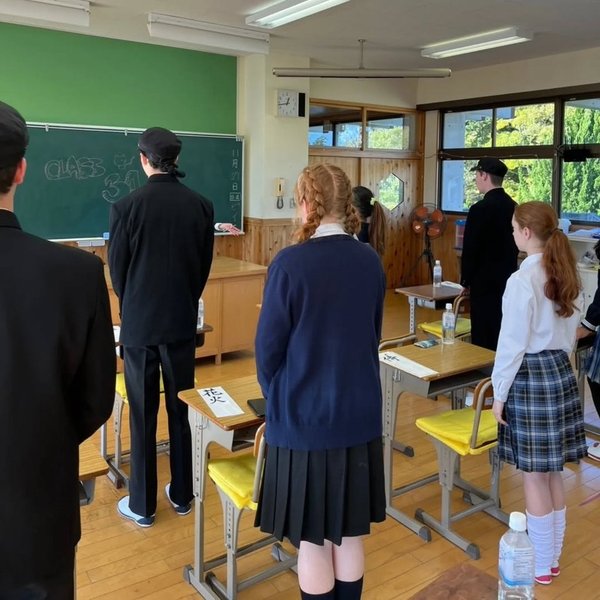
Students in Japan often participate in cleaning their school, fostering a sense of community and responsibility.
Visual Ideas:
- Display pictures or drawings of Japanese students in uniform, during school lunch, or participating in club activities or cleaning.
- Create a "compare and contrast" chart showing similarities and differences between school life in Japan and your own school.
Comparative Glimpse: Major Japanese Cities
Understanding Urban Diversity in Japan
Japan's cities offer diverse experiences, from ancient traditions to cutting-edge modernity. The radar chart below provides a comparative snapshot of three major cities – Tokyo, Kyoto, and Osaka – across several cultural and lifestyle dimensions. This is an opinionated analysis meant to highlight their general characteristics for your bulletin board.
This chart visualizes how each city scores (on a subjective scale of 1-10, where 10 is highest) in areas like adherence to tradition, embrace of modernity, access to nature, richness of cuisine, vibrancy of arts, and excitement of nightlife. For example, Kyoto scores high on 'Tradition & History', while Tokyo excels in 'Modernity & Technology'. Osaka is renowned for its 'Cuisine & Culinary Scene' and 'Nightlife'.
Connecting the Dots: Japan Bulletin Board Mindmap
Visualizing Your Project's Key Themes
To help organize all the wonderful information for your Japan bulletin board, here's a mindmap. It visually connects the main topics you'll be covering, providing a clear overview of how different aspects of Japan interrelate. This can serve as a great planning tool!
This mindmap starts with the central theme of your bulletin board and branches out into each key area of exploration. Each branch can then be further detailed with specific examples and facts, helping you structure your content effectively and ensure comprehensive coverage.
Discover Japan Through Video
A Kid's Guide to Japan
To bring some of these concepts to life, the following video, "Japan for Kids - A kids guide to Japan," offers a fun and engaging introduction to the country. It covers various aspects like famous inventions, food, and culture in a way that's accessible and enjoyable for a younger audience. This can be a great supplementary resource for your project or for students to watch to get inspired!
This video provides a quick tour of Japan, highlighting interesting facts that align well with the themes of your bulletin board. It can help students visualize the places, food, and cultural elements they are learning about, making the information more memorable and exciting.
Frequently Asked Questions (FAQ)
What are the best colors to use for a Japan-themed bulletin board?
Consider using red and white prominently, reflecting the Japanese flag. Pastels, especially pinks and light blues (inspired by cherry blossoms and traditional art), can also work beautifully. Adding accents of gold or black can create an elegant touch. Using vibrant patterns like cherry blossoms or traditional Japanese geometric designs for borders can also enhance the theme.
How can I make the bulletin board interactive for my classmates?
You could include a "Phrase of the Week" in Japanese, a small quiz with lift-the-flap answers about Japan facts, or an area where students can try to write their name in Katakana (with a guide). A mini origami folding station with simple instructions for a crane or a samurai helmet could also be very engaging. You could also add QR codes linking to short, relevant videos or music.
What kind of "Fun Facts" would be good to include?
Include facts like: "Japan is made up of over 6,800 islands!" or "Tokyo is the largest metropolitan area in the world by population." For food: "Sushi did not originate in Japan in its current form but evolved from a method of preserving fish in fermented rice in Southeast Asia." For culture: "The art of origami is so precise that some folders can create incredibly tiny sculptures." For wildlife: "Japanese macaques (snow monkeys) are the most northerly living non-human primates."
Where can I find good pictures for the bulletin board?
You can find pictures in travel magazines, books about Japan, or print them from reputable online sources (always check for copyright if you're using them for more than just a classroom project). National Geographic, tourism board websites (like the Japan National Tourism Organization), and educational sites are good places to start. Students can also contribute their own drawings and illustrations!
Recommended Further Exploration
Dive Deeper into Japanese Culture
- What are some famous Japanese folk tales and their meanings?
- How has technology shaped modern life in Japan for young people?
- Can you explain the significance of different types of Japanese gardens?
- What are the most popular sports in Japan and who are some famous athletes?
References
Sources for Your Research

Last updated May 19, 2025