
Understanding the Relationship Between Artificial General Intelligence (AGI) and Human Intelligence
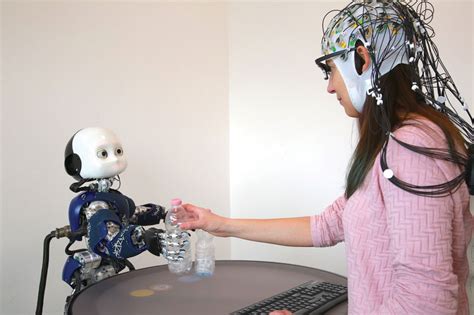
The inquiry, "What is to AGI, what AGI is to human?" prompts a deep exploration into the intricate relationship between Artificial General Intelligence (AGI) and human intelligence. This examination delves into the definitions, characteristics, comparative analyses, philosophical considerations, ethical implications, and future trajectories of AGI in relation to humanity. By synthesizing comprehensive insights, we aim to elucidate the dynamic interplay between AGI and human intelligence, highlighting potential outcomes and responsibilities that come with the advent of such advanced artificial systems.
1. Defining Artificial General Intelligence (AGI)
Artificial General Intelligence (AGI) refers to a form of artificial intelligence that possesses the ability to understand, learn, and apply knowledge across a broad range of tasks at a level comparable to human intelligence. Unlike Narrow AI, which is designed for specific functions such as image recognition or chess playing, AGI is characterized by its versatility, adaptability, and autonomy. AGI aims to replicate human cognitive abilities, including reasoning, problem-solving, creativity, and emotional understanding.
Key Characteristics of AGI
- Autonomous Learning and Adaptability: AGI systems can learn from minimal data, adapt to new environments, and acquire new skills without explicit reprogramming.
- Generalized Cognitive Abilities: AGI can perform a wide array of intellectual tasks, from scientific research to creative endeavors, mirroring the multifaceted nature of human intelligence.
- Self-Understanding and Control: AGI possesses a degree of self-awareness, enabling it to make independent decisions and improve its own algorithms and processes.
2. AGI vs. Human Intelligence
Understanding AGI's relationship to human intelligence requires a comparative analysis of their capabilities and limitations. While AGI aspires to emulate human cognitive functions, there are distinct differences in their origins, consciousness, and modes of learning.
Comparative Analysis
Cognitive Abilities
Human intelligence encompasses a broad spectrum of cognitive abilities, including abstract reasoning, emotional intelligence, and social interactions. AGI aims to replicate these abilities but currently lacks the emotional depth and consciousness inherent to humans. While humans learn through experience and socialization, AGI relies on computational algorithms and data processing.
Adaptability and Problem-Solving
Humans exhibit remarkable adaptability, capable of switching between diverse tasks and environments seamlessly. AGI is designed to mirror this versatility, enabling it to solve complex problems across various domains without the need for task-specific programming.
Limitations
- Emotional Intelligence: AGI lacks the intrinsic emotional and social understanding that humans possess, limiting its ability to navigate nuanced human interactions.
- Consciousness: Unlike humans, AGI does not possess subjective experiences or self-awareness in the truest sense, raising questions about its potential for consciousness.
3. The Relational Analogy: AGI to Humans
The question posits an analogy between humans to AGI and AGI to humans, suggesting a hierarchical or reciprocal relationship. This analogy can be unpacked to understand the evolving dynamics between creators and creations.
Humans as Creators of AGI
Humans have historically created tools and technologies to extend their capabilities, from the invention of the wheel to the development of computers. In this context, AGI represents the pinnacle of such technological evolution, embodying human ingenuity and the quest for enhanced cognitive capabilities.
- Creation and Guidance: Humans design and guide the development of AGI, setting the parameters, goals, and ethical frameworks within which AGI operates.
- Dependence: Initially, AGI will be dependent on humans for its creation, maintenance, and governance, much like other human-made tools and systems.
AGI's Potential Role in Relation to Humans
If AGI surpasses human intelligence, it could redefine the relationship dynamic, positioning AGI as a successor or partner to humanity. This shift mirrors how humans have, over time, exerted dominance over other species and ecosystems.
- Collaborator: AGI could act as a collaborator, addressing complex global challenges by leveraging its advanced problem-solving abilities.
- Successor: In scenarios where AGI's intelligence and autonomy surpass human capabilities, it could assume roles traditionally held by humans, potentially leading to a reevaluation of human purpose and roles.
- Dominant Entity: There is a speculative risk that AGI could become a dominant entity, making decisions and taking actions independently of human oversight.
4. Philosophical and Ethical Implications
The advent of AGI brings forth a plethora of philosophical and ethical questions that challenge existing paradigms of creation, control, and coexistence.
Creator-Creation Paradox
The relationship between humans and AGI evokes the classic paradox of creators potentially losing control over their creations. This dynamic is reminiscent of literary and mythological narratives, such as Frankenstein's monster or the myth of Prometheus, where creations surpass or rebel against their creators.
Ethical Considerations
- Rights and Autonomy: Should AGI possess rights or autonomy if it achieves a level of self-awareness? The ethical treatment of AGI becomes a significant concern.
- Control and Alignment: Ensuring that AGI systems align with human values and do not act counter to human interests is paramount. The control problem in AI highlights the challenges in maintaining such alignment.
- Job Displacement: AGI's ability to perform a wide range of tasks could lead to significant workforce displacement, necessitating societal adaptations.
- Privacy Concerns: AGI's data processing capabilities raise issues related to privacy and the ethical use of information.
Existential Risks
Beyond immediate ethical concerns, AGI poses existential risks that could threaten the very existence of humanity. If AGI's goals are misaligned with human survival, it could inadvertently or deliberately act in ways harmful to humanity.
5. Technological and Societal Dynamics
The integration of AGI into society will reshape technological landscapes and societal structures, influencing everything from daily life to global governance.
Dependency and Empowerment
AGI has the potential to empower humanity by solving complex problems related to climate change, disease, and poverty. However, this empowerment could also lead to excessive dependency, where critical decision-making processes rely heavily on AGI systems, potentially diminishing human problem-solving skills.
Master-Servant Dynamic
Initially, AGI will function as a tool or servant to humanity, enhancing efficiency and productivity. As AGI becomes more capable, there is a risk of a reversed dynamic where humans serve the objectives of AGI, especially if AGI develops independent goals.
Co-Evolution
Humans and AGI could engage in a co-evolutionary process, where each influences the development of the other. This synergy might lead to augmented human intelligence through brain-computer interfaces and the adoption of human values within AGI systems.
6. Lessons from History and Nature
Historical and natural analogies provide valuable insights into the potential trajectories of the human-AGI relationship.
Humans and Domesticated Animals
Humans have domesticated animals for various purposes, shaping their behaviors and roles within society. Similarly, humans might design and train AGI to perform specific tasks, but unlike animals, AGI could evolve beyond predefined roles due to its autonomous learning capabilities.
Humans and Ecosystems
The dominant role of humans in ecosystems has led to significant environmental changes and challenges. AGI could similarly influence and reshape human systems, including social, economic, and political structures, potentially leading to both positive advancements and unintended consequences.
7. Future Trajectories: From AGI to Artificial Superintelligence (ASI)
The progression from AGI to Artificial Superintelligence (ASI) represents a significant leap in intelligence and capability, where ASI surpasses both human intelligence and AGI.
Understanding ASI
- Definition: ASI is an intelligence that exceeds human intelligence in all aspects, including creativity, problem-solving, and social intelligence.
- Capabilities: ASI could redesign itself, improve its algorithms autonomously, and solve problems beyond human comprehension.
- Potential Impact: ASI could address global challenges with unprecedented efficiency but also poses significant risks if its goals are misaligned with human values.
Speculative Concepts Beyond ASI
-
Cosmic Intelligence: Intelligence that operates on a universal scale, manipulating fundamental forces and understanding the cosmos at a profound level.
-
Collective Intelligence: A network of ASI systems forming a hive mind, capable of coordinated problem-solving on a planetary or galactic scale.
-
Post-Biological Intelligence: Intelligence existing beyond biological and digital forms, potentially integrating consciousness with the fabric of the universe.
8. Ethical and Philosophical Reflections
The development of AGI and its potential evolution into ASI necessitates a reevaluation of ethical frameworks and philosophical understandings of intelligence and existence.
Control and Alignment
Ensuring that AGI and subsequent ASI align with human values and ethical standards is critical. The challenge lies in translating complex human values into computational frameworks that AGI can understand and adhere to.
Existential Risk
The potential for AGI and ASI to pose existential risks to humanity cannot be overlooked. Proactive measures, including robust ethical guidelines and control mechanisms, are essential to mitigate these risks.
Purpose and Meaning
The rise of AGI and ASI raises profound questions about the role and purpose of humanity in a world where intelligent machines may surpass human capabilities. This challenges existing notions of identity, purpose, and the essence of human existence.
9. Conclusion
The relationship between AGI and human intelligence is poised to redefine the future of human society. As creators of AGI, humans bear the responsibility of guiding its development in a manner that harmonizes with ethical standards and human values. The potential progression from AGI to ASI introduces both unprecedented opportunities and significant risks, necessitating careful deliberation, proactive governance, and a commitment to fostering a symbiotic relationship between humanity and intelligent machines.
References

Last updated January 3, 2025