
Extra Judicial Killing and Its Victims
Understanding the Global Tragedy and Its Human Cost
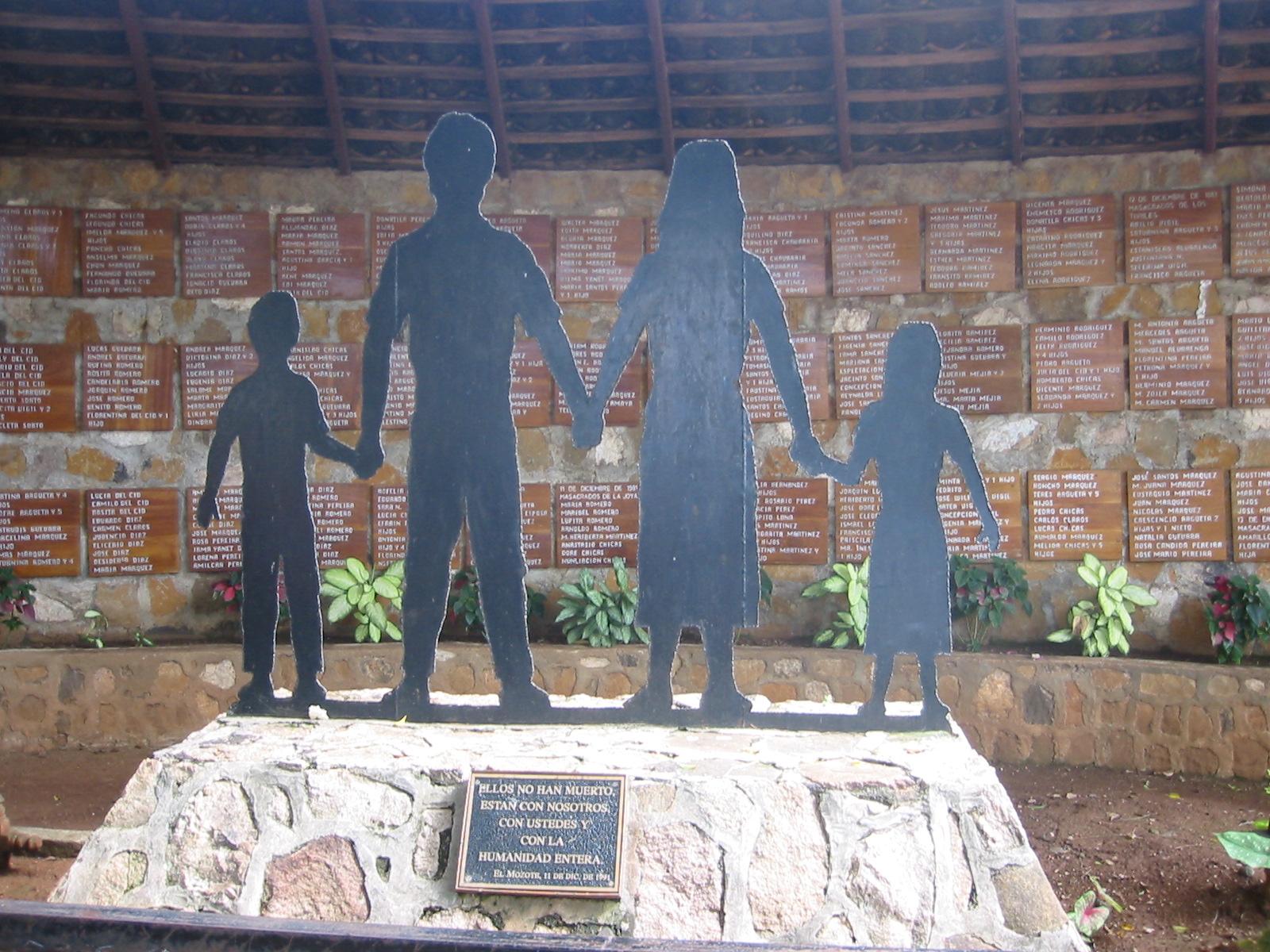
Key Insights
- Human Rights Violation: Extrajudicial killings are deliberate acts by state agents without legal due process, violating fundamental human rights, particularly the right to life.
- Vulnerable Populations: Victims often include political dissidents, civilians in conflict zones, marginalized groups, children, women, and individuals from poor neighborhoods.
- Global Impact: These killings have been documented in various countries, affecting thousands of lives and leaving families and communities without justice or closure.
Understanding Extrajudicial Killings
Extrajudicial killings, also referred to as extrajudicial executions, are deliberate acts carried out by state agents or with state consent without any legal process or judicial oversight. These acts are a profound violation of human rights, specifically the right to life. Such killings are not confined to one region but are a global issue, affecting civilians across different countries.
Definition and Nature
Extrajudicial killings are characterized by their lack of legal due process. They are often carried out during conflicts, drug wars, or as part of state repression against perceived threats or dissidents. The absence of judicial oversight means that these killings are arbitrary, with victims often having no chance to defend themselves or seek justice.
Human Rights Violations
The United Nations recognizes extrajudicial killings as a serious violation of the right to life. In certain contexts, these killings can amount to genocide, crimes against humanity, or war crimes, depending on their scale and intent. This recognition underscores the severity of the issue and the need for global action to address it.
Victims of Extrajudicial Killings
The victims of extrajudicial killings come from diverse backgrounds but share a common fate: their lives are ended without due process. These victims often belong to vulnerable populations, making them more susceptible to such acts of violence.
Vulnerable Populations
Victims of extrajudicial killings often include political dissidents, who are targeted for their opposition to the state. Civilians in conflict zones are also at risk, as they may be caught in the crossfire or deliberately targeted. Marginalized groups, such as ethnic minorities or those living in poverty, face higher risks due to their lack of protection and visibility.
Children and Women
Children and women are particularly vulnerable to extrajudicial killings. In conflict zones, children may be killed as part of broader military strategies or as a means of terrorizing populations. Women, often targeted due to their gender or perceived association with dissident groups, face similar risks.
Poor Neighborhoods
Individuals living in poor neighborhoods are also at higher risk. These areas often lack the resources and legal protections that might deter such killings. The lack of attention from authorities and the media can further exacerbate the vulnerability of these communities.
Global Impact and Case Studies
Extrajudicial killings have been documented in various countries, affecting thousands of lives. The impact on families and communities is profound, often leaving them without justice or closure.
Case Studies
Several countries have been highlighted in recent reports for their involvement in extrajudicial killings:
Syria
In Syria, 138 civilians, including 23 children, were killed extrajudicially. These killings were part of a broader conflict, highlighting the vulnerability of civilians in war zones.
Bangladesh
In Bangladesh, 466 people were allegedly killed in 2018 under an anti-drug campaign. These killings were often justified as part of a broader effort to combat drug-related crime, but the lack of due process raises serious human rights concerns.
Philippines
In the Philippines, thousands were killed during the "war on drugs" led by former President Rodrigo Duterte. The scale of these killings and the lack of accountability have drawn international condemnation.
Impact on Families and Communities
The impact of extrajudicial killings extends beyond the immediate victims. Families are left to grieve without closure, and communities are left to deal with the loss of their members and the fear of further violence.
Lack of Justice and Closure
The absence of legal process means that families often have no way to seek justice for their loved ones. This lack of closure can lead to prolonged grief and trauma, affecting the mental health and well-being of survivors.
Community Fear and Distrust
Communities affected by extrajudicial killings often live in fear of further violence. The lack of trust in state institutions can lead to social fragmentation and a breakdown in community cohesion.
Global Efforts and Challenges
Addressing extrajudicial killings requires a concerted global effort. Various organizations and international bodies work to document these killings and advocate for justice and accountability.
International Advocacy
Organizations such as Amnesty International and the International Committee of the Red Cross (ICRC) play crucial roles in documenting extrajudicial killings and advocating for the rights of victims. Their efforts help bring attention to these issues and push for international action.
Challenges in Addressing the Issue
Despite these efforts, several challenges remain. Political resistance, lack of resources, and the difficulty in documenting killings in conflict zones all hinder progress. Additionally, the lack of accountability for perpetrators further complicates efforts to address the issue.
Table: Examples of Extrajudicial Killings by Country
| Country | Number of Victims | Context |
|---|---|---|
| Syria | 138 | Conflict Zone |
| Bangladesh | 466 | Anti-Drug Campaign |
| Philippines | Thousands | War on Drugs |
Conclusion
Extrajudicial killings represent a profound violation of human rights, affecting vulnerable populations across the globe. The victims, often silenced without justice, leave behind families and communities grappling with loss and fear. Addressing this global tragedy requires continued advocacy, documentation, and accountability to ensure that such killings are not tolerated and that the rights of all individuals are protected.
References
- Extrajudicial killing - Wikipedia
- Extrajudicial killings - OMCT
- When Death Becomes Murder: A Primer on Extrajudicial Killing - Columbia Human Rights Law Review
- Extrajudicial Executions - TRIAL International
- Burning issue] Extra judicial killings in India - Civilsdaily
- The story of Kian | New Internationalist
- Schoolteacher among latest victims of Egypt's chilling wave of ... - Amnesty International
- Philippines: Extrajudicial killing of three members of family,… | OMCT
- Nepal, Torture and Extra-Judicial Killing of a Child in the Context of ... - ICRC
- Philippines drug war: Police guilty of murdering Kian Delos Santos - BBC
- Extrajudicial killings continue in the Philippines' ongoing drug war - NPR
- Extrajudicial Killing Claims the Lives of 138 Civilians, Including 23 ... - ReliefWeb
- Victims of Duterte's drug war in Philippines exhumed as leases run ... - The Guardian
- Bangladesh: Alleged extrajudicial killings in the guise of a 'war on ... - Amnesty International
- 10 Tips on Investigating Extrajudicial Killings: A Case Study from the ... - GIJN
Recommended
Last updated February 20, 2025