
2025 Formula 1 Season Predictions: A Comprehensive Analysis
Exploring the Contenders and Dynamics Shaping the Future of F1
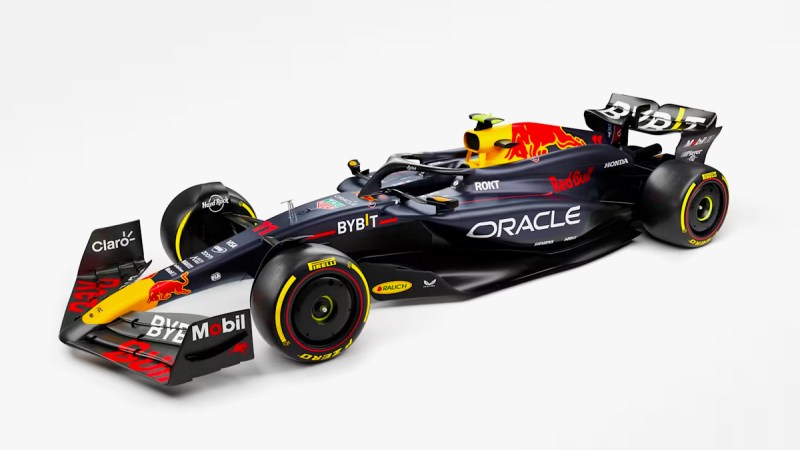
Key Highlights
- Multiple Contenders: The 2025 season is expected to feature fierce battles among top drivers like Charles Leclerc, Lando Norris, and Max Verstappen.
- Team Dynamics and Technological Shifts: Constructors such as Ferrari, McLaren, and Red Bull will continually evolve through mid-season upgrades, new strategies, and technological innovations.
- Competitive and Uncertain Outcomes: Despite in-depth analyses and predictions, the season’s outcome remains uncertain due to the unpredictable nature of team performance, regulatory changes, and unexpected variables.
Introduction
The Formula 1 season of 2025 is positioned to be one of the most competitive and unpredictable in recent history. Predictions regarding the outcome have been diverse, with various analytical perspectives highlighting the strengths and vulnerabilities of top drivers and teams alike. In the landscape of motor racing, multiple factors including driver performance, team strategy, engineering advancements, and regulatory frameworks converge to shape the final results of the championship.
Among the prominent names frequently mentioned are Charles Leclerc, Lando Norris, and Max Verstappen. Each driver, backed by their respective teams and evolving automotive technologies, brings unique attributes to the grid. While some experts lean towards a resurgence from Ferrari with Leclerc at the forefront, others see the narrative shifting in favor of McLaren’s rising star, Norris, or the ever-consistent Verstappen of Red Bull. The divergent opinions and betting odds reflect that the season could very well be decided by marginal improvements, tactical decisions, and unforeseen race-day circumstances.
Analyzing the Top Contenders
1. Charles Leclerc and Ferrari
A significant portion of the predictions point to Charles Leclerc as a leading contender for the Drivers' Championship. Riding on the momentum garnered during the latter phase of the previous season, Leclerc’s performances have highlighted his ability to extract maximum performance from his car under pressure. His aggressive driving style, combined with Ferrari’s structural improvements and renewed focus, has led many experts to consider him a favorite.
Ferrari’s resurgence adds depth to the prediction. With strategic investments in car development and the team dynamics aligning in Leclerc’s favor, there is a growing sentiment that Ferrari could also emerge as a strong candidate for the Constructors' Championship. The blend of experienced engineering teams, increased focus on aerodynamics, and enhanced engine performance positions Ferrari as a formidable force on the grid.
2. Lando Norris and McLaren
Lando Norris represents the blend of youthful exuberance and emerging talent, marking him as another favourite for the season. Praised for his consistency and ability to maintain competitive pace even under challenging conditions, Norris has become a beacon for those expecting a shift in the power dynamics within Formula 1. McLaren’s overall performance in the previous season, including a commendable show in the Constructors' category, underscores the potential for Norris to capitalize on this momentum.
The evolving strategies adopted by McLaren, combined with their experimental approach to mid-season upgrades, suggest that Norris may have the tactical advantage necessary to challenge more established rivals. Betting odds and performance data hint at the possibility of him clinching significant podium finishes, if not the championship title, as the season unfolds.
3. Max Verstappen and Red Bull Racing
Max Verstappen, a seasoned veteran with an impeccable record, remains a perennial contender in the championship scenario. Despite the notion that his dominance might wane slightly due to increased competition, his experience and track record make him a critical player in the 2025 season. His ability to perform under intense pressure and adapt his strategies to rapidly shifting race conditions is a key asset.
Red Bull Racing, while noted for their past degrees of dominance, face the challenge of keeping pace with emerging technological innovations and strategic shifts from competitors. There is a nuanced balance where Verstappen might be edged out by the integrated strengths of his rivals, even if his individual performance remains top-notch. Nevertheless, any miscalculation or lapse in Red Bull’s mid-season strategy could provide just the opening needed for Verstappen to reclaim a dominant position.
Team Dynamics and Technological Innovations
The 2025 Formula 1 season is not solely defined by driver skills but also significantly influenced by each team’s technological innovations and strategic maneuvers. Teams invest immensely in research and development to ensure that every component of the car, from aerodynamics to the engine performance, is optimized for maximum efficiency.
Technological Advancements
The ongoing development in car technology sees teams constantly updating designs and integrating new features throughout the season. This includes improvements in aerodynamic packages, hybrid powertrain efficiency, and tire management systems. Key to these advancements is the constant interplay of engineering prowess and data analytics. By leveraging advanced simulation models and real-time data from races, teams are capable of implementing mid-season upgrades that could lead to significant performance leaps.
Teams that show a willingness to adapt swiftly – deploying quick fixes or innovations as race conditions evolve – are often the ones that not only challenge the championship odds but also influence the overall competitiveness of the grid. In this context, even a small modification can have a considerable impact on a driver’s performance over a season-long campaign.
Strategic Shifts and Regulatory Influences
Alongside technological evolution, strategic adjustments remain crucial for success in Formula 1. The teams’ abilities to predict and adapt to regulatory changes imposed by the sport’s governing bodies can be as decisive as their technical innovations. Regulatory updates—ranging from changes in aerodynamic testing to fuel efficiency metrics—can shift the competitive landscape significantly.
Leaders in the sport understand that these changes, while designed to maintain fairness and promote environmental sustainability, can alter the dynamics of competition. Teams with the capability to integrate regulatory changes into their design and race strategies are often better positioned to handle the unpredictability of the racing calendar. The delicate balance between adhering to regulation and pushing the boundaries of innovation forms the crux of the evolving Formula 1 strategies in 2025.
Competitive Analysis and Statistical Overview
Statistical Comparison of Top Drivers
In order to understand the potential outcomes for the 2025 season, a comparative statistical analysis of the top contenders is essential. Below is a table summarizing key aspects of the three primary drivers expected to influence the championship.
| Driver | Experience & Track Record | Team Strength | Recent Form (2024 Momentum) | Tech and Strategy Adaptability |
|---|---|---|---|---|
| Charles Leclerc | Young, aggressive, and rapidly improving | Strong Ferrari performance, excellent car integration | Career-pivotal moments in late 2024 | High adaptability with Ferrari's renewed innovations |
| Lando Norris | Emerging talent with consistent growth | McLaren's resurgence coupled with strategic excellence | Consistent top finishes and strategic race behavior | Agile and innovative during races and upgrades |
| Max Verstappen | Veteran with unmatched competitive experiences | Historically dominant but facing new challenges | Solid performance with slight vulnerability in 2024 | Impressive racecraft but must counter increased opposition |
Betting Odds and Predictions
Betting markets provide useful insights into the perceived probabilities of championship outcomes. Although the odds fluctuate throughout the pre-season and the early stages of the campaign, they tend to reflect the market’s confidence in various drivers and teams.
In the context of the 2025 season, betting lines indicate that while Lando Norris and Max Verstappen remain strong favorites, there is a notable shift towards optimistic predictions for Charles Leclerc. In one set of odds analyses, Leclerc’s chance to clinch the title was seen as highly competitive, with his odds improving as teams observed his performance in the latter part of pre-season testing.
The dynamic nature of these odds reinforces the notion that no single prediction can be taken for granted. Instead, they highlight the season’s fluidity and the multitude of factors that can influence the championship race at any moment.
Scenario Analysis: Race-by-Race Performance
Deciphering potential trajectories throughout the season requires a deeper look into how individual races and key circuits might influence the championship battle. A season partitioned into distinct performance blocks—early races, mid-season challenges, and finale pressures—plays a crucial role in enabling a driver or a team to make decisive gains.
Early Season Dynamics
The early races of the season will be critical for setting the tone of the championship. Teams that secure strong qualifying positions and adapt quickly to the evolving weather conditions on different circuits will likely build a momentum advantage. Early race outcomes not only provide an indication of car performance under race conditions but also highlight the team’s preparedness to implement unforeseen changes.
For instance, if Ferrari and Leclerc harness the late-season improvements from 2024 right from the start, they could quickly establish a points lead. Conversely, a subpar start by a historically dominant team may force a mid-season strategy recalibration, impacting the eventual title race.
Mid-Season Battles
The mid-season phase is often characterized by strategic upgrades and regulatory adjustments. This period typically witnesses the most significant technical shifts, as teams introduce enhancements that could create unexpected gaps between the frontrunners. The ability of each team to implement these changes efficiently, while also adapting strategy based on race-day conditions, could lead to dramatic shifts in the championship standings.
Key race venues known for their challenging layouts might become the proving grounds where differences in car engineering and driver skill are most apparent. Drivers who have maintained consistency and excelled under pressure in previous seasons will have an edge during this phase.
Finale and Championship Decider
Often, the championship can come down to the final race—where every point is crucial. The pressure and competitive intensity in the final rounds demand extraordinary focus and adaptability. In scenarios where championship contenders arrive at the final event with closely matched points, strategic race management, tire strategy, and even split-second decisions could determine the ultimate winner.
The final race may well be held on a circuit renowned for its technical demands and unpredictable weather conditions, such as Abu Dhabi, where track characteristics could favor one team’s upgrade strategy over another. Drivers who have managed their season’s pace effectively while balancing aggressive tactics with caution could very well seal their championship success in this defining moment.
External Influences and Uncertainties
Regulatory Changes and Their Impact
In the world of Formula 1, stringent regulations are regularly updated to meet evolving standards including safety, environmental considerations, and competitive fairness. Regulations that affect aerodynamic designs, hybrid technologies, and tire usage can have a significant impact on the competitive balance. As teams invest in R&D to optimize their performance under new rules, slight differences in adaptation speed might significantly shift the competitive dynamics over the course of the season.
The uncertainty inherent in such regulatory changes adds another layer of unpredictability, where teams that manage to integrate these shifts more effectively might gain a seasonal advantage. Consequently, while early predictions favor specific drivers, these external factors imply that the championship outcome will likely reflect not only on-track performance but also the efficacy of technological and strategic adaptation.
Unexpected Events
Alongside regulations, Formula 1 is known for its unpredictability. Mechanical failures, unexpected weather disruptions, or even unforeseen accidents have historically altered championship trajectories. Such unforeseen events underscore the risks associated with long campaign predictions since even the best preparations can be derailed by a single unexpected incident.
Teams and drivers must therefore remain resilient throughout the season, with strong contingency plans to mitigate these risks. This unpredictable element ensures that every race day remains as engaging as ever and reinforces the idea that while some drivers might have a drafting edge, the emergence of dynamic opportunities or setbacks remains an intrinsic part of the sport.
Synthesis and Future Forecast
Synthesizing the myriad predictions and analytical insight, it is possible to sketch out a working forecast for the 2025 Formula 1 season. Although definitive predictions remain elusive due to the sheer number of influencing variables, the consensus emerging from the analysis encompasses several critical observations:
- Among individual drivers, there remains a strong belief in the potential of Charles Leclerc, bolstered by his recent performances and Ferrari’s renewed technical prowess. His aggressive performance in previous late-season races positions him as a key candidate for clinching the Drivers' Championship.
- Lando Norris is viewed as a rising talent with the capability to translate McLaren’s strong momentum into championship success. His style emphasizes consistency and strategic race management that could prove critical in a season featuring several potential championship-deciding races.
- Max Verstappen, with his wealth of experience and impressive track record, continues to represent a significant threat. However, his path to success may be met with stiffer competition as emerging talents and rapid technological changes reshape the competitive landscape.
The Constructors' Championship, meanwhile, is equally unpredictable. Teams such as Ferrari and McLaren stand out as potential frontrunners, each with unique advantages in terms of technical upgrades and race strategies. Meanwhile, traditional strength and strategic agility will be essential for teams like Red Bull Racing.
When considering the collective picture, it becomes clear that while the 2025 season might see a slight statistical advantage for Charles Leclerc in certain predictive models, the fluid dynamics of the championship – influenced by mid-season adaptations, regulatory shifts, and unforeseen race-day incidents – ensure that each contender holds a legitimate claim. Ultimately, the final outcome will echo the multifaceted nature of Formula 1, where precision, endurance, and relentless innovation coalesce to produce season-defining moments.
Conclusion
In conclusion, predicting the winner of the 2025 Formula 1 World Championship is a formidable challenge given the myriad of influencing factors. While many analytical models and betting odds have given a nod to Charles Leclerc’s potential to dominate the Drivers' Championship, strong cases can also be made for Lando Norris and Max Verstappen.
The narrative of the season will ultimately be written on the track, where technological innovations, mid-season strategic shifts, and the inherent unpredictability of racing will continuously redefine each contender’s fate. With robust debates surrounding driver skill levels, team performance, and external influences such as regulatory changes, the final championship outcome remains open to interpretation until the very last race.
As the season unfolds, it is essential to appreciate that Formula 1 is not merely a contest of speed but also one of endurance, strategic intelligence, and the ability to innovate under pressure. The ensuing season promises to provide fans with countless unforgettable moments and nail-biting decisions that reflect the high-stakes environment of world-class motorsport.
References
- F1 2025 Season Predictions - Paddy Power
- Dramatic 2025 Prediction Analysis - Sport Bible
- 6 Bold Predictions for F1 2025 - Goodwood
- 2025 F1 Odds on DraftKings
- All-Time Classic Prediction for 2025 F1 - SI Sports
Recommended Related Queries
Last updated February 20, 2025