
Facet Joints and Lumbar Spine Stability
Understanding the Crucial Role of Facet Joints in Supporting Your Lower Back
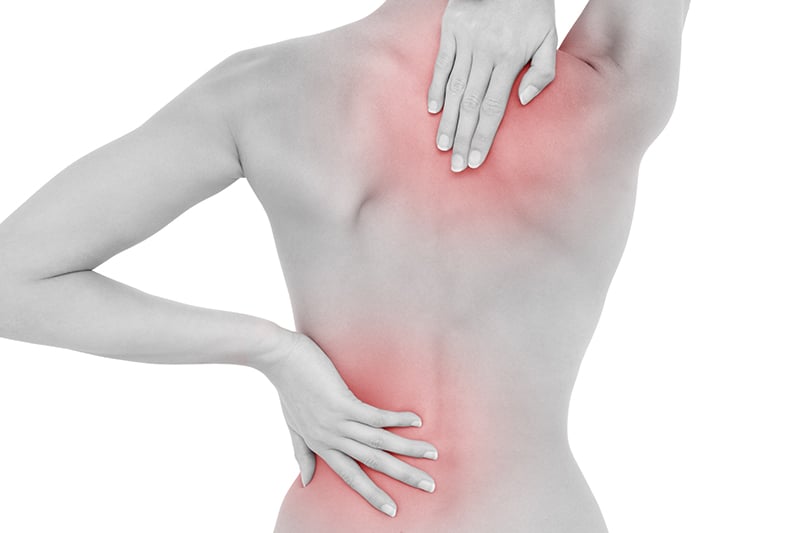
Highlights
- Stabilization and Alignment: Facet joints prevent excessive vertebral movements and maintain proper spinal alignment.
- Load Distribution and Shock Absorption: They work with intervertebral discs to absorb and distribute compressive, shear, and rotational forces.
- Movement Guidance and Neural Protection: Facet joints guide controlled motion of the vertebrae and protect spinal nerves by limiting extreme movements.
Introduction
The facet joints, also known as zygapophysial joints, are a critical component of the lumbar spine's architecture. Nestled between the vertebral bodies, these joints are not only pivotal in maintaining the stability of the lower back but also in ensuring the smooth and controlled movement of the spine. Their unique anatomical placement and biomechanical characteristics allow them to perform various functions that collectively contribute to spinal integrity, flexibility, and the protection of neural structures.
Anatomical and Biomechanical Overview
Anatomy of the Facet Joints
Facet joints are positioned at the posterolateral aspect of the vertebrae, connecting the superior articular process of one vertebra with the inferior articular process of the vertebra above. This configuration not only facilitates a limited range of motion but also acts as a functional lever system for distributing mechanical loads across the lumbar spine. The articular surfaces of these joints are covered with cartilage, a feature that minimizes friction as the joints move and absorb force during various spinal activities.
Structural Characteristics
The microarchitecture of the facet joints is specially designed to support both stability and mobility. Their orientation and the interlocking nature of the articular processes form what is often described as an "articular pillar", a structure that helps to direct and restrict the range of motion in a way that preserves the overall alignment of the vertebral column. Ligaments surrounding these joints, along with the musculature of the back, work in unison to provide both static and dynamic stability to the lumbar spine.
Biomechanical Functions
From a biomechanical standpoint, the facet joints serve several indispensable roles. They work concurrently with intervertebral discs to manage the mechanical stresses imposed by everyday activities such as walking, bending, lifting, and twisting. The intricate interplay between these two components of the spine ensures that forces are appropriately dissipated, reducing the risk of injury and degeneration.
Load Distribution
One of the central functions of the facet joints is load distribution. In the lumbar region, these joints help bear significant amounts of stress, absorbing a notable proportion of compressive and shear forces. Studies indicate that through their unique structure and positioning, facet joints can support up to 25% of axial compressive forces and between 40% to 65% of rotational and shear forces. This load-bearing capacity not only protects the intervertebral discs but also minimizes the likelihood of excessive mechanical stress that can lead to premature degeneration.
Movement Guidance and Limitation
Although the facet joints allow for necessary spinal motion, they also impose crucial constraints on the extent of this movement. By regulating the range of motion, particularly in the axial rotation and forward or backward bending (flexion and extension), these joints guard against movements that could potentially destabilize the spinal column. This controlled guidance prevents overextension or hyperflexion, which might otherwise result in injuries to the spinal cord, discs, or nerve roots.
Spinal Alignment and Stabilization
Beyond load bearing, the facet joints are fundamental in maintaining proper spinal alignment. Through their stabilizing action, they prevent excessive translational and rotational movements between vertebrae. This function is especially important during complex spinal movements where maintaining alignment is crucial to avoid conditions that can lead to chronic back pain or nerve compression syndromes. Correct alignment is maintained by the interplay of the facet joints, intervertebral discs, and the surrounding ligaments and musculature, forming a robust support system.
Protection of Spinal Structures
Neural Protection
The design of the lumbar spine ensures that its critical neural structures, including the spinal cord and nerve roots, are kept safe during movement. Facet joints contribute to this protection by imposing limits on spinal motion that might compress these sensitive areas. When excessive or abnormal movements are curtailed by the facet joints, the risk of nerve impingement or other neurologically compromising events is significantly reduced. This is particularly vital in preventing conditions often associated with improper spinal mechanics, such as facet joint syndrome.
Shielding Adjacent Tissues
In addition to neural protection, the facets act as guardians of other spinal elements. They help to safeguard the intervertebral discs from undue stress and potential herniation. By ensuring that vertebrae maintain a correct and stable alignment, the facet joints reduce the risk that these discs will protrude and press on adjacent nerves. In turn, this protective mechanism plays a role in mitigating chronic pain and degenerative changes that often stem from disc-related anomalies.
Degeneration and Its Impact on Lumbar Stability
Degenerative Changes in Facet Joints
Over time, the biomechanical stresses placed on the facet joints can lead to degenerative changes. These changes may include cartilage wear, arthritis, or alterations in joint spacing. Such degeneration can disrupt the normal distribution of loads across the lumbar spine, leading to compensatory changes in the mechanics of not only the joints but also the intervertebral discs and surrounding soft tissues.
When facet joints deteriorate, their capacity to limit excessive spinal movements diminishes, potentially resulting in instability. In this context, the spine becomes more susceptible to abnormal motion, which can precipitate a range of clinical symptoms — from localized back pain to widespread neurological deficits. In some cases, the instability may contribute to the development of conditions such as spondylolisthesis, where one vertebra slips relative to the one below it.
Biomechanical Compensation
As facet joint degeneration progresses, the biomechanics of the lumbar spine undergo compensatory adjustments. Other supportive structures, such as the intervertebral discs and supporting musculature, may be burdened with the additional demands of maintaining stability and alignment. This compensatory mechanism can sometimes lead to overuse injuries or exacerbate existing degenerative changes in adjacent structures. Ultimately, the imbalance created by facet joint deterioration underscores the importance of maintaining healthy joint function through proper ergonomics, exercise, and sometimes therapeutic intervention.
Clinical Significance and Therapeutic Considerations
Facet Joint Syndrome
Facet joint syndrome is a common clinical condition associated with the degeneration or inflammation of the facet joints. It is characterized by localized pain, stiffness, and reduced mobility in the lower back. The syndrome is often precipitated by repetitive strain, acute injury, or chronic degenerative changes, and it underscores the need for early diagnosis and effective management.
Treatment modalities for facet joint syndrome may include conservative approaches such as physical therapy, anti-inflammatory medications, and targeted exercise programs. In more recalcitrant cases, interventional procedures like facet joint injections or radiofrequency ablation are considered to alleviate pain and inflammation. These therapeutic strategies aim to restore the delicate balance of load distribution and motion guidance provided by healthy facet joints, thus improving overall lumbar spine stability.
Surgical Interventions
In instances where conservative management fails and significant instability persists, surgical interventions may be warranted. Procedures might involve decompression, realignment, or even fusion of the affected vertebrae to restore stability. It is critical that any surgical approach carefully considers the role of facet joints in load distribution and spinal mobility to avoid compromising the functional integrity of the lumbar spine. For this reason, a multidisciplinary approach involving orthopedic surgeons, pain specialists, and rehabilitation experts is often employed to tailor the intervention to the patient’s specific pathology.
Integration of Facet Joint Functions in Lumbar Mechanics
Cooperation with Other Spinal Structures
The lumbar spine is a complex interplay of numerous components, each contributing to a dynamic yet stable structure. The facet joints operate synergistically with the intervertebral discs, ligaments, and muscles. While the discs serve as shock absorbers, the facets guide and restrict motion to prevent overuse injuries or deleterious stress on soft tissues. This balance is essential not only for routine daily activities but also for high-demand physical actions.
Furthermore, the positioning of the facet joints creates a natural fulcrum that supports the back’s intricate motion patterns. In situations where one component begins to degenerate, others attempt to compensate, though not always without long-term consequences. Understanding the integration of these elements enables clinicians to develop more effective strategies for managing back pain and preventing further deterioration.
Table of Lumbar Spine Stabilization Functions
| Function | Description | Consequences of Dysfunction |
|---|---|---|
| Stabilization | Prevents excessive vertebral movement, maintaining alignment. | Increased risk of vertebral slippage and instability. |
| Load Distribution | Distributes compressive, shear, and rotational forces. | Accelerated degeneration of intervertebral discs and adjacent tissues. |
| Movement Guidance | Allows controlled spinal motion and restricts extreme ranges. | Excessive or uncontrolled movement may lead to nerve impingement. |
| Neural Protection | Prevents excessive motion that could compress neural structures. | Potential nerve compression and chronic pain syndromes. |
| Biomechanical Support | Works in tandem with spinal discs and ligaments to share loads. | Overloading of supportive structures leading to further degeneration. |
Preventive Measures and Lifestyle Considerations
Exercise and Physical Therapy
Maintaining the health of facet joints is not merely about managing pain when it arises—it involves proactive measures. Regular exercise, particularly exercises that strengthen the core and back muscles, can enhance the stability of the lumbar spine. Physical therapy programs often incorporate targeted routines designed to improve flexibility, strengthen the supportive musculature, and promote proper spinal alignment. These exercises are carefully tailored to avoid excessive strain on the facet joints while improving overall spinal resilience.
Ergonomics and Daily Posture
In addition to exercise, attention to daily posture and ergonomics plays a significant role in mitigating undue stress on the facet joints. Ergonomic adjustments at the workplace, such as properly designed chairs and adjustable desks, can help maintain a neutral spine posture during prolonged periods of sitting. Simple lifestyle habits, such as frequent breaks during sedentary tasks and ensuring proper lifting techniques, contribute to reduced wear and tear on these critical joints.
Nutritional Support
Although often overlooked, nutrition also plays a vital role in maintaining joint health. A diet rich in anti-inflammatory foods and essential nutrients supports cartilage integrity and overall joint function. Maintaining a healthy weight is particularly important, as excess body weight increases mechanical stress on the lumbar spine, thereby potentially aggravating facet joint degeneration.
Conclusion
Facet joints are indispensable in ensuring the stability, alignment, and overall biomechanical integrity of the lumbar spine. Their functions extend beyond mere mechanical support; they play an integral role in guiding movement, protecting neural structures, and ensuring balanced load distribution across the vertebral column. The interplay between facet joints and other spinal components fosters a dynamic framework that is both resilient and adaptable, making it possible for the human body to perform a myriad of activities safely.
The degeneration of facet joints can precipitate significant disruptions in spinal mechanics, potentially leading to chronic pain and debilitating conditions. However, with appropriate lifestyle interventions, physical therapy, and in some cases, surgical corrections, it is possible to manage facet joint-related issues effectively and maintain lumbar spine stability. Understanding the multifaceted roles of facet joints not only aids in diagnosing and treating related pathologies but also emphasizes the importance of preventive care and proper ergonomics in everyday life.
References
- Facet Joints - Physical Therapy Insights - Physical Therapy US
- Facet Joints - Detailed Anatomy and Function - Physiopedia
- Facet Joint Disorders and Back Pain - Spine Health
- Understanding Lumbar Facet Joint Pain - Complete Physio
- Facet Joint Biomechanics - NCBI Bookshelf
Recommended
Last updated February 26, 2025