
The Role of Facial Recognition in Attendance Systems
Enhancing Efficiency, Security, and Engagement for Higher Education
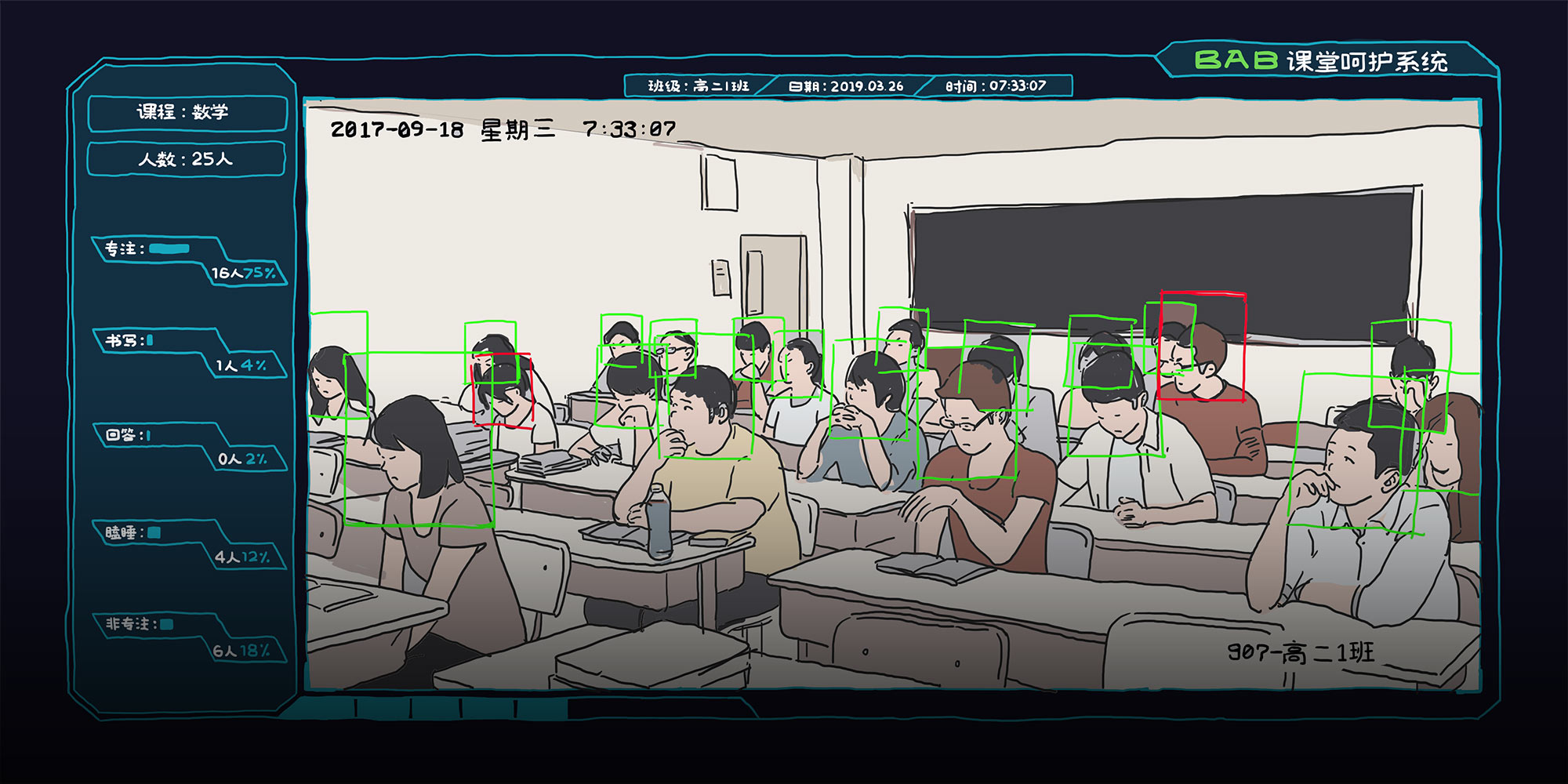
Highlights
- Efficiency and Accuracy: Automated tracking reduces administrative workload and minimizes errors.
- Security and Fraud Prevention: Ensures that only eligible individuals attend, reducing proxy attendance and unauthorized access.
- Data-Driven Insights: Enhances analysis of attendance patterns and student engagement to improve learning outcomes.
Introduction
In today’s evolving educational landscape, higher education institutions increasingly rely on innovative technologies to streamline administrative processes and enhance learning environments. One of the most transformative tools employed is facial recognition technology, particularly within attendance systems. This advancement shifts traditional roll-calling and sign-in methods to a robust, automated system that not only brings operational efficiency but also contributes to increased campus security and data-driven academic improvement.
Benefits of Facial Recognition in Attendance Systems
Automated Attendance Tracking
Facial recognition systems automate the process of attendance tracking by capturing and analyzing live images. Cameras strategically placed at entry points or within classroom settings record facial features of students, cross-referencing them with stored biometric data in institutional databases. This eliminates manual processes such as roll calls or paper sign-in sheets, thus reducing the chance for human error. The result is a highly efficient system where attendance is recorded in real time as students enter the classroom.
Increased Accuracy and Fraud Prevention
One of the primary advantages of facial recognition is its enhanced accuracy. Traditional methods are vulnerable to issues like proxy attendance—where one student might mark attendance for another—or simple administrative mistakes. Advanced facial recognition systems are reported to achieve accuracy rates often above 95%, and in some instances, even surpass 97%. The unique biometric identifiers ensure that only the correct individual is recognized, fostering a fair and transparent environment by effectively minimizing fraudulent practices.
Enhanced Campus Security
Beyond administrative efficiency, facial recognition provides an extra layer of security on campus. Systems integrated with campus CCTV or door access controls not only monitor attendance but also verify identities, ensuring that unauthorized personnel do not gain access to sensitive areas. This is particularly beneficial for educational institutions that seek to secure restricted areas such as laboratories, dormitories, and administrative buildings.
Data-Driven Insights and Learning Engagement
With real-time data capture and robust analytics, attendance systems powered by facial recognition offer extensive insights into student behavior. Institutions can analyze attendance patterns, determine trends, and even correlate attendance with academic performance. Such data can alert faculty to potential issues, such as chronic absenteeism, thereby offering an opportunity for timely intervention that may improve student engagement and academic outcomes. Moreover, some systems extend their capabilities to monitor facial expressions, providing additional data points about student engagement during lectures—a feature of growing interest in pedagogical innovation.
Streamlined Administration and Integration
The integration of facial recognition technology with existing systems, such as campus security and student information systems, substantially reduces administrative burdens. Rather than reconciling multiple sources of data, institutions have a unified system that facilitates seamless record keeping. This automation not only ensures that records are maintained accurately but also upholds compliance with administrative and financial support processes, including funding and scholarship verifications.
Implementation Strategies in Higher Education
Pilot Programs and Scalability
Many higher education institutions have embarked on small-scale pilot programs to test the operational viability of facial recognition attendance systems. Pilots often begin in selected departments or specific classroom settings, enabling the collection and analysis of data on performance, accuracy, and user experience. Through these pilot programs, institutions can gain insights into practical challenges and technical limitations, paving the way for thoughtful, scalable integration across the campus.
Integration with Existing Technology
Modern facial recognition attendance systems are designed to integrate smoothly with existing network infrastructures like CCTV, access control systems, and academic data management software. Such integration ensures minimal disruption to current practices while enhancing overall efficiency. The compatibility with multiple data sources allows for a holistic approach where attendance data can be immediately analyzed for trends, generating insights into both academic and campus security aspects.
Compliance with Privacy and Security Regulations
Despite the clear advantages, the deployment of facial recognition technology requires stringent adherence to data protection regulations. Institutions must ensure rigorous data encryption, restrict unauthorized access, and establish clear protocols for data storage and deletion. Transparency with students about how their biometric data is used and secured is paramount for maintaining trust. Legal frameworks, such as GDPR in Europe or equivalent policies elsewhere, necessitate that higher education institutions build facial recognition systems with privacy-by-design principles.
Addressing Technical Limitations
While facial recognition systems offer impressive accuracy, there remain challenges related to environmental conditions. Issues such as inadequate lighting, obstructions, or changes in student appearance (like accessories) can sometimes affect system reliability. Educational institutions typically deploy multiple cameras and adjust environmental configurations to optimize the performance. Continuous improvements in algorithms help mitigate these challenges, ensuring that the effectiveness of facial recognition systems evolves over time.
Comprehensive Analysis: Benefits, Challenges, and Future Directions
Comparative Benefits Analysis
To better understand the overall impact of facial recognition in attendance systems, consider the following comprehensive table which summarizes key benefits and challenges:
| Aspect | Benefits | Challenges |
|---|---|---|
| Automated Tracking | Real-time attendance, minimized manual labor, improved accuracy | Reliance on technology, potential malfunctions in environmental extremes |
| Security | Access control, fraud prevention, enhanced campus safety | Privacy concerns, risk of data breaches |
| Data Analytics | Insight into attendance trends and learning engagement, proactive intervention | Requires robust data management, potential over-surveillance issues |
| Integration | Seamless operation with existing systems, centralized data management | Compatibility issues with older infrastructure, cost of integration |
Long-Term Impact on Higher Education
Over time, the intelligent integration of facial recognition for attendance will likely drive a significant transformation in higher education. Not only does the technology streamline daily administrative tasks, but its data collection capabilities allow institutions to track attendance patterns over time, potentially correlating them with academic success, retention rates, and student satisfaction. This comprehensive data can drive policy changes, inform curriculum adjustments, and support targeted interventions to improve overall educational experiences.
Ethical and Social Considerations
Despite the operational benefits, several ethical and social challenges merit careful consideration. The primary concern is the balance between surveillance and privacy. With facial recognition, continuous biometric data collection may lead to apprehension among students regarding how their data is used, stored, and possibly shared. Educational institutions must establish transparent policies and implement robust safeguards to ensure that data is used solely for academic and security purposes. This open communication fosters trust and underscores the institution’s commitment to ethical practices.
Future Enhancements and Technological Integration
Advances in artificial intelligence and machine learning are expected to further enhance the capabilities of facial recognition systems. Future developments may include:
- Multimodal Verification: Combining facial recognition with other biometric measures (such as voice recognition or iris scanning) to bolster security and accuracy.
- Enhanced Analytics: Integration of sentiment analysis during lectures, correlating facial expressions with engagement levels to help tailor pedagogical strategies.
- Wider Integration: Linking attendance systems with campus-wide facilities such as libraries, study halls, and sports centers to provide comprehensive insights into campus utilization.
- Improved User Experience: Refinements in mobile applications enabling students to track their own attendance records in real time, thereby increasing transparency and engagement.
Implementation Case Studies and Research Findings
Case Studies
Institutions that have adopted facial recognition attendance systems provide invaluable case studies on implementation, benefits, and challenges. For example, universities in Asia have piloted systems that demonstrate high accuracy rates and substantial reductions in administrative overhead. Studies have highlighted that when integrated with existing campus security measures, facial recognition can both improve operational efficiency and enhance overall safety.
Research Insights
Research into facial recognition technologies consistently indicates their potential to reach beyond basic attendance tracking. Academic papers and technical studies detail that biometric verification not only reduces human error but also opens avenues for integrated learning analytics. Institutions are increasingly leveraging these insights to inform curriculum design, resource allocation, and student support services. Importantly, the vast amount of real-time data available allows for the timely identification of trends, enabling early intervention strategies for at-risk students.
Overcoming Challenges: Best Practices for Successful Integration
Implementing Robust Data Security Measures
One of the foremost challenges in deploying facial recognition systems is ensuring the privacy and security of biometric data. Institutions should:
- Implement end-to-end encryption for all data transmissions.
- Adopt strict access control policies limiting data access to authorized personnel only.
- Conduct regular audits and vulnerability assessments to identify and mitigate potential security flaws.
- Develop clear policies outlining data retention schedules and secure methods for data disposal.
Effective Communication with Students and Stakeholders
Transparency is crucial when integrating facial recognition systems. Institutions should communicate the benefits, operational details, and data protection measures in clear, understandable terms. Engaging with student bodies and faculty via open forums, workshops, and documentation fosters trust and ensures that ethical concerns are addressed proactively.
Continuous System Evaluation and Feedback Loops
The environment in higher education is dynamic, and the facial recognition system should adapt accordingly. Establishing ongoing feedback loops with stakeholders allows the system to be refined continuously. Regular evaluation of system performance, including accuracy metrics under various conditions, ensures that the technology remains effective and responsive to emerging challenges.
Summary Table of Key Features and Considerations
The following table summarizes the fundamental benefits, challenges, and implementation considerations for facial recognition attendance systems:
| Feature | Benefits | Considerations |
|---|---|---|
| Automated Tracking | Quick, efficient, and accurate attendance registration | High initial setup cost and integration with legacy systems |
| Biometric Security | Reduces fraudulent attendance and enhances campus security | Privacy concerns and necessity for robust data protection protocols |
| Real-Time Analytics | Provides insights into attendance trends and student engagement | Requires advanced data management and analytics tools |
| Integration Capabilities | Seamless incorporation with existing security and administrative systems | Potential technical hurdles during system integration and scalability issues |
References
- Facial Recognition in Classrooms - Face Six
- Campus Benefits and Security Risks - Ellucian
- Best Face Recognition Attendance System - Timeero
- Face Recognition Attendance System Using Python - Analytics Vidhya
- Facial Recognition and Door Access Control - Swiftlane
Recommended Queries
 ec2-3-237-15-229.compute-1.amazonaws.com
Last updated March 17, 2025