
Unlocking Peak Performance: Crafting a Fair SPIFF Incentive Program for Your Ad Tech Analytics Team
A tailored guide to motivating analysts across diverse client verticals with equitable and impactful short-term incentives.
Developing a Sales Performance Incentive Fund (SPIFF) or similar short-term incentive program for an analytics team in the dynamic Ad Tech space presents unique challenges and opportunities. Your team's crucial role in delivering performance reports, advanced insights, troubleshooting, and client-facing presentations across varied verticals like Grocery, Consumer Electronics, and Fashion, necessitates a bonus structure that is not only motivating but scrupulously fair. This guide outlines a comprehensive approach to designing such a program, ensuring that all analysts are recognized and rewarded equitably, regardless of their specific vertical alignment or the varying levels of client interaction and internal sales support they encounter.
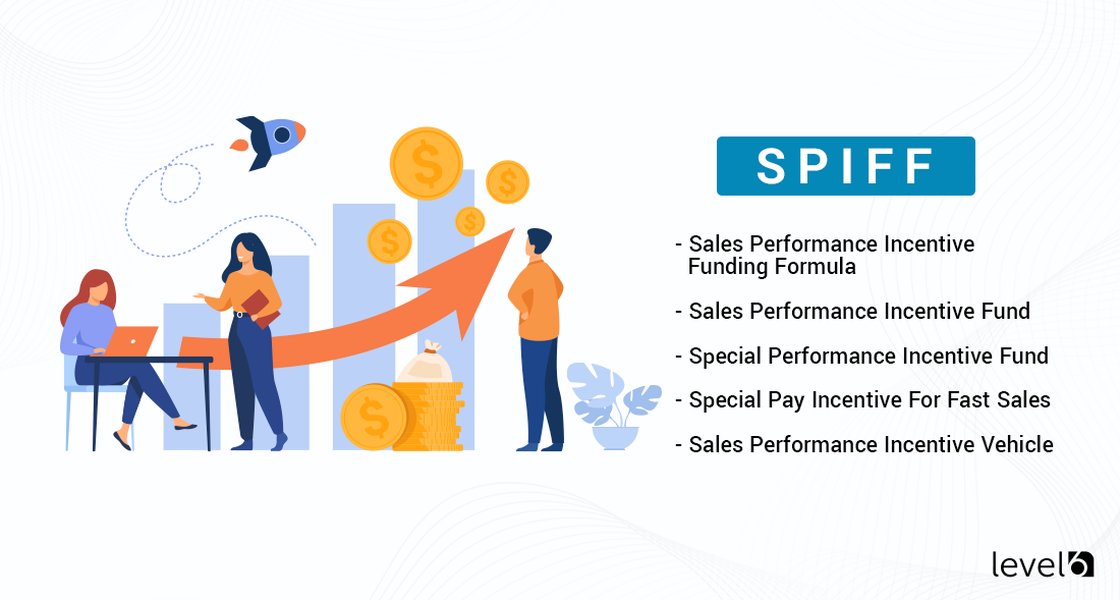
SPIFFs are short-term incentives designed to motivate specific behaviors or achievements.
Essential Insights: Key Takeaways for Your Program
- Focus on Controllable & Standardized Metrics: Prioritize performance indicators that analysts can directly influence, such as the quality of insights, report accuracy, and effective client communication, rather than metrics heavily skewed by vertical-specific sales volumes.
- Balanced Evaluation: Implement a multi-dimensional assessment framework, like a balanced scorecard, that considers a variety of contributions, including analytical quality, client impact, proactivity, collaboration, and event participation.
- Adaptability for Fairness: While core metrics remain consistent, incorporate mechanisms to adjust for inherent differences in vertical demands, such as normalized targets or contextual qualitative assessments, ensuring equitable reward opportunities.
Understanding the Challenge: Fairness Across Diverse Verticals
The primary challenge in designing an incentive program for your analytics team lies in the inherent variability across client verticals. Verticals such as Consumer Electronics might involve frequent, high-stakes client interactions and urgent troubleshooting, while others like Grocery might have a different cadence of reporting and strategic insight delivery. Furthermore, the level of support from internal sales teams can differ, potentially influencing an analyst's opportunities for visible client impact. A fair SPIFF program must navigate these differences, ensuring that an analyst's earning potential is not unduly advantaged or disadvantaged by their assigned vertical.
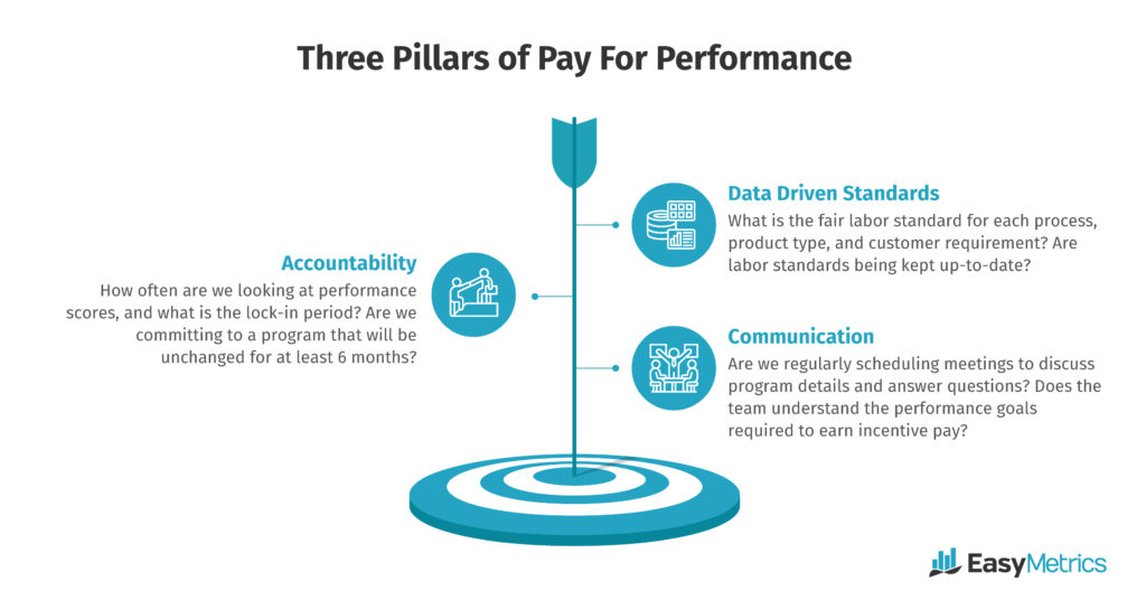
A successful incentive program rests on clear, equitable, and motivating principles.
Foundational Principles for Your SPIFF Program
To ensure your incentive program is effective and perceived as fair, it should be built upon the following core principles:
- Measurable and Objective: Criteria for earning incentives must be clearly defined, quantifiable, and based on observable outcomes or behaviors.
- Aligned with Business Goals: Incentives should drive actions that directly contribute to the team's objectives and the company's success, such as enhancing client satisfaction, improving advertising performance, or fostering innovation.
- Controllable by the Analyst: Analysts should feel that their effort and skill directly impact their ability to achieve the incentive targets. While some external factors are unavoidable, the metrics should primarily reflect individual or team contributions.
- Transparent and Well-Communicated: The program's mechanics, goals, measurement criteria, and reward structure must be clearly communicated to all team members.
- Equitable: The program must provide all analysts with a fair opportunity to earn rewards, irrespective of their client vertical assignment. This means recognizing diverse contributions and potentially adjusting targets or evaluation context.
- Motivational: The incentives offered should be meaningful and valued by the analysts, encouraging them to strive for excellence.
- Flexible yet Consistent: The program should be adaptable to evolving business needs and team roles but maintain consistency in its core principles of fairness and reward.
Crafting a Multi-Faceted Incentive Structure
Core Philosophy: Balancing Standardization and Flexibility
The ideal incentive structure finds a balance between standardized metrics applicable to all analysts and flexible mechanisms to account for vertical-specific realities. This ensures a common baseline for performance evaluation while acknowledging that "impact" or "effort" might manifest differently across verticals.
Individual Performance Pillars
Individual contributions form the bedrock of the SPIFF program. Focus on these key areas:
- Quality and Impact of Analytical Work: This includes the accuracy and timeliness of performance reports, the depth and actionability of advanced insights, and the effectiveness of troubleshooting. Reward analysts for insights that lead to demonstrable improvements in client campaign performance or strategy.
- Client Engagement and Communication: Evaluate the effectiveness of analysts in presenting complex data, fielding questions during client meetings, webinars, and events. Client satisfaction scores related specifically to analytical support can be a valuable metric here.
- Proactivity, Innovation, and Problem-Solving: Incentivize analysts for identifying and resolving complex issues, developing new analytical approaches or tools that enhance team efficiency or client value, and showing initiative beyond routine tasks.
- Support for Events and Special Projects: Recognize contributions to high-profile client meetings, presentations, webinars, and successful completion of special projects (e.g., developing new insight frameworks).
Team Collaboration Component
While individual performance is key, fostering a collaborative environment is also crucial. A small portion of the incentive pool can be tied to overall team achievements, such as:
- Achieving team-wide client satisfaction targets.
- Successful cross-vertical knowledge sharing or project collaboration.
- Contributions to improving internal processes or mentoring junior analysts.
Implementing the Incentive Program: A Practical Approach
The Balanced Scorecard Model
A balanced scorecard approach provides a structured way to evaluate performance across multiple dimensions, ensuring that no single aspect is overemphasized. Each category is assigned a weight, reflecting its importance to the overall role and business objectives. This model promotes well-rounded performance and allows for a nuanced assessment of contributions that might vary by vertical.
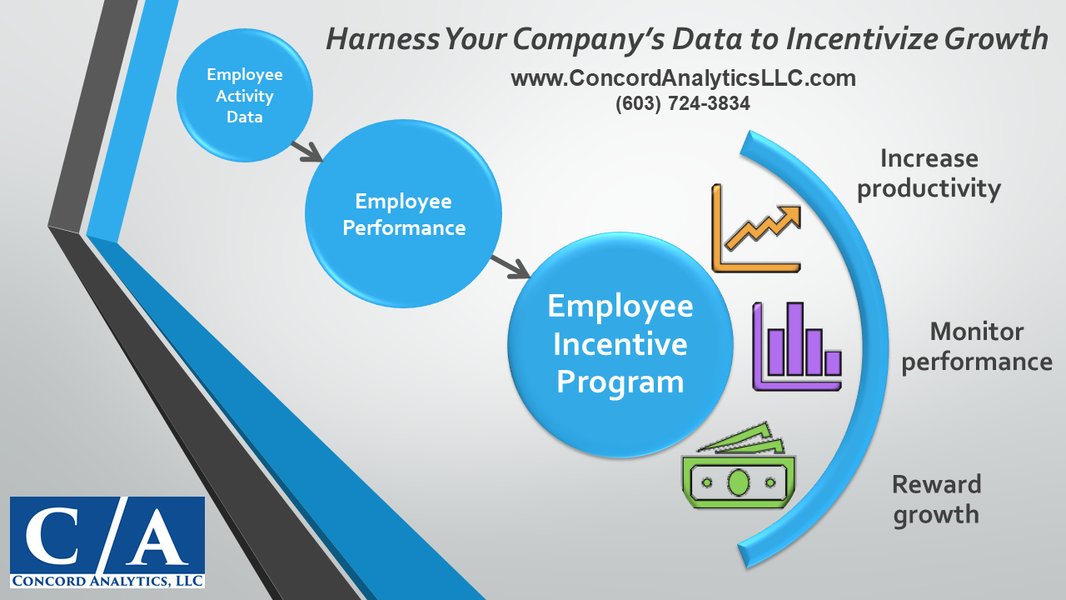
A balanced performance model helps in evaluating diverse contributions fairly.
Below is an example of how a balanced scorecard might be structured for your analytics team. The weights and KPIs should be customized to your specific priorities.
| Metric Category | Description | Potential Weight | Example Key Performance Indicators (KPIs) |
|---|---|---|---|
| Quality & Accuracy of Deliverables | Precision, thoroughness, and timeliness of reports, analyses, and insights. | 30% | Error rate in reports < X%; On-time delivery of scheduled reports > Y%; Peer/manager review scores on insight depth and clarity; Number of actionable recommendations implemented by clients. |
| Client Impact & Satisfaction | Measurable positive outcomes for clients; positive client feedback on analytical support. | 25% | Client satisfaction scores (CSAT/NPS) specific to analytics; Number of client-acknowledged successful issue resolutions or strategic shifts based on insights; Positive unsolicited client feedback. |
| Communication & Presentation Skills | Clarity and effectiveness in presenting complex data and insights to clients and internal stakeholders. | 20% | Feedback scores from client presentations/webinars; Assessed clarity of communication in meetings; Successful delivery of training or educational segments for clients. |
| Proactivity, Innovation & Problem Solving | Initiative in developing new tools/approaches; effectiveness in troubleshooting and anticipating client needs. | 15% | Number of proactive insights shared; Development/improvement of reusable analytical assets or processes; Speed and efficacy of resolving complex data or reporting issues; Documented instances of anticipating client needs. |
| Team Collaboration & Event Support | Contribution to team knowledge, support for colleagues, active participation, and role fulfillment in client events/webinars. | 10% | Active participation in knowledge-sharing sessions; Documented support provided to colleagues on projects; Successful execution of assigned roles in client events or webinars; Contribution to internal training. |
Adjusting for Vertical Nuances
To maintain fairness across diverse verticals, consider these approaches:
- Normalized Targets: For metrics influenced by vertical activity levels (e.g., number of client presentations), set targets based on historical data or benchmarks for each vertical or tier of verticals. The *type* of activity rewarded remains the same, but the *volume* expectation might differ.
- Qualitative Overlays: Supplement quantitative metrics with qualitative assessments from managers or peers that consider the context of the vertical. For instance, the complexity of insights delivered might be higher in one vertical even if the frequency of interaction is lower.
- Vertical Multipliers (Use with Caution): Some organizations use multipliers to adjust scores for verticals with inherently higher or lower opportunities. This must be carefully calibrated and transparently communicated to avoid perceptions of unfairness. Focus should remain on effort and quality within the given context.
- Focus on Impact: Emphasize metrics that reflect the *impact* of an analyst's work (e.g., client adopting a recommendation) rather than pure volume of activity, as impact can be achieved in various ways across different verticals.
Tiered Rewards and Recognition
A tiered reward system can cater to different levels of performance, offering incremental incentives as analysts meet and exceed expectations. SPIFFs are typically short-term, so rewards should be timely.
- Monetary Rewards: Cash bonuses, either as a percentage of salary or a fixed amount, are common and effective. These can be tied to achieving different tiers in the balanced scorecard (e.g., Tier 1: Meets Expectations, Tier 2: Exceeds Expectations, Tier 3: Exceptional Performance).
- Non-Monetary Rewards: Consider gift cards, additional paid time off, professional development opportunities (e.g., conference attendance, certifications), or company-sponsored experiences.
- Recognition: Public acknowledgement of achievements in team meetings, company newsletters, or internal communication channels can be a powerful motivator, complementing tangible rewards.
Visualizing Incentive Dimensions
A radar chart can help visualize the different dimensions of performance that your SPIFF program aims to incentivize. This can illustrate an ideal "high-performer" profile or show how different focus areas contribute to overall success. For example, the chart below conceptualizes how various skills and contributions might be weighted or valued within the incentive program. An analyst excelling across multiple dimensions would demonstrate a larger, more balanced shape on the chart.
In this conceptual radar chart, "Baseline Expectation" might represent solid, consistent performance meeting core job requirements, while "High Performer Profile" showcases excellence across various dimensions critical to an analyst's success within your Ad Tech environment. The scale could represent levels of proficiency or achievement, for instance, from 1 (Developing) to 5 (Exceptional).
Key Components of Your Analytics SPIFF Program
The mindmap below outlines the interconnected components that form a comprehensive and fair SPIFF-type incentive program for your analytics team. It illustrates how core principles guide the structure, which in turn influences implementation and reward strategies, all while aiming for equitable recognition of performance across different client verticals.
& Deliverables"] id2.1.2["Client Impact
& Satisfaction"] id2.1.3["Communication
& Presentation Skills"] id2.1.4["Proactivity, Innovation
& Problem Solving"] id2.1.5["Event & Special
Project Support"] id2.2["Team Collaboration Component"] id2.2.1["Knowledge Sharing"] id2.2.2["Cross-Vertical Support"] id2.3["Methodology"] id2.3.1["Balanced Scorecard"] id2.3.2["Tiered Reward Levels"] id2.4["Vertical Fairness Mechanisms"] id2.4.1["Normalized Targets"] id2.4.2["Qualitative Contextualization"] id2.4.3["Focus on Impact over Volume"] id3["Implementation & Review"] id3.1["Clear KPIs & Metrics"] id3.2["Regular Tracking & Reporting"] id3.3["Feedback Mechanisms"] id3.4["Pilot Program & Iteration"] id3.5["Periodic Review & Adaptation"] id4["Reward & Recognition Types"] id4.1["Monetary Bonuses
(e.g., Cash)"] id4.2["Non-Monetary Rewards
(e.g., Gift Cards, Training)"] id4.3["Public Recognition"]
This mindmap provides a visual summary of how to approach the design and ongoing management of your SPIFF program, ensuring all critical aspects are considered for a successful and fair outcome.
Insights on Structuring Bonus Programs
Understanding how to structure bonus programs effectively is key to their success. The following video offers valuable insights into creating bonus structures that genuinely motivate employees by setting measurable goals and ensuring fairness in the reward distribution. While not specific to Ad Tech analytics, the general principles discussed can be highly relevant to your SPIFF program design.
This video covers steps to create bonus structures that work, emphasizing clarity, achievability, and alignment with overall business objectives. These are crucial considerations when tailoring your SPIFF program to the unique context of your analytics team and its diverse vertical responsibilities.
Regular Review and Iteration
A SPIFF program is not a "set it and forget it" initiative. To ensure its continued fairness, effectiveness, and alignment with business goals, establish a regular review cycle (e.g., quarterly or bi-annually). During these reviews:
- Gather feedback from analysts and managers on the program's clarity, fairness, and motivational impact.
- Analyze performance data to see if the program is driving the desired behaviors and outcomes across all verticals.
- Assess whether any metrics or targets need adjustment due to changes in business strategy, client needs, or team structure.
- Ensure the rewards remain attractive and competitive.
Be prepared to iterate on the program design based on this feedback and analysis. Transparency in this review process will further enhance trust and buy-in from the team.
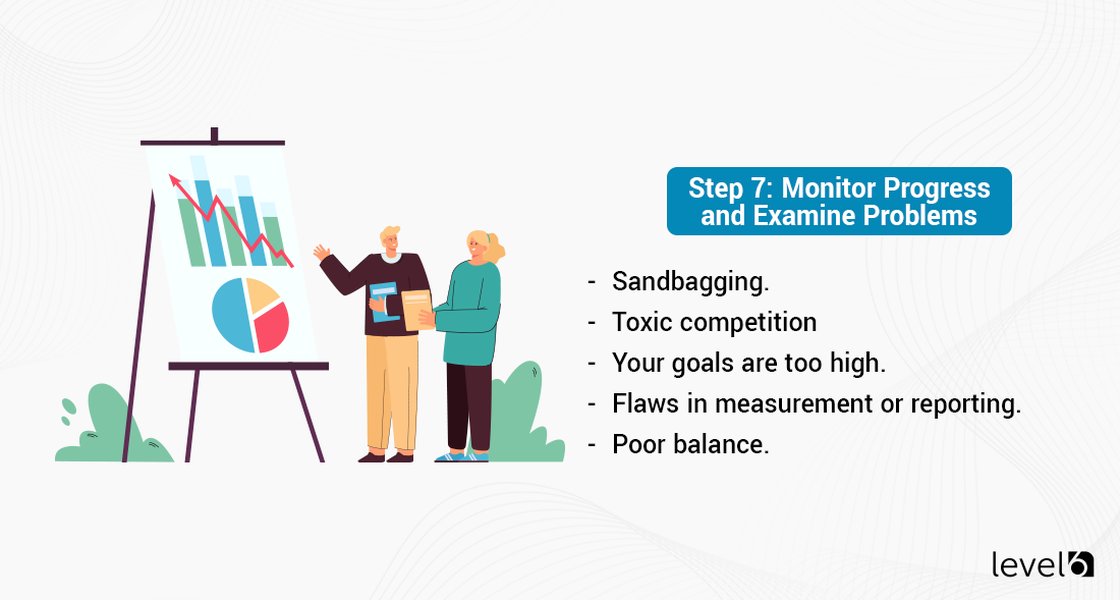
Continuous monitoring and adjustment are vital for long-term program success.
Frequently Asked Questions (FAQ)
Recommended Further Exploration
- How can technology be used to track and manage SPIFF programs for analytics teams?
- What are best practices for communicating changes to an incentive program to ensure team buy-in?
- Explore examples of successful non-sales SPIFF programs in other technical or support-oriented departments.
- How do you measure the ROI of a SPIFF program for an analytics team?
References
Last updated May 13, 2025