
Unlocking Educational Doors: Your Comprehensive Guide to Faith-Based Scholarships in 2025
Discover how your faith and community involvement can pave the way to valuable financial aid for your higher education journey.
Key Insights for Aspiring Scholars
- Diverse Opportunities: Faith-based scholarships extend beyond a single religious tradition, with numerous awards available for Christian, Jewish, Islamic, and other faiths, as well as for freethinking students.
- Holistic Eligibility: Many scholarships consider a blend of active faith commitment, community service, leadership potential, academic achievement, and often financial need.
- Timely Action Required: A significant number of faith-based scholarships have application deadlines in Spring 2025, particularly in May, underscoring the importance of early research and preparation.
Understanding Faith-Based Scholarships
Faith-based scholarships are financial aid awards specifically designed to support students who are actively involved in their religious communities, pursuing studies related to their faith, or planning to attend institutions aligned with particular religious traditions. These scholarships are offered by a wide array of sources, including religious organizations, individual churches or places of worship, denominational bodies, faith-affiliated colleges and universities, and private foundations dedicated to supporting students of faith. The primary goal is often to help students finance their higher education while encouraging them to integrate their values and beliefs into their academic and future professional lives. Eligibility criteria can vary significantly, often looking at a combination of religious affiliation, academic performance, community service, leadership skills, and financial need.
Diverse Opportunities Across Faith Traditions and Philosophies
The landscape of faith-based scholarships is rich and varied, offering support to students from a multitude of religious backgrounds and even those who identify as non-religious but engage with ethical or philosophical frameworks.
Christian Scholarships
Christian scholarships represent a significant portion of available faith-based aid, catering to students from various denominations and those involved in Christian communities more broadly.
General Christian Scholarships
These scholarships are often open to students who identify as Christian and can demonstrate active involvement in their church or Christian-focused activities. They may reward a combination of faith commitment, academic excellence, and community service. Examples include the Christian Connector Scholarship (often around $5,000) for students interested in Christian colleges, and the Pastor Thomas Rorie Jr. Christian Values Scholarship ($1,500) for students exhibiting strong Christian values.
Denomination-Specific Christian Scholarships
Many Christian denominations offer scholarships specifically for their members. These can be quite substantial and may support students pursuing various fields of study or those preparing for ministry. Examples include:
- Presbyterian Study Grant: Up to $6,000, often for students affiliated with Presbyterian churches, with some grants targeting those pursuing Master of Divinity degrees for church leadership (deadline often around May 12, 2025).
- Greek Orthodox Archdiocese Scholarships: Includes the Gioles and Malta Scholarships for undergraduate students of Greek Orthodox faith.
- GARBC Christian Character Scholarship: Supports graduating high school seniors from Regular Baptist Churches who demonstrate strong spiritual character.
- William Randolph Hearst Service Learning Scholarship: Offers significant aid (up to $20,000) for seniors graduating from Episcopal high schools attending selected Episcopal colleges.
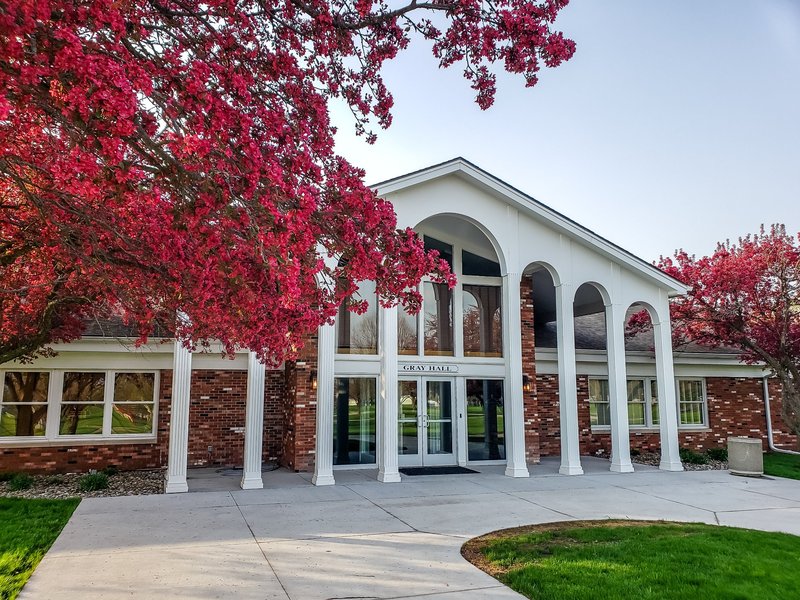
Faith Baptist Bible College campus, an example of an institution where faith-based learning and scholarships are often available.
Scholarships for Other Faiths and Philosophies
Financial aid opportunities extend to students from many other religious traditions and even to those who identify as freethinkers.
Islamic Scholarships
Organizations like the Islamic Society of North America (ISNA) offer need-based scholarships for Muslim students. These awards typically consider academic performance and community involvement, with application periods often aligning with the spring academic calendar.
Jewish Scholarships
Various foundations and organizations provide scholarships for Jewish students. For instance, the Jewish Community Foundation Scholarships may offer around $3,000 for Jewish students enrolled in accredited institutions, with deadlines often around mid-May (e.g., May 15, 2025).
Scholarships for Students Pursuing Religious Studies
Some scholarships are tailored for students majoring in theology, ministry, or other religious studies, irrespective of a specific narrow denomination, though often within a broader faith tradition. The Mosaic Ministries Scholarship (up to $52,800, deadline often May 15, 2025) is an example that supports students in religious studies.
Opportunities for Freethinking Students
For students who identify as atheist, agnostic, or non-religious, organizations like the Freedom From Religion Foundation (FFRF) offer essay contests with substantial awards. These contests encourage critical thinking and expression of freethought perspectives, with deadlines also often in the spring (e.g., May 2025 for 2025 contests).
Spotlight on Notable Scholarships: A Comparative Table
The following table provides a snapshot of various faith-based scholarship opportunities, highlighting their typical award amounts, general focus, and common deadline periods. It's crucial to visit the scholarship provider's website for the most current and detailed information as specifics can change.
| Scholarship Name | Typical Award Amount | General Focus/Eligibility | Common Deadline Period |
|---|---|---|---|
| Presbyterian Study Grant | Up to $6,000 | Presbyterian students, often for ministry or church leadership. | Mid-May (e.g., May 12, 2025) |
| Lucile Murray Durkin Scholarship | $2,200 | Christian students demonstrating financial need and active church participation. | Mid-May (e.g., May 15, 2025) |
| The Royal Brougham Foundation Scholarship | $500 | Christian students; academic performance and faith-based community service. | Mid-May (e.g., May 16, 2025) |
| Christian Connector Scholarship | Around $5,000 | High school students interested in attending Christian colleges. | Varies; check platforms like Going Merry |
| Annual Protestant Faith-Based College Scholarship | $2,000 | Protestant Christian students active in their church communities, attending faith-based institutions. | Spring (around May 2025) |
| William Randolph Hearst Service Learning Scholarship | Up to $20,000 | Seniors from Episcopal high schools attending selected Episcopal colleges. | Varies; often Spring |
| ISNA Scholarships (Islamic Society of North America) | Varies | Need-based for Muslim students; academic performance and community involvement. | Spring (around May 2025) |
| Jewish Community Foundation Scholarships | Around $3,000 | Jewish students enrolled in accredited institutions. | Mid-May (e.g., May 15, 2025) |
| Mosaic Ministries Scholarship | Up to $52,800 | Students in religious studies. | Mid-May (e.g., May 15, 2025) |
| Freedom From Religion Foundation Essay Contests | Varies (up to $70,000 in total awards) | Freethinking students (atheist, agnostic, non-religious); essay-based. | Spring (around May 2025) |
| Pastor Thomas Rorie Jr. Christian Values Scholarship | $1,500 | Students sharing strong Christian faith values; various education levels. | July 11, 2025 |
| Compassion in Action Future Medical Leaders Scholarship | $5,000 | Christian students of mixed Asian/white descent pursuing medicine; high academic achievers. | July 25, 2025 |
Visualizing Scholarship Dynamics: Key Factors
Understanding the nuances of different faith-based scholarship categories can be complex. The radar chart below offers an opinionated comparison across several key factors: potential award value, breadth of eligibility (how many students might qualify), emphasis on community service, academic rigor required, and the specificity of faith affiliation needed. This visualization aims to provide a general sense of how these scholarship types might differ, helping you tailor your search strategy. Note that individual scholarships within these categories can vary widely. Data points are on a scale of 1 (Low/Less) to 10 (High/More), and the axis minimum is set above zero for clarity.
Mapping the Scholarship Landscape
The world of faith-based scholarships encompasses various interconnected elements. This mindmap illustrates the key components, from the sources of funding and types of scholarships available to common eligibility factors and crucial steps in the application strategy. Use this visual guide to better understand the overall structure and plan your approach effectively.
(National/Denominational)"] id1b["Local Churches &
Faith Communities"] id1c["Faith-Based Colleges
& Universities"] id1d["Private Foundations
& Trusts"] id2["Common Types by Faith/Focus"] id2a["Christian
(General & Denominational)"] id2b["Islamic Scholarships"] id2c["Jewish Scholarships"] id2d["Other Specific Traditions"] id2e["Religious Studies/Ministry Focus"] id2f["Freethinker/Agnostic
(e.g., Essay Contests)"] id3["Key Eligibility Factors"] id3a["Demonstrated Faith Affiliation
or Values Alignment"] id3b["Community & Church
Involvement/Service"] id3c["Academic Performance
(GPA, Test Scores)"] id3d["Financial Need Assessment"] id3e["Intended Field of Study"] id3f["Leadership Potential"] id4["Effective Application Strategy"] id4a["Thorough Research
(Databases, Networks, Institutions)"] id4b["Prepare Key Documents
(Transcripts, Proof of Affiliation)"] id4c["Craft Compelling Essays
(Faith Journey, Goals, Impact)"] id4d["Secure Strong Recommendations
(Faith Leaders, Mentors, Educators)"] id4e["Meticulously Track Deadlines"]

Graduating student Faith Harris, an example of academic achievement supported by educational opportunities.
The Role of Faith-Based Institutions
Many faith-based colleges and universities offer their own scholarships and financial aid packages specifically for students who align with their religious mission or are active members of affiliated denominations. For example, institutions like Valparaiso University provide faith-based awards, such as their Lutheran Leader Program, which can sometimes cover up to full tuition for students demonstrating active roles in their Lutheran-Christian communities. The Association of Christian Schools International (ACSI) also facilitates scholarships and may offer discounted tuition rates for ministry-involved students at member schools. When considering a faith-based institution, it's always worthwhile to inquire directly with their financial aid office about specific scholarships tied to faith, ministry involvement, or denominational membership.
Navigating Your Path: Finding and Applying
Securing a faith-based scholarship requires proactive research and a well-prepared application.
Uncovering Opportunities
Several avenues can lead you to relevant scholarships:
- Online Scholarship Databases: Websites like Scholarships.com, Bold.org, Scholarships360, Unigo, and Discover Student Loans feature searchable directories. Use keywords like "Christian," "Jewish," "Islamic," "Faith," "Ministry," or your specific denomination.
- Faith Communities: Contact your local church, synagogue, mosque, or other religious organizations. Denominational headquarters or regional offices are also excellent resources.
- Faith-Based Colleges and Universities: Check the financial aid websites of institutions you are interested in, as many offer specific scholarships for students sharing their faith tradition.
- Religious Publications and Networks: Periodicals and online forums within your faith community may announce scholarship opportunities.
Crafting a Winning Application
Once you've identified potential scholarships, a strong application is key:
- Highlight Involvement: Clearly articulate your active participation in your faith community, including volunteer work, leadership roles, and other contributions.
- Thoughtful Essays: Many applications require essays. Use this opportunity to genuinely connect your faith to your educational and career aspirations, personal growth, and commitment to service.
- Letters of Recommendation: Seek recommendations from faith leaders, mentors, or teachers who can speak to your character, commitment, and potential. Provide them with ample time and information about the scholarship.
- Proof of Affiliation: Be prepared to provide documentation if required, such as a letter from a pastor or religious leader, or proof of membership.
- Meet All Requirements: Pay close attention to eligibility criteria (GPA, field of study, financial need) and ensure you meet them.
- Submit Early: Many scholarships have firm deadlines, often in the spring. Applying early can prevent last-minute stress and ensure your application receives full consideration.
Beyond Finances: The Added Value of Faith-Based Aid
Faith-based scholarships offer more than just financial relief. They provide an opportunity for students to connect with a community that shares their values, integrate their personal beliefs into their educational journey, and gain support for pursuing careers in ministry, faith-related service, or other fields where their faith can inform their work. These scholarships can affirm a student's commitment and provide access to educational environments that foster spiritual growth alongside academic development.
Student Voices: Faith, Scholarships, and Aspirations
Hearing directly from students who have navigated the intersection of faith and education can be incredibly insightful. The video below features student stories from Ave Maria University, a Catholic institution, discussing their experiences with faith, scholarships, and their future missions. While specific to one university's context, the themes of integrating faith into academic life and leveraging financial aid to pursue one's calling resonate broadly across the spectrum of faith-based educational journeys. It highlights how scholarships can be instrumental in enabling students to attend institutions that align with their spiritual values and prepare them for impactful lives.
These personal accounts often underscore the transformative power of scholarships that acknowledge and support a student's faith journey, allowing them to pursue their academic goals without compromising their spiritual commitments. They can also inspire prospective applicants by showcasing real-world examples of how faith-based aid contributes to personal and professional development.
Frequently Asked Questions
Do I have to attend a religious college to get a faith-based scholarship?
Not necessarily. While some faith-based scholarships are specifically for students attending a particular religious institution or a college affiliated with a certain faith, many others are portable and can be used at secular public or private universities. The key is often the student's demonstrated faith commitment and involvement, rather than the type of institution they attend. Always check the specific requirements of each scholarship.
Are there faith-based scholarships for non-Christian students?
Yes, absolutely. While Christian scholarships are numerous, there are also scholarships available for students of other faiths, including Jewish, Islamic, Buddhist, and more. Organizations representing these faith traditions often provide financial aid. Additionally, some "interfaith" or broadly "religious" scholarships may be open to students from various spiritual backgrounds.
What kind of documents do I usually need to apply?
Commonly required documents include academic transcripts, standardized test scores (though some are test-optional), essays (often about your faith journey, community service, or career goals), letters of recommendation (frequently from a pastor, rabbi, imam, or other faith leader, as well as academic references), and sometimes proof of membership or active participation in a specific religious community or organization. Financial information (like FAFSA details) may be needed for need-based scholarships.
Can I apply for multiple faith-based scholarships?
Yes, you are encouraged to apply for as many scholarships for which you are eligible. There is generally no limit to how many faith-based (or other) scholarships you can apply for. Winning multiple scholarships can significantly reduce your overall education costs. Just be sure to keep track of all the different requirements and deadlines.
Are there scholarships for students who are atheist or agnostic?
Yes. While not "faith-based" in the traditional sense, there are scholarships and essay contests specifically for students who identify as atheist, agnostic, humanist, or freethinker. Organizations like the Freedom From Religion Foundation (FFRF) offer such opportunities. These often focus on promoting secular values, critical thinking, and separation of church and state.
Recommended Further Exploration
- How can I best articulate my faith journey in a scholarship essay?
- What are the differences between merit-based and need-based faith scholarships?
- Are there specific faith-based scholarships for graduate students or those pursuing careers in ministry?
- Where can I find faith-based scholarships with rolling deadlines?
References
Last updated May 9, 2025