
Fashion Criticism on Modern Women's Fashion
Critical Perspectives on Contemporary Trends and Contrasts
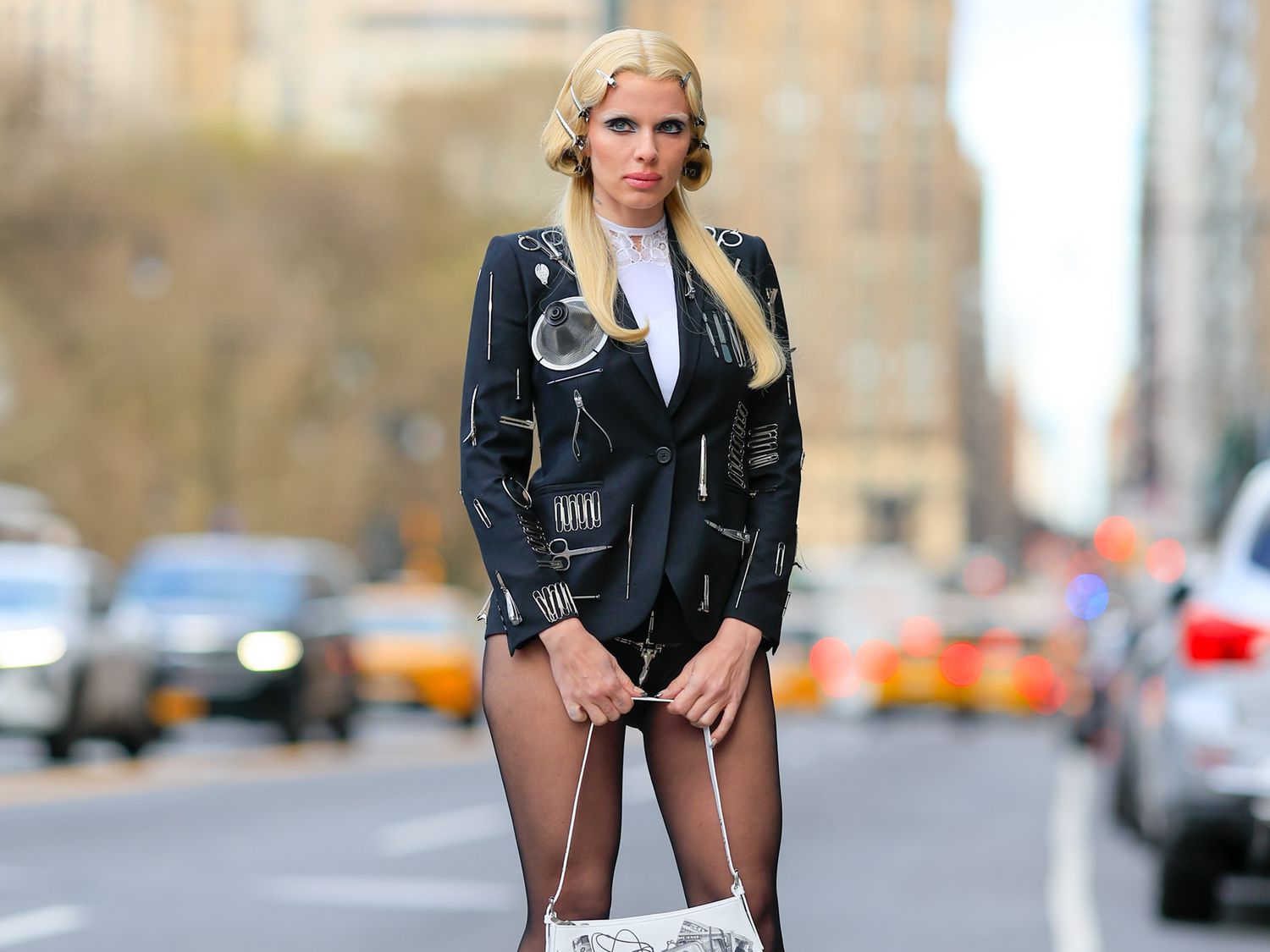
Key Highlights
- Debate on Skin Exposure: Critics question the emphasis on revealing attire, noting its impact on cultural norms and personal expression.
- Complexity of Modesty, Sensuality, and Craftsmanship: Evaluations range from the loss of modesty to a perceived deficit in true sensual expression and quality craftsmanship.
- Societal and Cultural Implications: The criticism ties into broader discussions about societal values, hypersexualization, and the objectification of women.
Analysis of Critiques in Modern Women's Fashion
The contemporary debate surrounding modern women’s fashion, especially the trend of clothing that reveals a significant amount of skin, has stimulated a diverse range of opinions among fashion critics. Central to the discussion is the question of how much skin should be exposed and where the boundary lies between empowering self-expression and reducing artistry and craftsmanship. Critics have drawn attention to several facets of modern fashion—from the social and cultural implications of hypersexualization, to the impact on self-image and personal dignity. This analysis delves into the primary criticisms regarding the lack of modesty, absence of refined sensuality, and the failure to deliver garments of high craftsmanship, while also acknowledging counterarguments that emphasize personal freedom.
Criticism of Excessive Skin Exposure
The first major critique centers on the trend of excessive skin exposure in modern women's fashion. Many critics are concerned that focusing on minimal coverage tends to shift the emphasis from the elegance of design to the mere display of the body. This perspective holds that fashion should not only be about making bold statements through the quantity of skin shown, but also about celebrating the artistry inherent in garment construction. By highlighting skin rather than the creative elements of design, critics argue that the clothing becomes less about clothing per se, and more about a performance meant to provoke rather than inspire.
Critics warn that an overemphasis on exposure may contribute to societal pressures that define a standard of beauty rooted in the objectification of the female form. This pressure is argued to undermine the inherent value of individual aesthetic preference, reducing women's choices to a binary of either conforming to beauty ideals or being dismissed as inappropriate. Essentially, the argument is not a blanket condemnation of revealing outfits per se, but a critique of the over-reliance on provocative designs that neglect the nuances of sophistication and creativity.
The Debate Between Eroticism and Sensuality
A recurring theme in fashion criticism is the confusion between eroticism and sensuality. Many of today's designs are accused of leaning too heavily into the erotic, where the intention is more about attracting attention through provocative displays rather than expressing a refined, sensual allure. Sensuality, as defined by some experts, involves a subtle interplay between form, fabric, and design that expresses confidence without being overtly explicit.
Critics maintain that true sensuality comes from a harmonious balance between what is shown and what is hinted at, thereby allowing for a form of expression that is both elegant and empowering. The current trend, which some have labeled as hypersexualizing, often falls short of this ideal. Instead of capturing the depth and complexity of human beauty and emotion, many garments are perceived as superficial, their appeal derived solely from their ability to shock or draw attention.
Modesty and Its Cultural Underpinnings
Alongside concerns about exposure and sensuality, a number of fashion critics question the erosion of modesty in contemporary designs. In many cultures, modesty is not solely a relic of outdated traditions; it can also be a form of personal expression that respects both the wearer and the observer. Critics point out that what constitutes modesty can vary widely across cultural boundaries, yet the trend of minimal coverage in mainstream fashion is often presented as one dominant ideal.
This approach, critics argue, tends to marginalize the voices of those who uphold modest fashion as a legitimate and often liberating choice. For individuals from more conservative backgrounds or for those who view modesty as inherently dignifying, the current trends can be seen as dismissive of a broader spectrum of cultural and personal identities. This points to a larger conversation about inclusivity in fashion, where the value of modesty must be re-evaluated in a world that increasingly prioritizes individuality and diversity.
Evaluation of Craftsmanship and Fashion Craft
In addition to the cultural critiques, a significant aspect of the debate deals with the decline of craftsmanship in modern women’s fashion. Many fashion critics lament the fast-fashion model, in which clothing is produced quickly and inexpensively without the meticulous work of skilled artisans. This industrialized approach, they argue, results in garments that lack detail, durability, and elegance.
The lack of craftsmanship is seen as a detrimental aspect of current trends. Whereas past fashion eras celebrated intricate tailoring, refined fabric choices, and artisanal assembly, modern designs that prioritize skin exposure are sometimes described as superficial. The criticism is not about merely the aesthetic choices but about the erosion of a tradition of detailed work that has historically given fashion its lasting appeal.
For example, commentators point out that the inherent artistry in clothing was once showcased through clever cuts, precise stitching, and the interplay of textures — all of which are frequently sidelined in favor of rapid production and fleeting trends. This shift not only affects the appeal of individual garments but also signals a broader devaluation of fashion as an art form.
Impact on Self-Perception and Social Commentary
Beyond aesthetic and cultural factors, the modern trend of revealing clothing has also sparked debates about its impact on self-perception and social identity. Critics argue that when fashion becomes overly focused on surface-level appeal through exposing skin, it can contribute to unhealthy societal standards. This phenomenon has been linked to self-objectification, where individuals begin to see their value primarily in physical appearances rather than in their inner qualities or intellectual prowess.
Such a focus, critics assert, may foster an environment where women are encouraged to conform to a narrow definition of beauty—a standard that is often influenced by transient fashion trends rather than timeless elegance or personal authenticity. Social media and fashion journalism repeatedly highlight instances where celebrities face backlashes for their fashion choices, reinforcing the notion that women are under constant scrutiny to conform to ever-changing ideals of attractiveness.
The societal implications of these trends are considerable. As public figures—such as celebrated models and entertainers—experience both praise and harsh criticism, it creates a ripple effect in the broader cultural conversation about body image. Such dynamics can influence not only individual self-esteem but also the way society collectively values and judges personal presentation.
Contrasting Views: Freedom of Expression and Individual Style
While much of the criticism has focused on the perceived negative aspects of modern women’s fashion, it is essential to acknowledge that fashion is, at its core, a form of self-expression. Many advocates argue that women should be free to experiment with their wardrobe choices without being constrained by traditional norms or criticism. From this perspective, clothing is a personal statement—a reflection of one’s inner identity rather than a mere societal performance.
Proponents of this viewpoint hold that the choice to wear revealing clothing can be an empowering act. It allows women to reclaim control over their image and resist conventional standards that dictate how they are expected to present themselves. The debate, therefore, is not about denying the validity of one style in favor of another, but rather about creating a space where multiple forms of expression can coexist.
Nonetheless, critics of modern trends express the concern that the pendulum has swung too far in one direction, potentially overshadowing the subtleties that make fashion a multifaceted art form. They advocate for a balance where self-expression is harmonized with an appreciation for technique, aesthetics, and cultural context.
Integration of Historical and Cultural Contexts
The discussion surrounding modern women’s fashion is enriched by its historical and cultural context. Fashion has long served as a canvas for societal norms, shifts in power, and reflections of cultural identity. In many traditional contexts, modest clothing was not seen as inhibiting creativity but rather as an embodiment of respectability and refinement. By contrast, the modern emphasis on skin exposure represents a radical departure from these established norms.
Critics argue that the historical legacy of fashion—a story interwoven with advancements in craftsmanship, artistic innovation, and cultural diversity—is at risk of being neglected in the pursuit of trendy, attention-grabbing designs. They believe that revisiting the rich traditions of fashion can illuminate alternative ways to express sensuality and strength without sacrificing the technical mastery that has defined excellent fashion production.
In this light, the critique is not simply a matter of aesthetic preference, but also a call to recognize and preserve a multifaceted heritage that values both innovation and the enduring skills of design and craftsmanship. Whether one supports or opposes the current minimalistic trends, the debate itself encourages a deeper evaluation of what fashion represents and how it should evolve.
Comparative Analysis Table
| Aspect | Critique | Detail |
|---|---|---|
| Excessive Skin Exposure | Cultural and Aesthetic Concern | Overemphasis on skin display often leads to neglect of sophisticated design and may induce objectification. |
| Eroticism vs. Sensuality | Loss of True Sensual Appeal | The focus tends to be on provoking rather than expressing genuine, refined sensuality that harmonizes confidence and elegance. |
| Modesty | Erosion of Traditional Values | Critics assert that current trends undermine cultural notions of modesty and personal dignity, marginalizing traditional styles. |
| Craftsmanship | Decline in Quality | Fast fashion trends prioritize rapid production over the high-quality, detailed craftsmanship that characterizes timeless fashion. |
| Self-Perception | Impact on Body Image | Excessive emphasis on exposure can contribute to unhealthy societal standards, where physical appearance is overly scrutinized. |
Nuanced Perspectives in Fashion Criticism
While a large number of critics concentrate on what they see as the pitfalls of current trends, there is also a faction that champions the freedom and boldness of self-expression in fashion. This perspective suggests that every style—whether it involves significant skin exposure or conservative coverage—holds its own validity, provided that it is chosen by the wearer with confidence and integrity.
The argument here is rooted in the idea that the evolution of fashion is inherently linked to social progress, and that challenging established norms can often pave the way for broader acceptance of diverse aesthetic expressions. This view does not dismiss the critiques regarding craftsmanship or the nuanced differences between eroticism and sensuality. Instead, it calls for a more inclusive interpretation of what beauty can be—a beauty that embraces both the classical and the contemporary.
As cultural, social, and economic forces continue to intersect with the world of fashion, the debates will likely evolve. Yet, the critiques surrounding modern women’s fashion serve as an important reminder of the multifaceted role that clothing plays—not just as a functional necessity, but as a reflection of society’s values, aspirations, and artistic endeavors.
Impact on the Fashion Industry and Future Directions
Today’s fashion industry is at a critical juncture. The tension between maintaining traditional standards of craftsmanship and adapting to rapidly changing trends can be seen as both a challenge and an opportunity. On one hand, critics contend that the current trajectory of highly revealing, fast-produced garments risks diluting the cultural and artistic significance of fashion. On the other, the industry’s embrace of diverse forms of self-expression could potentially usher in a new era where multiple aesthetic values are celebrated.
Future directions in fashion are likely to be influenced by a growing awareness of sustainability, ethical production, and the preservation of artisanal skills. As consumers become more informed and selective, there is a possibility that the demand for well-crafted, thoughtfully designed garments will rise. Meanwhile, the ongoing debate over skin exposure and related critiques may encourage designers to strike a balance—merging bold, innovative styles with the timeless principles of modesty, sensuality, and craftsmanship.
As these trends evolve, the dialogue among critics, designers, and consumers will continue to shape the narrative of modern fashion. Whether the future of fashion is defined by radical self-expression, a return to classical elegance, or a synthesis of multiple influences, it remains clear that the underlying issues of cultural values, artistic integrity, and personal identity will always be central to the conversation.
Further Reflections on Cultural Impact and Gender Norms
The examination of modern women's fashion is not merely about aesthetics; it also touches on deeper societal structures such as gender roles, power dynamics, and cultural narratives. Critics argue that the way women dress—and how that dress is critiqued—says much about societal expectations. When fashion becomes a battleground for debates on modesty and objectification, it reflects broader struggles over control, self-expression, and the representation of femininity.
Through discussions on revealing clothing, many observers have noted how modern trends both challenge and reinforce certain cultural norms. The challenge lies in redefining what is acceptable and empowering without compromising the values of artistry and craftsmanship. In doing so, the discussion opens up avenues for a richer, more inclusive conversation about the role of fashion in society—a dialogue that must acknowledge and respect diverse definitions of beauty and self-expression.
References
- Paris Jackson Responds - Page Six
- Revealing Dress Debate - Daniel Oren
- Exposing Clothes - Fibre2Fashion
- Dress Controversy - ShunVogue
- Provocative Clothes Analysis - The Guardian
Recommended Searches
Last updated March 12, 2025