
Exploring the Evolution of Women's Fashion Critique
A deep dive into the debate on allure, sensuality, modesty, and eroticism since the 1970s
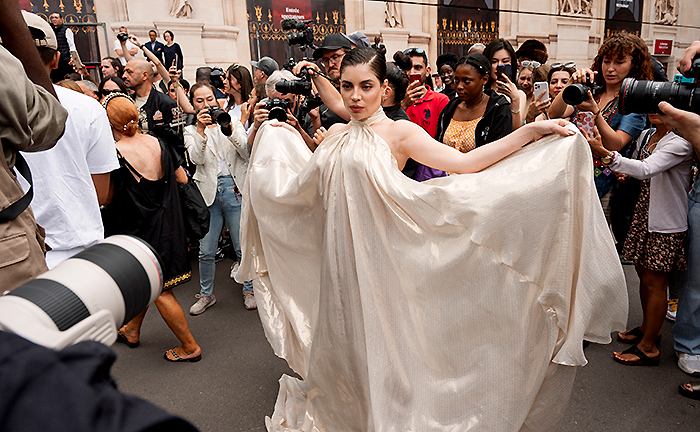
Key Highlights
- Cultural Shifts and Feminist Influence: Transformation in fashion driven by social and cultural movements.
- Perceptions of Allure and Sensuality: Ongoing debates on what constitutes attractive and appealing fashion.
- Diverse Modern Trends: A broad spectrum of responses to evolving values in design and aesthetics.
Historical Context and Shifts in Women's Fashion
Since the 1970s, women's fashion has undergone a tremendous evolution, influenced by groundbreaking cultural and social movements. The decade heralded a period of liberation and redefinition of what it means to dress in a manner that both empowers individuals and challenges established norms. During this period, the feminist movement played an essential role, encouraging women to shed restrictive garments and embrace forms that offered not just comfort but also a statement of independence.
In the early 1970s, traditional feminine styles gave way to more androgynous silhouettes. Critics at the time noted a deliberate departure from highly structured, form-fitting garments that had traditionally accentuated the female silhouette. The rejection of certain norms was simultaneously perceived as an act of empowerment and a direct challenge to longstanding societal ideals of allure and sensuality. Women began to experiment with clothing that favored ease and practicality over the confines of traditional elegance, initiating debates that would continue to influence fashion criticism in the ensuing decades.
Key Transformations in the 1970s
The Feminist Movement and Its Fashion Impacts
As the feminist movement gained momentum, it spurred a rethinking of personal presentation. The liberation from strict dress codes allowed for a broader range of self-expression. However, critics argued that in forsaking the extremely tailored garments which celebrated a certain sensuality, designers inadvertently contributed to a decline in what some viewed as “attractive” or “alluring” designs.
Innovations and Cultural Influences
The 1970s were not only shaped by feminist ideals but were also heavily influenced by emerging subcultures such as disco and punk. These styles introduced vibrant, unconventional aesthetics that frequently challenged traditional conceptions of femininity. While these changes provided a richer palette of expression, many observers lamented the perceived loss of subtlety and modesty in styles that historically carried specific implications of eroticism.
Modern Critiques on Sensuality and Allure
Today, a faction of critics continues to argue that modern women's fashion has transformed into a landscape that often appears to neglect classic virtues such as allure, sensuality, modesty, and eroticism. These critics claim that contemporary fashion trends, which tend to favor oversized silhouettes, casual wear, and a pervasive emphasis on comfort, have collectively contributed to an erosion of traditional aesthetic values.
Perceived Decline in Allure
One of the most vocal critiques is that modern designs prioritize practicality at the cost of meticulously designed garments that once celebrated the female form. In previous decades, clothing was often tailored to enhance a sense of elegance and mystique, elements that defined femininity. Critics argue that the recent shift toward standardized, unisex, or casually oversized attire tends to dilute the erotic and structured appeal characteristic of earlier fashions.
Debate on Sensuality and Modesty
The discussion surrounding sensuality and modesty remains deeply subjective. For some, the modern shift represents a logical evolution of social norms where individual comfort and self-expression trump dated ideals of sexual allure. For others, however, the loss of intricate detailing, tailored cuts, and sensuous fabrics confirms a long-expected decline. The modern wardrobe, marked by its loose fits and functional designs, is seen by some as lacking the historical charm exhibited by styles that balanced subtlety with seductive allure.
Homogenization and Global Trends
The globalization of the fashion industry has inevitably led to a more homogenized style. Designers across the world now often converge on similar themes and silhouettes, partly driven by fast fashion trends and the influence of social media. This convergence, while providing consumers with abundant choices, sometimes falls short in offering the distinct, culturally rich, and sensual garments that many critics hold dear.
| Aspect | 1970s Styles | Modern Trends |
|---|---|---|
| Structure | Tailored, form-fitting; emphasized natural curves | Oversized, casual; focus on comfort |
| Sensuality | Often intertwined with subtle erotic cues | Debated, with some designs prioritizing functionality |
| Material Use | Use of both natural and synthetic fabrics, chosen for drape and texture | Modern fabrics emphasizing versatility and sustainability |
| Influence | Inspired by the feminist liberation and cultural movements | Influenced by social media trends and fast fashion |
Analyzing the Criticisms in Contemporary Fashion
Critics concerned with modern fashion often cite several key factors. One criticism is the emphasis on practicality often associated with modern designs over the historical emphasis on glamour and seduction. The incorporation of comfortable, yet neutral, gender-neutral attires has not universally aligned with past ideals of femininity. Instead of celebrating curves and delicate detailing, many modern pieces are created to offer a versatile and adaptive look for daily life.
Additionally, the rise of fast fashion has played a notable role in the shifting aesthetic. As trends cycle more rapidly, there is less opportunity for creators to explore sensual, intricate designs that encourage individuality in favor of mass-producible items. This rapid pace can lead to a degree of visual monotony, as algorithms and standardized designs take precedence, further deepening critics’ concerns over the loss of a distinctive aesthetic appeal.
Social and Cultural Impacts on Fashion Trends
The evolution of fashion is inseparable from broader societal shifts. As roles and expectations around gender have evolved dramatically over the past few decades, so too have the expressions of femininity in clothing. For example, what the 1970s heralded as a bold expression of sexual liberation is now sometimes interpreted as merely a departure from a more curated, sensual ideal. Instead, modern fashion is often seen as a utilitarian expression of identity, a shift that some traditional critics describe as a dilution of one’s inherent allure.
Impact of Globalization
With the advent of global markets, fashion designers now cater to a worldwide audience. This has resulted in a blending of cultural aesthetics where distinct local traditions are, at times, overshadowed by dominant trends that prioritize modernity over tradition. The universality of digital platforms has both democratized design and homogenized it, as designers worldwide are influenced by the same digital trends and market pressures.
Empowerment vs. Traditional Aesthetics
Central to the debate is the concept of empowerment. Modern fashion often champions the idea of freedom of expression and personal identity. This paradigm shift celebrates choice and practicality. Yet, some fashion purists argue that in this quest for empowerment, there's been a neglect of the refined, curated aesthetic that once celebrated the art of dressing. They advocate for a return to styles that balance functionality with a measured embrace of sensual appeal.
Modern Fashion: Diversity in Critique and Expression
While a significant segment of critics laments the loss of certain elements such as allure, sensuality, and modesty in modern women's fashion, others celebrate the emergence of diversity in style. Contemporary fashion now encapsulates a wide range of aesthetic expressions from casual wear to avant-garde designs. Designers are steadily experimenting with ways to reintroduce femininity and elegance without sacrificing the comfort and practicality that the modern era demands.
Exploring the Duality of Trends
It is important to note that fashion, being an inherently subjective art form, is interpreted differently by various segments of society. Many designers incorporate elements that echo the traditional silhouette and sensual detailing even within casual wear. The development of athleisure, for example, integrates the comfort expected of modern clothing while attempting to maintain an aesthetic appeal that is both artful and flattering. This duality of design reflects the constant negotiation between evolving norms and cherished traditions.
Personal Expression and Choice
Ultimately, modern fashion is about personal choice. Rather than a monolithic statement, today’s wardrobe is a canvas for individual expression. Women have the freedom to select garments that may range from purely functional to exceptionally elegant. The debate about what constitutes “attractive” fashion is ongoing, mirroring broader discussions about beauty standards and individuality. This diversity and freedom, while leading to some criticisms regarding a lack in unified allure, also offer immense potential for innovation—a challenge that designers and critics alike continuously navigate.
Comprehensive Overview of the Criticisms
At its core, the criticism that modern women's fashion has lost its allure, sensuality, modesty, and eroticism revolves around the interplay between tradition and innovation. On one hand, there is a strong nostalgic sentiment for the era when fashion was not only about utility but also about an articulate presentation of femininity through carefully deliberated design elements. On the other hand, the modern approach to fashion advocates for diversity, inclusivity, and the sheer unpredictability of trends driven by rapid societal changes.
Critics who argue that modern fashion appears "unattractive" point to the oversimplification of design, where the emotional and artistic subtleties of clothing are sometimes overshadowed by the industrial production of trends. There's a concern that elegance is being replaced by a focus on mass appeal, which does not always cater to the deeper, more refined ideas of beauty as they evolved throughout the latter half of the twentieth century.
Conversely, others argue that modern designers are finding innovative ways to embed allure and sensuality into clothing that also serves a practical purpose. Many modern pieces incorporate nuanced cuts, a careful selection of materials, and thoughtful details aimed at celebrating rather than diminishing feminine beauty. This is part of the proverbial balancing act between empowerment through choice and the nostalgic longing for an era where specific, defined features of clothing were celebrated.
References and Related Insights
- On The Many Virtues Of Critique - Forbes
- 1970s Fashion History Timeline - FIT
- Fashion Is A Feminist Issue Archive - The Guardian
- How the 1970s Opened Feminist Fashion - PBS
- Latest Fashion Trends for Women - AppBenny
- A Timeline Of Fashion Used To Protest - British Vogue
- Feminism’s Effect on Fashion - The New York Times
- Societal Change and Fashion Identity
-
Best 80s Fashion Trends - Harper's Bazaar
-
Women’s Fashion Trends - Elle
Recommended Related Research Queries
Last updated March 11, 2025