
The Lightning-Fast Future: Unpacking India's Fashion Quick Commerce Boom
Discover how instant delivery is revolutionizing fashion retail in India, driven by tech-savvy consumers and innovative platforms.
Highlights: The Pulse of Fashion Q-Commerce in India
- Explosive Growth Trajectory: India's fashion quick commerce market is set for remarkable expansion, with projections indicating a Gross Merchandise Value (GMV) reaching $5.5 to $6 billion by 2025 and an annual growth rate of 75-85%.
- Key Players Accelerating Delivery: Major e-commerce giants like Myntra (with M-Now) and Flipkart, alongside specialized startups such as Slikk Club, are pioneering ultra-fast fashion delivery, often within 30-60 minutes.
- Technology and Consumer Demand as Catalysts: The surge is fueled by a young, digitally native population demanding instant gratification, coupled with advancements in AI, logistics, and the proliferation of dark stores.
The Dawn of Instant Fashion: Understanding Quick Commerce
Quick commerce (Q-commerce) in the fashion sector signifies a paradigm shift from traditional e-commerce, promising the delivery of apparel, accessories, and lifestyle products at unprecedented speeds—typically ranging from as little as 15 minutes to an hour. This model caters to the "now" economy, where consumers, particularly urban millennials and Gen Z, prioritize speed and convenience alongside product choice. In India, a country with a burgeoning e-commerce landscape and a vast young demographic, fashion Q-commerce is rapidly transitioning from a niche concept to a significant market force.
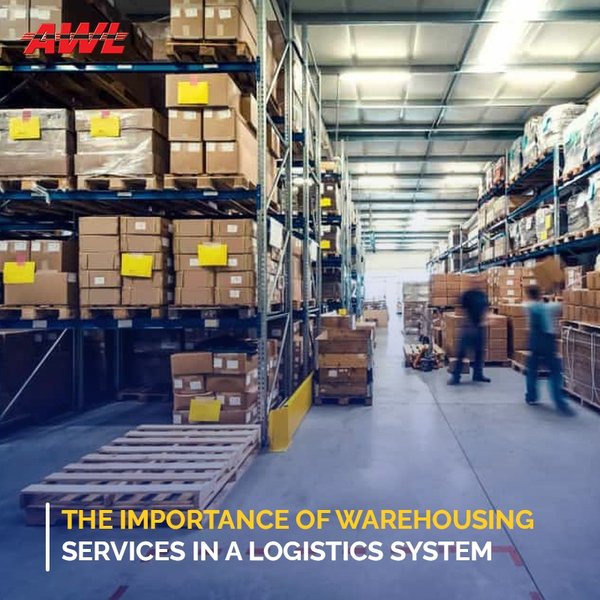
Modern warehousing and logistics are crucial for enabling quick commerce in fashion.
Market Landscape: Growth Metrics and Projections
The Indian fashion e-commerce market is on a steep upward curve, and Q-commerce is emerging as one of its most dynamic segments. The broader fashion e-commerce market in India was valued at approximately USD 21.6 billion in 2025 and is forecasted to soar to USD 98.5 billion by 2032. Within this, the Q-commerce industry as a whole is projected to hit USD 5.5 billion by 2025, with some estimates suggesting a GMV of $6 billion in FY 2025 for the Q-commerce market, growing at an impressive 75-85% annually. This significantly outpaces the growth of traditional retail.
Trend-first fashion categories, which are particularly suited for the Q-commerce model, are expected to quadruple in market size to USD 8-10 billion by 2028. This rapid expansion highlights the increasing consumer appetite for accessing the latest styles almost instantaneously.
Key Drivers Fueling the Q-Commerce Surge
Several interconnected factors are propelling the growth of fashion quick commerce in India:
Evolving Consumer Behavior:
The demand for instant gratification is paramount, especially among younger, tech-savvy consumers who value speed and convenience. Clothing and footwear consistently rank among the most popular online shopping categories.Urbanization and Connectivity:
Rapid urban growth and increasing smartphone penetration (projected to reach 84% by 2025) in metropolitan and Tier-1 cities create dense consumer clusters ideal for Q-commerce operations.Technological Advancements:
Artificial Intelligence (AI) plays a crucial role in demand forecasting, personalized recommendations, dynamic inventory management, and optimizing last-mile delivery logistics.Infrastructure Development:
The establishment of 'dark stores' (fulfillment centers dedicated to online orders) and micro-warehouses strategically located near consumer hubs enables rapid dispatch and delivery.
Pioneers of Speed: Prominent Players and Innovations
The Indian fashion Q-commerce arena is bustling with activity, featuring established e-commerce leaders and agile startups vying to meet consumer demand for speed.
Established E-commerce Platforms Venturing into Speed
- Myntra M-Now: Leading fashion e-tailer Myntra launched its M-Now service, promising 30-minute delivery for a curated range of fashion and beauty products, initially in Bengaluru and planning expansion. They are leveraging their existing infrastructure and brand partnerships.
- Flipkart Minutes: Flipkart is also exploring the quick commerce space with "Flipkart Minutes," focusing on a fast fashion model to cater to immediate needs.
- Amazon Tez: Amazon India is reportedly planning to launch its quick commerce service, "Tez," by early 2025, marking its global debut in this specific sector and likely including fashion items.
- Tata Cliq & BigBasket: Tata-owned BigBasket is integrating with Tata Cliq to offer 15-minute delivery of fashion products, showcasing synergy within the Tata digital ecosystem.
Specialized Q-Commerce Startups
- Slikk Club: This startup specializes in delivering fashion items in under 60 minutes, primarily targeting Gen Z consumers. They recently secured $3.2 million in funding to expand operations across major Indian metropolitan areas.
- NEWME: A Gen-Z focused fashion startup, NEWME offers 90-minute deliveries in select areas of Delhi/NCR, focusing on trendy and affordable apparel.
- Getto: Another emerging player, Getto, aims to deliver fashion products within 60 minutes, emphasizing convenience and a wide selection.
Diversification by Grocery Q-Commerce Giants
Players like Blinkit and Swiggy Instamart, initially focused on groceries, are expanding their offerings to include fashion by partnering with apparel brands like Arvind Fashions and Fabindia, leveraging their existing robust delivery networks.
The table below summarizes some key players in the Indian fashion Q-commerce landscape:
| Player/Service | Typical Delivery Time Claim | Primary Focus Area in Fashion Q-Commerce | Key Strategy/Notes |
|---|---|---|---|
| Myntra M-Now | ~30 minutes | Fashion, Beauty, Lifestyle | Utilizing dark stores, scaling product range, first niche e-commerce player at scale. |
| Slikk Club | ~60 minutes | Gen-Z focused Fashion | Expanding in metros, recent funding, automation and predictive demand. |
| Tata Cliq (via BigBasket) | ~15 minutes | Fashion Products | Integration with BigBasket's existing quick delivery infrastructure. |
| Flipkart Minutes | Fast Delivery | Fast Fashion | Flipkart's dedicated quick commerce vertical. |
| NEWME | ~90 minutes (select areas) | Affordable, Trendy Gen-Z Fashion | Hyper-local inventory for specific demographics. |
| Amazon Tez (Planned) | Expected to be rapid | Likely to include Fashion among other categories | Amazon's first global foray into this model, launching early 2025. |
| Blinkit / Swiggy Instamart | Varies (typically under 30 mins for core categories) | Expanding into Fashion | Partnering with established fashion brands to diversify. |
Fashion Q-Commerce Service Attributes
This chart illustrates a hypothetical comparison of different types of players in the Indian fashion Q-commerce market based on key service attributes. The scores (ranging from 1 to 10, where 10 is best) are opinion-based estimations reflecting general strengths.
The Ecosystem of Indian Fashion Quick Commerce
The rapid rise of fashion quick commerce in India is supported by a complex ecosystem of drivers, players, innovations, and challenges. This mindmap provides a visual overview of these interconnected elements.
(Instant Gratification, Convenience)"] id1b["Gen Z & Millennials"] id1c["Technological Advancements
(AI, Logistics Tech)"] id1d["Urbanization & Connectivity"] id1e["Dark Store Proliferation"] id2["Major Players"] id2a["Myntra M-Now"] id2b["Slikk Club"] id2c["Flipkart Minutes"] id2d["Amazon Tez (Upcoming)"] id2e["Tata Cliq / BigBasket"] id2f["Blinkit / Swiggy (Diversifying)"] id2g["NEWME, Getto"] id3["Growth Factors"] id3a["Large E-commerce Market"] id3b["High Annual Growth Rate (75-85%)"] id3c["Significant Investment & Funding"] id3d["Expansion to Tier-2/3 Cities"] id4["Innovations"] id4a["Ultra-Fast Delivery (15-60 mins)"] id4b["AI-Powered Personalization"] id4c["Hyper-Local Inventory Management"] id4d["Real-time Demand Forecasting"] id5["Challenges"] id5a["Profitability & High Operational Costs"] id5b["Inventory Complexity (SKUs, Seasonality)"] id5c["Supply Chain Efficiency"] id5d["Intense Competition"] id5e["Managing Returns Effectively"] id6["Future Outlook"] id6a["Continued Rapid Expansion"] id6b["Increased Market Share for Fashion in Q-Commerce"] id6c["Enhanced Personalization (AI Stylists)"] id6d["Focus on Sustainability"]
Challenges and Opportunities on the Fast Track
While the outlook for fashion Q-commerce in India is overwhelmingly positive, the sector faces certain operational and financial hurdles. Addressing these challenges effectively can unlock further opportunities.
Navigating the Hurdles
- Profitability: The high costs associated with maintaining a rapid logistics network, including dark stores and delivery personnel, make achieving profitability a significant challenge.
- Inventory Management: Fashion is characterized by high SKU (Stock Keeping Unit) variability, seasonality, and rapid trend cycles. Managing inventory effectively to meet instant demand without overstocking or stockouts is complex.
- Supply Chain Efficiency: Ensuring a seamless and efficient supply chain from sourcing to last-mile delivery at speed requires sophisticated technology and operational excellence.
- Competition: The market is becoming increasingly crowded with both domestic and international players, intensifying competition for market share and customer loyalty.
- Returns and Quality Assurance: Handling returns efficiently and ensuring product quality in an ultra-fast delivery model are critical for customer satisfaction, particularly in fashion where fit and feel are important.
Unlocking Potential: The Opportunities Ahead
- Technological Leverage: Continued advancements in AI and automation can further optimize logistics, reduce operational costs, and enhance personalization, improving profitability.
- Hyper-Personalization: AI-driven tools can offer highly personalized shopping experiences, including virtual try-ons and styling recommendations, thereby increasing conversion rates and customer loyalty.
- Expansion into New Geographies: Tapping into the growing demand in Tier-2 and Tier-3 cities presents a significant growth avenue.
- Sustainability Initiatives: Integrating sustainable practices, such as eco-friendly packaging or optimizing delivery routes to reduce carbon footprint, can appeal to environmentally conscious consumers.
- Strategic Partnerships: Collaborations between Q-commerce platforms and fashion brands, designers, and local boutiques can broaden product offerings and enhance market reach.
Hear From the Experts: The Rise of Fashion Quick Commerce
The landscape of e-commerce in India is rapidly evolving, with quick commerce making significant inroads, especially in the fashion segment. This video discusses the emergence and impact of quick commerce for fashion, featuring insights from industry experts. It delves into how services like Myntra's M-Now are changing consumer expectations by offering deliveries in as little as 30 minutes, pushing the boundaries of speed and convenience in online fashion retail.
The discussion highlights how players are adapting their logistics, inventory management, and technological infrastructure to support these ultra-fast delivery models. It underscores the strategic importance of quick commerce for capturing the attention of time-sensitive urban consumers and the potential for this model to redefine the future of fashion shopping in India.
The Future Trajectory: What Lies Ahead for Fashion Q-Commerce?
The future of fashion quick commerce in India looks exceptionally bright. Industry experts predict a continued compound annual growth rate (CAGR) of 20-25% for the sector. Fashion is expected to command an increasingly larger share of the overall Q-commerce revenue as platforms refine their offerings and expand their reach.
We can anticipate even greater levels of personalization, with AI-driven styling assistants becoming more sophisticated, offering real-time recommendations based on current trends and individual preferences. The expansion beyond metropolitan areas into Tier-2 and Tier-3 cities will continue, making instant fashion accessible to a broader consumer base. As the global Q-commerce market is projected to reach between USD 25-55 billion by 2030, India is poised to be a key contributor and a hotbed of innovation in this space.
Frequently Asked Questions (FAQs)
What exactly is fashion quick commerce? +
Fashion quick commerce (Q-commerce) refers to the ultra-fast delivery of clothing, accessories, footwear, and other fashion-related items, typically within a very short timeframe, such as 15 to 60 minutes after an online order is placed. It combines the convenience of e-commerce with the immediacy of on-demand services.
Why is fashion Q-commerce experiencing rapid growth in India? +
Several factors contribute to its growth: a large, young, and tech-savvy population (especially Gen Z and Millennials) demanding instant gratification; increasing urbanization and smartphone penetration; advancements in logistics technology and AI for demand forecasting; and the strategic establishment of dark stores for quicker fulfillment.
Who are the prominent companies in India's fashion quick commerce sector? +
Key players include established e-commerce platforms like Myntra (with its M-Now service), Flipkart (Flipkart Minutes), and potentially Amazon (with its upcoming Tez service). Specialized startups like Slikk Club and NEWME are also making a mark. Additionally, grocery Q-commerce giants like Blinkit and Swiggy Instamart are diversifying into fashion by partnering with brands.
What are the typical delivery times consumers can expect from fashion Q-commerce? +
Delivery times vary by platform and location but generally range from 15 minutes to about 90 minutes. Many services aim for delivery within 30 to 60 minutes for fashion items.
What are the main challenges faced by the fashion quick commerce industry? +
Key challenges include achieving profitability due to high operational and logistics costs, managing complex fashion inventories with high SKU variability and seasonality, ensuring supply chain efficiency, intense market competition, and effectively handling product returns and quality assurance in a fast-paced environment.
Recommended Further Exploration
- How is AI transforming logistics in Indian quick commerce?
- What are the investment trends in India's quick commerce startups focused on fashion?
- Compare the operational models of dark stores versus traditional retail for fashion in India.
- What is the impact of quick commerce on consumer shopping behavior for apparel in Tier-2 Indian cities?
References

Last updated May 6, 2025