
Fast-Acting Gout Relief: Comprehensive Strategies for Immediate and Long-Term Management
Effective methods to alleviate pain and inflammation swiftly during a gout attack.
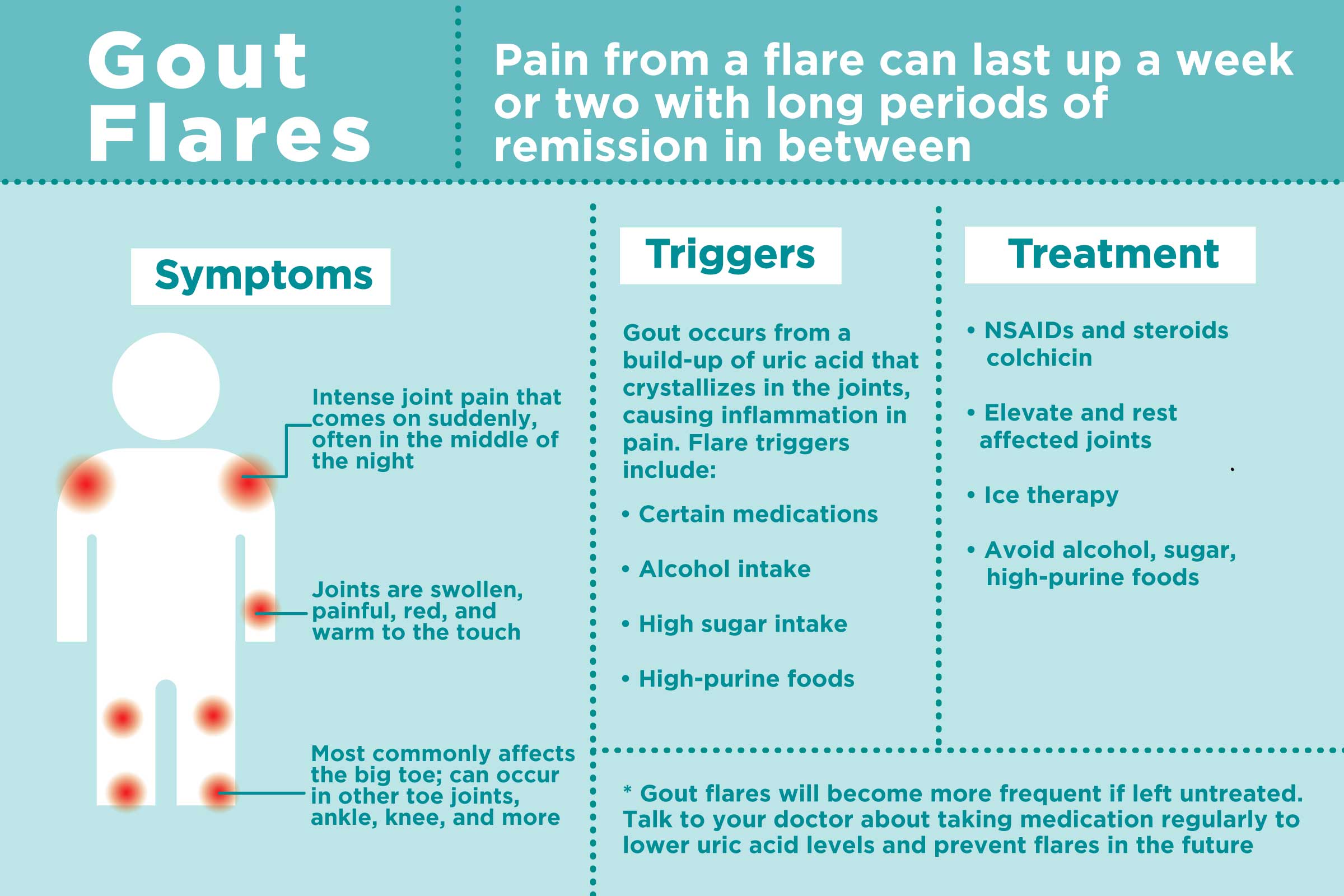
Key Takeaways
- Immediate Intervention: Utilizing OTC medications and cold therapy can quickly reduce gout pain and inflammation.
- Hydration and Elevation: Maintaining proper hydration and elevating the affected joint are crucial for minimizing swelling.
- Long-Term Management: Dietary adjustments and lifestyle modifications are essential to prevent future gout flare-ups.
Understanding Gout and Its Immediate Impact
Gout is a type of inflammatory arthritis characterized by sudden and severe attacks of pain, swelling, and redness in the joints, commonly affecting the big toe. These flare-ups occur due to the accumulation of uric acid crystals in the joint, which result from high levels of uric acid in the blood, a condition known as hyperuricemia.
Immediate Relief Methods
1. Over-the-Counter (OTC) Medications
OTC medications are often the first line of defense in managing the acute pain and inflammation associated with a gout attack.
Nonsteroidal Anti-Inflammatory Drugs (NSAIDs)
- Ibuprofen (Advil, Motrin): Reduces pain and inflammation effectively. It is recommended to start treatment at the onset of symptoms.
- Naproxen (Aleve): Another NSAID option that can help manage pain and swelling.
- Aspirin: Should be avoided as it can increase uric acid levels, potentially worsening gout symptoms.
2. Cold Therapy
Applying cold can numb the affected area and reduce swelling, providing temporary relief from gout pain.
- Ice Packs: Wrap ice in a thin towel and apply to the painful joint for 15–20 minutes at a time, several times a day.
- Cold Compresses: Similar to ice packs, they help in reducing inflammation and discomfort.
3. Elevation and Rest
Minimizing movement and elevating the affected joint can significantly reduce swelling and pain.
- Elevate the Joint: Prop up the affected limb above heart level using pillows to decrease swelling.
- Rest: Avoid putting weight or pressure on the affected joint to prevent further irritation.
4. Hydration
Staying well-hydrated helps in flushing out excess uric acid from the body, thereby reducing the severity of a gout attack.
- Water Intake: Aim for at least 8–10 glasses of water daily during a gout flare.
- Avoid Dehydration: Dehydration can concentrate uric acid levels, exacerbating symptoms.
5. Prescription Medications
When OTC medications are insufficient, prescription drugs may be necessary to control severe gout attacks.
Colchicine
- Effective in reducing inflammation if taken early during a gout flare.
- Typically prescribed in low doses to minimize side effects.
Corticosteroids
- Used for patients who cannot tolerate NSAIDs or colchicine.
- Can be administered orally or via injection to quickly reduce inflammation.
Prescription-Strength NSAIDs
- Higher doses may be prescribed for more effective pain and inflammation control.
- Requires consultation with a healthcare provider for appropriate usage.
Natural Remedies and Dietary Adjustments
1. Cherry Juice and Cherries
Cherries contain antioxidants and anti-inflammatory compounds that can help lower uric acid levels.
- Cherry Juice: Consuming tart cherry juice may reduce the frequency of gout attacks.
- Fresh Cherries: Eating cherries regularly is associated with lower uric acid levels.
2. Baking Soda (Sodium Bicarbonate)
Baking soda can help neutralize uric acid in the body.
- Mix a teaspoon of baking soda in a glass of water and drink it.
- Consult with a healthcare provider before use, especially for individuals with high blood pressure.
3. Activated Charcoal
Activated charcoal may help absorb excess uric acid and reduce pain.
- Soak in a bath with activated charcoal.
- Apply a charcoal paste to the affected joint for topical relief.
4. Dietary Modifications
Adopting a low-purine diet can help manage uric acid levels and prevent future gout attacks.
- Avoid High-Purine Foods: Limit intake of red meat, organ meats, shellfish, and certain fish like sardines and mackerel.
- Reduce Alcohol Consumption: Especially beer and spirits, which can increase uric acid production.
- Limit Sugary Beverages: High-fructose drinks can contribute to elevated uric acid levels.
- Increase Low-Purine Foods: Incorporate dairy products, vegetables, and whole grains into the diet.
5. Incorporating Anti-Inflammatory Foods
Certain foods possess natural anti-inflammatory properties that can help mitigate gout symptoms.
- Ginger: Contains compounds that reduce inflammation.
- Turmeric: Its active ingredient, curcumin, has potent anti-inflammatory effects.
- Fatty Fish: Salmon and other fatty fish are rich in omega-3 fatty acids.
Lifestyle Modifications
1. Weight Management
Maintaining a healthy weight can reduce the risk of gout attacks by lowering uric acid levels.
- Gradual Weight Loss: Avoid rapid weight loss diets that can increase uric acid levels.
- Regular Exercise: Engage in moderate physical activity to support overall health.
2. Stress Reduction
Chronic stress may contribute to inflammation and gout flare-ups.
- Mindfulness and Meditation: Practices that promote relaxation can help manage stress levels.
- Yoga and Tai Chi: Incorporate gentle exercises that reduce stress and improve flexibility.
3. Avoiding Joint Pressure
Minimizing pressure on affected joints can prevent exacerbation of gout symptoms.
- Supportive Footwear: Wear shoes that provide adequate support, especially during a gout attack in the foot.
- Use Assistive Devices: Crutches or canes can help offload the affected joint.
When to Seek Medical Attention
While many gout attacks can be managed at home, certain situations warrant immediate medical intervention:
-
Severe Pain: Unmanageable pain that does not respond to OTC medications.
-
Prolonged Symptoms: Symptoms persisting beyond 48 hours despite home treatment.
-
Multiple Joint Involvement: If several joints become affected simultaneously.
-
Fever: Development of fever alongside gout symptoms could indicate an infection.
-
Frequent Attacks: Regular gout flare-ups may require long-term management strategies.
Comprehensive Medication Guide
| Medication | Type | Dosage | Purpose |
|---|---|---|---|
| Ibuprofen (Advil, Motrin) | NSAID | 400-800 mg every 6-8 hours | Reduces pain and inflammation |
| Naproxen (Aleve) | NSAID | 500 mg twice daily | Manages pain and swelling |
| Colchicine | Prescription | 1.2 mg initially, then 0.6 mg one hour later | Reduces inflammatory response to uric acid crystals |
| Prednisone | Corticosteroid | 5-60 mg daily | Suppresses inflammation |
| Allopurinol | Urate-Lowering Therapy | 100-300 mg daily | Prevents future gout attacks by lowering uric acid levels |
| Febuxostat | Urate-Lowering Therapy | 40-80 mg daily | Reduces uric acid production to prevent flare-ups |
Conclusion
Managing a gout attack effectively requires a combination of immediate relief strategies and long-term lifestyle modifications. Utilizing OTC medications like NSAIDs, applying cold therapy, staying hydrated, and elevating the affected joint can provide swift relief from acute symptoms. Additionally, incorporating natural remedies such as cherry juice and adhering to a low-purine diet are essential for reducing uric acid levels and preventing future attacks. For severe or persistent cases, prescription medications and medical intervention may be necessary. By adopting a comprehensive approach to gout management, individuals can minimize pain, prevent recurring flare-ups, and maintain a better quality of life.
References
Last updated January 21, 2025