
Mastering Speed & Precision: Your Blueprint for High-Quality Fast-Track Fit-Outs
A project manager's guide to strategic resource hiring and elite subcontractor sourcing for accelerated project success.
Embarking on a fast-track fit-out project presents a unique set of challenges and opportunities. The core objective is to compress the project timeline significantly, often by overlapping design, procurement, and construction phases. This accelerated approach demands meticulous planning, agile management, and an unwavering focus on quality. This guide provides a comprehensive project management plan, focusing on two critical pillars: strategically hiring the right internal resources and sourcing top-tier subcontractors and vendors. By mastering these elements, you can navigate the complexities of fast-track projects to deliver exceptional results, on time and within budget.
Key Highlights for Your Presentation
- Strategic Resourcing is Paramount: Success in fast-track projects hinges on assembling a skilled core team with proven experience in high-pressure, accelerated environments. Emphasis should be on rapid yet rigorous recruitment.
- Rigorous Subcontractor & Vendor Selection: Quality outcomes depend on partnering with subcontractors and vendors who have a demonstrable track record in fast-track fit-outs, financial stability, and a commitment to excellence. A robust prequalification process is non-negotiable.
- Proactive Quality & Risk Management: While speed is a priority, quality cannot be compromised. Implementing stringent quality assurance measures, continuous monitoring, and proactive risk mitigation strategies are essential to prevent rework and ensure client satisfaction.
Understanding the Dynamics of Fast-Track Fit-Out Projects
A "fast-track" fit-out project is characterized by its compressed timeline, achieved by overlapping project phases that would traditionally run sequentially. For instance, construction might commence while the final design details are still being confirmed. This approach is often adopted to meet tight deadlines, secure early occupancy for a client, or gain a competitive market advantage.
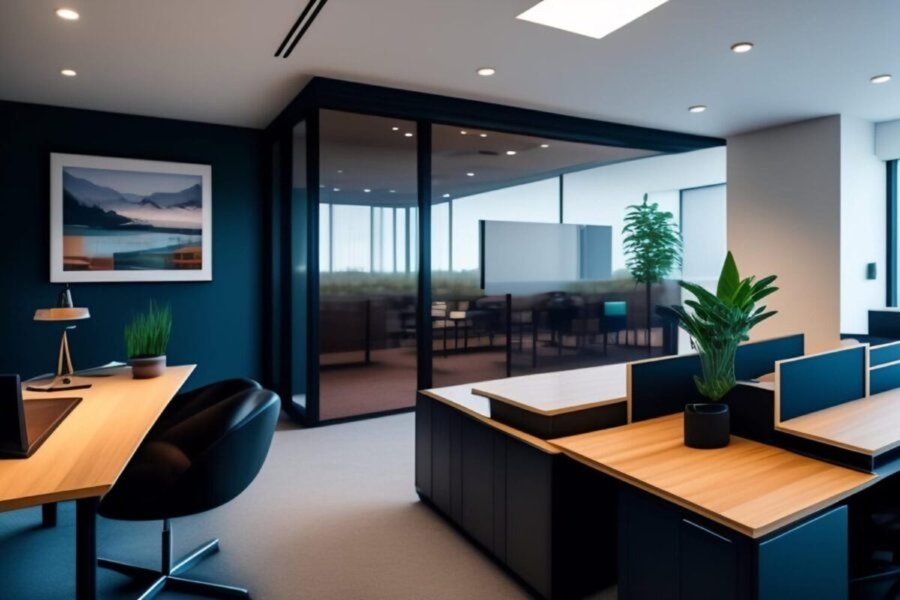
A modern office space undergoing a fit-out, illustrating the typical environment for fast-track projects.
The Allure and The Alerts
Benefits of Acceleration
The primary benefit is, of course, time savings. A shorter project duration can lead to cost savings (e.g., reduced financing costs, earlier revenue generation for the client) and quicker operational readiness. It demonstrates efficiency and can be a significant selling point.
Inherent Risks and Challenges
However, fast-tracking is not without its perils. The overlapping of tasks increases complexity and the potential for miscommunication. Key risks include:
- Rework: Changes in later design stages can necessitate costly and time-consuming rework of already completed construction phases.
- Increased Coordination Needs: Managing parallel activities requires exceptional coordination between the design team, contractors, and vendors.
- Quality Compromise: The pressure to maintain speed can inadvertently lead to cutting corners if not meticulously managed.
- Dependency Management: A delay in one fast-tracked activity can have a cascading impact on multiple other dependent tasks.
Effective project management is therefore crucial to harness the benefits while mitigating these inherent risks.
Core Project Management Principles for Success
Navigating a fast-track fit-out successfully demands adherence to fundamental project management principles, amplified by the project's accelerated nature.
- Strategic Planning: A clear, detailed roadmap is essential, outlining all tasks, dependencies, and critical paths, even with overlapping phases. This plan must be adaptable to changing circumstances.
- Efficient Resource Allocation: Ensuring the right personnel, materials, and equipment are available precisely when needed is critical to avoid bottlenecks.
- Proactive Risk Mitigation: Early identification of potential issues and the development of robust contingency plans are vital. This includes anticipating design changes or supplier delays.
- Crystal-Clear Communication: Maintaining open, frequent, and precise communication channels among all stakeholders (client, design team, core team, subcontractors, vendors) is non-negotiable, especially with tasks running concurrently.
- Unyielding Adherence to Regulations: All work must comply with building codes, safety standards, and other relevant legal requirements, regardless of the accelerated timeline.
Strategic Resource Hiring: Building Your A-Team
The quality of your internal team is a cornerstone of fast-track project success. You need individuals who not only possess the requisite technical skills but can also thrive under pressure and adapt quickly.
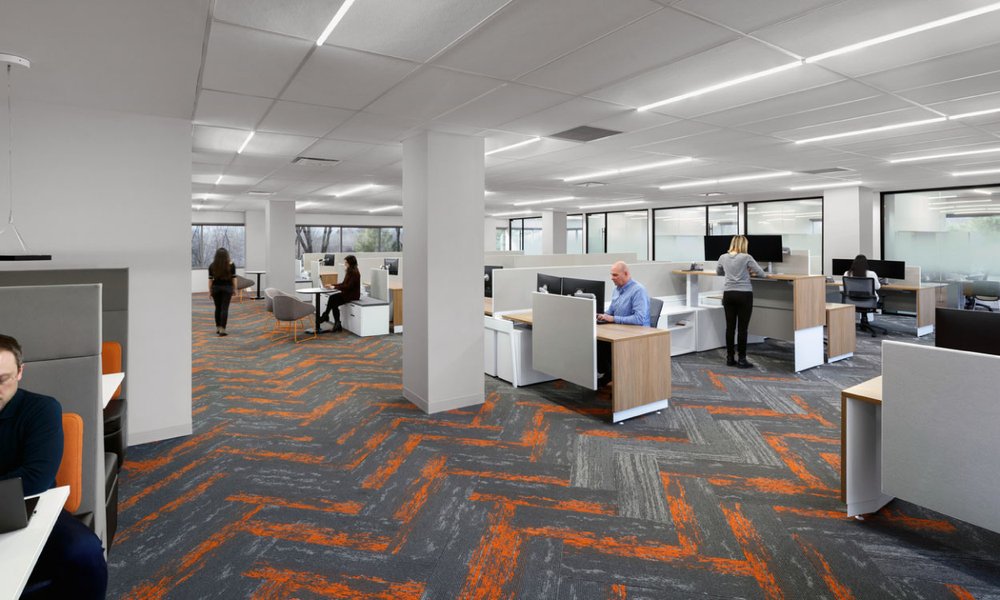
An experienced project manager is key to coordinating the complexities of a fast-track fit-out.
Identifying Crucial Roles
Key personnel typically include:
- Experienced Project Manager(s): The linchpin of the project, responsible for overall planning, execution, risk management, and stakeholder communication. Essential for strategic planning and efficient resource allocation.
- Site Manager/Supervisor: Oversees daily on-site operations, ensuring work proceeds according to plan, quality standards are met, and safety protocols are followed.
- Procurement Specialist: Manages the sourcing and timely delivery of materials and equipment, crucial for avoiding delays.
- Design Coordinator: Facilitates communication between the design team and the construction team, managing design queries and revisions efficiently.
- Safety Officer: Ensures compliance with all health and safety regulations on site.
- Specialized Trades (if hiring directly): Depending on the project scope, this could include electricians, plumbers, HVAC technicians, etc.
The Rapid Recruitment Funnel
Given the time constraints, the hiring process must be swift yet thorough:
- Define Needs Clearly: Based on the project scope, precisely define the roles and responsibilities.
- Targeted Search: Utilize industry networks, specialized recruitment agencies, and platforms like Indeed or LinkedIn, specifically looking for candidates with fast-track fit-out experience.
- Efficient Vetting: Streamline resume screening and interviews. Competency-based interviews focusing on past fast-track project experience, problem-solving skills, and adaptability are key.
- Reference Checks: Quickly verify past performance and suitability for high-pressure environments.
Essential Qualities for Fast-Track Success
Beyond technical skills, look for:
- Proven Fast-Track Experience: Candidates who understand the unique demands and pace.
- Adaptability and Flexibility: The ability to respond effectively to changes and unforeseen challenges.
- Strong Leadership & Communication Skills: Especially for managerial roles, to guide teams and maintain clarity.
- Positive, Proactive Outlook: A can-do attitude is invaluable in navigating the pressures of an accelerated schedule.
- Problem-Solving Acumen: The ability to quickly identify issues and implement effective solutions.
Sourcing High-Caliber Subcontractors and Vendors
Your choice of subcontractors and vendors will directly impact the quality, timeliness, and cost-effectiveness of the fit-out. A meticulous sourcing and selection process is critical.
The Quest for Specialized Expertise
Prioritize partners who specialize in fit-out projects and, ideally, have a proven track record in fast-track environments. They will understand the nuances, potential pitfalls, and requirements for rapid, high-quality execution.
Rigorous Selection Criteria
Evaluate potential subcontractors and vendors against a comprehensive set of criteria. The following radar chart illustrates key areas to assess. An "Ideal Subcontractor Profile" would score highly across all dimensions, while "Vendor A" represents a strong candidate and "Vendor B" a more moderate one. The "Minimum Acceptable Standard" line indicates the baseline requirements.
This chart helps visualize how potential partners stack up against critical success factors. Each criterion should be weighted according to project priorities.
The Prequalification Gauntlet
A thorough prequalification process is essential to filter potential partners:
- Collect Detailed Information: Request company profiles, portfolios of similar projects, client testimonials, and financial statements.
- Verify Experience and Performance: Contact references to inquire about their quality of work, reliability, communication, and ability to meet deadlines, especially under fast-track conditions. Ask specific questions about their performance on past fast-track projects.
- Assess Financial Health: Ensure they have the financial stability to see the project through without issues. Review insurance certifications.
- Evaluate Capacity and Resources: Confirm they have the necessary manpower, equipment, and management capabilities to handle the project's scale and pace.
- Check Compliance Record: Verify their adherence to safety regulations, building codes, and quality certifications (e.g., ISO).
- Interviews and Site Visits (if feasible): Direct interaction can provide valuable insights into their professionalism and operational capabilities.
Commitment to a clear delivery date and the ability to integrate seamlessly with the core project team are paramount.
Ensuring Uncompromised Quality Amidst Speed
The primary challenge in fast-track projects is balancing speed with quality. This requires a proactive and systematic approach to quality assurance (QA) and quality control (QC).
Defining Quality Benchmarks
From the outset, establish clear, measurable quality standards and Key Performance Indicators (KPIs) for all aspects of the fit-out. These should be communicated to and agreed upon by all stakeholders, including subcontractors and vendors.
Proactive Quality Control Measures
- Frequent Inspections and Audits: Conduct regular site inspections at critical project milestones to identify and rectify any deviations from quality standards promptly.
- Early Detection and Correction: Implement processes for the early identification of potential quality issues. The faster an issue is found, the less impact it has on schedule and budget.
- Material and Workmanship Approval: Establish clear procedures for approving material samples and completed work sections before proceeding with mass installation.
- Third-Party Consultants: If necessary, engage independent quality assurance consultants for unbiased assessments, particularly for critical or complex elements.
- Clear Contractual Obligations: Ensure contracts with subcontractors and vendors clearly define quality expectations, standards, and remediation processes.
Visualizing the Project Ecosystem: A Mindmap for Success
To effectively manage a fast-track fit-out, it's crucial to understand how various components interconnect. This mindmap provides a high-level overview of the key areas of your project management plan, emphasizing the relationships between strategic planning, resource management, sourcing, quality control, and risk mitigation.
(Speed & Complexity)"] id1b["Core Principles
(Planning, Communication, Risk Mgt.)"] id2["Resource Management"] id2a["Strategic Hiring
(Key Roles: PM, Site Manager)"] id2b["Rapid Recruitment Process"] id2c["Essential Qualities
(Experience, Adaptability)"] id3["Sourcing & Procurement"] id3a["Subcontractor Selection Criteria
(Track Record, Financial Stability)"] id3b["Vendor Selection
(Reliability, Quality Materials)"] id3c["Rigorous Prequalification"] id3d["Clear Contractual Terms"] id4["Quality & Risk Management"] id4a["Quality Assurance & Control
(KPIs, Inspections)"] id4b["Risk Identification & Mitigation
(Rework, Delays)"] id4c["Robust Communication Plan"] id5["Execution & Monitoring"] id5a["Leveraging Technology
(PM Software, BIM)"] id5b["Budget & Cost Control"] id5c["Timeline Adherence & Tracking"] id5d["Stakeholder Management"]
This visual aid helps in structuring your presentation and ensuring all critical aspects are covered, demonstrating a holistic approach to project management.
Navigating the Risks of Accelerated Timelines
Proactive risk management is even more critical in fast-track projects due to their inherent complexities and compressed schedules.
Identifying Potential Pitfalls
Common risks include:
- Scope Creep: Undefined or changing requirements can derail an accelerated schedule.
- Design Incompleteness: Starting construction with an incomplete design can lead to significant rework.
- Subcontractor/Vendor Underperformance: Delays or quality issues from partners can have a ripple effect.
- Material Delays: Supply chain disruptions can halt progress.
- Communication Breakdown: Misunderstandings due to rapid parallel activities.
- Increased Complexity: Managing numerous overlapping tasks and dependencies.
Proactive Mitigation Strategies
A structured approach to risk management involves identifying, assessing, and planning responses. The table below outlines some common risks in fast-track fit-out projects and potential mitigation strategies.
| Risk Category | Specific Risk | Potential Impact | Mitigation Strategy | Contingency Plan |
|---|---|---|---|---|
| Schedule | Delay in critical path activities | Overall project delay, increased costs | Thorough critical path analysis, regular progress monitoring, buffer time for critical tasks | Fast-track non-dependent tasks further, resource reallocation |
| Quality | Rework due to design changes or poor workmanship | Increased costs, schedule delays, compromised quality | Strict design freeze points, robust QA/QC processes, experienced supervision, pre-qualification of subcontractors | Allocated budget for minor rework, standby skilled labor |
| Resources | Shortage of skilled labor or key personnel | Delayed tasks, decreased productivity | Early resource planning and booking, cross-training staff, strong relationships with labor suppliers | Identify backup personnel, engage temporary staffing agencies |
| Procurement | Late delivery of critical materials or equipment | Work stoppages, schedule disruption | Early procurement planning, multiple supplier options, robust tracking of orders | Identify alternative suppliers, pre-order long-lead items |
| Communication | Misalignment between design team and construction team | Errors, rework, delays | Regular coordination meetings, centralized communication platform, clear documentation protocols | Dedicated design liaison on site |
| Financial | Subcontractor financial instability | Work stoppage, legal complications, project delays | Thorough financial vetting during prequalification, payment bonds | Identify alternative subcontractors, phased payments tied to milestones |
This table provides a framework for proactively addressing potential issues, which is crucial for maintaining momentum and quality in a fast-track environment.
Leveraging Technology and Communication
Essential Technological Aids
Technology can be a powerful ally in managing the complexities of fast-track projects:
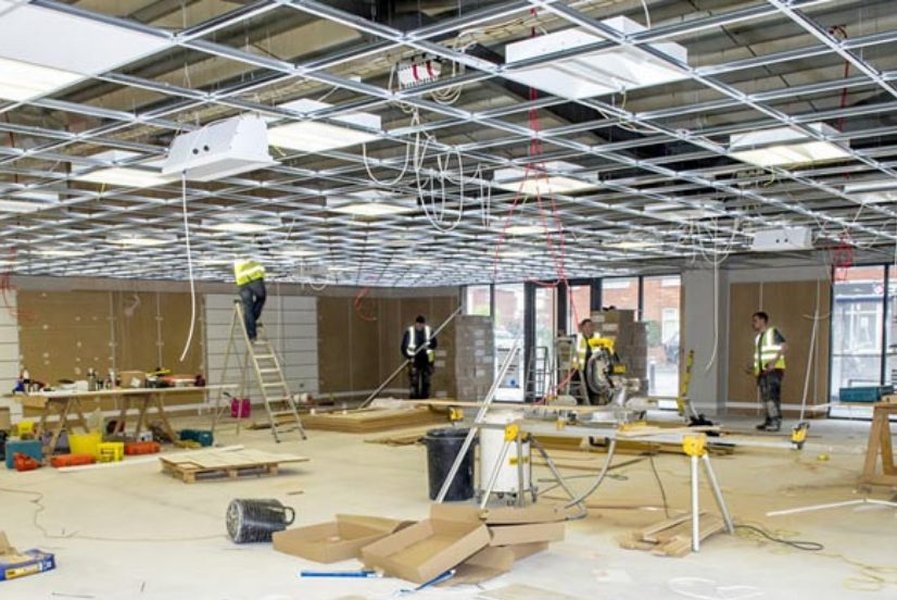
Modern fit-out projects benefit greatly from software for planning, tracking, and communication.
- Project Management Software: Tools like Microsoft Project, Asana, Monday.com, or Wrike for task scheduling, progress tracking, resource allocation, and dependency management.
- Building Information Modeling (BIM): For 3D visualization, clash detection, and improved coordination between design and construction disciplines, potentially reducing rework.
- Laser Surveying Technology: Provides accurate site measurements quickly, aiding in precise planning and design.
- Cloud-Based Collaboration Platforms: For real-time sharing of documents, drawings, and updates among all stakeholders.
The Lifeline: A Robust Communication Plan
In a fast-track environment, clear, consistent, and timely communication is paramount. Develop a formal communication plan that outlines:
- Key Stakeholders: Identify everyone who needs to be kept informed.
- Communication Channels: Define preferred methods (e.g., email, meetings, project management software).
- Frequency of Updates: Establish regular reporting schedules (e.g., daily stand-ups, weekly progress reports).
- Escalation Paths: Define procedures for raising and resolving issues quickly.
- Meeting Structures: Implement quick start-up meetings with subcontractors to align expectations and regular progress meetings to monitor performance.
Insights on Scheduling: A Practical Approach
Effective scheduling is the backbone of any successful construction project, especially one on a fast track. The following video provides practical insights into creating a realistic timeline for interior fit-out projects. It discusses key phases and considerations that can help you structure your project plan and anticipate potential bottlenecks. Understanding these scheduling dynamics is crucial for coordinating resource hiring and subcontractor engagement effectively.
This video, "Practical Scheduling Timeline for Interior Fitout Construction," offers valuable tips on sequencing activities, allocating appropriate durations, and managing dependencies in a fit-out context. While your project is fast-tracked, the fundamental principles of good scheduling—breaking down work, identifying critical paths, and resource leveling—remain vital. The fast-track approach will involve compressing this timeline by overlapping tasks where feasible, which requires even more diligent planning and risk assessment, as highlighted in the video's discussion of interdependencies.
Frequently Asked Questions (FAQ)
What is the biggest challenge in a fast-track fit-out project?
The biggest challenge is typically managing the increased risk of rework and maintaining quality standards while compressing the schedule. Overlapping design and construction phases requires impeccable coordination and communication to prevent errors that could lead to costly delays and fixes. Proactive risk management and stringent quality control are essential to mitigate this.
How do you ensure quality isn't compromised by speed in a fast-track project?
Ensuring quality involves several key strategies:
- Clear Quality Standards: Defining and communicating quality expectations from the outset.
- Experienced Team & Subcontractors: Hiring resources and partners with proven track records in delivering quality under pressure.
- Robust QA/QC Processes: Implementing frequent inspections, audits, and approval gateways at critical stages.
- Focus on 'Right First Time': Emphasizing thorough planning and execution to minimize errors and rework.
- Not Overlapping High-Risk Dependent Tasks: Carefully selecting which tasks can be safely overlapped.
What are the first steps in sourcing subcontractors for a fast-track project?
The initial steps include:
- Defining Scope Clearly: Precisely outline the work packages required from subcontractors.
- Developing Prequalification Criteria: Establish criteria focusing on fast-track experience, financial stability, quality record, capacity, and safety compliance.
- Identifying Potential Candidates: Leverage industry contacts, databases, and past successful partnerships.
- Issuing Requests for Prequalification (RFPQ): Gather detailed information from interested subcontractors to assess their suitability against your criteria before inviting them to bid.
Why is an experienced Project Manager crucial for fast-track fit-outs?
An experienced Project Manager (PM) is vital because fast-track projects involve heightened complexity, risk, and pressure. A seasoned PM brings:
- Strategic Planning Skills: Ability to develop and adapt aggressive yet realistic project plans.
- Risk Management Expertise: Proactively identifies and mitigates the unique risks of overlapping phases.
- Strong Coordination Abilities: Manages multiple concurrent activities and diverse teams effectively.
- Decisive Leadership: Makes timely decisions to keep the project on track.
- Effective Communication: Ensures all stakeholders are aligned and informed.
- Experience with Schedule Compression Techniques: Understands how to apply fast-tracking effectively without sacrificing quality or safety.
Can technology significantly help in managing a fast-track fit-out?
Yes, absolutely. Technology plays a significant role by:
- Improving Planning & Scheduling: Project management software helps visualize timelines, manage dependencies, and track progress in real-time.
- Enhancing Collaboration: Cloud-based platforms allow seamless sharing of information and documents among all stakeholders.
- Reducing Errors: BIM can help detect clashes in design before construction, preventing costly rework.
- Streamlining Communication: Centralized communication tools ensure everyone is on the same page.
- Facilitating Monitoring & Control: Digital tools can aid in site inspections, quality checks, and progress reporting.
Recommended Further Exploration
- What are the most effective Key Performance Indicators for measuring quality in fast-track construction projects?
- How can Building Information Modeling (BIM) be best utilized to mitigate risks in fast-track fit-out schedules?
- Explore detailed strategies for managing subcontractor relationships and performance during high-pressure fit-out projects.
- What are advanced techniques for cost control and budgeting when project phases are significantly overlapped in a fit-out?
References
Last updated May 7, 2025