
Frustrated by Munich's Passport Wait Times? Discover Faster Alternatives Within Germany!
Navigate the German passport application process more efficiently by exploring options beyond lengthy local delays.
Applying for a German passport is a significant step, often following the successful completion of naturalization or for renewing an existing passport. We understand your concern regarding the potentially long processing time of up to two years mentioned for the Munich office. While such extensive delays are unusual for standard passport applications and might be linked to specific backlogs or potentially confused with lengthy naturalization processes, there are indeed strategies and alternative locations within Germany that could offer a much faster turnaround.
Typically, the standard processing time for a German passport is considerably shorter. Let's explore the standard timelines, reasons for potential delays, and actionable steps you can take to expedite the process within Germany.
Key Insights for Faster Passport Processing
Highlights to guide your application strategy:
- Standard vs. Exceptional Delays: The usual processing time for a German passport is 4 to 8 weeks, significantly less than the reported 2 years in Munich, which likely reflects extraordinary local conditions or confusion with naturalization timelines.
- Express Service Option: Germany offers an official Express Service (Expressverfahren) which can yield a passport in approximately 3 working days under specific conditions, though availability and requirements should be verified locally.
- Apply Strategically Elsewhere: You are generally not restricted to applying only in your city of residence. Seeking appointments at Bürgerämter (Citizens' Offices) in less congested areas or cities with potentially better resources can significantly shorten wait times.
Understanding Passport Processing and Potential Delays
Why some offices might be slower than others.
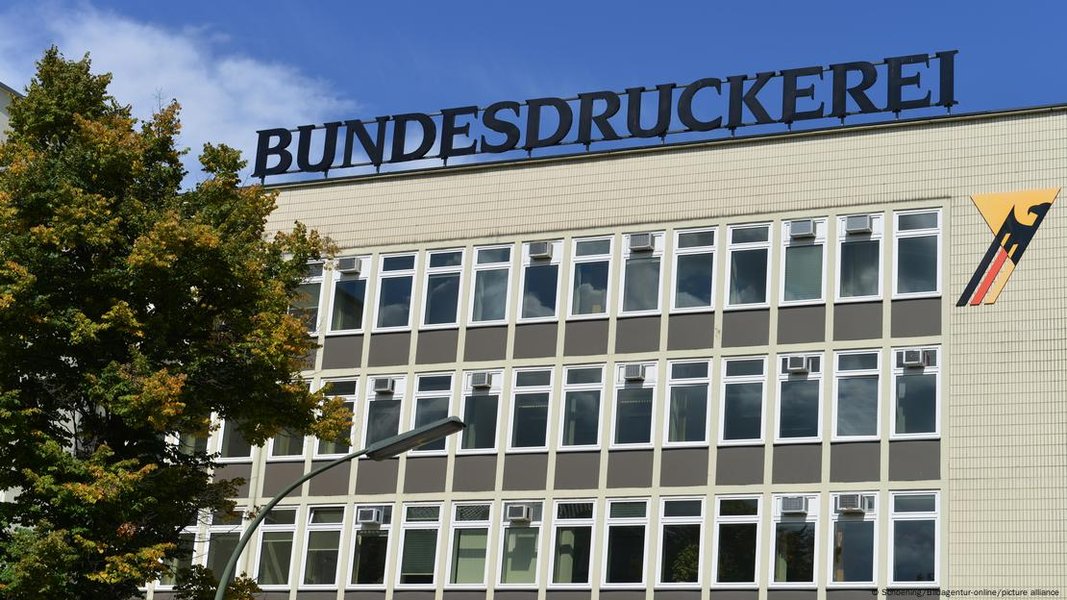
All German passports are printed centrally at the Federal Printing Office (Bundesdruckerei) in Berlin. Once your application is submitted and approved locally, the data is sent to Berlin for printing and subsequent dispatch. The standard 4-8 week timeframe accounts for local processing, printing, and delivery.
However, delays can occur at various stages:
- Local Office Backlogs: High-demand areas like Munich can experience significant backlogs due to the sheer volume of applications, staffing levels, or administrative bottlenecks. The 2-year figure you mentioned, while extreme for a passport, highlights how severe local issues can become.
- Bundesdruckerei Workload: Occasionally, the central printing facility in Berlin might face its own delays due to high national demand or technical issues, affecting processing times nationwide. Recent reports have mentioned potential backlogs here.
- Incomplete Applications: Errors or missing documents in an application inevitably lead to delays, requiring further appointments and processing time.
- Naturalization vs. Passport Processing: It's crucial to distinguish between the time taken to *become* a German citizen (naturalization), which can indeed take many months or even years in some cities (e.g., reports mention 32-50+ months for naturalization in places like Frankfurt or Leipzig), and the time taken to get the *passport* document *after* citizenship is granted, which is typically the 4-8 weeks mentioned earlier. Ensure the 2-year timeframe specifically refers to the passport issuance post-naturalization, not the naturalization process itself.
Passport processing delays can cause frustration, especially during peak travel seasons.
Strategies for Obtaining Your German Passport Faster
Actionable steps to potentially speed up your application.
1. Utilize the Express Service (Expressverfahren)
The official fast-track option.
For urgent needs, Germany offers an expedited passport service. Here's what you need to know:
- Speed: If the application is successfully submitted and processed by the local office, often before a specific cut-off time (e.g., 11 am), the passport can potentially be ready for collection in about 3 working days.
- Cost: This service comes with an additional fee on top of the standard passport cost.
- Requirements: You might need to provide proof of urgency (like confirmed travel bookings). Availability isn't guaranteed at every single Bürgeramt, so you must confirm this when booking your appointment.
- How to Request: Inquire about the Express Service when scheduling your appointment or during the appointment itself.
2. Apply at a Different Bürgeramt
Explore less busy locations.
You generally have the right to apply for a passport at a Bürgeramt outside your registered place of residence, although some offices might prioritize local residents or charge an additional out-of-area fee. This opens up possibilities:
- Smaller Towns/Cities: Offices in less populated areas often have significantly lower demand and shorter waiting times for appointments and processing.
- Other Major Cities: While counterintuitive, some large cities like Berlin might have multiple Bürgerämter, some potentially less busy than others, or better overall resource allocation leading to faster processing than severely backlogged offices like Munich's might currently be.
- How to Proceed: Research Bürgerämter in nearby towns or cities. Check their websites or call them directly to inquire about current passport processing times and appointment availability for non-residents. Use online appointment booking systems where available to compare wait times.
3. Ensure Flawless Preparation
Avoid self-inflicted delays.
- Book Appointments Promptly: Use online booking portals to secure the earliest available slot. Be persistent, as cancellations can open up earlier times.
- Complete Documentation: Gather all required documents *in their original form* plus necessary copies beforehand. Incomplete applications are a major source of delay. Common requirements include:
- Completed application form (often possible to pre-fill online).
- Current ID document (passport or Personalausweis).
- Proof of German citizenship (e.g., naturalization certificate, previous passport, birth certificate).
- One recent biometric photograph meeting strict requirements.
- Proof of residency (Meldebescheinigung).
- Possibly birth certificates, marriage certificates, or name change documents if applicable.
- In-Person Application: Remember that all applicants aged 6 and over must apply in person to provide fingerprints. Mailed applications are not accepted.
Comparing Passport Application Scenarios
Factors influencing processing speed.
The speed of obtaining your German passport can vary based on the office chosen and the service requested. The following chart provides a conceptual comparison of different scenarios based on factors like typical wait times, service availability, and local demand. Note that these are illustrative estimations and actual times depend on current conditions.
This chart illustrates that while an office offering express service excels in speed once the application is accepted, a less busy office might offer the quickest route to actually submitting the application due to shorter appointment waits and lower demand impact. Conversely, a very busy office scores poorly across most factors contributing to overall delay.
Visualizing Your Options: Passport Application Pathways
A mindmap of strategies to consider.
To help visualize the choices, here is a mindmap outlining the main paths and considerations when seeking a faster German passport application process:
(Smaller Towns?)"] id3b2["Consider Other Major Cities
(e.g., Berlin branches?)"] id3b3["Check Non-Resident Policy/Fees"] id3b4["Contact Office Directly for Timelines"] id3c["Ensure Thorough Preparation"] id3c1["Book Appointment ASAP"] id3c2["Gather ALL Required Documents
(Originals + Copies)"] id3c3["Use Online Portals if Available"]
This mindmap highlights the two main avenues for potentially speeding up the process: utilizing the official Express Service or strategically choosing a different, less congested application location.
Comparing Standard vs. Express Passport Service
A quick reference table.
Understanding the key differences between the standard and express passport services can help you decide which path is best suited for your situation.
| Feature | Standard Passport Service | Express Passport Service (Expressverfahren) |
|---|---|---|
| Processing Time | Approx. 4-8 weeks (after successful application submission) | Approx. 3 working days (if submitted before daily cut-off, dependent on local office & Bundesdruckerei) |
| Cost | Standard fee (e.g., approx. €60-€70 for adults under 24, higher for adults 24+) | Standard fee + Express surcharge (approx. €32 extra) |
| Primary Use Case | Routine applications, renewals | Urgent travel needs, unforeseen circumstances |
| Requirements | Standard documentation | Standard documentation + potentially proof of urgency (e.g., flight tickets) |
| Availability | Available at all passport authorities | Available at many, but not all, Bürgerämter. Must be confirmed locally. |
Note: Fees are approximate and subject to change. Check with the specific Bürgeramt for exact current costs.
Insights into the Application Experience
A first-hand perspective on applying for a German passport.
While official guidelines provide the framework, hearing about individual experiences can sometimes offer practical insights. The video below shares one person's journey through applying for their first German passport and ID card. Although every application experience is unique and processing times vary, it can be helpful to see the steps involved from an applicant's viewpoint.
Video discussing the process of applying for a first German passport and ID card.
Remember that this video reflects a specific point in time and location; always rely on current official information from German authorities for the most accurate guidance regarding requirements and processing times at your chosen application office.
Frequently Asked Questions (FAQ)
Quick answers to common queries.
What is the standard processing time for a German passport?
Under normal circumstances, the standard processing time for a German passport, after a complete application is submitted at the Bürgeramt, is typically between 4 and 8 weeks. This includes local processing and central printing in Berlin.
Is a 2-year wait time in Munich normal for a passport application?
No, a 2-year processing time for just the passport document itself is highly unusual and not the standard. It could indicate severe local backlogs, specific issues with the individual case, or potentially confusion with the much longer processing times associated with the naturalization (citizenship application) process in some busy cities. Standard passport issuance is much faster.
Can I apply for a German passport at an office outside my city of residence?
Yes, generally you can apply at any Bürgeramt (Citizens' Office) in Germany. However, the office may charge an additional fee if it's not the primary office responsible for your place of residence. It's essential to check the specific office's policy and appointment availability for non-residents beforehand.
How does the German Passport Express Service work?
The Express Service allows for much faster passport production, potentially within 3 working days, if the application is submitted before a certain time (often 11 am). It costs extra (around €32 surcharge) and may require proof of urgency. You need to confirm its availability at the specific Bürgeramt where you plan to apply.
What documents do I typically need for a German passport application?
You typically need a completed application form, your current ID (passport/ID card), proof of German citizenship (like a naturalization certificate or previous passport), a recent biometric photo, and proof of residency (Meldebescheinigung). Depending on your situation, birth certificates, marriage certificates, or name change documents might also be required. Always bring originals and check the specific requirements of the office where you apply.
Recommended Further Reading
Explore related topics for deeper insights.
- Learn how to efficiently book passport appointments online at various German Citizens' Offices.
- Find out the exact costs and documentation needed for the German Express Passport service.
- Check the latest reported passport processing times specifically for offices in Berlin.
- Get a comprehensive checklist of all documents needed for an adult German passport application.
References
Sources used for this information.
Last updated May 5, 2025