
Unlock Rapid Language Learning: Proven Strategies for Faster Fluency
Discover the most effective techniques, tools, and mindsets to significantly accelerate your journey to mastering a new language.
Highlights: The Core Pillars of Fast Language Acquisition
- Immersion is Paramount: Surrounding yourself with the target language daily, through media and interaction, drastically speeds up natural acquisition.
- Consistent Practice with Smart Tools: Short, regular study sessions using effective language apps and spaced repetition systems are more impactful than infrequent cramming.
- Speak from Day One: Prioritizing active communication, even with mistakes, builds practical fluency and confidence much faster than passive learning alone.
The Unrivaled Power of Immersion
Why surrounding yourself with the language works wonders.
Consistently cited by experts and polyglots as one of the most potent accelerators, immersion involves creating an environment where you are constantly exposed to the target language. This doesn't necessarily mean moving abroad (though that's highly effective); you can simulate immersion anywhere.
Mimicking Natural Acquisition
Immersion works because it mirrors how we learned our native language – through continuous exposure, context, and necessity. Your brain starts to recognize patterns, internalize grammar, and acquire vocabulary organically, often bypassing the need for explicit translation.
Practical Immersion Techniques:
- Media Consumption: Watch movies, TV series, and YouTube videos in the target language. Start with subtitles in your native tongue, then switch to target language subtitles, and eventually remove them entirely. Listen to music and podcasts during commutes or chores.
- Digital Environment: Change the language settings on your phone, computer, and social media accounts.
- Reading Materials: Read news articles, blogs, websites, and eventually books in the target language. Start with topics you're familiar with.
- Label Your Environment: Place sticky notes with target language words on objects around your home.
- Think in the Language: Try narrating your daily activities or formulating thoughts directly in the new language, even if it's simple at first.

Engaging in real-world communication is a key component of immersion.
Consistency Trumps Intensity: The Daily Practice Habit
Why short, regular sessions yield faster results.
While immersion provides exposure, deliberate practice solidifies knowledge. Experts agree that consistent, daily study sessions – even just 15-30 minutes – are far more effective for long-term retention and rapid progress than lengthy, infrequent cramming sessions. Consistency builds momentum and keeps the language fresh in your mind.
Making Practice Effective:
- Schedule It: Treat your language practice like an important appointment. Find a time that works best for you and stick to it.
- Active Recall: Don't just passively review; actively test yourself. Try to recall vocabulary and grammar rules from memory.
- Mix It Up: Combine different activities – use an app, review flashcards, listen to a podcast excerpt, write a few sentences, practice speaking aloud. This keeps things engaging and targets different skills (listening, speaking, reading, writing).
- Focus on Weaknesses: Identify areas where you struggle and dedicate specific practice time to them.

Focused, consistent study is crucial for rapid language learning.
Leveraging Technology: Smart Tools for Accelerated Learning
Utilizing modern apps and techniques to boost efficiency.
Technology offers powerful tools to structure your learning, make it more engaging, and optimize memory retention. Language learning apps and specific techniques like Spaced Repetition Systems (SRS) are invaluable components of a fast-learning strategy.
Top Language Learning Apps (as of 2025):
While no single app guarantees fluency alone, they provide excellent structure, practice, and reinforcement:
- Duolingo: Known for its gamified approach, extensive language selection (including recent AI-generated course expansions), and bite-sized lessons covering reading, writing, listening, and speaking basics. Great for beginners and maintaining daily habits.
- Babbel: Focuses on practical, conversational skills for real-life scenarios. Its 10-15 minute lessons and speech recognition technology are ideal for building speaking confidence quickly.
- Pimsleur: An audio-focused method emphasizing listening and speaking through 30-minute daily lessons. It uses graduated interval recall (a form of SRS) to build conversational ability effectively, particularly strong for auditory learners.
- Memrise: Utilizes SRS and mnemonic devices ("mems") to help users memorize vocabulary and phrases efficiently and enjoyably.
- Lingoda: Offers small online group classes and private lessons with native-speaking teachers, providing structured immersion and real-time speaking practice.
- Rosetta Stone: A long-standing program, particularly effective for beginners, using an immersive approach with images and audio to teach vocabulary and grammar without translation.
- Mondly: Features a wide variety of exercises, quizzes, and incorporates AR/VR features for more immersive experiences.
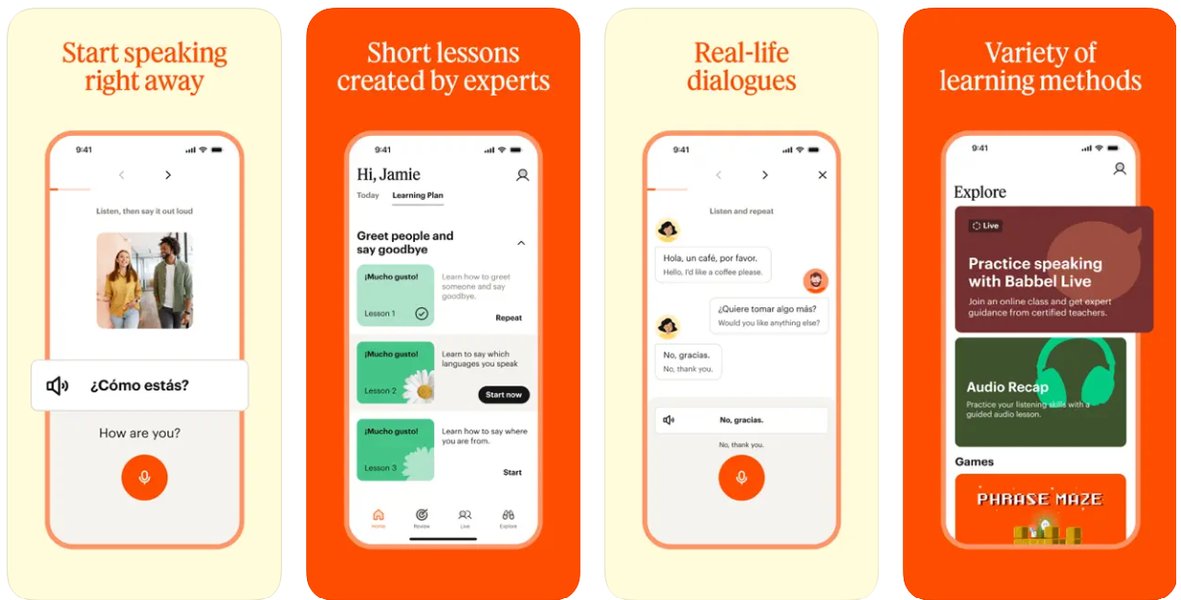
Language learning apps offer diverse approaches to fit different learning styles.
The Science of Spaced Repetition Systems (SRS):
SRS is a scientifically validated technique that dramatically improves memory retention. It works by showing you information (like vocabulary words or grammar rules) at increasing intervals, precisely timed just before you're likely to forget it. This process moves information from short-term to long-term memory much more efficiently than traditional rote memorization.
- How it Helps Speed: By optimizing review times, SRS ensures you spend your effort learning new material or reinforcing weak areas, rather than wasting time on things you already know well.
- Tools: Many language apps like Duolingo, Memrise, and Pimsleur have built-in SRS. Dedicated flashcard software like Anki offers highly customizable SRS capabilities.
Speak From Day One (Even Imperfectly!)
Why activating your knowledge through speech is non-negotiable.
One of the biggest hurdles for language learners is the fear of speaking. However, delaying speaking practice significantly slows down progress towards fluency. The consensus among experts is clear: start speaking from the very beginning, even if you only know a few words or phrases.
Benefits of Early Speaking:
- Activates Knowledge: Speaking forces you to actively recall vocabulary and grammar, solidifying it much better than passive study.
- Identifies Gaps: Trying to express yourself reveals what you don't know, guiding your learning focus.
- Builds Confidence: Each successful interaction, no matter how small, builds momentum and reduces anxiety.
- Improves Pronunciation: Real-time feedback (from partners or tutors) helps correct pronunciation errors early.
Finding Speaking Opportunities:
- Language Exchange Partners: Use apps like Tandem or HelloTalk to find native speakers learning your language.
- Online Tutors: Platforms like italki, Preply, or Lingoda connect you with affordable tutors for structured conversation practice.
- Talk to Yourself: Narrate your actions or thoughts aloud in the target language. It feels silly, but it's effective practice!
- Join Communities: Participate in online forums, social media groups, or local language meetups.
Key Mindset: Embrace mistakes as learning opportunities. Prioritize communication over perfection, especially in the early stages. Fluency comes from practice, not flawless execution from the start.
Mindmap: Connecting the Fastest Learning Strategies
A visual overview of the key components for rapid language acquisition.
This mindmap illustrates how different elements of fast language learning interconnect. The core principles support the main strategies, which are enabled by specific tools and techniques, all underpinned by the right mindset.
(Daily Practice)"] id1b["Active Use
(vs Passive Study)"] id2["Key Strategies"] id2a["Immersion
(Media, Environment)"] id2b["Speak Early & Often"] id2c["Set Clear Goals (SMART)"] id3["Essential Tools"] id3a["Language Apps
(Duolingo, Babbel, etc.)"] id3b["Spaced Repetition (SRS)
(Anki, Memrise)"] id3c["Tutors & Partners
(italki, Tandem)"] id4["Effective Techniques"] id4a["High-Frequency Vocabulary"] id4b["Pronunciation Focus
(Minimal Pairs)"] id4c["Varied Methods
(Audio, Visual, Kinesthetic)"] id4d["Multimodal Learning"] id5["Mindset"] id5a["Patience & Persistence"] id5b["Embrace Mistakes"] id5c["Focus on Communication"]
Understanding how these components work together allows you to build a comprehensive and effective learning plan tailored to your needs.
Refining Your Approach: Focus and Techniques
Strategic choices that maximize learning efficiency.
Beyond the core strategies, certain techniques can further optimize your learning speed.
Prioritize High-Frequency Vocabulary
Not all words are created equal. Focusing on learning the most common words and phrases first (often the top 1000-2000 words form the bulk of everyday conversation) provides the quickest path to basic comprehension and communication. Many apps and frequency lists available online can help identify these core words.
Nail Pronunciation Early
Poor pronunciation can hinder communication even if your grammar and vocabulary are good. Dedicate time early on to understanding and practicing the sounds of the language. Listen carefully to native speakers, use app features for speech recognition, record yourself, and consider techniques like minimal pair training (practicing pairs of words that differ by only one sound, e.g., "ship" vs. "sheep").
Set SMART Goals
Vague goals like "learn Spanish" are less effective than specific, measurable, achievable, relevant, and time-bound (SMART) goals. Examples: "Be able to hold a 5-minute basic conversation in French after 1 month," or "Learn 30 new German vocabulary words related to food this week." Clear goals provide direction, motivation, and allow you to track progress effectively.
Comparing Language Learning Approaches: A Visual Guide
Understanding the strengths and weaknesses of different methods.
Different approaches to language learning offer varying balances of speed, cost, flexibility, and focus. This radar chart provides an opinionated comparison based on common experiences, helping you choose methods that align with your priorities. Scores range from 1 (Low) to 10 (High), with Cost Effectiveness meaning higher scores represent lower costs or better value.
As the chart suggests, full immersion often offers the highest speed potential and speaking practice but lacks flexibility and can be costly. Apps provide flexibility and affordability but may require supplementation for speaking practice. Online tutoring offers a good balance, especially for targeted speaking practice. Combining methods often yields the best results.
Integrating Methods for Optimal Speed: A Comparative Table
Choosing and combining the right tools for your learning style.
No single method is perfect for everyone. Understanding the pros and cons of different approaches helps you create a blended strategy that maximizes your learning speed. This table summarizes key characteristics:
| Method | Description | Pros | Cons | Best For Whom |
|---|---|---|---|---|
| Language Apps (Duolingo, Babbel, etc.) | Mobile/web platforms offering structured lessons, often gamified, covering vocabulary, grammar, listening, reading. | Convenient, affordable/free, engaging, good for basics & vocabulary, often includes SRS. | Can lack depth, limited real conversation practice, may become repetitive. | Beginners, learners needing flexibility, supplementing other methods, daily habit building. |
| Full Immersion (Living Abroad) | Surrounding oneself completely with the target language and culture. | Fastest progress potential, constant practice, natural acquisition, cultural understanding. | Expensive, requires major life change, can be overwhelming initially. | Highly motivated learners seeking fluency quickly, those able to relocate. |
| Online Tutoring (1-on-1) | Personalized lessons with a native speaker via video call (e.g., italki, Preply). | Tailored lessons, focused speaking practice, immediate feedback, flexible scheduling. | Can be costly over time, requires self-discipline between sessions. | Learners needing focused speaking practice, intermediate/advanced levels, personalized feedback. |
| Self-Study (Books, Media) | Learning independently using textbooks, workbooks, online resources, movies, podcasts, etc. | Highly flexible, affordable, allows focus on specific interests (e.g., literature, specific jargon). | Requires strong self-discipline, lacks speaking practice & feedback, progress can be slow without structure. | Disciplined learners, those on a tight budget, supplementing other methods, focusing on reading/listening. |
| Group Classes (Online/Offline) | Structured lessons with a teacher and other students (e.g., Lingoda, local language schools). | Structured curriculum, interaction with peers, teacher guidance, accountability. | Pace set by group, less individual attention, fixed schedule, may not suit all learning styles. | Learners who thrive in structured environments, enjoy social learning, need external accountability. |
Recommendation: For the fastest results, combine methods. For example, use an app for daily vocabulary and grammar practice, engage in weekly online tutoring sessions for speaking, and immerse yourself through media consumption.
Visual Learning: Insights from Language Experts
Learning from experienced polyglots and educators.
Watching experienced language learners share their methods can provide valuable insights and motivation. This video explores several powerful techniques often employed for learning languages faster:
The video discusses practical strategies you can implement immediately, often echoing the core principles of immersion, consistent practice, and active usage highlighted throughout this guide. Hearing diverse perspectives can help you refine your own approach.
Frequently Asked Questions (FAQ)
Quick answers to common language learning queries.
► How long does it *really* take to learn a language quickly?
► Can I become fluent using only language apps?
► What is the absolute most important factor for learning fast?
► Is it better to learn grammar rules explicitly or just absorb them through immersion?
Recommended Next Steps
Explore further insights into language mastery.
- How can I effectively use spaced repetition systems like Anki for language learning?
- What are the best techniques for creating a language immersion environment at home?
- Where can I find reliable language exchange partners online and how can I make the most of the interaction?
- Can you provide a detailed comparison of the features and effectiveness of top language learning apps in 2025?
References
Sources used in this synthesis.
Last updated May 5, 2025