
Unlock Fluency Faster: The Science and Strategy Behind Rapid Language Acquisition
Discover evidence-based methods to accelerate your journey to speaking a new language confidently and effectively.
Highlights: Key Strategies for Accelerated Language Learning
- Immersion is Paramount: Consistently cited as the most effective accelerator, surrounding yourself with the target language through daily interactions, media consumption, and even changing device settings creates a natural learning environment.
- Prioritize Active Speaking: Engaging in conversation from the early stages, even imperfectly, forces active recall and significantly speeds up fluency compared to passive learning alone.
- Leverage Smart Tools & Techniques: Utilize Spaced Repetition Systems (SRS) for efficient vocabulary memorization and focus on high-frequency words to quickly build practical communication skills.
Dive Deep: Mastering Immersion for Natural Acquisition
Immersion stands out as the cornerstone of rapid language learning, mirroring the natural process through which we acquire our native tongue. It involves creating an environment where the target language is not just studied but lived. This constant exposure helps your brain intuitively grasp nuances of sound, meaning, and grammar.
Why Immersion Works So Well
Constantly hearing, seeing, and using the language in context helps forge strong neural pathways. Unlike rote memorization, immersion connects language elements to real-world situations, making recall more automatic and natural. It trains your ear to recognize sounds and rhythms, improves intuitive understanding of grammar, and expands vocabulary organically.
Practical Steps for Effective Immersion:
- Digital Immersion: Change the language settings on your phone, computer, and social media accounts. This provides constant, passive exposure to everyday vocabulary.
- Media Consumption: Watch movies and TV shows, listen to music and podcasts, and read news articles or blogs in your target language. Initially, you might use subtitles in the target language (not your native one), but aim to phase them out to challenge your listening comprehension.
- Real-World Interaction: Seek opportunities to interact with native speakers, whether through language exchange partners online (using apps or websites), local community groups, or travel. Even simple, everyday conversations can significantly boost your progress.
- Label Your Environment: Place sticky notes with target language words on objects around your home (e.g., "la puerta" on the door, "der Tisch" on the table).

A dedicated and organized space can enhance focus during language study sessions.
Speak Up: The Power of Active Conversation
While understanding is crucial, actively producing the language through speaking is arguably the most significant accelerator towards fluency. Many learners delay speaking out of fear of making mistakes, but experts emphasize that early and frequent conversation is key.
Overcoming the Speaking Hurdle
The goal of early conversation isn't perfection; it's communication. Making mistakes is an integral part of learning. Engaging in conversation forces your brain to retrieve vocabulary, construct sentences, and practice pronunciation in real-time. This active recall process solidifies learning far more effectively than passive review.
Strategies for Boosting Speaking Practice:
- Find Conversation Partners: Utilize language exchange platforms (e.g., Tandem, HelloTalk) or hire an online tutor (e.g., italki, Preply) for regular speaking sessions.
- Start Simple: Begin with basic greetings, introductions, and simple questions and answers. Focus on common, practical phrases you can use immediately.
- Talk to Yourself: Narrate your daily activities in the target language. Describe what you're doing, seeing, or thinking. This low-pressure practice builds confidence and fluency.
- Shadowing: Listen to short audio clips of native speakers and repeat exactly what they say, mimicking their pronunciation, rhythm, and intonation. This technique can drastically improve your accent and flow.
- Embrace Imperfection: Accept that you will make mistakes. Focus on being understood rather than achieving grammatical perfection, especially in the beginning. Many experts stress the value of hours spent in "awkward" conversations.
Strategic Study: Tools and Techniques for Efficiency
Beyond immersion and speaking, employing smart study techniques can optimize your learning time and accelerate progress, particularly in building vocabulary and understanding structure.
Mastering Vocabulary with Spaced Repetition (SRS)
Spaced Repetition Systems are powerful tools based on the psychological principle of the spacing effect. They help you memorize vocabulary and phrases efficiently by showing you information just before you're likely to forget it. Reviews are scheduled at increasing intervals, optimizing retention.
Using SRS Effectively:
- Choose Your Tool: Popular SRS software includes Anki (highly customizable) and Memrise (more gamified). Many language learning apps also incorporate SRS principles.
- Focus on High-Frequency Words: Start by learning the most common words and phrases (e.g., the top 500-1000). This provides the quickest path to understanding a significant portion of everyday language.
- Use Context: Create flashcards with full sentences rather than isolated words to understand usage. Include images and audio when possible.
- Be Consistent: Dedicate 15-30 minutes daily to SRS reviews. Consistency is key to making the system work.
The Role of Structured Learning Resources
While immersion provides natural exposure, structured resources like textbooks, courses, and apps offer a systematic way to learn grammar rules, sentence structures, and foundational concepts. They provide a framework that complements the often chaotic nature of immersion.
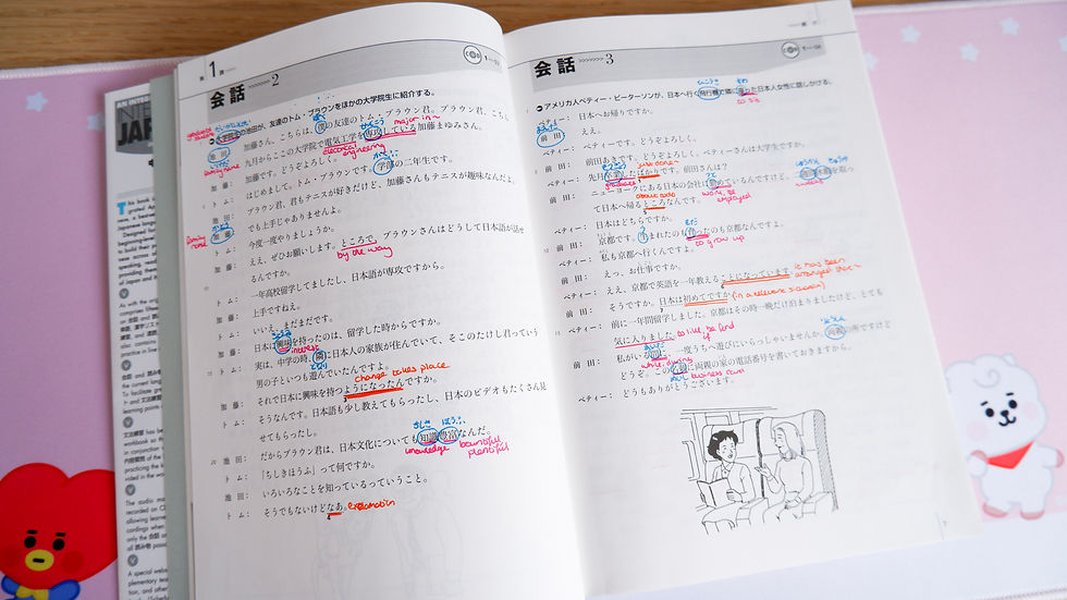
Textbooks and structured courses provide a necessary foundation in grammar and vocabulary.
Integrating Structured Learning:
- Choose Quality Materials: Look for well-regarded textbook series (e.g., Assimil, Teach Yourself) or comprehensive online courses and apps (e.g., Babbel, Rosetta Stone, Busuu).
- Balance Structure and Immersion: Use textbooks or apps to understand a grammar point, then look for examples of it in real-world media or conversations.
- Focus on Comprehensible Input: Use materials that are slightly challenging but mostly understandable. Graded readers or simplified news articles are excellent resources.
- Don't Get Bogged Down: Avoid spending excessive time solely on grammar drills. Use structured learning to understand concepts, but prioritize applying them through active use (speaking and writing).
Visualizing Language Learning Approaches
Different methods contribute uniquely to language acquisition speed and effectiveness. This chart provides a comparative overview based on factors like potential speed, required effort, cost, accessibility, and enjoyment.
As the chart suggests, full immersion often offers the highest speed potential but requires significant effort and lower initial accessibility. Active speaking practice also ranks highly for speed. Tools like SRS and online apps provide high accessibility and can significantly boost specific areas like vocabulary, complementing broader strategies like immersion and speaking.
Mapping the Path to Fluency
Learning a language quickly involves interconnecting various methods, tools, and mindsets. This mindmap illustrates how these components work together synergistically.
(Movies, Music, Podcasts)"] id1a2["Digital Environment
(Phone/PC Language)"] id1a3["Real-World Interaction"] id1a4["Living Abroad (Optimal)"] id1b["Active Speaking"] id1b1["Conversation Partners
(Tutors, Exchange)"] id1b2["Shadowing Technique"] id1b3["Speaking Early & Often"] id1b4["Focus on Communication"] id2["Tools & Techniques"] id2a["Spaced Repetition (SRS)"] id2a1["Anki, Memrise"] id2a2["Vocabulary Retention"] id2b["High-Frequency Vocabulary"] id2b1["Focus on Core Words (80/20 Rule)"] id2c["Structured Learning"] id2c1["Textbooks & Courses"] id2c2["Grammar Foundations"] id2c3["Language Apps
(Duolingo, Babbel etc.)"] id2d["Comprehensible Input"] id2d1["Graded Readers"] id2d2["Simplified Content"] id3["Mindset & Habits"] id3a["Consistency"] id3a1["Daily Practice (1-2 hours)"] id3b["Goal Setting"] id3b1["Specific & Measurable Goals"] id3b2["Motivation (The 'Why')"] id3c["Tolerance for Ambiguity"] id3c1["Accepting Not Understanding Everything"] id3d["Embracing Mistakes"] id3d1["Viewing Errors as Learning Opportunities"] id4["Resources"] id4a["Online Tutors"] id4b["Language Exchange Apps"] id4c["Books & Media"] id4d["Language Communities"]
This map highlights that the fastest progress comes from combining core methods like immersion and active speaking with efficient tools (SRS, high-frequency vocab) and structured resources, all supported by a consistent routine and a positive, resilient mindset.
Comparing Language Learning Approaches
Choosing the right approach, or combination of approaches, depends on your goals, budget, time commitment, and learning style. Here's a comparison of common methods:
| Method | Potential Speed | Typical Cost | Pros | Cons |
|---|---|---|---|---|
| Full Immersion (Living Abroad) | Very Fast | High (Travel, Living Expenses) | Constant exposure, Natural learning, Cultural understanding, High motivation | Expensive, Can be overwhelming, Requires significant life change |
| Intensive Tutoring/Coaching | Fast | Moderate to High | Personalized feedback, Structured progression, Accountability, Focused speaking practice | Can be costly, Scheduling constraints, Quality varies |
| Self-Study (Apps & Online Courses) | Moderate | Low to Moderate | Flexible, Accessible, Often gamified/engaging, Good for vocabulary & basics | Requires self-discipline, Limited speaking practice, May lack depth or real-world context |
| Self-Study (Textbooks & Audio) | Slow to Moderate | Low | Structured grammar, Comprehensive, Affordable | Can be dry/boring, Limited interactivity/speaking, Requires high motivation |
| Language Exchange Partners | Moderate to Fast | Free to Low | Real conversation practice, Cultural exchange, Flexible | Partner consistency varies, May lack structure, Finding good partners takes time |
For the absolute fastest results, a combination approach is often best – for example, supplementing immersion or tutoring with SRS apps for vocabulary and structured resources for grammar gaps.
Insights from Language Learning Experts
Many experienced language learners and polyglots share tips on accelerating the learning process. This video offers insights into powerful methods you can apply:
Video discussing effective methods for faster language learning.
The video emphasizes techniques that align with the principles discussed earlier, such as maximizing exposure (immersion), active recall through speaking and practice, and using resources intelligently. It reinforces the idea that speed comes from employing effective strategies consistently, rather than searching for a non-existent magic bullet.
Frequently Asked Questions (FAQ)
How long does it realistically take to learn a language quickly?
There's no single answer, as it depends heavily on the language's difficulty relative to your native tongue, the intensity of your study (hours per day), the methods used, and your personal aptitude and motivation. However, using intensive methods like immersion and consistent daily practice (1-2+ hours), achieving basic conversational fluency (e.g., holding simple conversations, understanding common phrases) is often possible within 3-6 months for languages closer to your own. Reaching higher levels of fluency naturally takes longer. Focusing on *effective* methods rather than just *speed* ensures meaningful progress.
Can I learn a language fast using only apps like Duolingo?
While language learning apps are excellent supplementary tools for building vocabulary, practicing grammar, and maintaining motivation through gamification, relying solely on them is unlikely to lead to rapid fluency, especially in speaking and real-world comprehension. They often lack sufficient conversational practice and the nuances learned through immersion and interaction with native speakers. For faster progress, apps should be combined with active speaking practice, immersion techniques, and potentially structured resources like textbooks or tutoring.
Is it necessary to strive for perfection from the beginning?
No, quite the opposite. Fear of making mistakes is one of the biggest obstacles to rapid language acquisition, particularly in speaking. Experts consistently advise embracing imperfection and focusing on communication over perfect grammar, especially initially. Making mistakes is a natural and necessary part of the learning process. Prioritize getting your message across and understanding others; grammatical accuracy will improve over time with continued practice and feedback.
What's more important: Study duration or consistency?
Consistency is generally considered more important than the duration of individual study sessions for long-term retention and rapid progress. Shorter, focused daily practice sessions (e.g., 30-60 minutes) are typically more effective than infrequent multi-hour cramming sessions. Consistent daily exposure and practice help keep the language fresh in your mind and build momentum, leveraging principles like spaced repetition naturally.
Recommended Further Exploration
- How does immersion compare to classroom learning for language acquisition speed?
- What are the most effective Spaced Repetition System techniques for vocabulary?
- How to find good language exchange partners online?
- What are realistic language learning goals for 3 months of intensive study?
References
Last updated May 4, 2025