
Understanding Fat Malabsorption Symptoms
A comprehensive exploration of the signs and complications
Key Insights
- Steatorrhea and Digestive Changes: Oily, foul-smelling stools that are pale, bulky, and float.
- Gastrointestinal Discomfort: Abdominal pain, bloating, gas, and chronic diarrhea are common.
- Nutritional and Systemic Effects: Unintentional weight loss and deficiencies in vitamins A, D, E, and K.
Introduction
Fat malabsorption is a condition in which the body’s ability to digest and absorb dietary fats is compromised. This malfunction results in a cascade of symptoms primarily affecting the gastrointestinal system but can also have widespread systemic effects. A strong grasp of these symptoms, their causes, and potential complications is crucial for early diagnosis and effective treatment. This comprehensive discussion will delve into the various clinical signs, ranging from the characteristic steatorrhea to more subtle nutritional deficiencies and their associated adverse effects.
Clinical Symptoms of Fat Malabsorption
Primary Symptom: Steatorrhea
Defining Steatorrhea
Steatorrhea is the hallmark symptom of fat malabsorption. It is characterized by the presence of excess fat in the stool, which results in stools that are:
- Oily and Greasy: The fat content renders the stool greasy and sticky.
- Foul-Smelling: Unabsorbed fats quickly undergo bacterial decomposition, leading to a strong, unpleasant odor.
- Pale in Color: Unlike the brown color typical of healthy stools, steatorrhea often presents as pale or light-colored.
- Bulky and Floating: Due to their high fat content, stools may have a bulky appearance and often float in water.
The appearance of steatorrhea can be alarming and is a clear indicator that fat is not being absorbed properly. This condition often correlates with further nutritional and digestive complications.
Gastrointestinal Discomfort
Abdominal Symptoms
In addition to changes in stool characteristics, individuals with fat malabsorption often experience a variety of gastrointestinal symptoms. These include:
- Chronic Diarrhea: Frequent loose or watery stools result from the passing of unabsorbed fats through the intestines.
- Abdominal Bloating: A build-up of gas caused by bacterial fermentation of fats can lead to significant discomfort and bloating.
- Gas and Flatulence: Increased intestinal gas production can lead to persistent belching and flatulence.
- Cramping and Pain: Discomfort often manifests as cramps or sharp pains in the abdominal region, which might worsen after meals.
Such symptoms may not only disrupt daily life but may also compound malabsorption issues by impeding the optimal function of the intestines.
Nutritional Deficiencies and Systemic Effects
Impact on Nutritional Status
A critical aspect of fat malabsorption is its impact on the body’s nutritional status. Fats are essential for absorbing fat-soluble vitamins (A, D, E, and K), and their malabsorption can lead to significant deficiencies:
- Vitamin A Deficiency: This can affect vision, particularly under low light, and impair immune system function.
- Vitamin D Deficiency: Inadequate vitamin D can lead to bone pain, osteomalacia, or even osteoporosis due to improper calcium absorption.
- Vitamin E Deficiency: Deficiency may contribute to neurological issues and muscle weakness over time.
- Vitamin K Deficiency: This may interfere with proper blood clotting and can lead to increased bleeding and bruising.
Without prompt intervention, the resultant nutritional deficiencies might precipitate further health complications such as muscle wasting, fatigue, and even cognitive impairments. Moreover, persistent malabsorption places patients at risk for general malnutrition, which may further weaken the immune system and reduce overall well-being.
Weight Loss and Other Physical Signs
Unintentional Weight Loss
Unintentional weight loss is another significant indicator of fat malabsorption. Despite maintaining a normal or even increased food intake, individuals may lose weight because:
- Caloric Deficit: Due to the inefficient absorption of fats, a major source of calories, patients may inadvertently experience a caloric deficit.
- Loss of Nutrient Stores: The failure to absorb essential vitamins and fats leads to depletion of body stores, directly influencing weight loss.
Additionally, weight loss in these patients may be accompanied by muscle wasting and a general decline in strength, which further complicates the clinical picture.
Systemic and Long-Term Consequences
Over prolonged periods, fat malabsorption can result in several systemic effects, extending beyond gastrointestinal discomfort:
- Reduced Immunity: Nutritional deficiencies, particularly in vitamins that support immune function, lead to an increased susceptibility to infections.
- Anemia: Malabsorption of fats and vitamins can sometimes contribute to anemia, manifested by fatigue, dizziness, and shortness of breath.
- Osteopenia and Osteoporosis: Particularly related to vitamin D deficiency, low bone density may develop, predisposing patients to fractures and bone pain.
- Dermatologic Changes: Issues such as dry skin, hair loss, or dermatitis may occur due to deficiencies in essential fatty acids and fat-soluble vitamins.
Detailed Symptom Analysis
Digestive System Impact
Steatorrhea Table
Below is an HTML table summarizing the key characteristics of steatorrhea compared with normal stool features:
| Feature | Normal Stool | Fat Malabsorption (Steatorrhea) |
|---|---|---|
| Color | Brown | Pale or light-colored |
| Consistency | Formed | Bulky, greasy, soft |
| Odor | Mild | Foul-smelling |
| Floating | Sinks | Floats |
| Volume | Normal | Increased, bulky |
This table illustrates the stark differences that help clinicians pinpoint fat malabsorption as a likely diagnosis in patients presenting with abnormal stool characteristics.
Underlying Mechanisms and Contributing Factors
Causes Leading to Fat Malabsorption
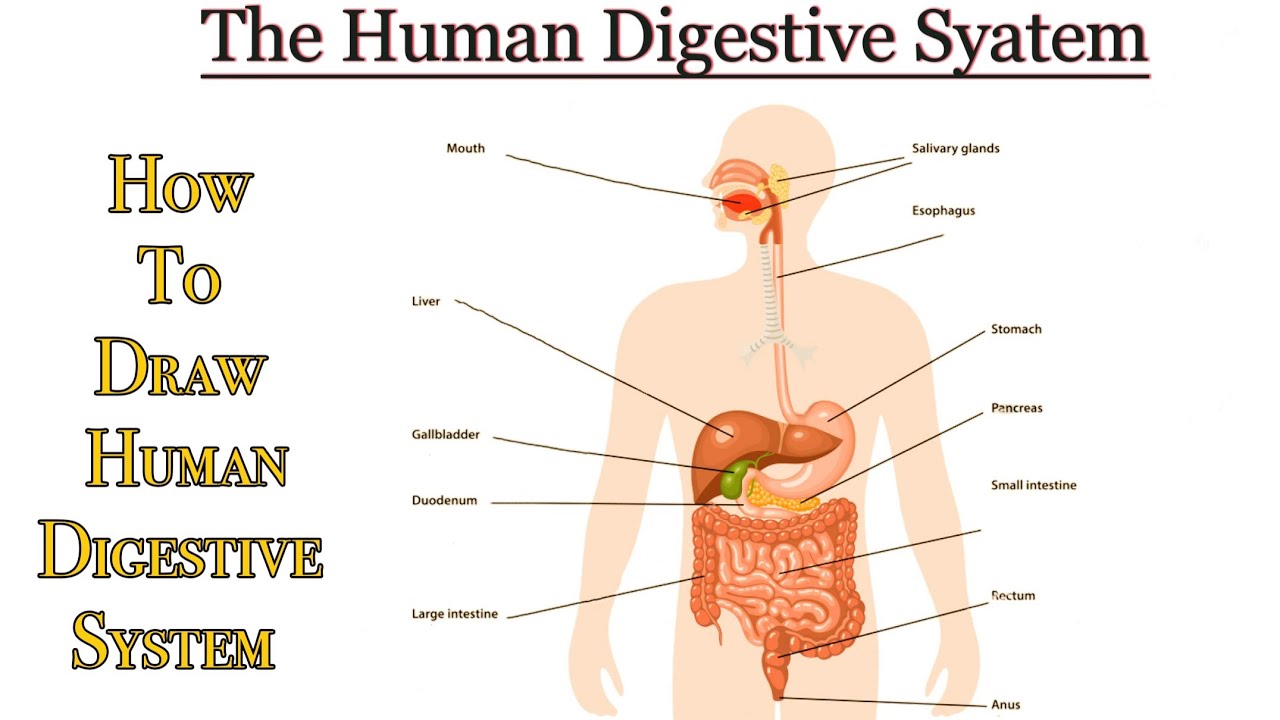
Fat malabsorption can arise from a number of underlying conditions. The digestive system relies on several organs working in harmony to digest and absorb fats:
- Pancreatic Insufficiency: A failure of the pancreas to secrete adequate digestive enzymes, particularly lipase, impedes the breakdown of fats to absorbable molecules.
- Liver and Biliary Disorders: Diseases affecting the liver or bile ducts can interfere with bile production or delivery. Since bile salts are essential for emulsifying fats, their deficiency leads to poor fat absorption.
- Small Intestine Conditions: Inflammatory bowel diseases, celiac disease, or infections that damage the lining of the small intestine reduce the surface area available for absorption.
- Surgical Interventions: Certain bariatric surgeries or resections of parts of the small intestine may alter the normal digestive process, resulting in malabsorption.
Due to the complexity of the digestive process, a disruption in one or more of these systems can manifest as fat malabsorption with a spectrum of symptoms ranging from gastrointestinal to systemic.
Interrelationship with Other Nutrient Absorptions
While the primary focus in fat malabsorption is the impaired digestion of lipids, this condition often affects the absorption of other key nutrients. For instance:
- Impact on Fat-Soluble Vitamins: Without effective fat breakdown, vitamins A, D, E, and K cannot be adequately absorbed, leading to deficiencies that have far-reaching effects on vision, bone health, nerve function, and the blood clotting cascade.
- Electrolyte Imbalances: Chronic diarrhea and malabsorption can disturb the balance of electrolytes, contributing to symptoms like muscle cramps and arrhythmia in severe cases.
- Overall Nutritional Status: Alongside insufficient vitamin intake, malabsorption can result in critical energy deficits despite normal caloric intake, as fats represent a dense energy source.
These interrelationships illustrate the need for a holistic approach when evaluating and managing symptoms of fat malabsorption, considering both direct gastrointestinal symptoms and far-reaching systemic impacts.
Diagnosis and Management Overview
Diagnostic Approach
Clinical Evaluation
Diagnosing fat malabsorption begins with a comprehensive clinical history that examines dietary habits, gastrointestinal symptoms, and any history of underlying conditions such as pancreatic disorders or celiac disease. Physical examinations are crucial in identifying signs of nutritional deficiencies, including:
- Inspection of stool characteristics.
- Checking for abdominal tenderness or distension.
- Documenting any systemic signs such as weight loss or skin changes.
Following the clinical evaluation, healthcare providers often order tests such as stool fat quantification, imaging studies, or blood tests assessing vitamin levels to confirm the diagnosis.
Management and Treatment Strategies
Once diagnosed, treatment typically focuses on addressing the underlying cause along with supportive nutritional therapy. Common management strategies include:
- Dietary Modifications: A diet low in long-chain fatty acids or supplemented with medium-chain triglycerides may be recommended, as these fats are more readily absorbed without requiring complex digestion.
- Enzyme Replacement Therapy: In cases of pancreatic insufficiency, patients might benefit from pancreatic enzyme supplementation to improve fat digestion.
- Vitamin Supplementation: To prevent or correct deficiencies, healthcare providers commonly prescribe fat-soluble vitamin supplements along with other nutrients as needed.
- Treating Underlying Conditions: Management of conditions such as celiac disease, inflammatory bowel disease, or biliary obstructions is essential in rectifying the malabsorption and preventing recurrence.
A multidisciplinary approach often ensures that patients receive comprehensive care aimed not just at symptom relief but also at addressing the root cause of the malabsorption.
Long-Term Considerations and Lifestyle Impacts
Monitoring Health Over Time
Nutritional Monitoring
For individuals with chronic fat malabsorption, regular monitoring of nutritional status is critical. Periodic testing for vitamin levels, bone density evaluations, and assessments of body weight help ensure early detection of any further deficiencies or complications.
A customized nutritional plan may be developed to adapt to a patient’s specific needs. In some cases, patients might need regular consultations with a nutritionist to adjust their dietary patterns to optimize fat digestion and overall health.
Quality of Life Considerations
The symptoms associated with fat malabsorption can significantly impact a person’s quality of life. The chronic gastrointestinal discomfort, embarrassment from abnormal stool appearances, and the mental health effects of unintentional weight loss or other physical changes collectively create challenges that extend beyond physical health.
Behavioral and psychological support through counseling or support groups can be immensely beneficial. Learning to manage the symptoms, understanding dietary triggers, and effectively communicating with caregivers are important strategies that help patients cope with the condition.
Integrated Management and Future Outlook
The Role of Interdisciplinary Care
Coordinated Healthcare Team
Fat malabsorption often affects individuals in multifaceted ways, necessitating an approach that brings together gastroenterologists, nutritionists, primary care physicians, and, in certain cases, psychologists. The coordination of care among these professionals ensures that all aspects of the patient’s health—from symptom management to nutritional recovery—are addressed.
An interdisciplinary care team can monitor progress over time, adjust treatments based on changes in the patient’s condition, and provide a comprehensive support system that encourages both physical and psychological well-being.
Advances in Diagnosis and Treatment
Ongoing research continually improves the understanding of fat malabsorption and its associated disorders. Advances in imaging, novel testing methodologies, and a better grasp of genetic predispositions continue to refine diagnostic accuracy and treatment outcomes.
These advancements pave the way for more individualized treatment regimens that can effectively address the diverse causes of malabsorption, enhance absorption efficiency, and ultimately improve overall quality of life for affected individuals.
Conclusion
In summary, fat malabsorption is an intricate condition marked by a constellation of symptoms chiefly characterized by steatorrhea, chronic diarrhea, and gastrointestinal discomfort. Alongside these primary signs, the condition often precipitates significant nutritional deficiencies, unintentional weight loss, and systemic complications that impact overall health. Through a detailed understanding of these symptoms—from the physical examination of stool characteristics to the underlying causes stemming from pancreatic, biliary, or small intestinal dysfunction—practitioners can diagnose and manage the condition more effectively.
From dietary modifications and enzyme replacement therapies to targeted vitamin supplementation and interdisciplinary care, the management of fat malabsorption demands a well-rounded and proactive approach. Regular nutritional monitoring and an awareness of the long-term implications on quality of life are essential components in the ongoing care and recovery of affected individuals. With advancements in medical research and diagnostic technologies, there is hope for more refined and personalized treatments that not only alleviate the immediate symptoms but also enhance overall health outcomes.
References
- What Is Fat Malabsorption? - iCliniq
-
Malabsorption (Syndrome): Symptoms, Causes & Treatment - Cleveland Clinic
- Malabsorption Syndromes - NCBI Bookshelf
- Malabsorption Syndrome: Causes, Symptoms, and Risk Factors - Healthline
- Overview of Malabsorption - Merck Manuals
Recommended Further Queries
Last updated February 26, 2025