
Automatic Transmission Line Fault Detection and Locating System
Enhancing power grid reliability through real-time sensor data and machine learning
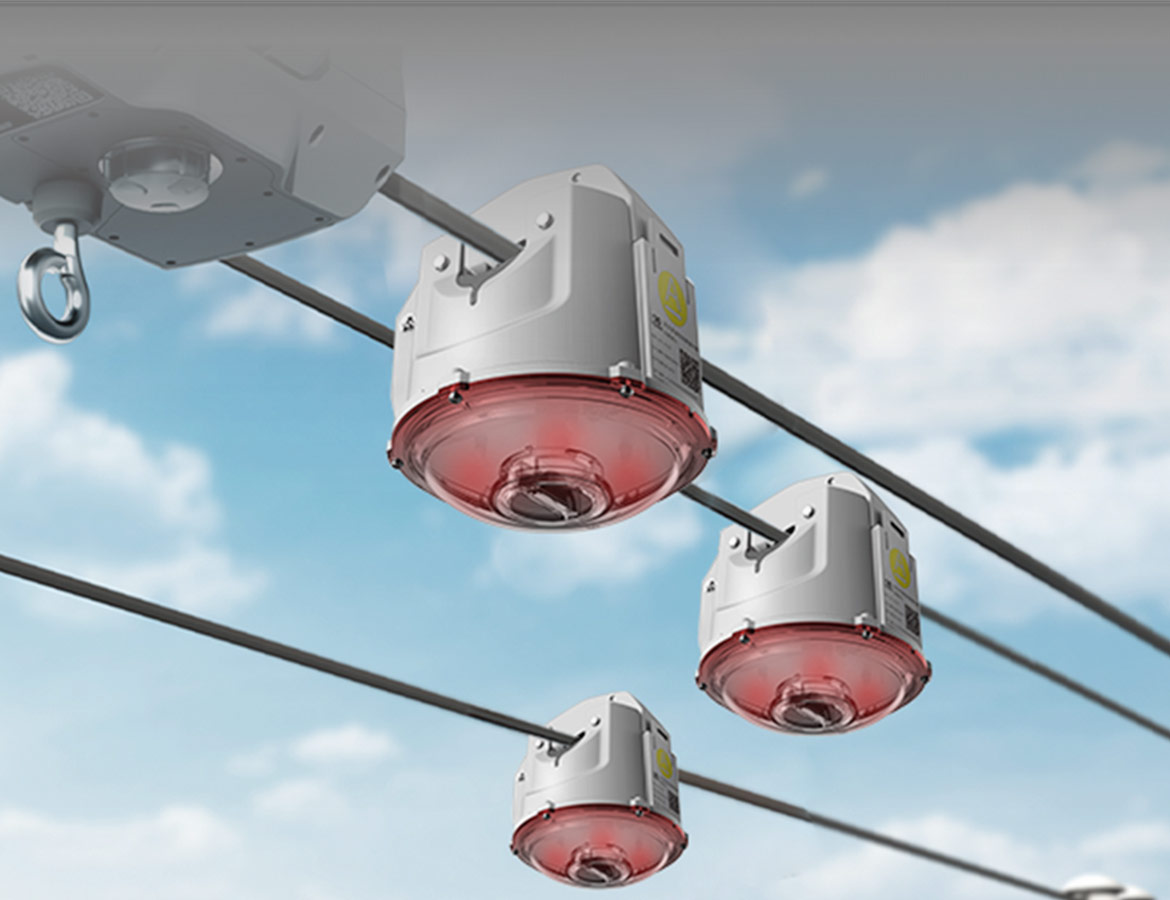
Key Highlights
- Real-Time Monitoring: Utilizes advanced sensors to continuously gather electrical parameters, ensuring prompt fault detection.
- Machine Learning Integration: Implements sophisticated machine learning models to classify and locate faults with high accuracy.
- Operational Efficiency: Significantly reduces downtime and maintenance costs by automating fault isolation and location processes.
Introduction
In today’s increasingly complex power transmission networks, ensuring the reliability and efficiency of electrical grids is paramount. The development of an Automatic Transmission Line Fault Detection and Locating System offers a state-of-the-art solution to enhance grid performance by integrating real-time sensor data with advanced machine learning algorithms. This project focuses on detecting faults—such as short circuits, open circuits, and ground faults—and accurately localizing them along the transmission lines. By automating these critical functions, the system reduces dependency on manual inspections and speeds up the response to abnormalities, ultimately securing the integrity of the power transmission network.
System Components and Technologies
Sensors and Data Collection
The reliability of this fault detection system is largely attributed to the high-quality, real-time data provided by various sensors installed along the transmission lines. These sensors are strategically positioned to monitor several key electrical parameters and environmental conditions that indicate the occurrence of faults. The primary sensors include:
Electrical Parameter Sensors
These sensors measure critical variables such as voltage and current fluctuations in the power lines. Using devices like current transformers and voltage transformers, deviations from expected values are quickly identified. This immediate detection of anomalies—such as voltage drops or abnormal current surges—allows the system to flag potential faults.
Environmental and Auxiliary Sensors
Environmental parameters can contribute to or indicate faults. Sensors measuring temperature, vibrations, and even fire or sound levels help detect situations that could lead to electrical faults or signify the presence of damage. The integration of these sensors offers a holistic view of the transmission line’s operational environment.
These sensor arrays work continuously, relaying data via communication protocols that ensure real-time monitoring through wired or wireless networks. This seamless transmission of data is essential for the quick detection and diagnosis of potential issues.
Machine Learning Algorithms
At the core of the automatic fault detection and localization system is the integration of machine learning (ML) algorithms. These advanced computing techniques analyze vast amounts of sensor-collected data to discern patterns and anomalies that indicate specific fault types.
Fault Detection and Classification
The ML algorithms are trained on historical data that contain examples of normal operating conditions as well as various fault scenarios, including short circuits, open circuits, and ground faults. Learning methods such as neural networks, support vector machines, and extreme learning machines are utilized to ensure high accuracy in detecting and classifying the type of fault.
These algorithms employ feature extraction techniques to differentiate between normal fluctuations and genuine fault-induced anomalies. Once an anomaly is detected, the system classifies it based on pre-trained templates. This classification process is crucial in determining subsequent actions like localized isolation or alerting on-site maintenance teams.
Precise Fault Localization
Detecting a fault is only half the battle; accurately locating it is critical to minimize repair times and reduce the overall impact on the network. The system leverages GPS data, IoT integration, and signal processing methods to pinpoint the exact position of the fault on the transmission line. Techniques such as impedance-based analysis are also incorporated, where voltage and current data are used to calculate the fault’s distance from known points.
The combined use of these methods can offer near real-time fault localization, significantly reducing the period during which a fault can disrupt the power supply. This efficient localization process is vital in systems where even brief interruptions can lead to substantial economic losses.
Communication and Data Processing
Reliable communication is essential for the successful operation of fault detection systems. Communication modules, such as GSM and Wi-Fi devices, enable the fast and secure transmission of data from the sensors to centralized processing units.
Data Acquisition and Transmission
Data acquisition platforms, often built on microcontrollers like Arduino, serve as the intermediary between the sensors and the central monitoring system. They ensure that the readings are digitized, time-stamped, and transmitted over secure networks.
This continuous stream of data is then processed by algorithms requiring high computational efficiency and robust error-checking capabilities. The integration of these technologies not only supports the immediate detection of faults but also contributes to a comprehensive long-term strategy for maintaining grid stability.
Automation and Operational Efficiency
One of the most transformative aspects of this project is the automation of fault detection and localization. By reducing the reliance on manual inspections, the system facilitates rapid fault identification, isolation, and ultimately repair. Automated systems enhance safety by limiting human exposure to hazardous conditions and reducing the likelihood of diagnostic errors.
Automation in power transmission has profound benefits:
- Significantly shortens outage durations and operational downtimes.
- Reduces maintenance costs associated with frequent manual inspections.
- Improves the overall efficiency and reliability of the power grid, leading to fewer large-scale outages.
System Architecture and Implementation
Architecture Overview
The system is built on a multi-tiered architecture that seamlessly integrates sensor data collection, machine learning analysis, and communication modules into a coherent network. An overview of the system architecture is presented below:
| Component | Description | Key Technologies |
|---|---|---|
| Sensor Network | Collects real-time data on electrical and environmental parameters from transmission lines. | Voltage/Current Sensors, Environmental Sensors |
| Data Acquisition Unit | Aggregates sensor data, digitizes signals, and transmits them to central processing systems. | Microcontrollers (e.g., Arduino), Data Loggers |
| Machine Learning Module | Processes and analyzes data to detect and classify faults, then performs fault localization. | Neural Networks, SVM, LSTM |
| Communication Network | Facilitates real-time data exchange between field devices and control centers. | GSM, Wi-Fi, IoT Platforms |
| Control and Monitoring Dashboard | Interfaces for engineers providing alerts, diagnostics, and historical data analytics. | Web-based UI, Mobile Apps |
Implementation Considerations
When implementing such a system within the power grid infrastructure, several factors must be carefully evaluated:
Integration into Existing Infrastructure
The system is designed to be adaptable and scalable, integrating smoothly with existing power transmission systems. It must interface with legacy hardware while ensuring compatibility with modern communication protocols and data standards.
Scalability and Flexibility
Scalability is critical given the vast and varied nature of power transmission networks. The system is tailored to function effectively in both urban environments with high-density grids and rural regions with expansive transmission lines. Flexibility in deployment ensures that as sensor technology evolves, the system can be upgraded without significant overhauls.
Cybersecurity and Data Integrity
Ensuring secure data transmission and storage is essential. With a significant portion of the system relying on networked sensors and cloud-based platforms, robust cybersecurity measures must be in place to prevent unauthorized access, data tampering, or cyberattacks that could compromise grid stability.
Benefits and Future Outlook
Immediate and Long-Term Benefits
The automation of fault detection and localization in transmission lines opens up considerable benefits:
- Reduced Downtime: Quick identification and accurate fault localization drastically reduce the time required for system repairs, minimizing interruptions in power supply.
- Cost Savings: The reduction in manual inspections directly translates into lower maintenance costs, while efficient fault management minimizes the economic impact of outages.
- Enhanced Safety: Minimizing human involvement in high-risk inspections leads to safer operational environments and improved worker safety.
- Predictive Maintenance: The data collected enables trend analysis and the potential for predictive maintenance, where emerging faults are anticipated and rectified before causing major disruptions.
- Grid Reliability: Continuous monitoring enhances the overall resilience of the power transmission system, ensuring that faults are managed swiftly and efficiently.
Future Directions and Enhancements
Looking ahead, further enhancements are anticipated in the domain of power transmission fault management:
Integration with Smart Grid Technologies
The introduction of smart grid functionalities, such as automated demand response and distributed energy resource management, will provide deeper integration. Automatic fault detection systems can work synergistically with these technologies, ensuring that power systems evolve dynamically and maintain high reliability.
Enhanced Machine Learning Models
Future iterations of the system will likely see the integration of more advanced machine learning techniques. For instance, models that can leverage large-scale streaming data and adapt in real-time to changing operational conditions are set to further enhance the accuracy of fault detection and localization.
Drone-Based and IoT Enhancements
Emerging technologies such as drone-based inspections and broader Internet of Things (IoT) integrations are poised to transform maintenance protocols. Drones can perform rapid visual assessments in tandem with sensor data to provide an additional layer of fault verification and situational analysis.
Detailed Analysis and Technical Insights
Real-Time Data Processing and Decision Making
The proactive approach adopted by this system relies on the rapid processing of real-time sensor data. As new data streams in from the sensor network, the system employs data normalization, filtering, and noise reduction to ensure that the machine learning algorithms operate with clean, high-quality inputs. These preparatory steps are crucial for minimizing false positives and ensuring that detected anomalies are indeed indicative of genuine faults.
Using high-performance computing techniques, the system can handle large volumes of data concurrently. This not only allows for immediate fault detection but also ensures that historical trends are recorded for analysis over longer periods. Such data assists in optimizing grid management and improving the overall reliability of the transmission system.
Integration Challenges and Solutions
Integrating an advanced automatic fault detection system into an existing power grid does come with a set of challenges. One major challenge is ensuring compatibility with legacy systems that may not have been designed for real-time data exchange or machine learning applications. To address this, adaptive interfaces and middleware solutions are implemented, enabling smooth communication between old and new systems.
Additionally, ensuring cybersecurity is an ongoing priority. Data encryption, secure communication protocols, and regular software updates are essential measures that protect the system from potential cyber threats. Solving these integration challenges ensures that the fault detection system can be widely adopted across various transmission network configurations without disruption.
Economic and Operational Impact
The implementation of an automated detection and localization system brings significant economic benefits. Rapid fault detection minimizes power outages and reduces the associated economic losses due to downtime. Furthermore, the reduction in manual labor not only cuts costs but also mitigates the risks posed to personnel working under hazardous conditions. From an operational standpoint, the system paves the way for a more reliable and resilient power transmission network, aligning with regulatory requirements and the increasing demand for energy reliability.
Conclusion and Final Thoughts
The Automatic Transmission Line Fault Detection and Locating System represents a significant advancement in power grid management. By combining real-time sensor networks with advanced machine learning algorithms, this system is capable of detecting a range of electrical faults—whether they are short circuits, open circuits, or ground faults—with impressive accuracy and efficiency. Moreover, the innovative integration of fault localization techniques ensures that repairs can be executed rapidly, thereby minimizing the downtime and economic impact associated with power outages.
Beyond immediate detection and localization, the system facilitates a shift towards predictive maintenance and smarter grid management. Its design is robust, scalable, and adaptable, rendering it suitable for diverse transmission network configurations across both urban and rural settings. As power grids evolve with the integration of smart technologies, this system is poised to play a pivotal role in the overall transformation of energy infrastructure. In conclusion, the adoption of advanced fault detection technology is not merely an operational improvement—it is a strategic investment in ensuring the future stability and efficiency of power transmission networks.
References
- Robust fault detection and classification in power transmission lines - Nature
- Fault Classification and Precise Fault Location Detection in 400 kV - MDPI
- Fault Detection, Classification and Localization Along the Power - Springer
- Automate Transmission Line Inspections - Optelos
-
Fault detection advancements in power transmission - ScienceDirect
Recommended
Last updated February 20, 2025