
Assessing the Likelihood of Another FCC Broadcast Incentive Auction
A Comprehensive Analysis of Current Trends and Future Prospects
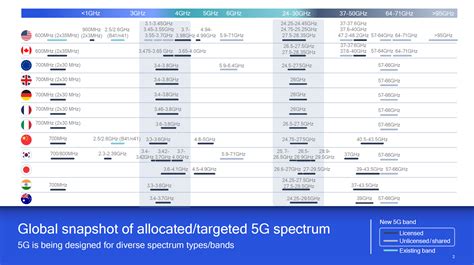
Key Takeaways
- Growing Demand for Spectrum: The expansion of 5G and emerging technologies continues to drive the need for additional spectrum resources.
- Legislative and Industry Dynamics: Successful precedent and active industry discussions support the potential for a new auction.
- Regulatory and Practical Challenges: Complex regulatory requirements and broadcaster participation remain significant hurdles.
Introduction
The Federal Communications Commission (FCC) plays a pivotal role in managing the United States' radio spectrum, balancing the needs of broadcasters, wireless providers, and the public. The concept of a broadcast incentive auction has been a critical tool in reallocating spectrum to meet evolving technological demands. As of January 19, 2025, stakeholders are keenly interested in understanding the likelihood of another such auction. This comprehensive analysis synthesizes current trends, historical precedents, and future projections to provide an in-depth answer to this pertinent question.
Understanding FCC Broadcast Incentive Auctions
What is a Broadcast Incentive Auction?
A broadcast incentive auction is a market-based mechanism introduced by the FCC to repurpose broadcast television spectrum primarily for wireless broadband services. The process typically involves two phases: a reverse auction where broadcasters can voluntarily relinquish their spectrum rights in exchange for compensation, and a forward auction where wireless providers bid for the newly available spectrum. The primary objective is to optimize spectrum utilization, addressing the growing demand for wireless services.
Historical Context: The 2016-2017 Incentive Auction
The inaugural FCC broadcast incentive auction, conducted between 2016 and 2017, marked a significant milestone in spectrum management. This auction successfully repurposed 84 megahertz (MHz) of broadcast spectrum, particularly the 600 MHz band, raising approximately $19.8 billion in revenue. The repurposed spectrum facilitated the expansion of wireless broadband services, including the deployment of 5G networks, thereby enhancing national connectivity.
Outcomes and Implications
The success of the 2016-2017 auction demonstrated the viability of incentive auctions as an effective tool for spectrum reallocation. It not only provided substantial financial gains but also met the increasing demand for high-speed wireless services. Additionally, the auction process underscored the importance of collaborative efforts between the FCC, broadcasters, and wireless providers to achieve mutually beneficial outcomes.
Current Indicators Favoring a New Auction
Growing Demand for Spectrum
The proliferation of wireless technologies, particularly the ongoing rollout of 5G, has significantly amplified the demand for spectrum resources. As more devices become interconnected and data consumption surges, the pressure on existing spectrum bands intensifies. This escalating demand creates a compelling case for the FCC to consider another incentive auction to secure adequate spectrum for current and future technologies.
Legislative and Regulatory Support
Support from both legislative bodies and regulatory frameworks is crucial for the initiation of a new incentive auction. Recent discussions within Congress have highlighted the necessity of efficient spectrum utilization to sustain technological advancements. Additionally, industry stakeholders, including broadcasters and wireless providers, have expressed a willingness to participate in such auctions, provided that regulatory conditions are favorable and the auction process is transparent and equitable.
Technological Advancements
Advancements in broadcast and wireless technologies, such as the adoption of ATSC 3.0 standards and the expansion of 5G networks, have enhanced spectrum efficiency and utilization. These technological improvements not only optimize the existing spectrum but also provide the FCC with the confidence that a reallocation through an incentive auction would lead to significant gains in wireless capacity and performance.
Precedent of Successful Auctions
The success of the 2016-2017 incentive auction sets a strong precedent for future auctions. The ability to generate substantial revenue while achieving spectrum reallocation objectives demonstrates the FCC's capacity to manage complex auctions effectively. This history of success encourages the consideration of subsequent auctions to address ongoing and emerging spectrum needs.
Industry and Market Dynamics
The telecommunications industry continues to evolve, with wireless providers pushing for more spectrum to support expansive network infrastructures. Market conditions, including the competitive landscape and the financial capacity of wireless providers, influence the feasibility and attractiveness of conducting another incentive auction. Positive market conditions, characterized by robust demand and competitive bidding, can facilitate the success of a new auction.
Challenges and Considerations
Broadcaster Participation
The success of an incentive auction hinges significantly on the willingness of broadcasters to relinquish their spectrum rights. Broadcasters may have concerns regarding the continuity of over-the-air services for viewers and the financial implications of participating in such auctions. Ensuring adequate compensation and addressing broadcaster apprehensions are essential for securing substantial participation rates.
Regulatory and Legislative Hurdles
Any new incentive auction would require careful navigation of regulatory frameworks and possibly new legislative authorizations. The complexity of spectrum allocation regulations and the need for congressional approval can pose significant delays and obstacles. Streamlining regulatory processes and securing necessary legislative support are critical for the timely execution of a new auction.
Economic and Market Conditions
The broader economic environment influences the feasibility of conducting an incentive auction. Economic downturns or financial instability can affect the financial capacity of wireless providers to bid aggressively, potentially diminishing the auction's success. Conversely, a robust economy can enhance participation and revenue generation.
Technical and Logistical Challenges
Conducting a large-scale incentive auction involves complex technical and logistical planning. Ensuring that the transition of spectrum from broadcasters to wireless providers is smooth requires meticulous coordination, especially regarding the utilization of the newly allocated spectrum. Addressing technical challenges promptly is vital for maintaining the integrity and efficiency of the auction process.
Public Interest and Service Obligations
The FCC must balance spectrum reallocation with public interest considerations, particularly the provision of free over-the-air television services. Reducing broadcast spectrum availability could impact millions of Americans who rely on free TV services. Ensuring that public service obligations are met is essential for maintaining public trust and regulatory compliance.
Future Prospects and Projections
Strategic Spectrum Management
As the demand for wireless connectivity continues to grow, strategic spectrum management becomes increasingly critical. The FCC's ability to adapt and effectively manage spectrum resources will determine the success of future incentive auctions. Proactive planning and stakeholder engagement are essential components of a successful spectrum management strategy.
Potential for Mid-Band Spectrum Reallocation
Mid-band spectrum, such as the 3.98-4.2 GHz C-band, presents a significant opportunity for reallocation due to its favorable balance between coverage and capacity for 5G deployment. The exploration of mid-band spectrum for commercial use could be a focal point for future incentive auctions, provided that broadcasters are willing to participate and regulatory conditions are conducive.
Technological Innovations and Their Impact
Emerging technologies, including advanced wireless communication standards and spectrum-sharing innovations, can enhance spectrum efficiency. These advancements may influence the FCC's decision-making process by providing new avenues for optimizing spectrum utilization without necessitating large-scale reallocations.
Collaborative Efforts and Stakeholder Engagement
Effective collaboration between the FCC, broadcasters, wireless providers, and other stakeholders is paramount for the successful execution of an incentive auction. Engaging stakeholders early in the planning process can help address concerns, align objectives, and foster a cooperative environment conducive to achieving mutually beneficial outcomes.
Conclusion
The likelihood of another FCC broadcast incentive auction as of January 19, 2025, is influenced by a confluence of factors. On one hand, the growing demand for wireless spectrum driven by technological advancements like 5G, coupled with the successful precedent of the 2016-2017 auction, suggests a moderate to high probability of a new auction. Legislative and industry support further bolster this outlook, indicating a readiness to address spectrum needs through market-based mechanisms.
Conversely, significant challenges remain. Broadcaster participation, regulatory complexities, and the need to balance public interest considerations pose substantial obstacles. The intricate process of spectrum reallocation, as demonstrated by the historical auction, underscores the necessity for meticulous planning and stakeholder collaboration.
In summary, while the prospects for another FCC broadcast incentive auction appear promising given current trends and demand dynamics, the realization of such an auction will depend on overcoming regulatory and practical challenges. Continued dialogue among stakeholders, strategic policy planning, and adaptive regulatory frameworks will be essential in determining whether a new incentive auction will materialize to meet the nation's evolving spectrum needs.
References
- Incentive Auction 2.0: Here We Go Again | TV Tech - TVTechnology
- Broadcast Incentive Auction and Post-Auction Transition - FCC
- TV Broadcast Incentive Auction: Results and Repacking - CRS Reports
- Client Alert: Navigating the 2025 Regulatory Landscape
- Federal Communications Commission FY 2025 Budget-In-Brief
- FCC Announces Results of World's First Broadcast Incentive Auction
- Incentive Auctions - FCC
Last updated January 19, 2025