
The Prospects of a New FCC Incentive Auction for the Television Broadcast Band
Analyzing the Future of Spectrum Allocation and its Implications
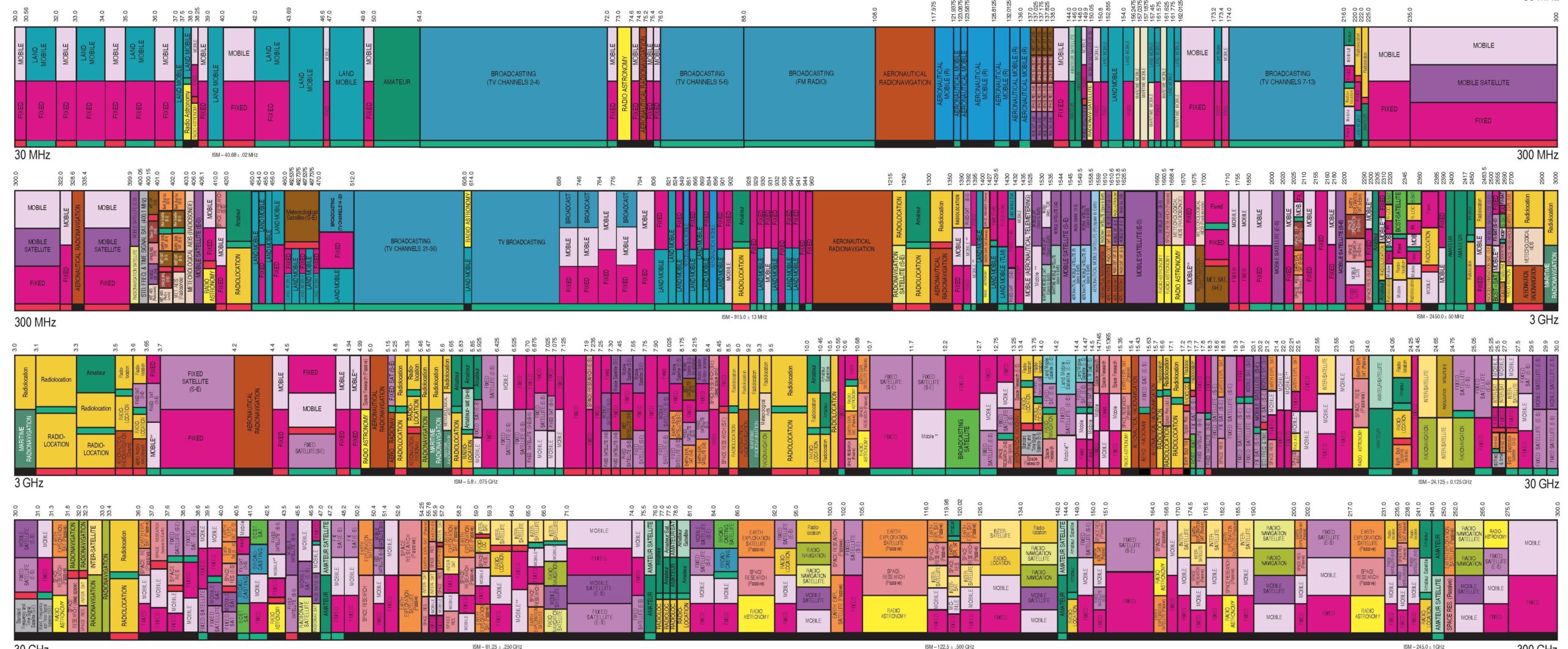
Key Takeaways
- Demand for Spectrum Growth: Increasing needs for wireless broadband, including 5G and future technologies, drive the interest in repurposing TV broadcast spectrum.
- Legal and Logistical Hurdles: Conducting another incentive auction requires congressional authorization and addresses significant logistical challenges, making it a complex endeavor.
- Stakeholder Resistance: Broadcasters and other stakeholders may resist relinquishing spectrum rights, posing a major barrier to the initiation of a new auction.
Historical Context of FCC Incentive Auctions
The Federal Communications Commission (FCC) conducted its first and only incentive auction for the television broadcast band between 2016 and 2017. This groundbreaking two-sided auction repurposed 84 megahertz of spectrum, generating approximately $19.8 billion in revenue. The process involved a reverse auction where broadcasters voluntarily relinquished their spectrum rights in exchange for substantial compensation. This auction was empowered by the 2012 Spectrum Act, which granted the FCC the authority to repurpose broadcast spectrum for wireless broadband use.
Current Landscape and Demand for Spectrum
Evolving Technological Needs
With the rapid deployment of 5G technology and the planning stages of 6G, the demand for low-band spectrum has intensified. These technologies require extensive bandwidth to support higher data speeds and increased connectivity. Low-band spectrum, particularly the frequencies used for television broadcasts, offer broader coverage and better signal penetration, making them highly valuable for next-generation wireless services.
Expanding Wireless Services
The growth in wireless broadband services, driven by increasing consumer data usage and the proliferation of internet-of-things (IoT) devices, underscores the necessity for more spectrum allocation. As wireless carriers seek to enhance their network capacities and coverage, the repurposing of broadcast spectrum presents a viable solution to meet these expanding needs.
Technological Advancements in Broadcasting
Advancements in broadcasting technologies, such as ATSC 3.0 (NextGen TV), enable more efficient utilization of existing spectrum. This evolution allows broadcasters to transmit higher quality content with greater flexibility, potentially freeing up additional spectrum resources. However, these technological improvements also strengthen broadcasters’ positions to retain their spectrum by demonstrating enhanced value and efficiency.
Legal and Regulatory Considerations
Congressional Authorization
The initial incentive auction was authorized by the 2012 Spectrum Act, granting the FCC the necessary legal framework to repurpose broadcast spectrum. Conducting another incentive auction of similar scale would likely require new congressional authorization. As of January 2025, there has been no significant legislative movement towards authorizing another broad-spectrum repurposing auction, which poses a substantial barrier to its implementation.
FCC’s Authority and Intent
While the FCC retains the authority to conduct such auctions, its decision to initiate another one depends on multiple factors, including market demand, technological needs, and stakeholder consensus. Recent statements from FCC officials suggest that the possibility of a new auction is being considered, reflecting ongoing deliberations within the commission. However, without explicit congressional directives or compelling market-driven necessities, the FCC may exercise caution before proceeding.
Stakeholder Dynamics and Resistance
Broadcasters’ Concerns
Broadcasters have expressed significant reservations about participating in another incentive auction. The repacking process following the initial auction was complex and costly, involving extensive channel reassignments and broadcaster relocations. Many broadcasters are hesitant to undergo a similar transition again, citing the financial burdens and operational disruptions it would entail. Additionally, the success of ATSC 3.0 in optimizing spectrum usage further incentivizes broadcasters to retain their current allocations.
Public Safety and Local Broadcasting
Ensuring that public safety communications and local broadcasting services remain uninterrupted is a critical concern. Any new auction would need to address the potential impact on these essential services, requiring meticulous planning and collaboration with various stakeholders to prevent service disruptions.
Wireless Carriers’ Interests
Wireless carriers stand to benefit significantly from additional spectrum allocations, as it would enhance their network capacities and service offerings. However, coordinating the interests of multiple carriers and balancing them with those of broadcasters and other stakeholders presents a complex challenge for the FCC.
Logistical and Practical Challenges
Repacking and Transition Complexities
The repacking process, which involves reorganizing the remaining television stations into a narrower band of spectrum, is logistically demanding. It requires precise coordination to minimize interference and ensure that all broadcasters can operate effectively within their new channels. The extensive transition period following the initial auction highlighted the significant time and resources required to manage such a process successfully.
International Spectrum Coordination
Spectrum allocation does not exist in isolation; it requires coordination with neighboring countries to prevent cross-border interference. Any new auction would necessitate international collaboration to align spectrum usage policies and ensure harmonious operations across borders, particularly with Canada and Mexico.
Economic Viability and Incentives
For broadcasters to participate willingly in another auction, the financial incentives must be compelling enough to offset the costs and risks associated with repacking. Establishing a robust economic case is essential to garner sufficient participation and ensure the auction’s success.
Potential Benefits and Impacts
Revenue Generation and Spectrum Utilization
A new incentive auction could generate substantial revenue for the U.S. Treasury, similar to the $19.8 billion raised in the 2016 auction. Additionally, repurposing spectrum for wireless broadband would enhance the nation’s digital infrastructure, supporting faster and more reliable wireless services for consumers.
Enhanced Wireless Services and Innovation
Allocating more spectrum to wireless carriers would facilitate the expansion of 5G networks and the development of future technologies like 6G. This could lead to innovations in areas such as autonomous vehicles, smart cities, and advanced telecommunication services, further driving economic growth and technological advancement.
Consumer Benefits and Accessibility
Consumers would benefit from improved wireless services, including higher data speeds, lower latency, and greater coverage. Enhanced wireless infrastructure could also bridge the digital divide, providing more equitable access to high-speed internet across diverse geographic regions.
Conclusion
While the demand for wireless broadband continues to surge, driven by advancements in 5G and the anticipation of 6G technologies, the likelihood of the FCC initiating another incentive auction for the television broadcast band remains uncertain. The process is encumbered by significant legal and logistical challenges, including the need for new congressional authorization and the complexities of repacking and coordinating spectrum usage. Additionally, resistance from broadcasters and other stakeholders poses a substantial barrier to the realization of another large-scale auction.
However, the evolving technological landscape and persistent demand for spectrum resources keep the conversation alive within the FCC and among policymakers. Should there be a shift in legislative support or a transformative change in spectrum utilization needs, the prospects of a new incentive auction could become more favorable. Until such developments occur, the likelihood of another FCC incentive auction for the television broadcast band remains low, albeit not entirely out of the realm of possibility.
References
Last updated January 21, 2025