
Preparing for the FE Industrial Engineering Exam
Comprehensive resources and strategies for successful FE exam preparation
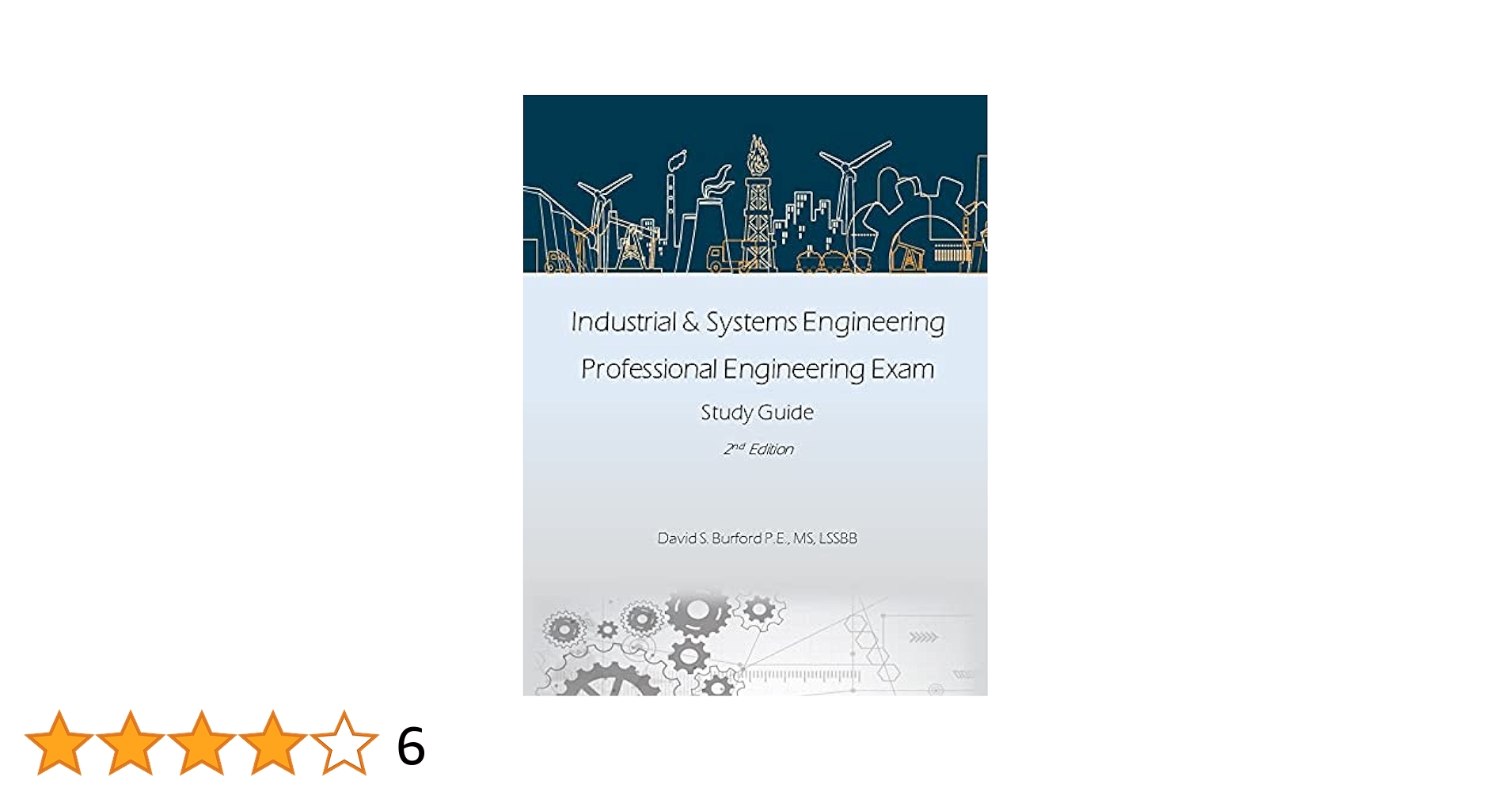
Highlights
- Diverse Study Materials – Comprehensive manuals, online practice exams, and review courses.
- Structured Preparation – Focus on key topics such as mathematics, engineering sciences, and management.
- Practice and Time Management – Using diagnostic tests and scheduled study sessions to master exam conditions.
Overview of the FE Industrial Engineering Exam
The Fundamentals of Engineering (FE) Industrial Engineering exam is a computer-based examination that consists of 110 multiple-choice questions to be completed in a 6-hour time frame. Designed to test a wide range of engineering principles with an industrial focus, the exam assesses both general engineering concepts and specialized industrial engineering topics.
A thorough understanding of the exam structure is essential for effective preparation. Familiarize yourself with the exam format, understand the areas where you are strong, and identify topics that require more attention. The exam allows the use of the NCEES FE Reference Handbook, so it is important to invest time in learning how to navigate this resource during practice sessions.
Key Study Materials and Resources
One of the first steps to successful preparation is selecting the right study materials. This phase involves using both printed and digital resources that are designed specifically for the FE Industrial Engineering exam. Here is an in-depth look at the most recommended resources:
Review Manuals
A dependable review manual is an indispensable asset to your study regimen. One highly acclaimed manual is the FE Review Manual authored by Michael R. Lindeburg, PE. This manual provides comprehensive coverage of the essential topics in industrial engineering, including:
- Fundamental Mathematics (Calculus, Linear Algebra)
- Core Engineering Sciences (Thermodynamics, Fluid Mechanics, Statics, Dynamics)
- Industrial and Systems Engineering topics (Manufacturing processes, quality control, supply chain management)
- Engineering Economics and Project Management
- Ethics and Professional Practice
The content of a good review manual is structured in a way that encourages progressive study—from fundamental topics to more complex concepts—making it easier to build on your knowledge as you progress.
Online Platforms and Interactive Practice Exams
In addition to traditional textbooks, online platforms offer interactive resources. These include:
- Practice Exams: Simulated exams, often provided in interactive formats, allow you to experience the test conditions. Taking these timed practice exams lets you gauge your progress, improve time management, and create strategies to tackle exam questions effectively.
- Flashcards: Platforms that provide flashcards are ideal for memorizing key formulas and concepts. They offer quick, repetitive exposure to important data, making them a valuable tool for reinforcing key topics.
- Diagnostic Tests: A diagnostic exam at the start of your study regimen helps identify your initial strengths and weaknesses. This information can be used to tailor your study plan.
Many educational websites offer free samples of practice problems and full-length exams. This diversity in materials provides an extra layer of preparation, simulating the range of questions you can expect on exam day.
Review Courses and Certification Programs
Several organizations offer full-scale review courses specifically designed for the FE Industrial Engineering exam. These courses are particularly beneficial for individuals who prefer a structured curriculum or require additional guidance. For instance, some well-known organizations provide:
- Self-Study Bundles: Access to comprehensive digital resources and review manuals for 6 to 12 months, allowing for flexibility in scheduling your study sessions.
- Instructor-Led Courses: Such courses often come with a host of digital materials including problem sets, interactive quizzes, and live discussions, which can greatly enhance your understanding of complex problems.
- Team-Based Study Options: Group discussions, study groups, or online forums provide a collaborative learning environment that can help further explain challenging topics through peer discussion.
These preparation programs are typically designed with the exam format in mind and include questions that mirror those found on the actual FE exam. This structured approach not only builds confidence but also helps reduce exam-day anxiety.
In-Depth Study Topics
A successful study plan for the FE Industrial Engineering exam should cover a broad range of topics. The exam questions may focus on both general engineering topics and those specific to industrial engineering. The table below provides a concise breakdown of the subject areas and key concepts you should master:
| Topic Area | Key Concepts |
|---|---|
| Mathematics | Calculus, Linear Algebra, Analytic Geometry, Differential Equations |
| Engineering Sciences | Statics, Dynamics, Thermodynamics, Fluid Mechanics, Materials Science |
| Industrial Engineering | Manufacturing Processes, Supply Chain Management, Quality Control, Ergonomics |
| Engineering Economics | Cost Analyses, Depreciation, Time Value of Money, Project Management |
| Probability and Statistics | Probability Distributions, Estimation, Hypothesis Testing, Statistical Analysis |
| Ethics and Professional Practice | Engineering Ethics, Codes of Conduct, Professional Responsibilities |
Each of these topics is interrelated; for example, a strong foundation in mathematics is critical for addressing problems in engineering sciences and economics. Similarly, knowledge of industrial engineering principles enables you to approach practical problems with a systems-oriented mindset.
Mathematics and Engineering Sciences
The mathematical component of the exam focuses on applying calculus, linear algebra, and differential equations to solve engineering problems. Consider the following study tips:
- Practice Calculations: Use timed tests to improve speed and accuracy in solving equations and integrating functions.
- Review Concepts: Solidify your understanding of fundamental concepts such as matrix operations, eigenvalues, and vector spaces.
- Connect Theory to Practice: Solve scenario-based problems that require an application of mathematical concepts in real-world engineering contexts.
The engineering sciences part of the exam encompasses a broad spectrum of courses including statics, dynamics, and fluid mechanics. Be sure to study theory as well as example problems that illustrate practical challenges encountered in industrial applications.
Industrial Engineering-Specific Topics
Given the specialized nature of the FE Industrial Engineering exam, a significant portion of your study time should be dedicated to topics directly relevant to industrial processes and systems. Key areas include:
- Manufacturing Processes: Understand different production techniques, automation as well as quality control measures.
- Supply Chain Management: Study logistics, operations management, and resource allocation challenges.
- Ergonomics and Safety: Focus on human factors engineering, ergonomics assessments, and workplace safety regulations.
Incorporating case studies and practical examples will help you translate theoretical knowledge into actionable skills that can be applied during the exam.
Engineering Economics and Management
The engineering economics section tests your ability to make cost-benefit analyses and manage projects effectively. Key areas to focus on include:
- Cost Analysis: Techniques for calculating costs, depreciation, and financial feasibility of projects.
- Project Management: Concepts related to scheduling, resource allocation, and risk management.
- Time Value of Money: Understanding present value, future value, and interest calculations through formulas like \( \text{\(PV = \frac{FV}{(1+ r)^n}\)} \).
Approaching problems in this area with real-life scenarios in mind can solidify your understanding of the interdependencies between economics and engineering projects.
Practice Strategies and Exam Day Preparation
Efficient practice strategies are crucial for exam success. A well-rounded preparation plan includes both structured study sessions and simulated exam conditions. Follow these steps to maximize your readiness:
Setting Up a Study Schedule
A realistic study plan that allocates time for each topic, practice session, and review is key to your preparation. Consider these tips:
- Daily or Weekly Sessions: Create a consistent schedule, dedicating focused time slots every day or week to different subject areas.
- Break Down Topics: Divide complex subjects into smaller segments, ensuring better retention and comprehension.
- Time Management: Include practice sessions that simulate the 6-hour exam conditions to improve your ability to manage time during the test.
Structured and consistent study sessions are essential for building both confidence and competence.
Taking Diagnostic and Practice Exams
Before diving deeply into all areas, consider taking a diagnostic exam to identify your baseline strengths and weaknesses. These assessments are invaluable because they:
- Identify Areas for Improvement: Highlight the topics where your understanding may need reinforcement.
- Adapt Your Study Plan: Enable you to allocate more study time to difficult areas.
- Simulate Exam Conditions: Regular practice exams help you familiarize yourself with the exam layout and build endurance for the 6-hour duration.
Make use of online interactive practice exams to experience a variety of problems and build your test-taking skills. Using a mix of paper-based and computer-based practice scenarios can enhance your adaptability and reduce exam-day surprises.
Reviewing the NCEES FE Reference Handbook
Since the NCEES FE Reference Handbook is the only material available during the exam, effective utilization of this document is crucial. Spend time:
- Familiarizing With the Layout: Know exactly where to find formulas, charts, and tables.
- Cross-Referencing: Practice using the handbook alongside solving problems to reduce time spent searching for information during the exam.
- Annotating Key Sections: Consider making notes or personal bookmarks of frequently used formulas to boost accessibility.
Repeated practice with the handbook incorporated into your study sessions can help you leverage it effectively on exam day.
Additional Tips and Long-Term Preparation
In addition to the materials and techniques mentioned, consider the following best practices to improve your overall preparation:
- Join Study Groups: Engage with fellow examinees in study groups where knowledge exchange can provide new insights and mutual support.
- Utilize Multiple Resources: Combining insights from textbooks, online courses, and diagnostic tools creates a richer preparation experience.
- Consistent Review: Regular review sessions, even after mastering a topic, ensure that your understanding remains sharp until the exam day.
- Simulate Real Exam Conditions: Expanding practice sessions to cover the full duration of the exam helps acclimate you to the pressure of a 6-hour test.
- Seek Expert Guidance: If possible, consider enrolling in a review course with expert instructors who can offer tailored feedback and strategies.
By following a disciplined study routine and using a variety of resources, you’ll enhance both your understanding of key industrial engineering topics and your overall test-taking efficiency.
References
- PPI - FE Industrial Exam Resources - PPI
- School of PE - FE Industrial Exam Review - School of PE
- FE Exam Sample Questions - FE101
- PrepFE Free Practice - PrepFE
- MyNCEES Practice Exams - NCEES
Recommended Queries for Deeper Insight

Last updated March 5, 2025