
Unraveling the Human Condition: The Universal Yet Varied Fear of Death
Explore the multifaceted nature of death anxiety, its triggers, and pathways to acceptance.
Key Insights into Death Anxiety
- Widespread Human Experience: Fear of death, or thanatophobia, is a common and natural human response, varying significantly in intensity and manifestation across individuals.
- Multifaceted Origins: This fear stems from existential concerns like the unknown, non-existence, loss of control, the dying process, and concerns about loved ones, often exacerbated by underlying mental health conditions.
- Effective Coping Strategies: While a universal concern, various therapeutic approaches, including Cognitive Behavioral Therapy (CBT), mindfulness, and seeking meaning in life, offer proven ways to manage and reduce death anxiety.
The question, "Are they afraid of death?" delves into a fundamental aspect of the human experience. The answer is a resounding yes, though the nature and intensity of this fear—formally known as death anxiety or thanatophobia—are incredibly diverse. This fear is not merely about the cessation of life but encompasses a complex web of psychological, existential, and social concerns. Understanding death anxiety requires examining its underlying causes, how it manifests, the factors that influence its severity, and the strategies people employ to cope with it.
The Pervasive Presence of Death Anxiety
A Universal Human Experience with Individual Variations
Fear of death is an intrinsic part of the human condition, largely because humans possess a unique awareness of their own mortality. This awareness, coupled with the inherent mystery surrounding death, often gives rise to feelings of unease, dread, or even panic. While almost everyone experiences some degree of death anxiety, its intensity can range from a mild, occasional thought to a debilitating, pervasive phobia that significantly interferes with daily life.
Thanatophobia, when severe, can present with symptoms such as persistent dread, intense distress at the thought of death, avoidance behaviors (e.g., avoiding funerals, medical discussions, or making wills), and physical manifestations like a rapid heartbeat, sweating, trembling, and insomnia. This extreme anxiety can impair mental health, relationships, and overall quality of life.
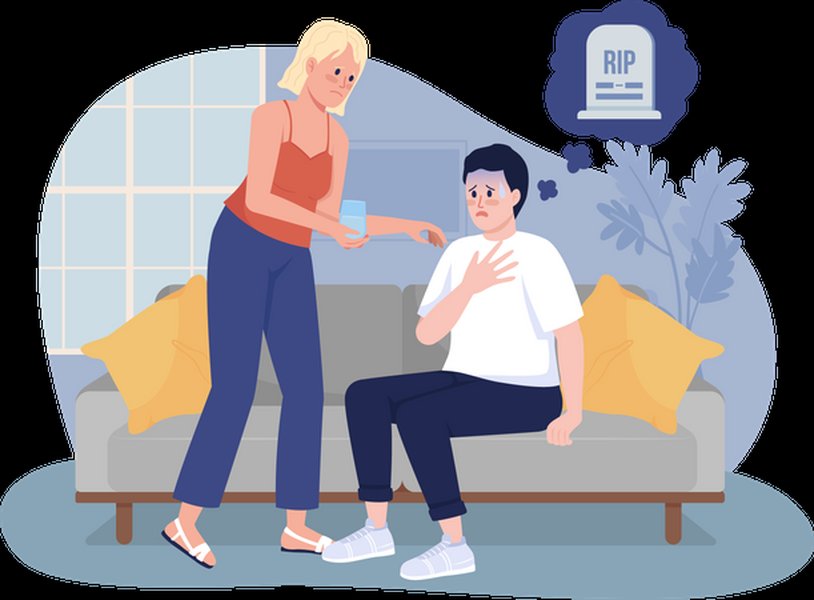
An illustration representing the pervasive feeling of fear, often associated with death anxiety.
Unpacking the Core Reasons Behind the Fear
Existential Quandaries and Practical Concerns
The fear of death is multifaceted, stemming from various psychological and existential anxieties:
- Fear of the Unknown: Death represents the ultimate mystery. The lack of empirical evidence about what lies beyond creates significant uncertainty, which can be a profound source of dread and distress.
- Fear of Non-Existence or Annihilation: Many individuals grapple with the thought of their consciousness ceasing to exist, the annihilation of their personal identity, and the potential erasure of their memory. This existential dread challenges one's sense of self and purpose.
- Fear of the Dying Process: The act of dying itself can be a major concern, driven by worries about physical pain, suffering, loss of physical and mental control, disability, or the prospect of dying alone.
- Fear of Leaving Loved Ones Behind: A common and powerful fear is the concern for those who depend on one's care, such as children or a spouse, or the worry about leaving unfinished business or not leaving a lasting legacy.
- Loss of Control: Death is the ultimate loss of control, which can be deeply unsettling for individuals who value autonomy, order, and predictability in their lives.
- Threat to Meaningfulness of Life: The inevitability of death can challenge the perceived meaning and purpose of one's life, raising questions about whether one's actions and existence truly matter.
- Existential Angst: Rooted in existential psychology, this perspective views the fear of death as inherent to the human condition, as individuals confront their mortality and the transient nature of existence.
- Underlying Mental Health Conditions: Death anxiety can be linked to and even underpin various mental health disorders, including generalized anxiety disorder, panic disorder, health anxiety (hypochondriasis), obsessive-compulsive disorder (OCD), and depressive disorders. In these cases, the fear of death may manifest as a fundamental driver of other anxieties.
Factors Shaping Death Anxiety
Age, Beliefs, and Life Experiences
Several factors can significantly influence the degree to which individuals experience death anxiety:
Age-Related Variations
Interestingly, older individuals often report lower levels of death anxiety compared to younger groups, particularly young adults and those in middle age. This could be attributed to a greater acceptance of mortality, having experienced more of life, or a reduced fear of missing out. Middle-aged adults, conversely, may experience heightened anxiety due to concerns about unfulfilled life goals or arrangements.
The Role of Meaning and Purpose in Life
Research suggests that individuals who have a strong sense of meaning and purpose in their lives tend to experience less death anxiety when confronted with thoughts of mortality. Conversely, a lack of meaning can intensify this fear.
Physical and Mental Well-being
Poor physical and mental health are negatively associated with the fear of death. Individuals with chronic illnesses, those experiencing depression, anxiety, or other mental health conditions, often report higher levels of death anxiety.
Impact of Religious Beliefs and Cultural Values
The relationship between religious belief and death anxiety is complex. While some studies indicate that religious belief can offer comfort through the prospect of an afterlife, for some, particularly those with concerns about eternal punishment, it can paradoxically increase fear. People who are either very religious or not religious at all may experience less death anxiety than those with moderate religious beliefs. Cultural values and rituals surrounding death also play a significant role in how individuals process mortality, influencing the level of anxiety experienced.
Gender Differences
Some studies suggest that women may be more likely than men to experience death anxiety, possibly linked to caregiving roles and protective instincts concerning loved ones.
Personal Experiences and Personality Traits
Direct experience with danger, exposure to death, or significant loss can profoundly shift an individual's perspective on mortality. Personality traits, such as higher levels of humility, have also been associated with less death anxiety, as humble individuals may be more accepting of life's journey.
A mindmap illustrating the various aspects of death anxiety, from its causes and influencing factors to its symptoms and coping mechanisms.
Navigating the Path to Acceptance: Coping and Treatment
Strategies for Managing Thanatophobia
While death anxiety is a common human experience, an excessive or debilitating fear can significantly interfere with daily life. Fortunately, various strategies and treatments are available to help individuals manage and overcome thanatophobia.
Therapeutic Interventions
Professional help is highly effective for severe death anxiety. Cognitive Behavioral Therapy (CBT) is widely recognized as the most evidence-based treatment for reducing death anxiety. CBT helps individuals identify and challenge problematic thought patterns and behaviors related to death. Exposure therapy, a component of CBT, can also be effective in gradually confronting death reminders. Existential psychotherapy can also be beneficial by helping individuals grapple with their mortality and find deeper meaning in their lives.
Mind-Body Practices and Lifestyle Adjustments
Practices such as mindfulness and meditation, including breathing techniques, can help reduce the physical symptoms of anxiety. Engaging in regular physical exercise and maintaining good overall physical health can contribute to overall well-being and aid in managing anxiety. These lifestyle changes provide a foundation for mental resilience.
Embracing Acceptance and Meaning
A crucial step in managing death anxiety is fostering an acceptance of death as a natural and inevitable process. Focusing on gratitude for experiences, living in the present moment, and making the most of one's life can reduce the fear of missing out and promote fulfillment. Developing a strong sense of purpose and meaning in life can make individuals feel too fulfilled to be consumed by the fear of death.
The Power of Open Dialogue and Confrontation
Confronting avoidance behaviors is key. Deliberately exposing oneself to reminders of death, rather than avoiding them, can help individuals learn to cope with anxiety more effectively. Avoidance, while providing temporary relief, ultimately strengthens the fear. Openly discussing fears with trusted individuals, such as friends, family, or support groups, can provide comfort, different perspectives, and a sense of shared experience.
Medication as a Short-Term Aid
In some cases, a healthcare professional may prescribe medication to alleviate acute anxiety and panic symptoms associated with thanatophobia. However, medication is rarely a long-term solution and is often used in conjunction with therapy to address the underlying causes of the fear.
This radar chart illustrates the perceived effectiveness of various strategies for managing death anxiety. Higher scores indicate greater effectiveness in reducing fear and fostering acceptance. The effectiveness is an opinionated analysis based on common therapeutic outcomes and personal growth.
Understanding Thanatophobia Through a Visual Lens
A Deep Dive into the Fear of Dying
To further contextualize the multifaceted nature of death anxiety and the strategies for overcoming it, consider the insights shared in the video below. It delves into how to approach the fear of death, offering practical skills for anxiety and the fear of dying. The discussion highlights various aspects of coping with this fundamental human concern, from psychological approaches to more personal methods of acceptance.
"Facing Fear of Death: 4 Skills for Anxiety and Fear of Death and Dying" by Therapy in a Nutshell. This video offers practical skills to manage death anxiety and fear of dying, providing valuable insights into therapeutic approaches and coping strategies that can help individuals navigate this complex fear.
Key Differences: Thanatophobia vs. Necrophobia
Distinguishing Specific Fears Related to Death
It's important to differentiate between thanatophobia and necrophobia, as they are often conflated but represent distinct fears:
| Aspect | Thanatophobia (Fear of Death) | Necrophobia (Fear of Dead Things) |
|---|---|---|
| Primary Focus | Fear of one's own death or the process of dying, and existential concerns related to non-existence. | Fear of dead or dying people, corpses, funeral-related objects, or places associated with death (e.g., cemeteries, morgues). |
| Nature of Fear | Often rooted in existential anxieties, loss of control, the unknown, and concern for loved ones. | A specific phobia typically triggered by visual or physical encounters with the deceased or symbols of death. |
| Symptoms | Generalized anxiety, panic attacks, dread, avoidance of mortality-related thoughts/conversations. | Intense panic, nausea, dizziness, rapid heart rate, shortness of breath, when confronted with dead bodies or related objects. |
| Underlying Psychology | Tied to human self-awareness, mortality, and the search for meaning. | Often linked to a primal disgust response or learned associations with decay and disease. |
This table highlights that while both relate to death, thanatophobia is a deeper, more existential fear about one's own mortality, whereas necrophobia is a specific phobia of dead things or objects associated with death.
Frequently Asked Questions About Fear of Death
What is thanatophobia?
Is it normal to be afraid of death?
What causes death anxiety?
How can I cope with the fear of death?
Do religious beliefs reduce fear of death?
Conclusion: A Human Endeavor to Understand and Transcend
The fear of death is a deeply ingrained aspect of the human psyche, a testament to our self-awareness and capacity for contemplation. While a natural response to the inevitability of mortality, it can manifest in various degrees of intensity, influencing individual well-being and life choices. Understanding the diverse reasons behind this fear—from existential dread to practical concerns about the dying process and loved ones—is crucial for addressing it effectively. Through a combination of therapeutic interventions, such as CBT and existential psychotherapy, alongside personal practices like mindfulness, meaning-making, and open dialogue, individuals can navigate their death anxiety. Ultimately, the journey often involves moving from a state of fear towards a more accepting and perhaps even enriching perspective on life and its finite nature.
Recommended Further Exploration
- How do psychological theories explain the universal fear of death?
- What is the impact of cultural beliefs and practices on death anxiety?
- What specific mindfulness techniques can help alleviate thanatophobia?
- How does finding existential meaning contribute to death acceptance?
