
Navigating the Maze: Unpacking the House Bill's Overhaul of Federal Retirement Benefits
A deep dive into the significant changes impacting future federal retirees, new hires, and the government's fiscal landscape.
A significant piece of legislation, H.R. 1, dubbed the "One Big Beautiful Bill Act," narrowly passed the House of Representatives on May 22, 2025, by a vote of 215-214. This budget reconciliation package introduces substantial alterations to the federal retirement program, primarily aimed at reducing government spending by an estimated $50 billion over the next decade. These funds are intended to offset tax cuts and increased expenditures in other areas, such as border security. The changes will predominantly affect future federal annuitants and new employees, reshaping the landscape of federal service benefits.
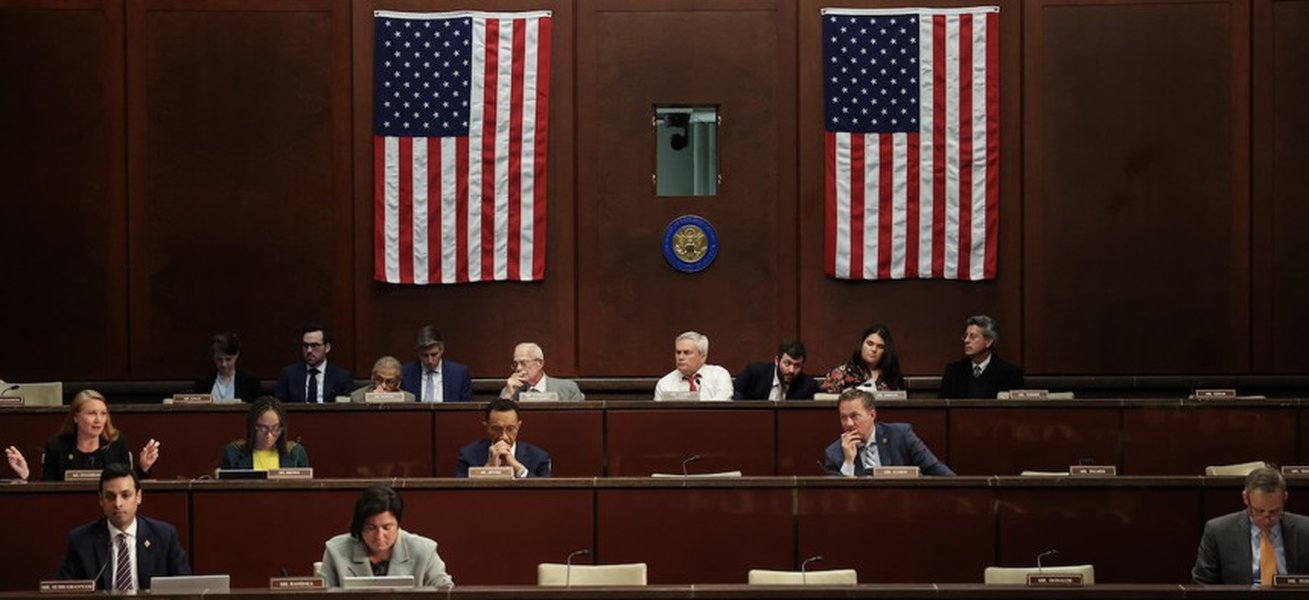
Visual representation of legislative discussions concerning federal budgets and benefits.
Key Highlights of the Federal Retirement Changes
- Delayed Impact on Key Benefits: Major changes, including the elimination of the FERS annuity supplement and the shift to a "High-5" pension calculation, will not take effect until January 1, 2028, offering a transition period.
- New Choices for New Hires: Newly hired federal employees will face a decision between "at-will" employment with lower retirement contributions (4.4%) or retaining civil service protections at the cost of significantly higher contributions (9.4%).
- Targeted Cost-Saving Measures: The bill introduces several other measures, such as a fee for MSPB appeals and audits of the FEHB program, to achieve its fiscal goals, while an initially proposed across-the-board contribution hike for current FERS employees was notably dropped.
Detailed Breakdown of the Approved Changes
The approved House bill, H.R. 1, incorporates several pivotal modifications to the Federal Employees Retirement System (FERS) and related benefits. These changes are projected to generate substantial savings for the federal government but have raised concerns among federal employee unions and advocacy groups about the impact on the workforce.
1. Elimination of the FERS Annuity Supplement
What is Changing?
The bill mandates the elimination of the FERS annuity supplement for most new federal retirees. This supplement is an additional payment designed to bridge the income gap for FERS employees who retire before becoming eligible for Social Security benefits at age 62. It approximates the Social Security benefit earned during their FERS service.
Effective Date and Exemptions
This significant change is deferred and will apply to FERS employees who retire on or after January 1, 2028. Current retirees and those who retire before this date will continue to receive the supplement if eligible. Furthermore, language in the bill clarifies that federal employees may maintain eligibility if they are "entitled" to it prior to 2028. Crucially, individuals subject to mandatory early retirement provisions, such as federal law enforcement officers, firefighters, and air traffic controllers, are exempt from this elimination.
Financial Impact
The Congressional Budget Office (CBO) projects that eliminating this supplement will reduce direct federal spending by approximately $10 billion over the 2025-2034 period. For context, the average annual supplement for affected annuitants was projected to be around $18,000 in fiscal year 2025.
2. Transition from "High-3" to "High-5" Annuity Calculation
What is Changing?
The formula for calculating federal retirement annuities will shift from being based on the average of an employee's highest three consecutive years of salary ("High-3") to the average of their highest five consecutive years of salary ("High-5"). This change generally results in a lower average salary base for the pension calculation.
Effective Date and Scope
This modification will apply to most Civil Service Retirement System (CSRS) and FERS employees who separate for retirement on or after January 1, 2028. The implementation date was pushed back from an earlier proposal of January 1, 2027.
Financial Impact
The CBO estimates this change will reduce an affected retiree's annuity by approximately 3 percent on average. This is projected to reduce direct federal spending by $3.1 billion over the 2025-2034 period.

Federal employees will need to carefully review how these legislative changes affect their long-term retirement planning.
3. New Employment and Contribution Structure for New Hires
Revised Approach to Employee Contributions
A significant proposal to increase FERS contributions to 4.4% across the board for all federal employees, including those hired before 2014 (who currently pay lower rates), was dropped from the final House bill due to considerable opposition. This would have affected about half of FERS employees and was projected to save around $30 billion.
"At-Will" Employment Option for New Federal Employees
Instead, the legislation introduces a new framework for employees hired after the bill's enactment. These new hires must choose between:
- Serving as "at-will" employees: This status comes with fewer civil service job protections (e.g., easier removal). Their FERS contribution rate would remain at the standard 4.4% (for FERS-RAE/FRAE hires).
- Retaining full civil service protections: Employees choosing this option would face a significantly higher retirement contribution, specifically an additional 5% of their salary, bringing their total FERS contribution to 9.4%.
Financial Impact
This new structure for new hires is estimated to result in net savings of $4.541 billion over ten years.
4. Fee for Merit Systems Protection Board (MSPB) Appeals
New Filing Cost
The bill imposes a $350 fee for federal employees who wish to file appeals with the Merit Systems Protection Board (MSPB). The MSPB is an independent, quasi-judicial agency that adjudicates employee appeals of agency disciplinary actions, such as removals, suspensions, or demotions.
Rationale
This measure is intended to discourage and reduce the number of frivolous employee appeals, thereby saving agency resources.
5. Audit of the Federal Employees Health Benefits (FEHB) Program
Increased Scrutiny
The legislation directs the Office of Personnel Management (OPM) to conduct audits of the Federal Employees Health Benefits (FEHB) Program. The primary focus of these audits will be to identify and remove dependents who are no longer eligible for coverage under an employee's or annuitant's plan.
Rationale
This initiative aims to reduce improper payments and ensure the integrity of the FEHB program by removing ineligible enrollees, leading to cost savings.
Visualizing the Shift: Federal Retirement Provisions
The following chart offers a comparative look at several aspects of the federal retirement system before and after the potential implementation of the changes proposed in H.R. 1. This is an opinionated analysis based on the nature of the described changes, not hard data, to illustrate the potential shift in the landscape for federal employees, particularly those newly hired or retiring after 2028.
This chart suggests a potential reduction in the overall generosity and accessibility of certain retirement benefits and protections under the new bill, particularly for those retiring after the specified dates or joining federal service under the new employment structure.
Mapping the Changes: An Overview of H.R. 1's Impact
The mindmap below illustrates the interconnected components of the federal retirement program changes as stipulated in H.R. 1, providing a visual summary of the key provisions and their intended effects.
(H.R. 1 - 'One Big Beautiful Bill Act')"] id1["FERS Annuity Supplement"] id1a["Elimination for most new retirees"] id1b["Effective Jan 1, 2028"] id1c["Exemptions for mandatory early retirement
(e.g., LEOs, ATCs)"] id1d["Projected $10B savings"] id2["Annuity Calculation"] id2a["High-3 to High-5 Average Salary"] id2b["Effective Jan 1, 2028"] id2c["Approx. 3% annuity reduction"] id2d["Projected $3.1B savings"] id3["New Hire Provisions"] id3a["Choice: 'At-Will' vs. Civil Service Protections"] id3b["'At-Will' Status: 4.4% FERS contribution"] id3c["Civil Service Protections: 9.4% FERS contribution
(Standard 4.4% + Additional 5%)"] id3d["Projected $4.541B savings (net)"] id3e["Across-the-board contribution hike
for existing employees: DROPPED"] id4["MSPB Appeal Fee"] id4a["$350 fee to file appeals"] id4b["Aimed to reduce frivolous appeals"] id5["FEHB Program Audit"] id5a["OPM to audit for ineligible dependents"] id5b["Aimed to reduce improper payments"] id6["Legislative Context & Goals"] id6a["Passed House: May 22, 2025 (215-214)"] id6b["Part of Budget Reconciliation Package"] id6c["Goal: Approx. $50B total savings over 10 years"] id6d["To offset tax cuts & other spending"]
This mindmap highlights how various elements of the bill converge to achieve the overall objective of reducing federal retirement expenditures.
Summary of Key Provisions and Impacts
The following table consolidates the major changes to the federal retirement program outlined in the House-passed bill, H.R. 1, along with their effective dates and estimated financial consequences:
| Provision | Description of Change | Effective Date / Applies To | Estimated Financial Impact / Rationale |
|---|---|---|---|
| FERS Annuity Supplement | Elimination of the supplement for FERS employees retiring before Social Security eligibility (age 62). | Retirements on or after Jan 1, 2028. Exempts mandatory early retirees. | ~$10 billion savings over 10 years. Average supplement was ~$18,000 (FY25). |
| Annuity Calculation Basis | Change from "High-3" average salary to "High-5" average salary for pension calculation. | Retirements on or after Jan 1, 2028. | ~$3.1 billion savings over 10 years. Reduces typical annuity by ~3%. |
| New Hire Employment/Contribution | New hires choose: "at-will" status (4.4% FERS contribution) or civil service protections (9.4% FERS contribution). | Applies to employees hired after enactment. | ~$4.541 billion net savings over 10 years. Creates financial disincentive for protections. |
| Across-the-board FERS Contribution Hike | Proposal to increase contributions for all existing FERS employees. | DROPPED from the final House bill. | N/A (original estimate was ~$30B savings). |
| MSPB Appeal Fee | Imposition of a $350 fee to file appeals with the Merit Systems Protection Board. | Upon enactment for new appeals. | Intended to reduce frivolous appeals and associated costs. |
| FEHB Program Audits | OPM required to audit FEHB program for ineligible dependents. | Upon enactment. | Aimed at reducing improper payments and saving program costs. |
Further Insights: Understanding the Debate
The video below offers additional perspectives on the types of changes being discussed for federal employee retirement benefits, helping to contextualize the provisions within H.R. 1. While specific details may vary from the final bill, it provides a general understanding of the legislative environment surrounding these reforms.
This video discusses potential changes to federal employee retirement benefits, offering context to the legislative proposals.
Discussions around these changes often involve debates on fiscal responsibility, the government's commitment to its workforce, and the potential impacts on recruitment and retention of federal talent. Employee advocacy groups have expressed strong opposition, arguing that these cuts unfairly target federal workers and renege on earned benefits.
Frequently Asked Questions (FAQ)
What is the FERS annuity supplement that is being eliminated?
How does changing from a "High-3" to a "High-5" salary calculation affect my pension?
Are current federal retirees affected by these changes?
What does "at-will" employment mean for new federal hires under this bill?
Why were these changes proposed?
Conclusion
The passage of H.R. 1 by the House marks a significant step towards reshaping the federal retirement landscape. The bill introduces a series of cost-cutting measures that will primarily affect federal employees retiring after January 1, 2028, and those newly entering federal service. While proponents argue these changes are necessary for fiscal responsibility, opponents raise concerns about fairness to employees and the potential impact on the federal government's ability to attract and retain a skilled workforce. The delayed effective dates for some major provisions provide a window for current employees to plan, but the long-term implications point towards a federal benefits package that may be less generous than in previous decades. The bill now moves to the Senate, where further debate and potential modifications are anticipated.
Recommended Further Exploration
- Explore the detailed arguments for and against the federal retirement changes in H.R. 1.
- Compare the H.R. 1 retirement changes to previous federal pension reforms throughout history.
- Investigate the expected timeline for Senate consideration of H.R. 1 and its potential enactment.
- Learn how federal employees can best plan for their retirement in light of the proposed changes in H.R. 1.