
Tracing the Money Trail: Fentanyl Precursor Laundering in Canadian Banks
Explore the intricate flow of funds tied to precursor fentanyl and pills through Canadian financial institutions.
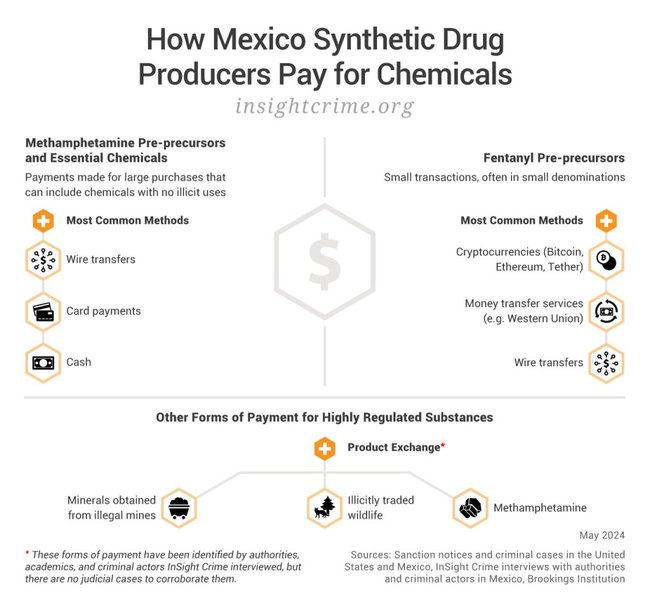
Essential Insights
- Complex Money Laundering Schemes: Funds from precursor fentanyl and pills are funneled through multiple layers of bank transactions, shell companies, and online gambling platforms.
- Multiple Channels and Techniques: Techniques include cash deposits with structured transactions, real estate investments, trade-based money laundering, and the use of intermediaries to disguise illicit activity.
- Regulatory and Detection Challenges: While FINTRAC and other authorities issue alerts and deploy analytical measures, the intricate nature of these transactions makes detection difficult.
Understanding the Financial Flow
Overview of the Process
The path of money associated with precursor fentanyl and pills in Canada is a multi-faceted process involving organized crime, money laundering techniques, and a complex interaction with the banking system. Criminal networks generate substantial revenue from the illicit sale and distribution of synthetic opioids. The bulk of these profits, often received in the form of cash and electronic transfers, must be laundered through various channels in order to integrate into the legitimate financial system and avoid detection by authorities.
The process generally begins with the acquisition of precursor chemicals from international suppliers, commonly from regions such as China and Eastern Europe. Once in Canada, criminal organizations transport these inputs to clandestine production facilities, often dubbed “superlabs,” where precursor chemicals are converted into fentanyl. Following production, illicit cash generated from the sale of fentanyl in various forms—including pills—is introduced into the financial system via bank deposits. However, direct deposits in large quantities attract regulatory scrutiny. To counter this, the criminals use tactics such as structuring deposits into smaller, less conspicuous sums.
Key Steps in the Money Flow
1. Production and Sale of Fentanyl
The process starts with acquiring precursor chemicals from overseas, and converting these chemicals into fentanyl in clandestine labs. The resulting product, often in pill form, is distributed through both local and international networks. The sale of these products yields substantial cash revenue that requires laundering to avoid detection.
2. Collection of Illicit Revenue
Typically, profits are collected in cash. These funds are then accumulated and, to avoid regulatory alarms and the reporting thresholds, transactions are intentionally divided into multiple smaller deposits. Such techniques are known as "structuring" or "smurfing" across several accounts and through designated intermediaries.
3. Use of Banks and Intermediaries
Canadian banks serve as one of the primary conduits for these transactions. The deposits are often funneled through accounts of legally registered businesses, front companies, or even through family-run accounts. In addition, funds may be processed through third-party payment processors that mask their true origins. The operational strategy is to present these funds as legitimate business income or proceeds from casino winnings.
4. Online Gambling Platforms
One of the more innovative laundering channels is the use of online gambling platforms. By transferring illicit proceeds to an online gambling account, criminals can convert their funds into apparently legitimate winnings. The transactions that follow appear as e-transfers or winnings payouts from stable financial entities. This pathway builds a layer of obfuscation that makes it more challenging for banks and regulatory bodies such as FINTRAC to trace the origins of the funds.
5. Advanced Techniques for Further Integration
After initial entry into the banking system, further methods such as real estate investments, trade-based money laundering, and the use of shell companies come into play. High-value real estate purchases allow criminals to integrate the illicit money into tangible assets while simultaneously establishing a veneer of legitimacy. Trade-based methods facilitate the use of genuine commercial transactions to obscure irregularities. Additionally, online platforms enable rapid and international fund transfers, making it easier to mix illicit money with legitimate financial flows.
Detailed Analysis of Laundering Mechanisms
The Role of Financial Institutions
Financial institutions, particularly banks in Canada, are critical decoders of money laundering schemes. They provide data via suspicious transaction reports (STRs) that help agencies identify patterns associated with fentanyl and synthetic opioid trafficking. For instance, FINTRAC has been active in issuing operational alerts and working closely with banks by pushing for more stringent due diligence measures one such platform being online gambling.
Techniques Employed by Criminal Networks
Structuring Transactions
To minimize detection, criminal organizations use a method known as “structuring,” whereby large sums of illicit cash are broken into deposits that fall below mandated reporting thresholds. This method allows funds to be funneled into bank accounts discretely.
Use of Shell Companies
Shell companies serve as fronts that disguise the true origin of funds. By routing transactions through these entities, criminals can create legitimate-looking financial records that make it difficult for auditors and law enforcement to track illicit money.
Bulk Cash Smuggling
In some cases, significant amounts of cash are physically smuggled across borders. Although this direct method is increasingly risky due to tightened border security and coordinated intelligence efforts, it remains a part of the money laundering lifecycle.
Trade-Based Money Laundering
By conducting seemingly legitimate international trade transactions, criminal networks are able to hide the origins of their funds. Mis-invoicing and other trade manipulation methods allow illicit cash flows to seamlessly blend in with the legitimate commerce.
Intermediary Channels and Cross-Border Dynamics
The use of online gambling platforms and e-wallets has increased as criminals seek to integrate and disperse illicit funds rapidly. Moreover, these online systems can obscure the flow of money over international borders, complicating cross-border regulatory efforts. Furthermore, international financial transfers, often accompanied by the use of intermediaries or correspondence banks across multiple jurisdictions, help move money from illicit sources to funds that appear legitimate. In addition, international cooperation with authorities in countries like the United States and European nations is critical in disrupting these networks.
Integration into the Legitimate Economy
Once laundered, the previously illicit funds are invested in activities that contribute to the legitimate economy, such as real estate acquisitions, large-scale business transactions, or luxury asset purchases. This final step is crucial as it allows criminal enterprises to further entrench themselves by accumulating wealth that is difficult to differentiate from legitimately earned income.
Visualizing the Laundering Process
Below is a radar chart that encapsulates an opinionated analysis of the effectiveness and visibility of different laundering techniques used by these criminal organizations. The radar chart provides a multifaceted overview by assigning datasets to various approaches such as structuring, shell companies, online gambling, and trade-based methods.
Banking and Money Laundering Channels: A Comprehensive Table
The table below summarizes the multiple channels and techniques described above. It serves as a comprehensive reference highlighting the stages, methods, and challenges encountered in the money laundering process associated with precursor fentanyl and pills.
| Stage | Method | Description | Challenges |
|---|---|---|---|
| Acquisition | Import of Precursor Chemicals | Procurement of raw chemicals from international suppliers, primarily China, Eastern Europe and India. | International trade regulations and customs inspections. |
| Production | Clandestine Labs | Conversion of precursor chemicals into fentanyl pills and powders in covert facilities. | Risk of law enforcement raids and production traceability. |
| Revenue Collection | Cash Transactions, Structuring | Dividing large cash profits into small deposits to evade detection thresholds. | Mandatory reporting rules and structured transaction monitoring. |
| Laundering | Online Gambling, Shell Companies | Converting cash into seemingly legitimate funds through online betting or using front businesses. | Difficulties in tracing digital transactions and verifying business legitimacy. |
| Integration | Real Estate, Trade-based Methods | Investing in high-value assets and legitimate business transactions. | Ensuring a seamless mix with legitimate funds to avoid detection in audits. |
| International Transfer | Wire Transfers, Third-Party Intermediaries | Moving laundered money across international borders to purchase further precursor chemicals. | Cross-border regulatory challenges and coordinated intelligence. |
Embedded Video Insight
The following video provides a journalistic insight on the complexities of money laundering tactics and the role of Canadian banking institutions in facilitating these illicit transactions. This video complements the detailed overview provided above.
Frequently Asked Questions (FAQ)
What are the main channels for laundering funds derived from fentanyl?
Criminal networks primarily use structuring of cash deposits, online gambling platforms, shell companies, real estate investments, and trade-based laundering. These techniques enable them to obscure the origin of funds by integrating them gradually into the financial system.
How do Canadian banks monitor suspicious transactions?
Banks are required to report suspicious transactions that meet regulatory thresholds. They use advanced monitoring systems and work in tandem with bodies like FINTRAC, which issue operational alerts to flag transactions linked to illicit activities such as opioid trafficking.
What role does online gambling play in money laundering?
Online gambling platforms allow traffickers to convert illicit cash into apparent winnings. The transactions are processed by payment processors that report the funds as wager-related, making it challenging for authorities to differentiate from legitimate gambling activities.
Why is money laundering through Canadian banks particularly challenging to detect?
The challenges stem from the use of multiple layers of transactions, the global nature of the funds' routes, and the integration of illicit money with legitimate financial flows. Advanced techniques like structuring, utilization of shell companies, and online platforms further obfuscate the money trails, complicating oversight efforts.
References
- FINTRAC publishes money laundering indicators aimed at combatting fentanyl - FINTRAC
- Operational Alert: Laundering the proceeds of illicit synthetic opioids - FINTRAC
- Laundering of fentanyl cash linked to online gambling - CBC News
- iGaming linked to fentanyl money laundering - Next.io
- Money Laundering from Fentanyl and Synthetic Opioids - FATF
Recommended Related Queries
Last updated April 2, 2025