
Comprehensive Guide to Field Experiments for Soybean Rust Screening
Strategic Approaches to Enhance Soybean Resilience Against Rust
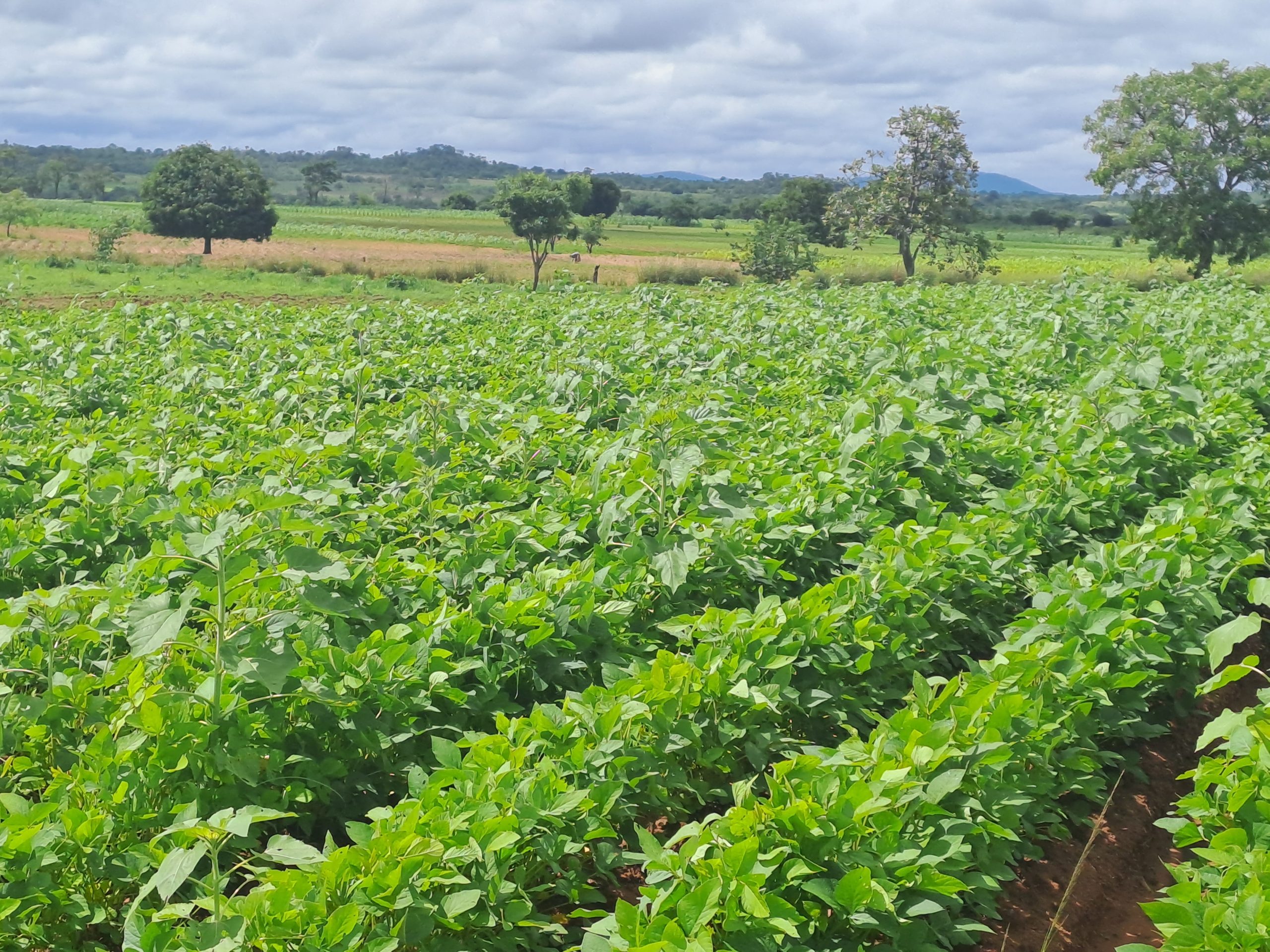
Key Takeaways
- Robust Experimental Design: Utilizing randomized complete block designs and multiple replications ensures reliable and unbiased results.
- Integrated Management Strategies: Combining chemical treatments like potassium silicate and silicon with genetic resistance enhances overall rust management.
- Comprehensive Data Analysis: Employing statistical methods such as ANOVA and AUDPC facilitates accurate assessment of genotype resistance and yield impact.
Introduction
Soybean rust, caused by the fungus Phakopsora pachyrhizi, poses a significant threat to soybean production globally. Effective management of this disease is paramount to ensuring high yields and quality seeds. Field experiments play a crucial role in screening soybean genotypes for rust resistance, thereby informing breeding programs and integrated pest management strategies.
Objectives of Soybean Rust Field Experiments
Evaluate Soybean Cultivars for Rust Resistance
The primary objective is to assess the susceptibility or resistance of various soybean cultivars or breeding lines to soybean rust under field conditions. This evaluation helps in identifying promising genotypes that exhibit lower disease severity, which is essential for developing rust-resistant soybean varieties.
Identify Resistant Lines for Breeding Programs
Field experiments aim to pinpoint soybean lines with enhanced resistance traits. These resistant lines are valuable for breeding programs focused on developing cultivars with durable rust resistance, thereby ensuring sustained soybean productivity.
Understand the Impact of Rust on Yield Parameters
Another critical objective is to elucidate the relationship between rust development and yield components such as seed weight, number of pods per plant, and overall seed quality. Understanding this relationship helps in quantifying the economic impact of soybean rust and prioritizing management strategies.
Experimental Design
Design Type
Field experiments typically employ a Randomized Complete Block Design (RCBD)
Treatments
Each soybean genotype, whether a cultivar or a breeding line, serves as a treatment. It's crucial to include standard check cultivars known for their moderate, resistant, or susceptible responses to rust. Additionally, fungicide-treated controls can be incorporated to compare the efficacy of chemical treatments alongside genetic resistance.
Plot Size and Arrangement
Plots are typically sized to accommodate 4-6 rows that are 3-5 meters in length, with adequate spacing between plants to facilitate reliable disease assessments. Treatments are randomized within blocks to minimize environmental bias and ensure an unbiased comparison among genotypes.
Site Selection and Management
Location
Selecting an appropriate site is critical for the success of rust screening experiments. The chosen location should have a history of soybean rust infection or environmental conditions conducive to rust development, such as warm and humid climates. Ensuring uniform soil type and fertility across the field helps in reducing variability that could confound the results.
Agronomic Practices
Standard agronomic practices, including plowing, seedbed preparation, fertilization, and weed and insect control, should be meticulously followed. If natural infection is inconsistent or unreliable, artificial inoculation may be necessary to ensure uniform disease pressure across all plots.
Inoculation Protocol
Natural vs. Artificial Inoculation
If natural inoculum is expected from nearby infected fields, field experiments can rely on natural infection for disease development. However, in the absence of reliable natural inoculum, artificial inoculation is employed to ensure consistent and uniform disease pressure across all experimental plots.
Inoculum Preparation
For artificial inoculation, urediniospores are harvested from infected soybean leaves and prepared in a spore suspension using water and a surfactant like Tween 20 to aid in adhesion. The spore concentration is standardized using a hemocytometer to achieve a consistent inoculum density, typically around 104–105 spores/mL.
Application
Inoculation is conducted at growth stages when soybean plants are most susceptible, typically between V6 and R1 stages. Applications are best made during the evening or early morning to utilize dew for spore germination. Multiple inoculation events may be necessary to ensure uniform disease distribution across all plots.
Disease Assessment
Timing
Disease monitoring begins when symptoms first appear, usually 7–14 days post-inoculation. Regular assessments, ideally weekly, continue until disease progression plateaus to capture the full extent of rust development.
Assessment Methods
Standardized disease rating scales, such as the 1–9 severity scale or the calculation of the Area Under the Disease Progress Curve (AUDPC), are employed to quantify disease severity. Evaluating multiple plants per plot (e.g., 10–15) ensures that assessments are representative of the entire plot. Advanced methods like digital imaging or remote sensing may be utilized for more objective and precise measurements.
Data Recording
Comprehensive data recording includes incidence (the proportion of infected plants) and severity (lesion density and area affected). Environmental conditions, such as temperature, humidity, and rainfall during the assessment periods, are also documented as they can significantly influence disease development.
Yield and Agronomic Data Collection
Post-assessment, each plot is harvested to record yield components like seed weight, number of pods per plant, and 100-seed weight. Correlating rust severity with yield data provides insights into the economic impact of the disease and underscores the importance of selecting resistant genotypes.
Data Analysis
Statistical Analysis
Data collected from field experiments are analyzed using Analysis of Variance (ANOVA) to identify significant differences in rust response among genotypes. The AUDPC is calculated to quantify disease progression over time, and multiple comparison tests help in ranking genotypes relative to check cultivars.
Correlation with Yield Losses
Regression analysis is often employed to relate disease severity with yield losses, providing a quantitative measure of the impact of rust on soybean productivity. This correlation aids in prioritizing genotypes that not only show resistance but also maintain high yield potential under disease pressure.
Integrated Management Strategies
Chemical Treatments
Field experiments have demonstrated the efficacy of chemical treatments like potassium silicate (KSi) and silicon (Si) in reducing rust severity. Optimal application rates and pH levels are determined through field trials, contributing to integrated pest management (IPM) strategies that combine chemical and genetic approaches for effective disease control.
Genetic Resistance
Screening for genetic resistance remains a cornerstone of soybean rust management. Identifying and utilizing resistant genotypes in breeding programs ensures the development of cultivars with inherent resistance, reducing the reliance on chemical fungicides and promoting sustainable agriculture.
Transgenic Approaches
Recent advances include the development of transgenic soybeans expressing antifungal genes, such as the NmDef02 defensin gene. These genetically modified varieties exhibit enhanced resistance to P. pachyrhizi and other pathogens, representing a promising avenue for improving soybean resilience.
Advanced Screening Techniques
Area Under Disease Progress Curve (AUDPC)
AUDPC is a critical metric for assessing disease progression over time. It integrates multiple disease severity measurements, providing a comprehensive overview of how rust develops and spreads within a soybean population, thereby facilitating more accurate resistance assessments.
Digital Imaging and Remote Sensing
Incorporating digital imaging and remote sensing tools enhances the objectivity and precision of disease assessments. These technologies enable researchers to capture detailed images of infected plants, which can be analyzed to quantify disease metrics more accurately than manual observations.
Case Studies and Research Examples
Vietnam Field Experiments (2006-2009)
Field experiments conducted in Vietnam evaluated 14 soybean genotypes for rust resistance by measuring AUDPC. The study identified genotypes like DT 2000, which consistently exhibited low disease progression, highlighting the potential of regional breeding programs in developing resilient soybean varieties.
U.S. Sentinel Plot Approach
In the United States, sentinel plots were established across multiple sites using Maturity Group 4 and 7 cultivars. Fifty leaves per plot were collected for microscopic examination to track rust development rates, providing valuable data on the effectiveness of different management strategies under varied environmental conditions.
Conclusion
Field experiments are indispensable for screening soybean genotypes for rust resistance. A well-designed experiment, incorporating robust methodologies, integrated management strategies, and comprehensive data analysis, provides critical insights into the effectiveness of different cultivars and treatments. By combining chemical applications with genetic resistance, and leveraging advanced screening techniques, researchers and breeders can develop soybean varieties that are resilient against rust, ensuring sustainable and high-yielding soybean production.
References
Last updated February 12, 2025