
What Does It Mean to be a "Filipino Athlete, Pride of the Nation"?
Exploring the Legacy, Resilience, and National Unity Embodied in Filipino Sports Champions
Key Takeaways
- National Representation and Unity: Athletes serve as ambassadors of Filipino excellence and bring the nation together.
- Resilience and Overcoming Challenges: Their success is driven by perseverance and the ability to triumph despite limited resources.
- Inspiration and Cultural Impact: They motivate future generations and contribute to the collective cultural identity of the Philippines.
Introduction
Being a "Filipino Athlete, Pride of the Nation" is a multifaceted identity that extends well beyond the pursuit of excellence in sports competitions. It encapsulates the spirit of national pride, the resilience of individuals overcoming challenges, and the unifying force of athletic achievements. Filipino athletes who earn this esteemed title not only represent the physical prowess and competitive strength of their country but also embody the cultural, social, and emotional aspirations of a nation.
In a global arena, the achievements of these athletes reinforce the notion that the Philippines, despite facing certain socio-economic challenges and resource limitations, has an abundance of talent, determination, and heart. Their journey is characterized by relentless hard work, unwavering commitment, and a deep sense of duty towards their nation and its people.
Historical Context and Evolution
The Significance of National Representation
Historically, sports in the Philippines have always held a special place within the fabric of national identity. Filipino athletes who achieve international success provide a powerful narrative of national progress and potential. They are seen as living symbols of what the nation can achieve, serving as the bridge between local talent and the global sporting stage.
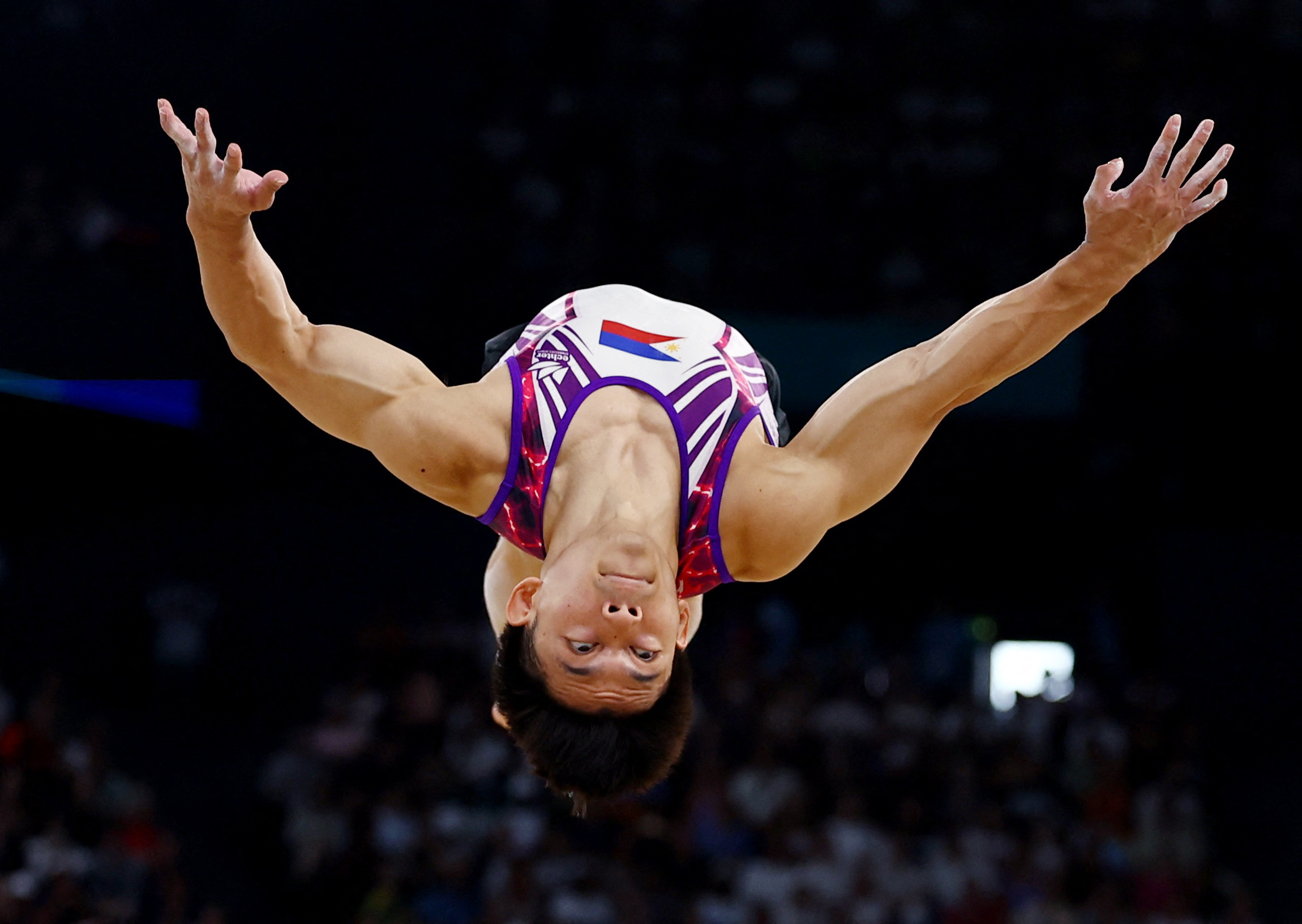
The history of Filipino participation in international competitions is punctuated by moments of glory that have ignited a deep sense of national unity. From historic boxing matches that captivated millions, to groundbreaking achievements in weightlifting and gymnastics, every success story has contributed to a growing narrative of Filipino excellence. This narrative is not just a testament to individual pursuits but also a collective celebration of national capability.
Evolution of Filipino Sports Culture
Over the decades, the evolution of sports culture in the Philippines has highlighted the transformative role that athletic success can play at a societal level. Early sports figures who brought international recognition set the stage for later generations, inspiring changes in how sports are perceived and valued. No longer simply entertainment, sports have become a vital part of national discourse, with athletes often emerging as cultural icons whose influence extends well beyond the track, ring, or field.
This transformation has been accompanied by increased institutional support. Efforts by national bodies to empower athletes have complemented grassroots initiatives, thus fostering a system where talent is nurtured from the local level to achieve global standards. In many ways, the journey of a Filipino athlete is equally a story of personal growth and national progress.
Core Aspects of Being a "Filipino Athlete, Pride of the Nation"
National Representation and Global Impact
Ambassador of Filipino Excellence
At its core, the phrase "Filipino Athlete, Pride of the Nation" is synonymous with the role of being a true ambassador of the country. These athletes are not merely competitors; they are representatives of Filipino heritage, spirit, and values. Their participation in international events brings with it a symbolic transmission of the nation’s identity, promoting the idea that the Philippines, with its rich culture and undying spirit, can excel on any global stage.
Whether it is through breathtaking performances in the Olympics, world championships, or even unexpected victories in less mainstream sports, these athletes challenge the stereotypes often associated with the Philippines. They commendably showcase the adaptability, strength, and potential of Filipino talent, turning every medal and record into a narrative of national pride.
Uniting a Nation
The achievements of Filipino athletes bring together people from all walks of life, fostering a sense of unity and collective identity. When a Filipino athlete wins a medal or sets a record, it is celebrated as a shared victory. In moments where the nation rallies behind its stars, the social and cultural divides seem to vanish; the achievement motivates collective celebration and national pride.
Resilience: Overcoming Adversity
The Value of Hard Work and Perseverance
A defining characteristic of Filipino athletes is their remarkable ability to overcome adversity. Despite facing challenges such as limited resources, insufficient training facilities, and other systemic obstacles, these athletes demonstrate that determination and perseverance can lead to achievement and success. Their journey often involves rigorous efforts to refine their skills, sometimes against a backdrop of financial and infrastructural constraints.
This resilience goes beyond physical training; it is a mindset that embodies the hopes and dreams not only of an individual but also of an entire nation. Every hurdle crossed, every setback transformed into a comeback, further cements their status as symbols of hope and determination. Their stories serve as powerful reminders that success is not a matter of convenience but a product of relentless effort and an indomitable spirit.
Thriving in the Face of Limited Resources
Many Filipino athletes have managed to shine on the world stage despite operating within environments that may lack state-of-the-art facilities or abundant financial support. This element of the narrative underscores the idea that what truly matters is the heart, discipline, and resolve that drive these athletes to excel. Their accomplishments are often seen as a testament to human potential—a vivid illustration that excellence can be achieved, irrespective of external adversities.
Inspiration and Role Model Status
Lighting the Torch for Future Generations
Filipino athletes who earn the "Pride of the Nation" accolade are among the most influential role models for the youth. Their personal journeys of sacrifice, grit, and triumph inspire countless young Filipinos to pursue their dreams in sports and beyond. By serving as living examples of what is possible with hard work and passion, they instill in the youth the belief that greatness is within reach.
These athletes are often involved in community outreach and social initiatives, leveraging their influence to promote positive societal change. Their success stories help instill pride, elevate self-worth, and motivate others to pursue their own paths of excellence. In many respects, their impact is measured not only by the records they set but also by the lasting impressions they leave on society.
Legacy and Long-Lasting Impact
Beyond their immediate achievements, Filipino athletes help create a lasting legacy for future generations. Their stories of persistence and success become part of the larger narrative of national identity. In many instances, their journey is chronicled in the annals of sports history and even in popular culture, solidifying their contributions as national treasures.
As role models, they reinforce values that are crucial for personal development and nation-building: perseverance, humility, and an unwavering commitment to excellence. This legacy not only shapes the aspirations of young athletes but also cultivates a broader cultural ethos that celebrates resilience and determination.
Cultural and Social Significance
Reinforcing Filipino Identity
The cultural significance of being a "Filipino Athlete, Pride of the Nation" cannot be overstated. Athletic success has become a platform through which Filipino identity is celebrated and promulgated. In cultural terms, sporting achievements evoke a deep sense of belonging and pride, reinforcing the positive aspects of Filipino heritage. The narrative of a hardworking, resilient, and successful athlete contributes to a larger dialogue about the identity of the nation.
This cultural reinforcement is evident in how these athletes are celebrated in media, public discourse, and tradition. Their accomplishments are linked with the values of dedication, patriotism, and the collective spirit of a resilient people. In public celebrations and national commemorations, the feats of these athletes are highlighted as symbols of hope and the triumph of the human spirit.
Social Impact and National Morale
The impact of these athletes transcends the sporting arena. Their successes are often perceived as victories for the entire nation, boosting national morale at times when it is most needed. In periods of economic or social hardship, a win on the international stage can reinvigorate a sense of optimism and collective pride.
Furthermore, Filipino athletes often use their prominence to advocate for causes that benefit society. Whether it be initiatives on health, education, or community development, their role as public figures enables them to drive meaningful change. Such endeavors contribute to social cohesion and further solidify their status as essential symbols of the nation.
Comparative Overview of Key Attributes
The following table offers a comparative overview of the key attributes that define what it means to be a "Filipino Athlete, Pride of the Nation." This summary encapsulates the multifaceted role these athletes play in representing, inspiring, and uniting the nation.
| Aspect | Description | Impact on National Identity |
|---|---|---|
| National Representation | Competing on international stages, showcasing Filipino talent and culture. | Elevates the country’s image and builds global recognition of Filipino excellence. |
| Resilience | Overcoming significant challenges such as limited resources and training opportunities. | Embodies the spirit of perseverance and drives national admiration. |
| Inspiration | Serving as role models for the youth and contributing to future generations. | Instills determination, pride, and a forward-looking vision for the nation. |
| Cultural and Social Impact | Reinforcing values such as hard work, patriotism, and unity. | Helps maintain a strong cultural narrative that celebrates Filipino identity and success. |
The Broader Implications for Philippine Society
Economic and Institutional Support
While individual determination is paramount, the journey of a Filipino athlete is also closely tied to the support provided by institutions such as the national sports commission, local government units, and community programs. Increased attention to sports development in the country is gradually addressing issues related to infrastructure, funding, and access to competitive training. This institutional backing has proven critical in transforming raw talent into internationally competitive athletes.
Financial investments, training facilities, and expert coaching are gradually leveling the field for Filipino athletes competing against nations with vast resources. This momentum not only boosts the performance of individual sports figures but also energizes a broader movement for sports development across the country. Consequently, these improvements contribute to the reputation of the nation as a land of perseverance and potential.
Media Representation and Its Role in Shaping Public Perception
Media coverage plays a significant role in shaping the narrative surrounding Filipino athletes. Celebrated for their achievements, these athletes frequently become the subject of extensive media attention, which accentuates their role as national icons. The media not only documents their successes but also narrates their personal journeys of struggle, sacrifice, and triumph.
This media portrayal significantly contributes to public discourse, enabling the society to see beyond the physical aspects of sports and appreciate the inner strength and discipline that drive these athletes. The stories broadcasted across television, social media, and print reinforce the underlining themes of courage, unity, and national pride, inspiring future generations to strive for excellence.
Social Cohesion and National Morale
The role of Filipino athletes extends into the realm of community and societal spirit. Their international victories often act as communal milestones that bring people together. In times of national celebration, remembrance, or even challenge, these athletes serve as a rallying point for the citizenry. Their victories are shared achievements that instill confidence, hope, and a reinforced sense of belonging.
This collective experience of celebration has a profound impact on national morale. It helps diminish internal divisions and inspires a forward-thinking mindset across various sectors of society. More than just sporting figures, these athletes become synonymous with the dream of progress and the celebration of national potential.
Challenges and Nuances in the Narrative
Critical Perspectives and the Complexity of “Pinoy Pride”
Although the narrative of a "Filipino Athlete, Pride of the Nation" is overwhelmingly positive, it is also met with critical perspectives. Some commentators urge caution against excessive nationalism that prioritizes international success as the sole measure of worth. They argue that while celebrating athletic prowess is valuable, it should not overshadow the broader challenges that the country continues to face.
These nuances call for a balanced view where sporting achievements are celebrated ethically and critically. Such perspectives remind society to remain rooted in a realistic appraisal of both accomplishments and areas that require systemic improvement—whether in sports infrastructure, governance, or community support. The dialogue encourages the country to build on its successes while being mindful of the challenges that remain.
Sustaining Momentum for Future Success
Sustaining success in sports requires continuous effort from both athletes and the supporting institutions. Emphasizing long-term development, mental health initiatives, and strategic planning ensures that Filipino sports continue to thrive. Investment in youth programs, scholarships, and community sports initiatives foster an environment in which future generations can flourish.
Ultimately, the status of being a "Filipino Athlete, Pride of the Nation" is not merely an individual accolade; it is a shared achievement that demands sustained efforts from all levels of society. The combined force of personal determination, community support, and institutional backing lays the groundwork for an enduring legacy of excellence in Filipino sports.
The Future of Filipino Sports and National Identity
Emerging Trends and the Way Forward
As the global sports arena evolves, so does the role of Filipino athletes. There is a growing emphasis on embracing technology, advanced training methodologies, and international collaborations that can further the development of athletes. Future trends include the integration of data analytics into training regimens, innovative coaching techniques, and enhanced sports science research.
These emerging trends are set to redefine how future athletes prepare for competitions and face challenges. The incorporation of modern techniques and technological advancements will likely propel Filipino sports to even greater accomplishments, thereby ensuring that the pride of the nation is displayed through contemporary means while still being deeply rooted in traditional values.
A Vision of Unity, Progress, and National Pride
Looking ahead, being a "Filipino Athlete, Pride of the Nation" will continue to symbolize a complex amalgamation of personal triumph, cultural identity, and national progress. The evolving landscape of sports, combined with a steadfast commitment to overcoming adversity, promises a future where Filipino athletes can set new benchmarks of excellence.
Ultimately, the legacy of these athletes is intertwined with the story of the Philippines itself—a narrative of resilience, triumph, and an undying spirit that refuses to be confined by limitations. Their contribution to the nation is a beacon of hope that continues to inspire not only in the realm of sports but also across the entire spectrum of societal endeavors.
Conclusion
In summary, the title "Filipino Athlete, Pride of the Nation" is a powerful and multifaceted label that encapsulates the spirit, resilience, and unifying force inherent in Filipino sports. It signifies not only international representation and individual excellence, but also the narrative of overcoming challenges, inspiring future generations, and reinforcing a collective sense of identity and pride. These athletes are the embodiment of hard work and perseverance—a testament to the fact that despite numerous obstacles, the Filipino spirit can achieve great heights. Their journey is a beacon of inspiration, uniting the nation through shared triumphs and the promise of a brighter, more inclusive future.
References
- The Resilience of Filipino Athletes - Pinas Culture
- Pinoy Pride - Wikipedia
- So-called Pinoy Pride - The LaSallian
- 15 Greatest Filipino Athletes of All Time - Discover Walks Blog
- Philippine Pride - Twinkl
- PSC Empowers Filipino Athletes - Manila Times
More
Last updated February 19, 2025