
How Filipino Athletes Overcome Limited Resources
Discover the remarkable strategies that empower Filipino athletes to rise above challenges
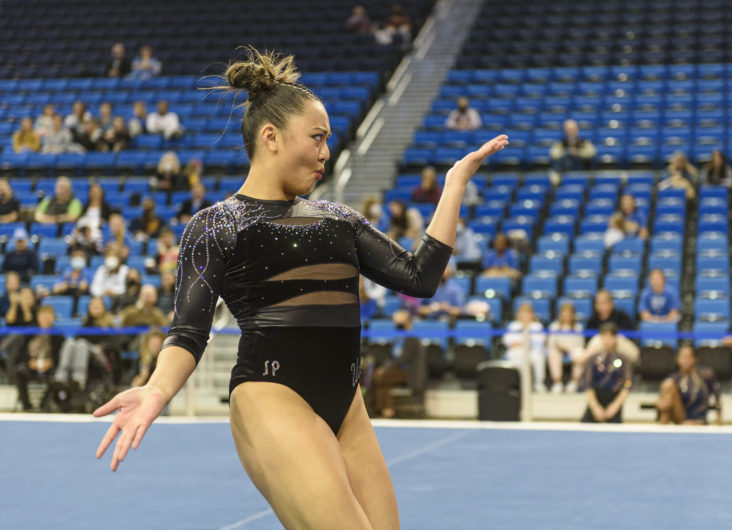
Key Insights
- Mental Resilience and Cultural Strength – Filipino athletes harness mental toughness and cultural values to push through adversity.
- Innovative Training and Resourcefulness – They utilize creative training methods and make the most of available support despite infrastructural limitations.
- Strong Support Networks and Funding Strategies – Community support, private sponsorships, and targeted government initiatives help bridge resource gaps.
Overview
Filipino athletes have consistently showcased extraordinary resilience and determination while contending with significant resource limitations. Despite facing challenges like inadequate funding, suboptimal training facilities, and limited access to high-end equipment, they have achieved impressive results on both regional and international stages. This success is largely attributed to a well-honed combination of mental toughness, strategic innovations in training, and robust support networks that not only sustain but enhance their performance.
Mental Resilience and Cultural Values
Mental Toughness and Psychological Strategies
One of the primary factors contributing to the success of Filipino athletes is their exceptional mental resilience. Mental toughness is cultivated through a range of psychological techniques that empower these athletes to view adversities as opportunities for personal growth. Techniques such as mindfulness, visualization, meditation, and positive self-talk are integral to their training regimen. Athletes learn to harness stress and use it as a motivational tool rather than allowing it to become a hindrance. For instance, many athletes implement daily routines that incorporate meditation and visualization exercises, enabling them to stay focused and positive before competition.
Cultural Values as a Source of Strength
The Filipino spirit, deeply rooted in cultural values such as hard work, discipline, and perseverance, forms the backbone of many athletes’ journeys. Values like pakikisama (emphasizing a sense of camaraderie and community support) are not only about personal discipline but also about mutual responsibility. These values foster a sense of unity and purpose, motivating athletes to push through adversity. In the face of limited resources, this cultural solidarity reinforces their determination, with many seeing setbacks as stepping stones towards a greater achievement.
Innovative Training and Resourcefulness
Adapting to Constraints with Innovation
Limited access to advanced sports facilities or state-of-the-art training equipment has led Filipino athletes to become exceptionally innovative in their training methodologies. This adaptation involves training in non-traditional environments, such as public parks or improvised gyms, and using whatever equipment is available. The resourcefulness of these athletes is remarkable – rather than relying solely on expensive gear, they focus on developing core skills and technique. For many, rigorous practice and repeated competition experiences serve as the primary means of honing their abilities.
Skill-Based Approach Over Material Dependence
Rather than being hindered by financial constraints, many Filipino athletes emphasize consistent skill development. Training sessions are designed to maximize efficiency, often incorporating rigorous drills and practice routines that require minimal resources. This focus on perfecting technique often levels the playing field, allowing athletes to compete successfully against counterparts who may have access to more advanced equipment and facilities.
Innovative Training Strategies Table
| Strategy | Description |
|---|---|
| Mental Conditioning | Incorporation of mindfulness, visualization, and positive self-talk into everyday training routines to boost focus and resilience. |
| Adapted Environments | Utilizing public spaces and improvised training facilities to simulate competitive scenarios and enhance practical skills. |
| Skill-Focused Drills | Prioritizing repetitive, high-quality drills to improve technique over the dependence on high-end equipment. |
| Community Workshops | Engaging local communities through sports clinics, workshops, and team training sessions to foster a supportive training environment. |
Support Networks and Funding Strategies
Community and Family Support
A significant pillar of resilience for Filipino athletes is the robust network of family, community, and local organizations. This emotional and practical support not only bolsters their spirit but also provides critical resources that can supplement limited government funding. Local sporting clubs, schools, and grassroots organizations offer mentorship, peer support, and even access to training facilities. These environments create an ecosystem where the challenges of inadequate resources are collectively managed.
Role of Local Communities
Community-driven support is often marked by strong participation from family and local groups, who rally around athletes. This network provides not only moral support but also sometimes financial assistance, as seen in grassroots fundraising events or local sponsorship programs. The communal effort reinforces a sense of belonging and collective responsibility, vital for athletes facing the dual challenges of competition and limited resources.
Government and Private Sector Involvement
Although governmental support has historically been fragmented or insufficient, recent trends indicate an increasing recognition of the importance of sports for national pride and international representation. Efforts by various officials have resulted in calls for improved athletic funding and infrastructure improvement. Nonetheless, private sponsorships continue to play a crucial role. Many athletes secure funding and sponsorship from local businesses and philanthropic organizations dedicated to promoting sports. In some cases, these private funds help bridge the gap left by inconsistent government support.
Innovative Funding Measures
To overcome financial constraints, many athletes resort to innovative methods such as engaging in personal fundraising or seeking partnerships with private companies. Some have leveraged social media platforms to highlight their challenges and achievements, garnering financial support from a broader audience. Additionally, international scholarships and support from organizations like the International Olympic Committee (IOC) have provided monthly stipends and additional resources, facilitating better training opportunities.
Notable Examples and Personal Sacrifices
Inspirational Figures
Numerous Filipino athletes stand as powerful examples of overcoming adversities related to limited resources. Figures like EJ Obiena and Carlos Yulo have become symbols of steadfast determination and grit. Their personal stories reflect a blend of mental resilience, innovative training efforts, and community backing. Despite enduring significant personal and professional challenges, these athletes have managed to perform at high levels on international platforms.
Personal Financial Sacrifices
Many athletes invest not only time and effort but also personal funds to support their sports careers. In some cases, athletes have used their own savings to cover the costs of training, equipment, and travel. Such sacrifices underscore the profound commitment they have towards their athletic pursuits, revealing an intrinsic motivation that transcends financial limitations.
Diversifying Focus Areas
Another strategic adaptation involves the diversification of sports disciplines wherein concentrated resources yield higher competitive advantages. By focusing on a select number of sports where the country has traditionally excelled, the national sports commission enables a more efficient allocation of the limited available resources. This concentrated approach not only enhances competitiveness but also promotes talent development in areas with historically strong performances at global events.
Future Directions and Systemic Improvements
Enhancing Infrastructure and Financial Support
Despite the incredible achievements thus far, Filipino athletes continue to face enduring challenges due to systemic inadequacies. Advocacy for enhanced government funding and infrastructural improvements remains a priority among stakeholders in the sports community. With growing recognition at the national level, there is cautious optimism about future reforms that promise better access to world-class training facilities, updated equipment, and more comprehensive support mechanisms geared toward athlete development.
Stakeholder Collaboration
Collaborative efforts among government agencies, private sponsors, and community organizations are seen as the linchpin for future success. These collaborations can lead to sustainable funding models and create environments where emerging athletes are provided with the facilities and support needed to thrive. Moving forward, continued advocacy and innovative partnerships will likely play a central role in addressing the systemic challenges that have long hindered the full potential of Filipino sports.
Detailed Comparative Analysis
Comparative Overview of Strategies
To better understand how various approaches come together to enable Filipino athletes to overcome constraints, consider the following breakdown:
| Area | Challenges | Strategies Employed |
|---|---|---|
| Mental Resilience | High-pressure competition, insufficient training support | Mindfulness, visualization, and focused mental conditioning |
| Training & Facilities | Lack of state-of-the-art infrastructure and equipment | Creative training environments, skill-focused routines, use of public spaces |
| Financial Support | Limited government funding and personal financial strain | Private sponsorships, international scholarships, grassroots fundraising |
| Community & Cultural Values | Limited formal support networks | Strong familial bonds, community initiatives, cultural unity |
This table illustrates the multifaceted approach taken by Filipino athletes in addressing the constraints they face. While each domain presents its own set of challenges, the combination of mental fortitude, innovative solutions, and robust support systems creates a holistic framework for success.
Global Impact and National Pride
Inspiring National Confidence
The success of Filipino athletes on the international stage does more than garner medals; it fuels a sense of national pride and cultural identity. Their achievements resonate deeply within the country and inspire younger generations to pursue sporting excellence despite challenging circumstances. This cycle of inspiration and achievement contributes to a gradual increase in local interest and participation in sports.
International Recognition
Successful performances in international competitions help draw attention to the potential and resilience inherent in Filipino sports. This recognition often leads to an eventual reassessment of resource allocation in sports and encourages both government and private entities to invest more robustly. As Filipino athletes continue to break barriers, they not only redefine what is possible under limited conditions but also fortify the nation’s confidence on the global sports arena.
References
- The Resilience of Filipino Athletes Overcoming Challenges - Pinas Culture
- What to Expect From Filipino Athletes Breaking Barriers at Paris 2024 - Masaya 365
- How Filipino Athletes Are Overcoming Adversity in The Lead-up to Paris 2024 - Bonus 365
-
What to Expect From Filipino Athletes Breaking Boundaries at Paris 2024 - Masaya 365
- Breaking the Barriers: Filipinos in the Olympics - Bonus 365
- Celebrating Local Athletes: Inspiring Stories of Filipino Fitness Champions - Richest PH
- Triumph Over Adversity: Inspiring Journeys of Filipino Para-Athletes - Good News Pilipinas
- Greatest Filipino Athletes - Okato Sports
- Case for Funding Philippine National Athletes - The Guidon
- Bonus 365 - Sports News and Analysis
Recommended Queries
Last updated February 28, 2025